Quick answer: A short-term apartment in Tokyo costs about ¥4,500–¥9,000 a night, ¥28,000–¥65,000 a week, or ¥120,000–¥280,000 a month for a furnished 1K (20–25㎡), depending on the ward. The key rule: in Japan, a stay of under one month counts as lodging and needs a licensed operator, while one month or more is a residential lease. That is why monthly mansions start at 30 days.
| Stay length | Best option | Typical price (furnished 1K) | Legal basis |
|---|---|---|---|
| 1–29 nights | Licensed minpaku or weekly apartment | ¥4,500–¥9,000 a night | Minpaku registration or hotel license |
| 1–4 weeks | Weekly apartment | ¥28,000–¥65,000 a week | Hotel license |
| 1–6 months | Monthly mansion | ¥120,000–¥280,000 a month, all-inclusive | Residential lease |
| 1 week to 12 months, with services | Serviced apartment | ¥6,000–¥15,000 a night | Hotel license or lease |
| 6 months or more | Standard furnished or unfurnished lease | See our 1-bedroom rent guide | Residential lease |
Most short-term options need no deposit, no key money and no Japanese guarantor, and you can often move in within a week. Browse Arealty’s short-term apartments in Tokyo to see what’s available now.

Flexible Living in Tokyo Rentals
Daily, Weekly, or Monthly: Which Product Type Fits Your Stay?
The biggest mistake visitors make is treating “short-term rental” as one product. Japanese law splits stays at the one-month line, and each product type has different rules, prices and risks. Picking the wrong one can mean paying double or losing your room mid-stay.
Minpaku (1 night to a few weeks)
Minpaku is Japan’s version of Airbnb-style rentals, run under the Housing Accommodation Business Act of 2018. Each property can host guests for at most 180 nights a year, and many Tokyo wards restrict it further. In Shinjuku’s residential zones, for example, minpaku may only operate from Friday noon to Monday noon.
Best for: tourist stays of a few nights to a few weeks. Typical price: ¥4,500–¥9,000 a night for a 1K. Watch out for: unregistered listings. Every legal minpaku shows a registration number starting with “M”. Illegal listings can be shut down mid-trip.
Weekly apartments (1 to 4 weeks)
Weekly apartments (weekly mansions) are furnished flats rented by the week. Because the stay is under a month, operators need a hotel or inn license, so they aren’t bound by the minpaku 180-night cap. They cost more per night than monthly stays but less than most hotels. See our guide to weekly apartments in Tokyo.
Best for: business trips, house-hunting trips and stays of 1 to 4 weeks.
Monthly mansion (30 days to 6 months)
Monthly mansions are the main short-term option for foreign professionals. Stays start at 30 days, so they are residential leases, not lodging, and need no minpaku registration. Contracts are usually a fixed-term lease or the operator’s own usage agreement.
Best for: job relocations, exchange students, digital nomads and the gap before a long-term lease. Typical price: ¥120,000 in outer areas to ¥280,000 in Minato for a 1K, all-inclusive. Why it’s the sweet spot: no nightly markup, a full kitchen and washing machine, and usually no key money or deposit. For operators, prices and how to book, read our monthly mansion guide.
Serviced apartment (1 week to 12 months)
Serviced apartments sit between a monthly mansion and a hotel, with housekeeping, a front desk and sometimes a gym. Stays under a month run on a hotel license, and longer stays on a lease.
Best for: executive relocations paid by the company. Typical price: ¥6,000–¥15,000 a night, or ¥180,000–¥450,000 a month. Trade-off: you pay 30–60% more than a monthly mansion for services you may not need.
Staying six months or longer? A standard lease usually works out cheaper. Compare the options in our guide to short-term vs 2-year leases and our foreigner-friendly apartment guide.
Real 2026 Prices by Stay Length and Ward
These are typical rates for furnished 1K units (20–25㎡) from Arealty’s active inventory. Larger 1LDK units (35–45㎡) cost roughly 50–80% more.
Daily minpaku rates (Tokyo 1K)
| Ward tier | Per night | Notes |
|---|---|---|
| Central (Minato, Shibuya, Shinjuku) | ¥7,500–¥9,000 | Many residential zones allow weekends only |
| Mid (Suginami, Setagaya, Toshima) | ¥5,500–¥7,000 | More availability |
| Outer (Adachi, Edogawa, Katsushika) | ¥4,500–¥5,800 | Cheapest, longer commute |
Weekly rates (Tokyo 1K)
| Ward tier | Per week | Same rate over a month |
|---|---|---|
| Central | ¥45,000–¥65,000 | ¥195,000–¥280,000 |
| Mid | ¥35,000–¥48,000 | ¥150,000–¥210,000 |
| Outer | ¥28,000–¥38,000 | ¥120,000–¥165,000 |
Monthly mansion rates (Tokyo, all-inclusive)
| Area | 1K (20–25㎡) | 1LDK (35–45㎡) | Train to Shinjuku |
|---|---|---|---|
| Minato (Akasaka, Roppongi) | ¥220,000–¥280,000 | ¥350,000–¥450,000 | About 10 min |
| Shibuya | ¥210,000–¥260,000 | ¥330,000–¥420,000 | About 7 min |
| Chuo (Ginza, Nihonbashi) | ¥195,000–¥245,000 | ¥310,000–¥395,000 | About 16 min |
| Shinjuku | ¥185,000–¥235,000 | ¥285,000–¥375,000 | 0 min |
| Setagaya | ¥150,000–¥190,000 | ¥230,000–¥305,000 | About 15 min |
| Suginami | ¥145,000–¥180,000 | ¥220,000–¥285,000 | About 10 min |
| Toshima (Ikebukuro) | ¥140,000–¥175,000 | ¥215,000–¥275,000 | About 5 min |
| Outer residential areas | ¥125,000–¥160,000 | ¥195,000–¥250,000 | 20 min or more |
All-inclusive means rent, utilities up to a cap, Wi-Fi, furniture, linens and move-out cleaning. Source: Arealty active inventory, April 2026.
How short-term compares to hotels and long-term rental
For one month in Shinjuku:
- Mid-range hotel at ¥18,000 a night: about ¥540,000
- Serviced apartment at ¥10,000 a night: about ¥300,000
- Monthly mansion 1K: ¥185,000–¥235,000, 55–65% cheaper than the hotel
- Long-term 1K lease at ¥110,000 rent plus about ¥350,000 in move-in fees: about ¥460,000 for the first month
A long-term lease only beats a monthly mansion after about four months, and later once you add furniture and utility setup. Bottom line: under a week, minpaku or a hotel usually wins; from 1 to 6 months, a monthly mansion wins; beyond 6 months, move to a standard lease. Our move-in cost guide shows the long-term math, and our cost of living guide covers the rest of your budget.

Compact, Furnished Living in Tokyo
Best Tokyo Neighborhoods by Traveler Type
Business travelers and consultants
Akasaka, Toranomon or Marunouchi put you within walking distance of the main business districts. The premium price (¥220,000+ a month) buys you zero commute. Setagaya and Meguro suit consultants who don’t need to be in the office every day.
Digital nomads and remote workers
Shibuya, Nakameguro or Setagaya offer plenty of cafes, fast internet and coworking spaces nearby. A monthly mansion in Setagaya at ¥150,000–¥190,000 is the value pick.
Tourists and short-stay visitors
Asakusa, Ueno or Ikebukuro keep you close to sightseeing at reasonable prices. Asakusa has the old-Tokyo atmosphere, Ueno has the museums and park, and Ikebukuro is a budget-friendly transport hub.
Students and exchange researchers
Suginami, Setagaya or areas near your university. The Chuo Line from Suginami reaches Shinjuku in about 10 minutes, with monthly mansions at ¥145,000–¥180,000. For language schools, see our ISI Shinjuku student housing guide and our rental guide for international students.
Anime, gaming and tech fans
Akihabara, Nakano or Ikebukuro have the most specialty shops, themed cafes and event venues. Monthly mansions in Akihabara are mid-priced at ¥160,000–¥210,000.
For long-term rent by ward, see our Tokyo 23-ward rent table.
What’s Included: Furniture, Utilities, & Hidden Fees
Standard inclusions (monthly mansion)
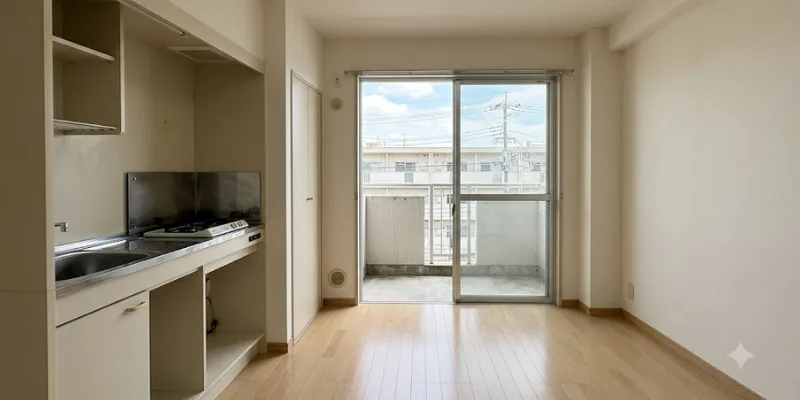
- Furniture: bed and mattress, table, chairs, storage, sometimes a sofa in a 1LDK
- Kitchen: cookware, dishes, microwave, kettle, fridge and a two-burner stove
- Bathroom and laundry: towels, shower and an in-unit washing machine
- Utilities: electricity, gas and water, usually capped at ¥10,000–¥15,000 a month
- Internet: building Wi-Fi or in-unit fiber, usually unlimited
- Linens: a starter set of sheets, pillowcase and blanket
- Cleaning: at move-in and move-out (check the contract for the move-out fee)
What’s usually not included
- Food and groceries
- A phone SIM or mobile data
- Streaming subscriptions
- Bicycle parking, sometimes around ¥1,500 a month
Hidden fees to check before you sign
- Utility caps. Ask for the monthly cap and the rate charged above it.
- Move-out cleaning. Even when cleaning is “included”, some contracts charge ¥15,000–¥40,000 at the end. Get it in writing.
- Early departure. Most contracts have a 30-day minimum, so leaving on day 15 still means paying to day 30.
- Consumption tax. Rent on stays of one month or more is usually exempt, but service fees such as cleaning or furniture rental can be taxed at 10%.
- Lost keys. Expect ¥10,000–¥20,000 for a replacement.
For typical utility bills, see our guide to utilities for one person in a 1K.

Japanese Law: Minpaku Rules vs. Monthly Mansion Contracts
The legal type of your rental decides what protections you have. Here are the rules that matter to a renter.
The one-month rule
In Japan, providing a room for less than a month counts as lodging. The operator must hold a hotel or inn license (under the Hotel Business Act) or register as a minpaku. Stays of one month or more are residential leases under ordinary rental law. Check which type your booking is before you pay.
Minpaku: strict but clear
Under the Housing Accommodation Business Act (effective June 2018):
- 180-night cap: a registered minpaku can host guests for at most 180 nights in each April-to-March year.
- Registration number: every legal minpaku has a registration number starting with “M”, which should appear on the listing.
- Ward rules: many of Tokyo’s 23 wards add their own limits. Shinjuku, for example, allows minpaku in residential zones only from Friday noon to Monday noon.
- Ota ward exception: Ota also runs a special-zone minpaku scheme with a minimum stay of 3 days and 2 nights and no 180-night cap.
Risk to you: unregistered listings can be shut down mid-stay, leaving you to find new accommodation. Always check the registration number.
Monthly mansion: a residential lease
- No 180-night cap, because stays are a month or longer
- Usually a fixed-term lease (teiki shakuya keiyaku) or the operator’s own agreement, with extensions by the month
- Usually no key money, deposit or Japanese guarantor
- Rent is usually exempt from consumption tax, since it is a residential lease of a month or more
Risk to you: low. The main surprise is the early-departure rule.
Serviced apartment: depends on the stay
Stays under a month run on the operator’s hotel license, and stays of a month or more on a lease. Ask which applies to your booking.
Visa and address registration
On a visa-free or tourist stay of up to 90 days, you can book any of these options and don’t register an address. If you hold a residence card, you must report your new address at the ward office within 14 days of moving in. See our guides to registering your address in Japan and the best visas for renting in Japan.
How to Book (And What Documents You Need)
Booking is much simpler than a long-term lease. Most monthly mansion operators confirm within 24–48 hours.
Documents required
Minpaku and weekly apartments: passport, booking confirmation and a credit card.
Monthly mansion: passport, visa or residence card (for stays over 90 days), sometimes proof of income or a company letter, a credit card or bank transfer for the first payment, and an emergency contact.
Serviced apartment: the same as a monthly mansion, often with a company guarantee letter for corporate stays.
Booking lead time
| Stay type | Book ahead |
|---|---|
| Minpaku, off-peak | 1–2 weeks |
| Minpaku, cherry blossom, autumn leaves or year-end | 2–3 months |
| Weekly apartment | 2–4 weeks |
| Monthly mansion, off-peak | 2–4 weeks |
| Monthly mansion, March–April peak | 6–8 weeks |
| Serviced apartment | 4–8 weeks |
Payment terms
Most operators ask for the first month at booking (refundable up to 7–14 days before move-in), a cleaning fee of ¥10,000–¥30,000 unless it’s built into the rent, and automatic monthly charges after that. Overseas bank transfers and credit cards (sometimes with a 2–3% surcharge) are both common.
Avoiding Common Short-Term Rental Scams
1. No registration or license number
A listing for stays under a month should show a minpaku registration number (starting with “M”) or a hotel license. No number means illegal or fake.
2. “Pay by wire to a personal bank account”
Legitimate operators use company accounts or card payments. Requests to pay a personal account are the most common scam aimed at foreign visitors.
3. No office address
A real operator has a registered business address in Japan that you can look up in the corporate registry.
4. Prices far below market
A Shinjuku 1K monthly mansion at ¥85,000 is not a deal. Central Tokyo monthly mansions start around ¥140,000.
5. Pressure to book without photos
Reputable operators send photos, floor plans or a video tour within a business day. “Book now or lose it” is a red flag.
For verified options, browse Arealty’s short-term apartments and fully furnished apartments in Tokyo.
Frequently Asked Questions
Minpaku rentals run ¥4,500–¥9,000 a night for a 1K. Weekly apartments cost about ¥28,000–¥65,000 a week. Monthly mansions range from about ¥120,000 a month in outer areas to ¥280,000 in Minato, including utilities, Wi-Fi and furniture.
Minpaku is a registered home-sharing rental for stays under a month, capped at 180 nights a year per property. A monthly mansion is a furnished rental of 30 days or more under a residential lease, with no annual cap.
Yes. Visitors on a visa-free or tourist stay of up to 90 days can book minpaku, weekly apartments or monthly mansions without registering an address.
No. Monthly mansion and serviced apartment operators generally don’t require a guarantor. You’ll need a passport, visa documents and a payment method.
For stays of a week or more, usually yes. A month in a mid-range Shinjuku hotel costs about ¥540,000, while a monthly mansion 1K costs ¥185,000–¥235,000.
Yes. Minpaku, weekly apartments, monthly mansions and serviced apartments all come furnished with a bed, kitchen equipment, linens, a washing machine and Wi-Fi.
Two to four weeks ahead off-peak. For March–April, the busiest moving season, book 6–8 weeks ahead.
Most contracts have a 30-day minimum, so you pay to day 30 even if you leave sooner. Some operators make exceptions for emergencies. Check the early-departure clause before you sign
Find Your Tokyo Short-Term Apartment
Arealty is a licensed Tokyo real estate agency with furnished short-term apartments checked for legal operation and foreigner-friendly terms, and English support from booking to move-out.
- Short-term apartments in Tokyo: monthly and weekly stays
- Fully furnished apartments in Tokyo
- Tokyo rentals for one person: 1K and 1DK units
- All Tokyo apartments for rent: when you’re ready for a long-term lease
Tell us your dates, budget and preferred area and our bilingual team will send matching short-term apartments in Tokyo.
About this guide
Written by Lucy Nguyen at Arealty. Prices come from Arealty’s active short-term inventory and are refreshed each quarter. This article is general information, not legal advice. Confirm contract terms with the operator before booking.
Sources
Arealty short-term inventory, April 2026rfect option for modern travelers. Just remember to book early, work with a trusted agency, and choose the neighborhood that suits your lifestyle.
Japan Tourism Agency, minpaku information portal
Shinjuku City, minpaku rulebook (5th edition, February 2025)

Real estate advisor at Arealty Japan, specialising in helping foreign residents navigate the Tokyo and Osaka rental markets. Lucy has guided hundreds of international renters — from Working Holiday visa holders to corporate relocations — through Japan’s apartment application process. Her writing draws on firsthand experience with landlord screening, guarantor companies, and foreigner-friendly listings across all 23 Tokyo wards and major Kansai cities.