
Securing an apartment in Japan demands a structured and meticulous approach, especially when navigating the unique local housing market. For anyone seeking quality apartments in Japan, understanding the Apartment Inner View Procedure Japan is the definitive step. It is non-negotiable before finalizing any lease. This viewing, known as Nai-ken (内見), provides the crucial opportunity to physically inspect the property. It ensures its condition and features precisely match the contract specifications. It also confirms your personal requirements are met. A systematic and thorough inner view is essential to prevent future disputes. It guarantees a smooth, confident move into your new home. This applies to both budget-friendly apartments for rent in Japan and high-end leases in areas like Tokyo.
Defining the Apartment Inner View Procedure
The Apartment Inner View Procedure Japan is primarily referred to as Nai-ken – 内見 for rentals. It is a mandatory step in the leasing process. This happens after an initial application but before the final signing of the contract. This procedure is not a casual walk-through. It provides your formal opportunity to inspect the rental property’s condition. You can ensure full alignment with the agreed-upon lease terms.
The definitive goal of this inner view is to allow the prospective tenant to:
- Verify the actual condition of the property, including all built-in fixtures and critical equipment.
- Check for material discrepancies against the floor plan and any preliminary details provided.
- Identify and report any defects, damage (such as a large scratch on the bedroom wall or excessive mold accumulation), or operational malfunctions (e.g., a sticky window lock) that require immediate repair by the landlord or property management before the scheduled move-in date.
Benefits of a Thorough Inner View
A meticulous inner view offers significant advantages for the tenant, safeguarding them from future disputes and unexpected costs. These benefits include:
- Pre-Move-In Defect Resolution: It allows tenants to address and resolve any issues. This includes water leaks, faulty plumbing, or non-functioning appliances. The responsibility for repair clearly lies with the landlord or developer. Addressing defects after moving in can often shift the repair burden onto the tenant. It can also lead to complicated negotiations.
- Accurate Planning and Layout Confirmation: The viewing is the ideal occasion to take measurements. Ensure precision for furniture, appliances, and window coverings (curtains). This ensures items like large sofas, refrigerators, and blinds will fit properly. It also ensures they can be moved into the unit through entryways, elevators, and corridors.
- Environment and Amenity Assessment: You gain a tangible understanding of the living environment. You assess factors such as natural light exposure, ventilation, and potential noise levels from neighbors or surrounding traffic.
Step-by-Step Apartment Inner View Procedure
The process is typically divided into three main phases: Preparation and Booking, The Viewing Day Schedule, and Post-Viewing Follow-Up.
Preparation and Booking: Setting the Stage
Before you even step foot in the apartment, proper preparation is critical for an efficient inspection.
- Gather Property Information: Thoroughly review the floor plan, property specifications, and any preliminary contracts or brochures. For renters looking in metropolitan areas like Tokyo, Japan, this often means comparing several units to ensure the best fit.
- Booking the Viewing: Contact the real estate agent (fudousan-ya) promptly to schedule the viewing. Confirm the time allocation—viewings can last anywhere from 2 to 4 hours, and you need sufficient time for your inspection.
- Prepare Essential Documentation: If you intend to proceed with the final application immediately after the viewing, confirm the necessary documents with your agent. Confirm which documents are necessary. These typically include proof of identity (residence card/passport), income statements, and your personal seal (inkan) if required.
The Viewing Day Schedule: Inspection in Detail
The viewing day is a structured process designed for maximum efficiency, transitioning from orientation to detailed inspection and final consultation.
- Reception and Orientation: Upon arrival at the property or the real estate office, you will be greeted by the real estate agent. A representative from the developer or construction team may also be present. You will often receive a brief explanation of the property, surrounding area, and pricing.
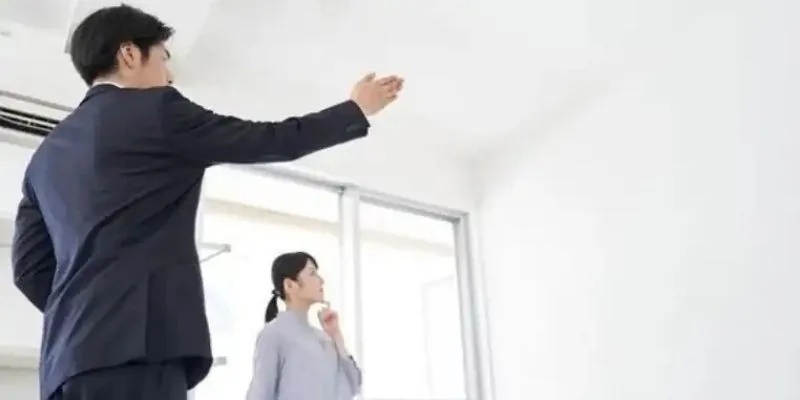
- Guided Tour and Explanation: The agent will guide you through the property. They will explain the features and operational instructions for major equipment. Pay close attention to explanations regarding the use of sophisticated Japanese appliances. This includes the hot water system (Kyuutouki), bathroom ventilation system (Kankisen), and smart toilets (Washlet).
- Self-Guided Inspection (The Critical Phase): This is your time to perform the detailed check. Use your prepared checklist and tools (see Section 4) to verify every aspect of the unit. The inspection should ideally be conducted with a prepared defect checklist to ensure systematic coverage.
- Q&A and Consultation: Address all questions or concerns with the agent. Discuss the issues identified during your inspection.
- Conclusion: You will either return to the real estate office for further consultation and application procedures. Alternatively, you may be permitted to leave directly from the site.
Post-Viewing Follow-Up: Application or Rejection
Following the detailed inspection, the final phase involves documenting concerns and making a decision on the tenancy.
- Consultation: Discuss your findings with the real estate agent. Clearly articulate any concerns (e.g., a scratch on the living room floor, a sticky window lock, or inadequate water pressure). The agent will document these issues for necessary repairs.
- Application: If you are satisfied with the property and the agreed-upon repair schedule, you will proceed with the final application. Next is the contract signing.
- Rejection: It is not poor form to decline an offer. You can refuse if the unit’s condition does not meet your standards. The same applies to the repair schedule or the surrounding environment.
Key Inspection Points for Foreign Renters
For those unfamiliar with Japanese building standards, a targeted approach is essential. Focus on the following four core areas to ensure the unit is habitable and problem-free.
Interior Finishes and Fixtures
During the inspection of interior finishes, focus on detecting any visible damage. Look for operational flaws to ensure the unit is delivered in pristine condition.
- Flooring and Walls: Check for visible damage. Look for scratches on the tatami or wooden flooring. Inspect for stains on the wallpaper. Listen for creaking sounds when walking on the floor, as this is a common issue known as naruki. Use socks to walk around the unit, as cushioned footwear can mask creaks.
- Doors and Windows: Ensure all doors (interior and closet) and windows open and close smoothly. Check that window locks and sliding door mechanisms engage securely. Any stickiness or excessive noise upon operation indicates a potential installation flaw.
- Electrical Outlets and Switches: Verify the number and location of all electrical sockets and light switches against the floor plan. In a modern apartment in Japan, confirm the functionality of smart features. These include the intercom system, automated locks, and internet/cable hookups.
Plumbing and Water Systems
Plumbing defects can lead to significant damage and costs, making this a high-priority inspection area.
- Water Pressure and Drainage: Test the water pressure in the kitchen sink, bathroom shower, and washbasin. Let water run for several minutes. Alternatively, fill the sink or tub and drain it all at once. This confirms fast drainage and prevents backup.
- Leaks and Mold: Inspect the area beneath all sinks, especially the S-trap (curved drain pipe). Look for any signs of water stains, slow drips, or active leaks on the floor or cabinet interiors. Check for mold or dampness, particularly around the window frames and bathroom exhaust fan.
- Hot Water System (Kyuutouki): Confirm the hot water unit’s age (if applicable) and functionality. Check that the water heater engages quickly and consistently provides water at the set temperature.
Major Equipment and Appliances
If the rental includes appliances (common in furnished apartments in Tokyo Japan), their condition must be verified.
- Air Conditioning/Heating (Eakon): While central heating is rare, most units have individual air conditioners (Eakon). Check that the unit turns on, blows air, and switches between cooling and heating modes.
- Kitchen Equipment: Test the gas range/induction cooktop (if provided) and the range hood’s exhaust function. Confirm that the oven (if separate) and any built-in dishwasher function correctly.
- Ventilation and Exhaust: Test the bathroom fan (kankisen) and the toilet ventilation separately. This ensures proper air exchange. Proper air exchange is crucial for preventing mold in high-humidity Japanese apartments.
Structural Conformance and Options
This step ensures the apartment adheres to the contract and agreed-upon specifications.
- Floor Plan Match: Use a copy of the floor plan to verify the actual location and number of fixtures. Check ceiling height and beam location against the blueprint, especially if you plan to install tall custom furniture.
- Optional Upgrades (for new buildings): If you agreed to any paid options or customizations (e.g., upgraded flooring, specialized cabinet configurations), confirm these options were installed correctly and meet the agreed-upon standards.
- Balcony and Common Areas: Briefly inspect the balcony’s flooring (long sheet material) for swelling or peeling. Note the condition of the rain gutters and drainage channels. For rentals of newly completed buildings, it is important to inspect the finish of common areas. Pay special attention to the entrance lobby, mailboxes, and elevator interiors.

Essential Tools for the Inner View Inspection
To conduct a truly professional inspection, you must bring a few key items. Do not rely solely on the agent’s equipment.
- Measuring Tape: Crucial for measuring room dimensions. It is essential for window sizes (for curtains). Also, check the depth/width of appliance spaces (refrigerator, washing machine). Use the measurements to plan your furniture layout accurately.
- Camera/Smartphone: Document all defects, scratches, or areas of concern with clear, well-lit photos and videos. These serve as official evidence during the negotiation for repairs.
- Flashlight: Use a small, powerful flashlight to check dimly lit areas, such as inside closets, under sinks, and corners. The direct beam of light can reveal scratches or blemishes on floors and walls that standard room lighting may miss.
- Floor Plan Copy and Masking Tape: Use the floor plan to note the location of defects. Use masking tape (washi-tape) to physically mark the exact location of defects (e.g., a scratch on the wall or a leaky pipe connection) for the construction crew to easily identify and repair. Always use low-adhesion masking tape to avoid damaging the finish.
- Level (Optional but Recommended): A small spirit level can be used to check if surfaces, like kitchen countertops or window sills, are perfectly horizontal. Small deviations are common.
Understanding Repair and Re-Inspection
After documenting the defects, the real estate agent and the landlord/developer will establish a timeline for repairs.
- Defect Handling: Minor defects, like scratches or small gaps, are usually repaired within a few days to a week. Structural issues or major equipment replacement will require a longer period. The agent will provide you with a written confirmation of the repairs to be completed.
- Re-Inspection (Sai-Kensa): If significant repairs were requested, a second viewing is often scheduled. This viewing typically occurs one to two weeks after the first. Its purpose is to confirm the repairs have been executed satisfactorily. During the re-inspection, check the repaired areas meticulously. Also, inspect the surrounding area for any new damage caused by the repair work. If the defects were minor, a re-inspection might be waived. You will check the repairs on the day of handover.
Why Understanding the Process is Vital for Foreign Renters
Navigating the rental market in Japan can be challenging due to language barriers, unique lease clauses, and specific Japanese standards. A robust understanding of the apartment inner view procedure Japan ensures you are treated equally and can assert your rights as a prospective tenant. It prevents you from accepting an apartment with pre-existing, undisclosed damages that you might later be held responsible for. This is particularly important when dealing with the rigorous background checks. Foreigners often face higher initial costs when securing an apartment for rent Japan.
The Role of an Experienced Agent
An agent experienced in catering to foreigners—such as those specializing in Tokyo, Japan apartment rent—is invaluable. Bridging the communication gap with the landlord and contractors is a key part of their role. Technical documents, such as repair notices, are translated to ensure you fully understand them. They also advocate on your behalf, making sure all discovered defects are corrected before the key handover. In addition, guidance is provided for using your checklist, and your concerns are effectively conveyed to the construction team.
A-Realty Solutions: Your Partner in Japanese Rental Inspections
Securing your ideal home, especially navigating the meticulous apartment inner view procedure Japan, requires specialized knowledge and on-the-ground support. A-Realty Solutions offers comprehensive tenancy support. The company guides foreign residents through every step of the rental process in major Japanese cities. This includes securing prime apartments in Tokyo Japan. Our bilingual agents are equipped with detailed inspection checklists. They will accompany you during the inner view. This ensures all defects are identified and documented with photographic evidence. They are successfully negotiated for repair. We prioritize your peace of mind and advocate for the highest standards of readiness before you sign your final lease.
Contact A-Realty Solutions today for a stress-free transition into your new Japanese home. Ensure that your interior inspection is conducted with professional scrutiny.
Conclusion
The Apartment Inner View Procedure in Japan is more than a formality. It is your essential safeguard against unexpected defects and costs. This process provides a definitive opportunity to ensure the property meets the high standards expected for your new home. Engage in thorough preparation. Conduct meticulous inspections of interior finishes, plumbing, and appliances. Communicate clearly with your agent. By doing these things, you proactively secure a smooth tenancy. Do not hesitate to use your checklist. Employ professional tools to document and address every concern. Ensure all required repairs are completed before you take possession. This diligence guarantees a confident and positive start to your life in your new Japanese apartment.

Real estate advisor at Arealty Japan, specialising in helping foreign residents navigate the Tokyo and Osaka rental markets. Lucy has guided hundreds of international renters — from Working Holiday visa holders to corporate relocations — through Japan’s apartment application process. Her writing draws on firsthand experience with landlord screening, guarantor companies, and foreigner-friendly listings across all 23 Tokyo wards and major Kansai cities.