
The decision to move in together marks an exciting chapter for any couple, yet navigating the local real estate market often proves complex. For many pairs, the central question remains: Is a 1LDK enough for a couple in Japan? Typically, this layout (one bedroom, one Living-Dining-Kitchen area) emerges as a highly popular and cost-effective choice. By allowing couples to maximize time together, it helps keep rent and living expenses low—a significant consideration when looking for apartments in Japan. However, limited space demands careful reflection on lifestyle differences and privacy. This article offers deep insights into the advantages and disadvantages of this floor plan while providing essential tips for selecting the perfect property and achieving harmonious shared living.
Understanding the 1LDK Apartment Layout
The term 1LDK is fundamental in Japanese real estate. It defines a specific floor plan that is larger and more functional than a simple studio (1R). It is also more functional than a single-room apartment with a separate kitchen (1K).
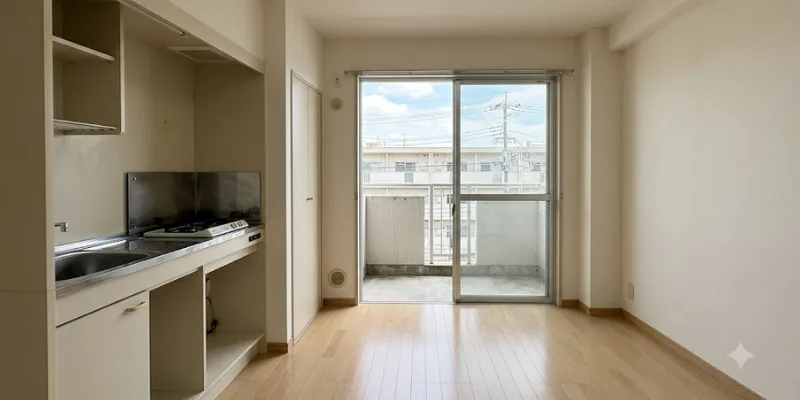
A 1LDK apartment definitively features one distinct private room (the bedroom) and a combined living, dining, and kitchen area (LDK) that must be at least 8 tatami mats in size (approximately 13.2 m^2 or 142 m^2) to qualify for the LDK designation. This clear separation of the sleeping and communal areas is a major draw for couples. It simplifies furniture arrangement and interior design, enhancing comfort compared to single-room layouts.
The 1LDK layout is extremely common in the Japanese rental market. This makes it easy to find diverse apartments for rent Japan even in highly competitive areas like Tokyo. It is the perfect starting point for many couples who seek a balance between private space and affordability.
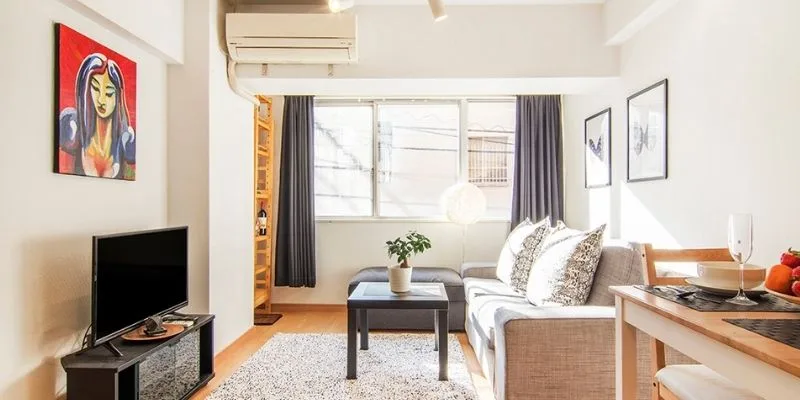
Advantages of Shared Living in a 1LDK Apartment
When considering whether a 1LDK enough for a couple in Japan, it is clear that living together in this layout offers several compelling benefits. These advantages primarily center on cost efficiency, enhanced communication, and structural convenience, making it a viable choice for many pairs. By sharing a singular Living-Dining-Kitchen area alongside a private bedroom, couples can effectively balance their shared activities with their budget.
Cost-Effectiveness and Savings
The primary advantage of the 1LDK is its significantly lower cost. It is more affordable compared to larger, multi-bedroom layouts such as 2LDK or 3LDK apartments.
- Lower Monthly Rent: Sharing a 1LDK drastically reduces the financial burden on each individual. For instance, the average monthly rent for a 1LDK near Shinjuku Station, Tokyo is ¥203,000. This amount is substantially lower than a typical 2LDK in the same area. This saving allows couples to allocate more funds towards future goals. They can save for a down payment, travel, or hobbies.
- Reduced Utility Costs: The compact nature of the 1LDK means lower utility expenses. Heating, cooling, and electricity consumption are naturally minimized in smaller spaces, contributing to overall savings.
- Access to Prime Locations: With a smaller unit, couples can often afford to rent in more desirable or centrally located areas. These locations are closer to major transit hubs or work, such as near Yokohama Station (average 1LDK rent: ¥134,000) or Osaka Station (average 1LDK rent: ¥124,000). This improves daily commutes and quality of life.
Average 1LDK Rental Costs and Split-Rent Comparison
To better understand the financial benefits, the following table illustrates the average monthly rent for 1LDK apartments in major cities. It also shows how much each person would pay if the costs were split equally (50/50).
| Station / City Area | Avg. Monthly Rent (JPY) | Cost Per Person (50/50) |
| Minato | ¥347,800 | ¥173,900 |
| Chiyoda | ¥256,200 | ¥128,100 |
| Shibuya | ¥250,300 | ¥125,150 |
| Chuo | ¥210,300 | ¥105,150 |
| Meguro | ¥181,300 | ¥90,650 |
| Shinjuku | ¥183,800 | ¥91,900 |
| Bunkyo | ¥140,900 | ¥70,450 |
| Shinagawa | ¥155,700 | ¥77,850 |
| Setagaya | ¥139,500 | ¥69,750 |
| Toshima | ¥140,600 | ¥70,300 |
| Taito | ¥146,600 | ¥73,300 |
| Koto | ¥109,100 | ¥54,550 |
| Nakano | ¥132,100 | ¥66,050 |
| Suginami | ¥110,300 | ¥55,150 |
| Sumida | ¥115,200 | ¥57,500 |
| Ota | ¥120,600 | ¥60,300 |
| Kita | ¥111,000 | ¥55,000 |
| Arakawa | ¥110,600 | ¥55,300 |
| Itabashi | ¥100,700 | ¥50,350 |
| Nerima | ¥99,000 | ¥49,500 |
| Edogawa | ¥114,900 | ¥57,450 |
| Adachi | ¥100,200 | ¥50,100 |
| Katsushika | ¥75,400 | ¥37,700 |
Increased Togetherness and Communication
The inherent spatial limitations of the 1LDK naturally foster a closer relationship and consistent communication.
- More Time for Interaction: The close proximity of the living and sleeping areas means couples spend more time together. They find more opportunities for conversation throughout the day. This constant, gentle presence can strengthen the bond between partners.
- Shared Daily Rhythm: The communal space of the LDK encourages the establishment of a shared daily routine. This routine includes meals and relaxation. This regular coordination helps couples quickly understand each other’s values and lifestyles. It lays a solid foundation for a long-term relationship, especially if marriage is the next step.
Clear Separation of Living and Sleeping Areas
Unlike studio apartments (1R/1K) where the entire living space is combined, the 1LDK allows for crucial functional separation.
- Distinct Zones for Activity: The LDK serves as the social and functional hub. It is used for cooking, dining, and relaxing. Meanwhile, the separate bedroom remains a private retreat for sleep and personal time. This separation naturally brings structure and organization to daily life.
- Privacy for Guests: The ability to host guests in the living area without exposing the bedroom is a major benefit. This maintains a level of personal privacy and makes entertaining friends or family easier and more comfortable.
Simplified Maintenance and Cleaning
The compact layout directly translates into less time and effort spent on household chores.
- Efficient Cleaning: Fewer rooms and a smaller total floor area make routine cleaning significantly faster. This benefits busy couples who both work. Reducing the burden of housework is a major positive factor in shared living.
- Easier Organization: The limited space forces couples to be intentional about what they own. This promotes a more minimalist and clutter-free lifestyle.
Drawbacks and Challenges of Shared Living in a 1LDK
While the 1LDK is economical, the question of whether a 1LDK enough for a couple in Japan often depends on how partners manage its limited size. This layout presents definite challenges, such as restricted privacy and potential storage shortages, which can strain a relationship if left unaddressed. Consequently, couples must proactively address these spatial constraints through smart organization and clear communication to ensure a comfortable and harmonious coexistence.
Limited Personal Privacy and Space
The biggest constraint of a 1LDK is the restricted opportunity for solitude.
- Lack of Retreat: The shared nature of the LDK and the closeness of the bedroom mean that personal, alone time can be hard to find. It is genuinely difficult to secure such time. When disagreements arise, finding separate space to cool down or reflect can be challenging.
- Guest Overlap: If friends or family stay over, the absence of a dedicated guest room can become a logistical problem. The shared bathroom and living space can also affect comfort.
Lifestyle and Schedule Clashes
In a shared bedroom environment, divergent daily schedules can easily cause friction and stress.
- Disruption of Sleep: If one partner works a night shift or is an early riser, the noise (e.g., showering, cooking) or light from the other partner’s activities can directly interrupt sleep. For example, if Partner A wakes up at 5:00 AM for work, it will likely disturb Partner B’s sleep. Partner B works until midnight, so the morning routine of Partner A can be disruptive.
- Noise and Light Pollution: Different habits can lead to tension. These include watching TV late, playing video games, or reading with a light on. Couples must establish clear rules regarding shared use of the bedroom to minimize disturbances.
Insufficient Storage Space
Many 1LDK units, especially older ones, are not designed with sufficient storage for two people’s belongings.
- Clutter Accumulation: Limited closet and storage capacity often leads to overflow. Seasonal items, clothing, and personal goods spill into the living and dining areas. This makes the apartment feel cluttered and cramped.
- Need for External Solutions: Couples may need to invest in supplementary storage furniture. This includes tall shelves or organizational units. These additions further reduce the usable floor space in the LDK. Check if the unit has a large enough closet. Ensure there is a dedicated storage area like a walk-in closet (WIC) or storage room (S).
Difficulties with Working From Home (WFH)
The increasing prevalence of remote work makes the 1LDK a tight fit for WFH arrangements, especially if both partners are working simultaneously.
- Space Constraint for Desks: Finding space for two separate, dedicated workstations is almost impossible. One person may have to work in the LDK. The other person might work in the bedroom. This creates noise and focus challenges.
- Privacy Concerns for Virtual Meetings: Confidentiality during online meetings or phone calls is compromised when spaces are shared. Sensitive information or business discussions can be easily overheard, posing professional privacy risks. This requires careful consideration of the unit’s soundproofing capabilities and layout.
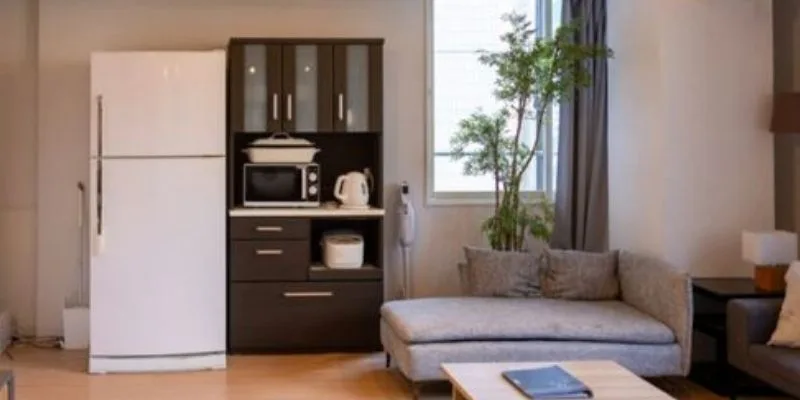
Essential Tips for Selecting a 1LDK for Couples
Ultimately, determining if a 1LDK enough for a couple in Japan depends heavily on the specific features of the unit itself. Selecting the right property requires attention to details beyond just rent price and location, as small differences in floor plans can drastically impact your daily harmony. By focusing on these strategic considerations, you can significantly enhance the quality of shared living and ensure the space remains a comfort rather than a constraint.
Confirm Co-Habitation Allowance
Before committing to any apartment, couples must verify that the property explicitly permits co-habitation (two people).
- Check the Lease Agreement: Many rental properties in Japan, particularly older or smaller units, are designated for single occupancy only. Moving in together without the landlord’s explicit permission is a breach of contract and can lead to eviction.
- Communicate with the Real Estate Agency: Always confirm with the rental agent whether the property is futari-zumi (two-person) friendly. Even if not specified, some landlords may grant an exception if requested through the agency.
Prioritize Layout for Lifestyle Differences
To mitigate the stress caused by differing schedules, couples should focus on the internal layout of the apartment.
- Separate Wet Areas: Choose a layout with the bathroom, toilet, and laundry area separated from the bedroom. Use a hallway or the LDK for this separation. This significantly reduces noise disturbance from early morning or late-night use of these facilities.
- Strategic Bedroom Placement: Look for layouts where the bedroom door does not directly open into the LDK. A layout with a small hallway between the LDK and the bedroom is beneficial. It provides a buffer for both sound and light.
Maximize Communal Space Size
Since the LDK will be the primary shared space, its size is paramount for comfort.
- Focus on LDK Size (Tatami Count): Prioritize a property with a larger LDK area. While 8 tatami mats is the minimum, having an LDK of 10 tatami mats or more offers substantially more flexibility. It allows for a comfortable dining table, a sofa, and potentially a small, shared workstation.
- Balance with Storage: A large LDK is great, but ensure it is balanced by adequate storage. A spacious LDK quickly becomes unusable if personal items must be stored there due to a lack of closet space.
Confirm Sufficient Storage Capacity
Storage is one of the most common friction points in 1LDK living.
- Look for Large Closets: The closet size should be sufficient for the luggage and clothing of two adults. Specifically search for units with built-in closets, walk-in closets (WIC), or a separate storage locker (S). These features are indispensable for keeping the LDK clean and comfortable.
Evaluate Location and Commute Time
When moving to Japan, convenience often outweighs size, especially in cities like Tokyo.
- Commute Time: Prioritize proximity to both partners’ workplaces or main transport lines. A manageable commute time can drastically improve the daily quality of life, compensating for the smaller apartment size.
- Local Amenities (Areaty): Access to local amenities is key. Look for a property close to:
- Supermarkets (e.g., Seiyu, Aeon, Life): For convenient grocery shopping.
- Convenience Stores (e.g., 7-Eleven, Lawson, FamilyMart): Essential for late-night needs.
- Stations: To ensure quick access to the efficient Japanese train network.
Who is the 1LDK Best Suited For?
Determining if a 1LDK enough for a couple in Japan often comes down to personal habits, as this layout is ideal for specific types of couples whose lifestyles and personalities align with its constraints. Partners who prioritize shared experiences over isolated solitude generally find that a single Living-Dining-Kitchen area provides ample space for their daily needs. By understanding your unique requirements as a pair, you can decide whether the intimacy of a 1LDK supports your relationship goals or if a larger multi-room apartment is necessary.
- Couples Who Value Togetherness: The 1LDK is ideal for those who genuinely enjoy being close. They do not require extensive alone time. If both partners share similar hobbies (e.g., cooking, watching movies) and spend most of their free time together, the apartment will feel cozy rather than cramped.
- Minimalist or Low-Possession Couples: Those who follow a minimalist lifestyle will manage the storage limitations. Couples without a large amount of furniture and personal belongings will also find it manageable. They are less likely to clutter the common areas, maintaining comfort.
- Financially Motivated Couples: Partners whose primary goal is to save money will find the 1LDK very effective. This saving could be for travel, marriage, or other investments. It is a highly effective financial tool. The lower rent and utilities directly support their savings target.
- Couples with Compatible Routines: Partners who have very similar wake-up and sleep times will experience fewer issues. Couples who both work outside the home will also have fewer problems with noise and privacy disruption.
Why Choose A-Realty for Your 1LDK Search in Japan?
Finding the ideal apartment that meets all your criteria requires specialized expertise in the Japanese real estate market. These requirements often include proximity to work, co-habitation allowance, and a layout that truly supports your daily habits. When determining if a 1LDK enough for a couple in Japan, professional guidance is invaluable for navigating the nuances of local lease agreements and finding a space that balances intimacy with personal freedom.
A-Realty is a dedicated real estate partner. Our agency specializes in assisting foreign residents in Japan. Additionally, we support couples in their search to secure the perfect rental property. Expertise in the specific nuances of Japanese lease agreements further ensures a smooth transition for all our clients.
Our service commitment includes:
- Bilingual Support: Our agents provide clear communication in English. This ensures you fully understand the contract terms. Understanding these terms is a critical step often overlooked.
- Extensive Property Network: We have access to a wide range of futari-zumi (two-person) friendly 1LDK listings. Many of these are newly built properties with modern amenities and superior soundproofing.
- Layout Prioritization: We will filter listings based on your specific needs. For instance, we can separate the bathroom and bedroom. Additionally, we will confirm adequate storage space to prevent future stress.
Don’t let the complexity of the Japanese rental system deter your plans for shared living.
Contact Arealty today to start your search for the perfect 1LDK apartment and ensure a smooth, stress-free move-in process!
In Summary
The 1LDK apartment is a practical and financially astute choice for many couples starting their life together in Japan. When asking is a 1LDK enough for a couple in Japan, many find that this layout strikes an excellent balance by not only offering a separate private bedroom but also maintaining a functional, communal LDK space. All of this is achievable within an affordable price range. While the restricted space inherently promotes better communication and shared routines, the lower cost enables significant savings for future goals.
However, success in a 1LDK is not guaranteed. It hinges on the couple’s ability to coordinate their lifestyles and make a strategic choice of property. Prioritizing a larger LDK, confirming co-habitation approval, and ensuring sufficient storage are the key determinants for comfortable shared living. With careful planning, a 1LDK can be enough for a couple in Japan. The right real estate support is crucial for building a happy, well-organized life.

Real estate advisor at Arealty Japan, specialising in helping foreign residents navigate the Tokyo and Osaka rental markets. Lucy has guided hundreds of international renters — from Working Holiday visa holders to corporate relocations — through Japan’s apartment application process. Her writing draws on firsthand experience with landlord screening, guarantor companies, and foreigner-friendly listings across all 23 Tokyo wards and major Kansai cities.