
Renting a home in a foreign country involves navigating complex legal landscapes, especially regarding unforeseen events like natural disasters. In Japan, the increase in “guerrilla rainstorms” and sudden river flooding has raised significant questions about the rights of tenants and the obligations of landlords. This comprehensive guide clarifies the legal standing of compensation for property damage rental Japan to ensure you are well-protected while living in apartments in Japan.
Defining Landlord Liability in Japan: The Legal Framework
Under the Civil Code of Japan, the law governs the relationship between landlords and tenants based on the principle of ‘maintenance of usability.’ The landlord has a fundamental obligation to provide a space fit for habitation. However, the law does not treat this obligation as absolute and instead ties it closely to the cause of the damage.
The law typically holds a landlord liable for damages when a defect in the building’s infrastructure or a failure in management causes the harm. For example, if a faulty pipe bursts in a rental apartment complex in Tokyo and ruins a tenant’s electronic equipment, the landlord must legally provide compensation. In contrast, when ‘Acts of God’ (natural disasters) cause the damage, the law shifts the legal burden significantly.
The Principle of Negligence
The law requires compensation only when someone proves negligence. If a landlord fails to perform regular maintenance on drainage systems and this failure leads to avoidable flooding during moderate rain, the law may hold the landlord responsible. Conversely, when extreme weather causes a river to overflow its banks, the law classifies the event as ‘Force Majeure’ and effectively exempts the landlord from liability for the tenant’s personal belongings.
Examples of Landlord Negligence
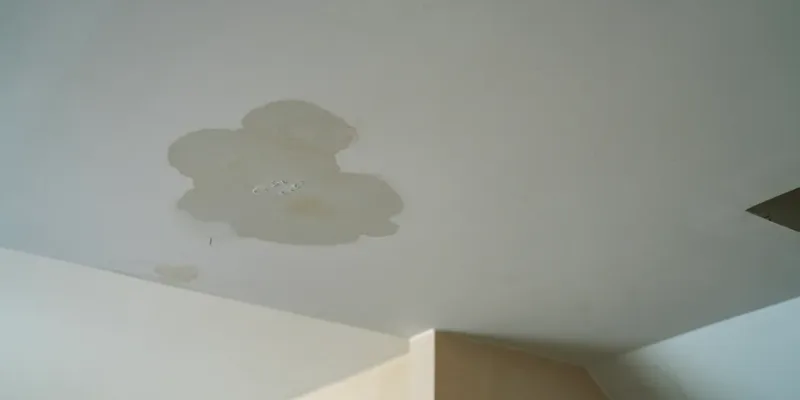
- Structural Decay: A landlord ignores reports of a leaking roof, leading to a ceiling collapse that destroys the tenant’s furniture.
- Faulty Wiring: An outdated electrical system that the landlord refused to upgrade causes a fire, damaging the tenant’s clothes and electronics.
- Poor Drainage Maintenance: Leaves and debris clogging the building’s gutters cause water to overflow into a balcony and flood the living room during a standard rain shower.
Repair Obligations During Natural Disasters
One of the most frequent points of contention for those renting apartments in tokyo japan is determining who pays for repairs after a flood. According to Article 606, Paragraph 1 of the Japanese Civil Code, the landlord has a duty to perform repairs necessary for the use and profit of the leased object.
Conditions Triggering the Duty to Repair
The duty to repair is activated only when specific criteria are met:
- The damaged structure is part of the property the landlord is contracted to provide.
- The tenant is not responsible for the cause of the damage.
- The damage significantly hinders the tenant’s ability to inhabit the space comfortably.
- The repair is “economically and physically feasible.”
For instance, if a flood leaves a thin layer of silt on the floor, the landlord must clean and restore the surface. However, if water reaches the ceiling and destroys the unit’s structural integrity, the law may deem the repair economically unfeasible and automatically terminate the lease agreement.
Protecting Your Assets: Tenant Personal Property
While the landlord is responsible for the building, they are generally not responsible for the tenant’s personal assets. This applies to various high-value items that foreign residents often keep in their apartment for rent japan. Because the landlord has no control over the river levels, the law does not view them as the “cause” of the loss.
Examples of Non-Compensable Assets
In the event of a natural disaster, landlords do not provide compensation for:
- Vehicles and Transportation: Motorcycles, luxury cars, or electric bicycles parked in underground garages that become submerged due to river overflow.
- Electronics and Appliances: High-end computers, television sets, or kitchen appliances damaged by rising mud-water.
- Furniture and Decor: Designer sofas, expensive rugs, or antique cabinets that suffer water damage or mold growth.
Tenants should maintain comprehensive fire and disaster insurance (hoken) that specifically covers flood damage to personal belongings.
Economic Feasibility and Lease Termination
In Japan, the law recognizes that some damages are so extensive that the law considers the property ‘lost’ rather than ‘damaged.’ If mud completely buries a rental apartment unit in Tokyo, restoring it may cost more than the building’s total value.
“When restoration costs become disproportionately high and approach the cost of new construction, the law releases the landlord from the duty to repair. In these situations, lease contracts usually include a ‘Force Majeure’ clause. This clause automatically terminates the contract because the lease object no longer exists in a usable form. This mechanism protects landlords from bankruptcy and allows tenants to immediately seek new housing without remaining tied to a ruined property.
Indicators of Economic Unfeasibility
- Total Structural Compromise: The foundation of the building is washed away, making it unsafe to enter even for assessment.
- Prohibitive Restoration Costs: The price of removing mud, replacing all tatami mats, and rewiring the unit exceeds 80% of the building’s market value.
- Environmental Contamination: The floodwater contains hazardous chemicals or sewage that requires industrial-grade decontamination beyond standard repair capabilities.
Finding Secure Housing with ARealty
Finding the right apartments in tokyo japan requires a partner who understands both the legalities of Japanese real estate and the specific needs of the international community. ARealty serves as a bridge, ensuring that tenants find secure, high-quality housing while fully understanding their rights regarding compensation for property damage rental Japan.
How ARealty Enhances Your Rental Experience
ARealty provides specialized support for expatriates and foreign professionals by:
- Vetting Property Management: We prioritize listings from landlords who maintain high standards of building safety and regular maintenance schedules.
- Insurance Guidance: We help tenants select the most robust insurance policies to cover personal property against floods, fires, and earthquakes.
- Contractual Transparency: Our team explains every clause in your lease, ensuring you know exactly who is responsible for repairs in the event of a “guerrilla rainstorm.”
If you are looking for a reliable apartment for rent japan, ARealty offers a curated selection of properties that meet rigorous safety and quality benchmarks. We actively support your transition into life in Japan and clearly explain your legal protections.
Would you like ARealty to provide you with a list of flood-resistant properties in Tokyo today?

Practical Steps for Tenants During the Rainy Season
Preparation is key to minimizing potential disputes over compensation for property damage rental Japan. Tenants should take proactive measures as soon as the rainy season approaches.
Essential Preventive Actions
- Review Your Insurance Policy: Verify that your “Home Contents Insurance” includes a “Water Damage” (Suisai) rider, as some basic policies only cover fire or theft.
- Document Your Assets: Keep a digital inventory with photos of your high-value items, such as laptops, musical instruments, and luxury watches.
- Understand Local Geography: Check the local government “Hazard Map” (Hazaado Mappu) to see if your apartments in Japan are located in a high-risk flood zone.
What to Do if Flooding Occurs
If your unit is affected by water ingress, notify the landlord or property management company immediately. Take clear photographs of the water level and any damage to the building’s structure. This documentation is vital for determining whether the landlord must fulfill their duty to repair or if the damage constitutes a total loss.
Legal Precedents and Tenant Rights
Japanese courts have established clear boundaries regarding landlord liability. In a landmark case involving a flooded underground parking lot, the court ruled that the landlord was not liable because the rainfall exceeded the capacity of the public sewage system, which was beyond the landlord’s control.
However, the tenant remains entitled to a rent reduction if the property becomes partially unusable. According to Article 611 of the Civil Code, if a portion of the leased object is lost or becomes unusable through no fault of the tenant, the rent is automatically reduced in proportion to the unusable portion.
Examples of Rent Reduction Scenarios
- Inaccessible Rooms: If one bedroom in a two-bedroom japan tokyo apartment rent becomes flooded and uninhabitable, the tenant is entitled to a percentage reduction in rent.
- Loss of Essential Utilities: If the shared water heater for the building is destroyed, the landlord must reduce the rent until hot water is restored.
- Restricted Access: If the elevator in a high-rise building is broken due to water damage, making the upper floors difficult to reach, a temporary rent adjustment may be negotiated.
Navigating the Claims Process
When seeking compensation for property damage in rental housing in Japan, you must handle the process with precision. Whether you are claiming against a landlord’s negligence or filing an insurance claim for natural disaster damage, documentation is your strongest asset.
Steps to File a Claim
- Immediate Notification: Inform your landlord and insurance provider within 24 hours of the incident.
- Evidence Collection: Record videos of the damage and keep a log of all affected items, including their original purchase price and date.
- Professional Assessment: Allow the insurance adjuster or the landlord’s contractor to inspect the property, but ensure you receive a copy of their report.
Common Pitfalls to Avoid
- Discarding Damaged Items: Never throw away ruined property until the insurance adjuster has inspected it, as this may lead to a denial of the claim.
- Delayed Reporting: Waiting weeks to report a leak can lead to secondary damage like mold, which the landlord may argue is the tenant’s fault for not reporting earlier.
- Lack of Written Communication: Always follow up verbal conversations with an email to create a paper trail for legal purposes.
The Role of Hazard Maps in Tokyo
When searching for apartments in tokyo japan, the Hazard Map is an indispensable tool. The Tokyo Metropolitan Government provides detailed maps showing areas prone to river flooding, storm surges, and landslides.
Key Hazard Map Categories
- Inundation Depth: Shows how high the water is expected to rise in a specific neighborhood during a 1-in-100-year flood event.
- Evacuation Routes: Highlights the safest paths to designated shelters in the event of an emergency.
- Soil Liquefaction Risk: Indicates areas where the ground may become unstable during an earthquake, which often coincides with flood-prone lowlands.
For those looking for a japan tokyo apartment rent, choosing a unit on the third floor or higher in a known inundation zone can significantly reduce the risk of property damage. ARealty specializes in analyzing these maps to find the safest possible location for your new home.
Conclusion
Understanding the boundaries of compensation for property damage rental Japan is essential for every international resident.While the landlord must legally maintain the structural integrity of apartments in Japan, tenants are responsible for protecting their personal belongings through proper insurance coverage.By staying informed about the Civil Code, checking hazard maps, and choosing professional support from experts like ARealty, you can enjoy your life in apartments in tokyo japan with peace of mind.
The interplay between landlord obligations and tenant duties ensures a balanced rental market. Even when faced with the challenges of natural disasters, the Japanese legal system provides a clear roadmap for repairs, rent reductions, and contract terminations. With this knowledge, you can better handle any situation that the rainy season may bring.

Real estate advisor at Arealty Japan, specialising in helping foreign residents navigate the Tokyo and Osaka rental markets. Lucy has guided hundreds of international renters — from Working Holiday visa holders to corporate relocations — through Japan’s apartment application process. Her writing draws on firsthand experience with landlord screening, guarantor companies, and foreigner-friendly listings across all 23 Tokyo wards and major Kansai cities.