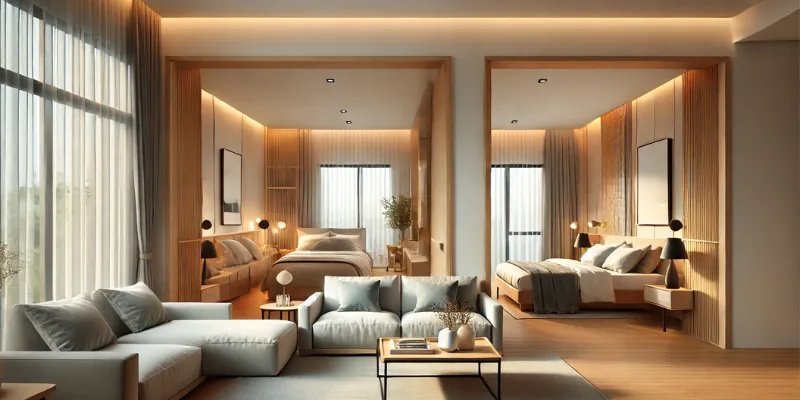

Finding the perfect apartment for rent Japan involves balancing many factors, from location to layout. While natural light is a highly sought-after feature, particularly in dense urban centers like Tokyo, it is essential to understand the trade-offs. Prospective tenants often prioritize south-facing units with expansive glazing, yet having too many windows can introduce unexpected challenges in the Japanese climate and housing market.
This guide provides a professional analysis of lighting conditions, the specific disadvantages of many windows in rental apartment Japan, and how to navigate the complexities of finding apartments in Tokyo Japan.
The Importance of Natural Light in Japanese Housing
In Japanese real estate, the amount of sunlight a room receives is a primary factor in determining its market value. Beyond aesthetics, sunlight plays a functional role in maintaining a healthy living environment.
- Circadian Rhythm Regulation: Exposure to morning sunlight helps synchronize the body’s internal clock, which improves sleep quality and mental well-being for residents in busy cities like Tokyo.
- Natural Disinfection: Ultraviolet rays act as a natural disinfectant, reducing the prevalence of bacteria on surfaces and flooring.
- Moisture Control: Japan’s high humidity levels, especially during the Tsuyu (rainy season), make sunlight essential for preventing the growth of mold and mildew in wooden or concrete structures.
Disadvantages of Many Windows in Rental Apartment Japan
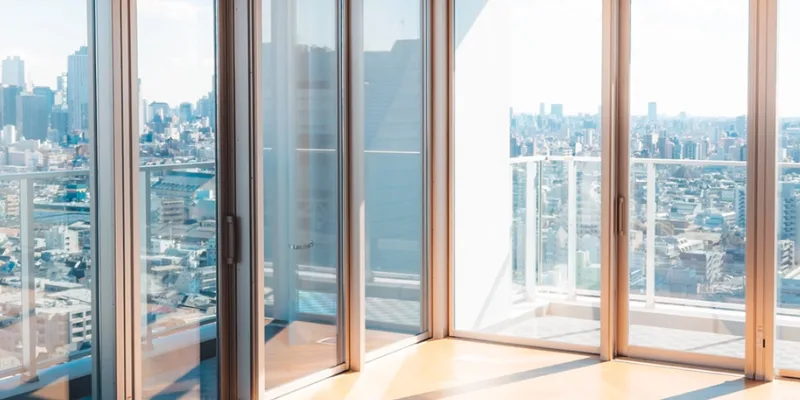
While a bright room is appealing, tenants should consider the disadvantages of many windows in rental apartment Japan before signing a lease. Excessive glass surface area can lead to several practical issues that affect both comfort and finances.
Thermal Efficiency and Insulation Issues
Windows are the primary points of heat exchange in an apartment. In Japan, many older or mid-range buildings do not use double-paned glass, leading to significant temperature fluctuations.
- Summer Heat: Large windows create a “greenhouse effect,” significantly raising the indoor temperature and forcing air conditioning units to work harder.
- Winter Cold: Glass has poor insulative properties compared to concrete walls, allowing heat to escape rapidly during the cold winter months in regions like Kanto or Kansai.
- Energy Costs: Residents often face higher utility bills due to the constant need for climate control to compensate for thermal loss through the glass.
Lack of Privacy in Densely Populated Areas
When searching for apartments in Japan, especially in cities like Tokyo or Osaka, the proximity between buildings is often less than two meters.
- Neighbor Proximity: Having many windows may result in your living space being directly visible to neighbors in the adjacent building.
- Street-Level Exposure: Lower-floor units with large windows may expose your daily activities to pedestrians and traffic.
- Heavy Curtains: To maintain privacy, tenants often keep curtains closed all day, which negates the original benefit of having many windows.
Interior Damage and Fading
Constant exposure to direct UV rays can cause irreversible damage to personal belongings and the apartment’s fixtures.
- Flooring Discoloration: Sunlight can bleach hardwood floors or tatami mats, leading to potential deductions from your security deposit for “unnatural wear and tear.”
- Furniture Degradation: High-quality leather sofas, wooden tables, and plastic electronics can warp, crack, or fade when placed near large windows.
- Fabric Damage: Rugs, curtains, and even clothing stored on open racks will lose their color vibrancy over time due to solar radiation.
Limited Furniture Placement Options
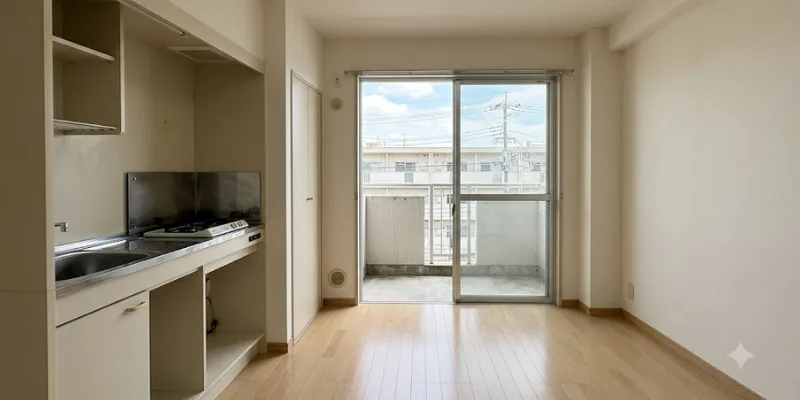
A room with multiple windows reduces the available wall space, which can be a significant drawback in compact Japan Tokyo apartment rent scenarios.
- Tall Furniture Constraints: Wardrobes, bookshelves, and tall refrigerators cannot be placed against windows without blocking light and looking disorganized.
- Electronic Setup: Placing a television opposite a large window causes significant glare, making it difficult to see the screen during daylight hours.
- Dead Space: Areas in front of floor-to-ceiling windows must remain clear to allow for cleaning and curtain operation, effectively reducing the usable square footage of the room.
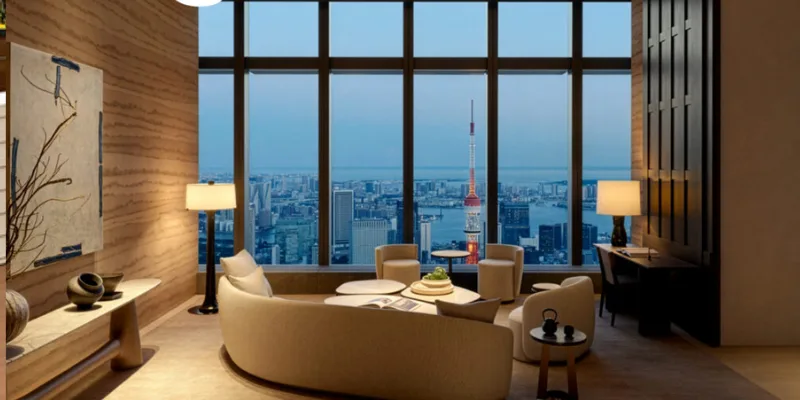
Detailed Analysis of Orientations for Apartments in Japan
When browsing apartments in Tokyo Japan, the direction of the windows determines the quality and duration of light you will receive. Each orientation carries specific implications for your lifestyle.
South-Facing (Minami-muki)
South-facing units are the most popular and expensive in Japan. They receive consistent sunlight throughout the day, which keeps the room warm in winter. However, the premium on rent can be 10% to 15% higher than other orientations.
East-Facing (Higashi-muki)
These units receive strong sunlight in the morning, making them ideal for individuals who wake up early. The light fades by the afternoon, which helps keep the room cooler during summer evenings. This is a favorite for those who want to feel energized at the start of the day.
West-Facing (Nishi-muki)
West-facing apartments receive intense “afternoon sun” (nishibi). While this keeps the room warm until evening in the winter, it can make the apartment uncomfortably hot during Tokyo’s humid summers. Tenants often need thick blackout curtains to manage the heat.
North-Facing (Kita-muki)
North-facing units receive the least amount of direct sunlight. While they are often the most affordable apartment for rent Japan options, they are prone to dampness. These units require active dehumidification and frequent ventilation to prevent mold growth on walls.
Structural Considerations: Corner Units and Top Floors
Beyond orientation, the physical position of the apartment within the building influences light and heat.
Corner Apartments (Kado-beya)
Corner units are highly sought after because they typically have windows on two or more sides. This provides excellent cross-ventilation and a sense of openness. However, the disadvantages of many windows in rental apartment Japan are amplified here. With more exterior-facing glass, the room is even more susceptible to outside temperatures and noise.
Top Floor Units (Saiko-kan)
Living on the top floor often guarantees the best views and the most sunlight, as there are no higher buildings to cast shadows. The trade-off is that the roof absorbs solar heat directly. Without high-quality insulation, top-floor apartments can become significantly hotter than middle-floor units, leading to increased air conditioning usage.
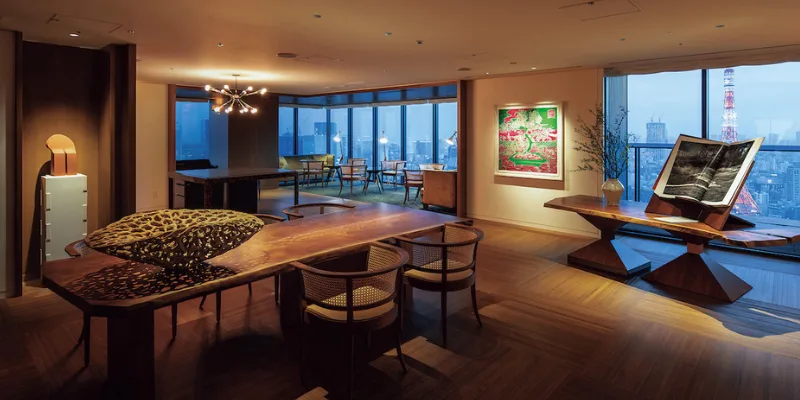
Managing Moisture and Ventilation in Bright Apartments
In Japan, sunlight and ventilation go hand-in-hand. Even if an apartment is bright, poor airflow can lead to structural damage and health issues.
- The Mold Risk: High sunlight can actually create “hot spots” where moisture trapped behind furniture evaporates and then condenses on cooler surfaces, leading to hidden mold.
- Ventilation Systems: Most modern apartments in Japan are equipped with a 24-hour ventilation system (24-jikan kanki). It is crucial to keep these vents open to maintain air circulation, even in winter.
- Dehumidifiers: In rooms with many windows, using a dehumidifier during the rainy season is essential to protect your belongings from the humid air that enters when windows are opened for light.
Practical Checklist for Apartment Viewings
To ensure a high quality of life, you must look beyond the floor plan. Consider these factors when visiting potential apartments in Japan:
- Surrounding Obstructions: Check for tall buildings, elevated railway tracks, or upcoming construction projects that might block your light in the near future. If a vacant lot is next door, there is a high probability a new building will rise there.
- Window Quality: Inspect if the windows are single-pane or double-glazed; double-glazed windows significantly mitigate the disadvantages of many windows in rental apartment Japan by providing better sound and heat insulation.
- Sound Insulation: More windows mean less wall mass to block noise. If the apartment is near a busy road or a train line, listen carefully to how much sound leaks through the window seals.
- Privacy Buffers: Observe if there are trees, frosted glass, or architectural fins that provide privacy without sacrificing light.
Economic Implications of Apartment Lighting
The financial impact of your choice extends beyond the monthly rent. Understanding the long-term costs is vital for a sustainable stay in Japan.
Rental Premiums
In cities like Tokyo, a south-facing room can cost 5,000 to 10,000 JPY more per month than a north-facing room of the same size. Over a two-year contract, this adds up to a significant amount.
Utility Costs
While a sunny room saves on lighting and winter heating, the summer cooling costs can be 20% to 30% higher if the apartment has many uninsulated windows. This is a hidden cost that many foreigners overlook when calculating their budget.
Restoration Fees
Upon moving out, you are responsible for damage beyond normal wear and tear. If sunlight has severely warped the flooring because you failed to use curtains, the landlord may deduct the repair costs from your security deposit (shikikin).
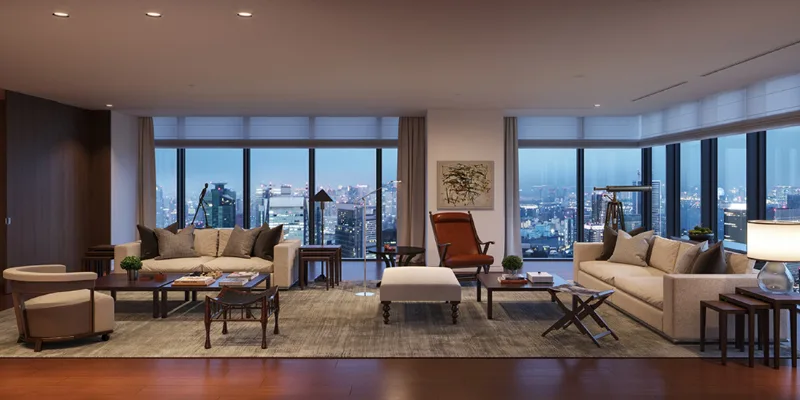
Interior Design Solutions for Different Lighting Levels
Whether you have too much light or too little, interior design can help balance the environment.
For Rooms with Too Many Windows
- UV-Cut Film: Applying transparent UV-cut film to windows can block up to 99% of harmful rays without losing the view.
- Functional Window Treatments: Use a combination of sheer “lace” curtains for daytime privacy and heavy drapes for thermal insulation.
- Modular Furniture: Choose low-profile furniture that does not block the lower half of windows, maintaining a sense of space.
For Rooms with Limited Light
- Bright Color Palettes: Incorporate light-colored furniture and textiles, such as white linen curtains, beige rugs, or pastel-toned cushions, to reflect available light.
- Strategic Mirror Placement: Large mirrors placed opposite a light source can effectively double the perceived brightness of a room by reflecting natural light into darker corners.
- Artificial Lighting Layers: Utilize a mix of ceiling lights, floor lamps, and LED strips to create a warm ambiance that compensates for a lack of solar exposure.
Why Choose ARealty for Your Housing Search in Japan?
Navigating the Japanese real estate market as a foreigner can be challenging due to language barriers and specific rental customs. ARealty specializes in connecting international residents with high-quality apartments in Tokyo Japan that meet their specific lifestyle needs.
Whether you are looking for a sun-drenched penthouse or a cozy, energy-efficient studio, ARealty provides transparent consulting to help you avoid the common pitfalls of rental agreements. Our team understands the nuances of local neighborhoods and can identify properties that balance natural light with thermal efficiency and privacy. We provide support for:
- English-Language Support: We bridge the communication gap between you and Japanese landlords.
- Neighborhood Insights: We offer data on local amenities, noise levels, and future urban development.
- Contract Transparency: We ensure you understand every clause regarding deposits, maintenance, and move-out fees.
Would you like ARealty to curate a list of available apartments in Tokyo that match your preferred sun orientation and budget?
Conclusion
Selecting an apartment for rent Japan requires a strategic approach to natural light. While windows offer aesthetic value and health benefits, the disadvantages of many windows in rental apartment Japan—such as high utility costs, lack of privacy, and furniture damage—must be carefully weighed. By understanding orientation and building quality, you can find a comfortable home that remains functional throughout the changing Japanese seasons.
Whether you prefer the bright mornings of an east-facing room or the cost-effective privacy of a unit with fewer windows, careful inspection and professional guidance are key to a successful move.

Real estate advisor at Arealty Japan, specialising in helping foreign residents navigate the Tokyo and Osaka rental markets. Lucy has guided hundreds of international renters — from Working Holiday visa holders to corporate relocations — through Japan’s apartment application process. Her writing draws on firsthand experience with landlord screening, guarantor companies, and foreigner-friendly listings across all 23 Tokyo wards and major Kansai cities.