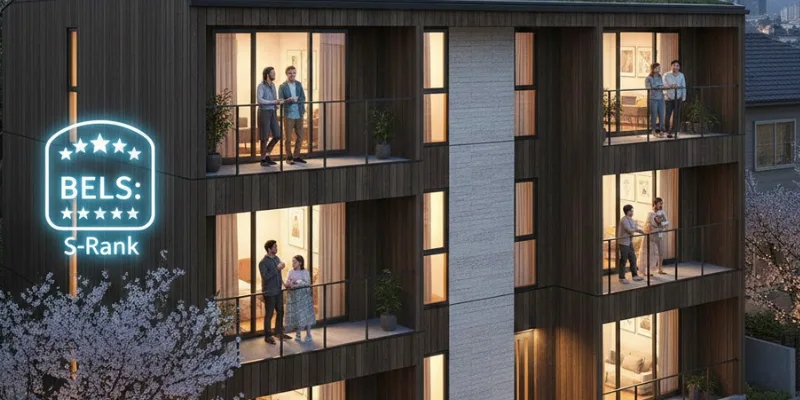

Selecting a residence in a foreign country involves more than just evaluating aesthetic appeal or proximity to public transport. For expatriates moving to East Asia, the insulation performance of wooden house Japan stands as a primary factor determining long-term comfort and financial stability. Japan experiences a wide range of climatic conditions, which necessitates a sophisticated approach to building envelopes. Wooden houses, often referred to as Mokuzou, have undergone a technological revolution to meet modern energy standards.
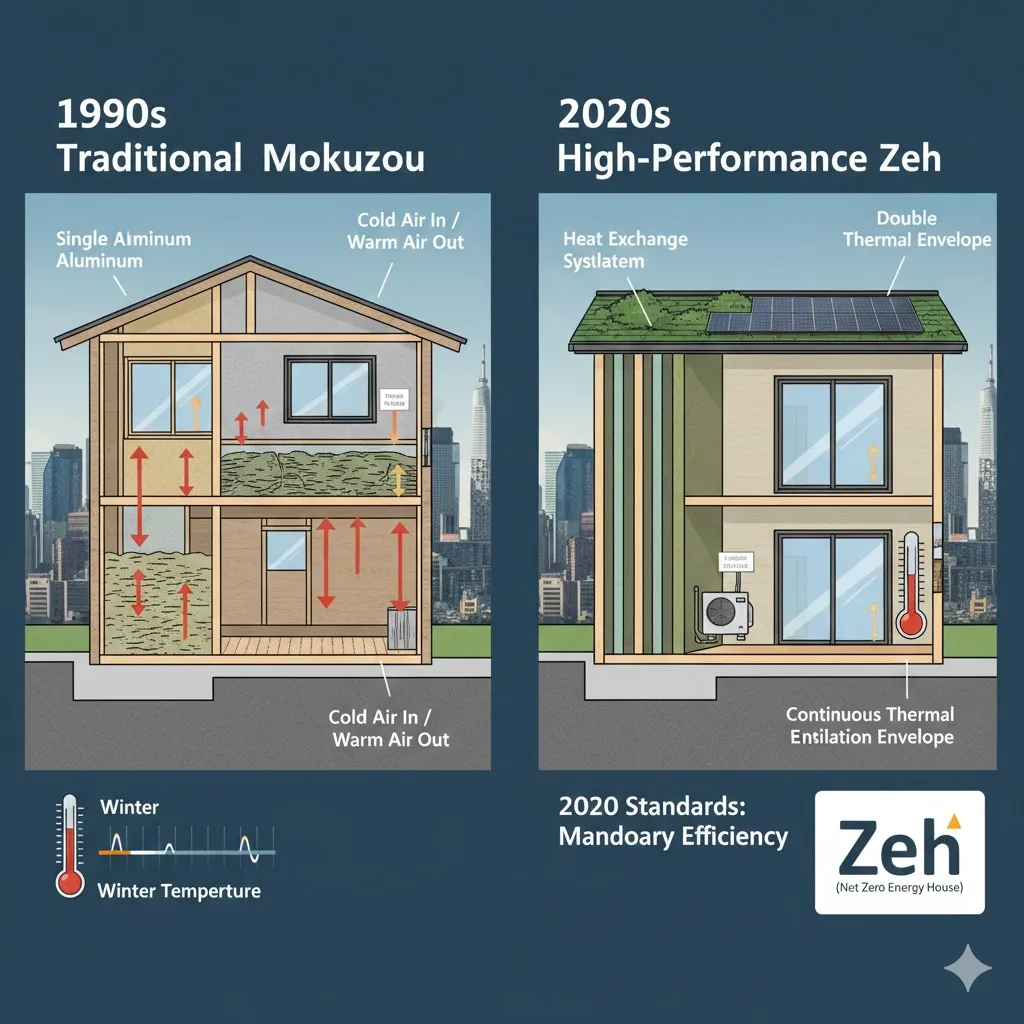
Historically, Japanese wooden houses were designed to “breathe” to combat high humidity in the summer, which often resulted in drafty and cold interiors during the winter. However, contemporary construction emphasizes high-performance thermal barriers and airtightness. Understanding these technical nuances is essential when browsing apartments in Japan, as the building’s structural efficiency directly impacts your daily life and monthly expenditures.
Defining the Insulation Performance of Wooden House Japan
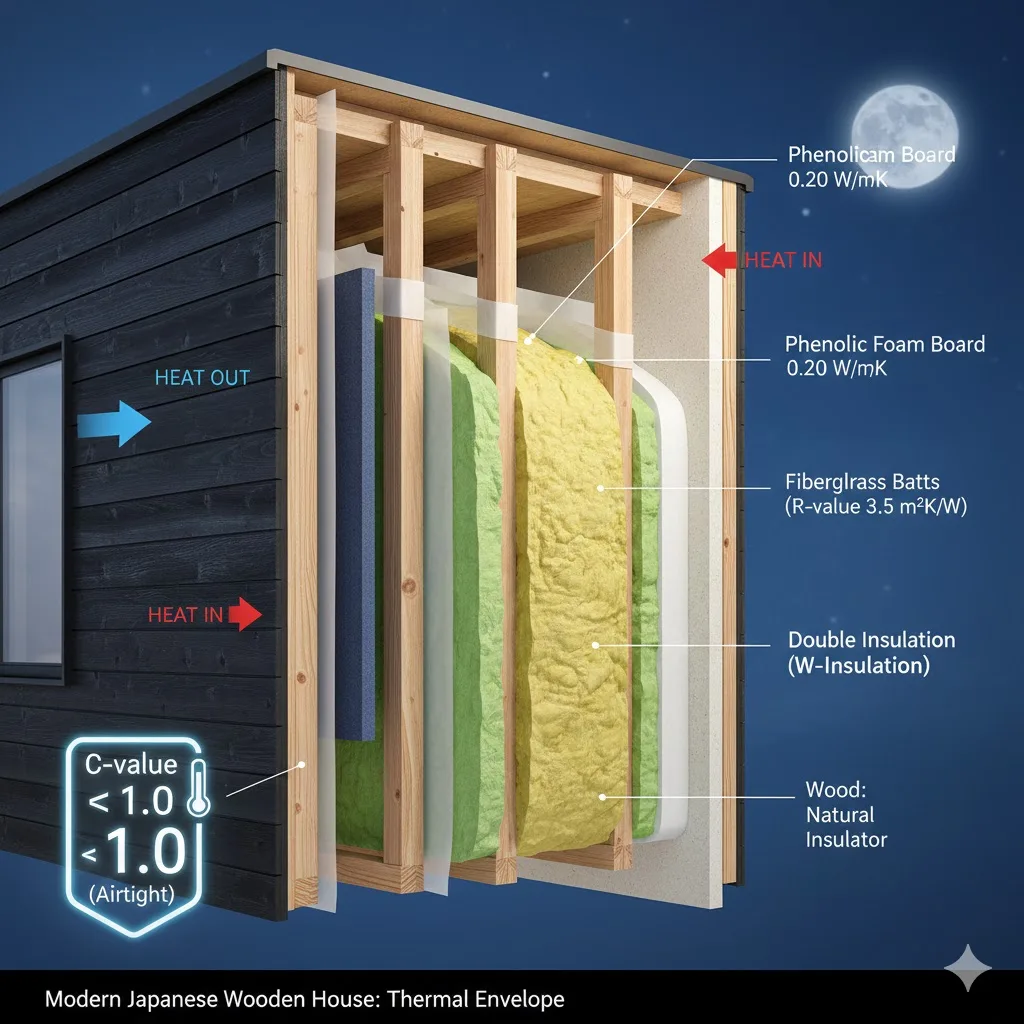
The insulation performance of wooden house Japan is defined as the structural capacity of a building to minimize heat exchange between the interior and exterior environments. This performance is quantified through the U-value (Thermal Transmittance) and the UA-value (Average Envelope Transmission Coefficient). A lower value indicates a more efficient thermal barrier. Wood is an inherently superior insulator compared to steel or concrete because of its cellular structure, which contains millions of microscopic air pockets.
Modern wooden houses utilize advanced building materials to enhance this natural property. These buildings integrate specific components into the wall cavities, such as fiberglass batts, spray polyurethane foam, and mineral wool boards. The goal is to create a continuous thermal envelope that prevents “thermal bridging,” a phenomenon where heat bypasses insulation through structural members.
Thermal comfort is maintained throughout the year if the insulation system is coupled with high-quality sealing techniques. In Japan, the industry standard for measuring airtightness is the C-value. A house with a low C-value prevents uncontrolled air leakage, which is vital for maintaining the efficiency of climate control systems. High-performance wooden houses often achieve C-values below 1.0, ensuring that the indoor air remains stable regardless of the harshness of the external weather.
The Evolution of Thermal Standards in Japanese Housing
The Japanese government has consistently updated the Building Standards Act to address energy conservation and carbon neutrality. The most significant shift occurred with the introduction of the “2013 Energy Conservation Standards” and the subsequent “2020 Standards.” These regulations mandate higher levels of thermal resistance for all new residential constructions.
When searching for an apartment for rent Japan, it is important to check the building’s completion date. Structures built after 2013 generally offer significantly better insulation than those built in the 1990s. The industry is currently moving toward the Zeh (Net Zero Energy House) standard, which requires houses to generate as much energy as they consume through high-efficiency insulation and renewable energy sources like solar panels.
Building developers now prioritize “Double Insulation” (W-Insulation). This method involves placing insulation both inside the wall studs and on the exterior of the structural frame. This approach is highly effective at blocking the intense heat of the Japanese summer and retaining warmth during the freezing winters of the Kanto and Tohoku regions.
Key Benefits of High-Efficiency Insulation for Expats
Choosing a well-insulated wooden home provides several tangible advantages that go beyond mere temperature control. These benefits are particularly important for foreigners who may be accustomed to central heating systems commonly found in North America or Europe.
Financial Sustainability and Energy Savings
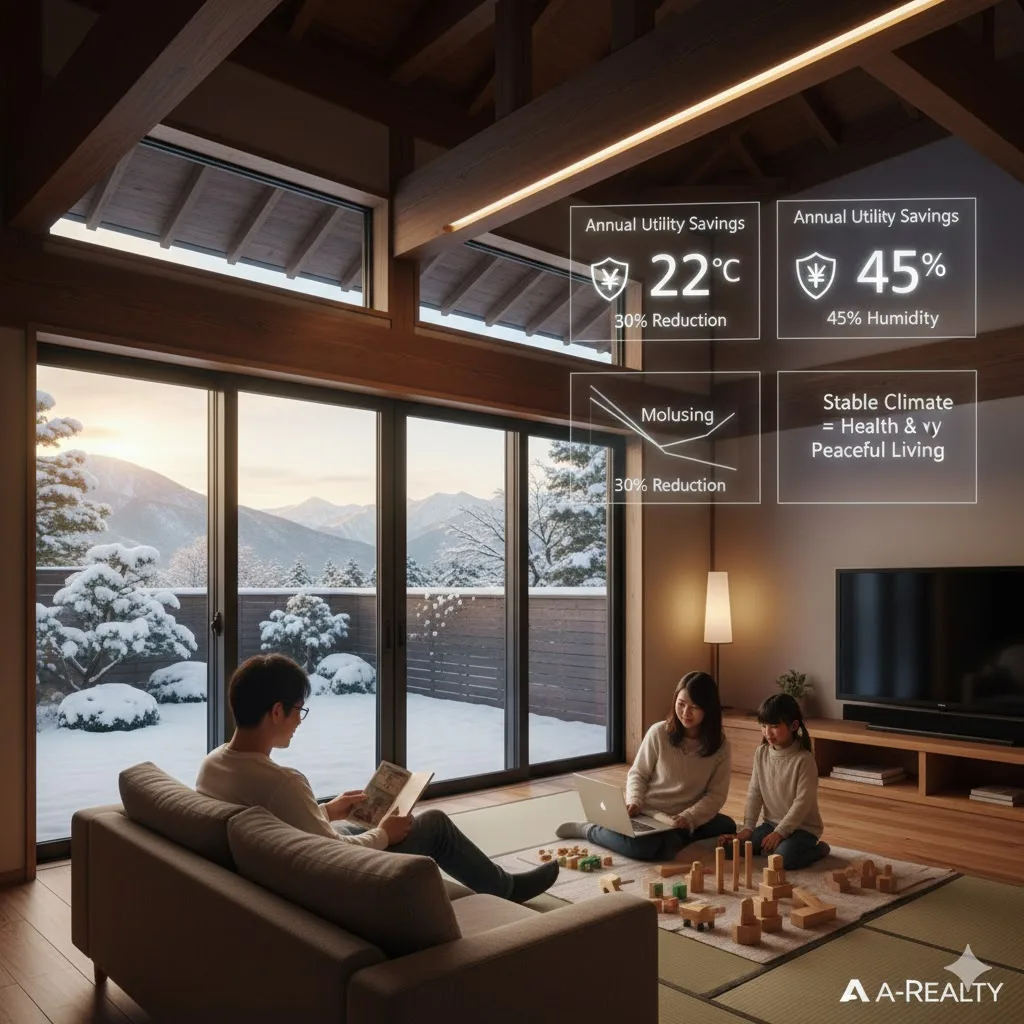
The primary advantage is the drastic reduction in utility costs. High-quality insulation allows the interior to retain heat or cold for extended periods. Your electricity bills will remain manageable even if you run the air conditioning system throughout the peak of summer. Modern wooden houses in Tokyo are designed to reduce energy consumption by up to 30% or 40% compared to traditional structures.
Structural Longevity and Moisture Control
Wood is a hygroscopic material, meaning it absorbs and releases moisture. The insulation performance of wooden house Japan is inextricably linked to moisture management. High-end insulation systems incorporate vapor barriers to prevent interstitial condensation. Condensation occurs if warm, moist indoor air hits a cold surface inside the wall. By preventing this, the building protects its structural timber from rot and decay.
Health and Wellness
A stable indoor climate is essential for preventing common respiratory ailments. Properly insulated homes maintain a consistent temperature across all rooms, including hallways and bathrooms. This prevents the “Heat Shock” phenomenon, which is a significant health risk in Japan during the winter. Furthermore, high-performance insulation serves as an excellent sound barrier, providing a quiet living environment even in dense urban centers.
Evaluating Apartments in Japan: Materials and Techniques
When you inspect apartments in Japan, you should look for specific indicators of high-quality insulation. The materials used in the walls and ceilings determine the building’s “R-value,” which measures thermal resistance.
Common Insulation Materials
Modern construction utilizes a variety of materials depending on the budget and the desired performance level.
- Cellulose Fiber: Made from recycled paper treated with fire retardants, it offers excellent gap-filling properties.
- Extruded Polystyrene (XPS): Often used in floor and foundation insulation due to its high moisture resistance.
- Phenolic Foam: Known for having one of the lowest thermal conductivity rates among all mass-produced insulation materials.
The Role of High-Performance Windows
In any wooden house, windows are responsible for approximately 50% to 70% of heat loss or gain. Therefore, the insulation performance of wooden house Japan is only as good as its glazing. Standard single-pane windows with aluminum frames are increasingly rare in new developments. Modern apartments feature:
- Low-E Glass: Coated with a microscopic layer of metal to reflect infrared heat.
- Argon Gas Filling: Inserted between double or triple panes to reduce convective heat transfer.
- Resin or Hybrid Frames: These materials do not conduct heat as easily as aluminum, preventing “sweating” or condensation on the frames.
Market Trends for Japan Tokyo Apartment Rent
The japan tokyo apartment rent market reflects a growing demand for “Green Buildings.” Tokyo is a concrete jungle that suffers from the “Urban Heat Island” effect, where buildings and roads absorb and radiate heat. In this context, a wooden apartment with superior insulation is a premium commodity.
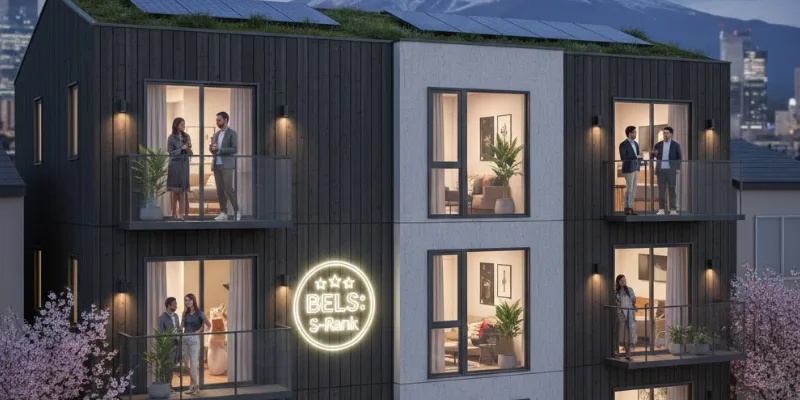
Rent prices in central districts like Minato, Shibuya, and Chiyoda are often higher for buildings that carry an “S-Rank” in the CASBEE (Comprehensive Assessment System for Built Environment Efficiency) rating. However, the investment is justified by the increased quality of life. Tenants often find that they spend less on supplemental heating devices, such as electric carpets or kerosene heaters, which are common in poorly insulated Japanese homes.
In the suburban areas of Tokyo, such as Setagaya or Nerima, newer “low-rise” wooden apartments offer a balance between traditional aesthetics and modern performance. These properties are highly sought after by expat families who require more space and a quieter environment without sacrificing thermal comfort.
Identifying Quality when Searching for Apartments in Tokyo Japan
Navigating the listings for apartments in Tokyo Japan can be overwhelming due to the sheer volume of options. To find a thermally efficient home, you must look beyond the surface-level renovations. A “newly renovated” apartment might have new wallpaper and flooring but could still possess the original, poorly insulated wall structure.
- Check the BELS Label: The Building-Energy Labeling System (BELS) provides a five-star rating based on the building’s energy efficiency. Aim for four or five stars.
- Observe the Window Type: If the apartment has thin aluminum frames and single-pane glass, the insulation performance is likely substandard.
- Inquire about the 24-Hour Ventilation: Modern, well-insulated homes are airtight, so they must have a 24-hour mechanical ventilation system to ensure fresh air. Ask if the system includes a “Heat Exchange” (Lossnay) unit.
A-Realty: Expertise in High-Performance Japanese Housing
A-Realty stands as a leader in the Japanese real estate market, specifically catering to the needs of the international community. We recognize that the insulation performance of wooden house Japan is a non-negotiable requirement for our clients. Our consultancy services go beyond simple property matching; we provide in-depth technical evaluations of every listing in our portfolio. We prioritize properties that utilize sustainable building practices and high-efficiency thermal envelopes.
Our team consists of experts who understand the complexities of the Japanese construction industry. We assist you in deciphering technical documents and energy certificates that are often only available in Japanese. Whether you are looking for a luxury villa or a modern japan tokyo apartment rent option, we ensure that your future home meets the highest international standards for comfort and efficiency.
A-Realty is committed to transparency and intellectual honesty. We provide our clients with historical data on utility costs for specific building types to help them budget effectively. Our goal is to find you a residence where you can enjoy the changing seasons of Japan without being at the mercy of the elements.
Would you like to explore our exclusive catalog of energy-efficient wooden apartments in Tokyo? Contact A-Realty today to schedule a consultation with our bilingual housing specialists.
Comparative Analysis: Wooden Houses vs. Other Structures
Many expats assume that concrete buildings (RC – Reinforced Concrete) are inherently warmer than wooden ones. This is a misconception based on thermal mass. While concrete holds heat longer, it also takes much longer to warm up. Wood, with its lower thermal conductivity, responds much faster to heating and cooling.
| Feature | Modern Wooden House | Reinforced Concrete (RC) |
| Natural Insulation | High (Warm to the touch) | Low (Cold to the touch) |
| Humidity Regulation | Excellent (Prevents dampness) | Moderate (Requires dehumidifiers) |
| Environmental Impact | Low (Carbon sequestering) | High (Carbon intensive) |
| Response Time | Fast (Heats up quickly) | Slow (Retains heat longer) |
In the context of apartments in Japan, a wooden building that has been properly insulated will often provide a “cozier” feel during the winter months. The interior surfaces of the walls remain closer to the room temperature, preventing the “chilled air” sensation that occurs when standing near a cold concrete wall.
Practical Tips for Living in a Wooden Apartment
Even the best insulation performance of wooden house Japan requires proper resident behavior to function optimally. Living in an airtight, well-insulated home is different from living in a traditional, drafty building.
- Manage the Ventilation System: Do not turn off the 24-hour ventilation system. It is designed to remove moisture and VOCs (Volatile Organic Compounds) without losing significant heat.
- Use Sun Shading: In the summer, use external shading devices to block solar radiation before it hits the glass. Examples include “Sudare” bamboo screens, exterior awnings, and heat-reflective window films.
- Monitor Internal Humidity: Wooden houses are sensitive to humidity levels. Use a hygrometer to ensure the air is not too dry in winter (which can crack wood) or too humid in summer (which promotes mold).
If you follow these practices, your apartment for rent Japan will remain a sanctuary of comfort. Modern wooden houses are designed to work in harmony with their occupants, provided the occupants understand the building’s “logic.”
The Legal Framework: Building-Energy Efficiency Act
The Japanese government has recently passed the “Building-Energy Efficiency Act,” which makes energy efficiency compliance mandatory for all new buildings by 2025. This legislation is a response to the global climate crisis and Japan’s 2050 carbon-neutral goal. It ensures that the insulation performance of wooden house Japan will continue to set new benchmarks in the global construction industry.
For renters, this means that the quality of apartments in tokyo japan will improve rapidly over the next decade. Older, inefficient stock is being gradually replaced or retrofitted with “Eco-Renovation” techniques. These renovations include injecting foam insulation into existing wall cavities and installing internal secondary windows (inner-sash).
Conclusion
The insulation performance of wooden house Japan is a sophisticated blend of traditional material wisdom and modern engineering. For any expatriate, prioritizing a home with high thermal efficiency is a decision that pays dividends in comfort, health, and financial savings. When evaluating apartments in Japan, look for high-performance glazing, low U-values, and reputable energy certifications.
The japan tokyo apartment rent market is diverse, offering everything from historic wooden structures to ultra-modern “Zeh” apartments. By utilizing the resources provided by the Ministry of Land, Infrastructure, Transport and Tourism (MLIT) and partnering with a specialized agency like A-Realty, you can navigate this market with confidence.
Modern wooden housing represents the future of sustainable urban living in Japan. These structures offer a unique combination of seismic safety, natural beauty, and world-class insulation. If you choose your next home based on the technical merits of its thermal envelope, your experience in the Land of the Rising Sun will be characterized by warmth and tranquility.

Real estate advisor at Arealty Japan, specialising in helping foreign residents navigate the Tokyo and Osaka rental markets. Lucy has guided hundreds of international renters — from Working Holiday visa holders to corporate relocations — through Japan’s apartment application process. Her writing draws on firsthand experience with landlord screening, guarantor companies, and foreigner-friendly listings across all 23 Tokyo wards and major Kansai cities.