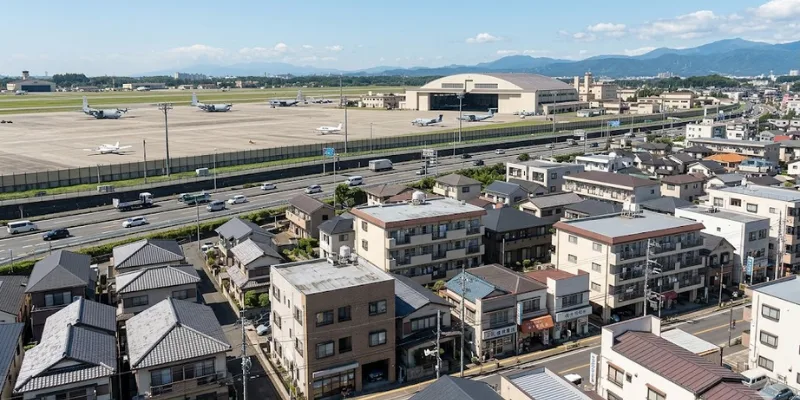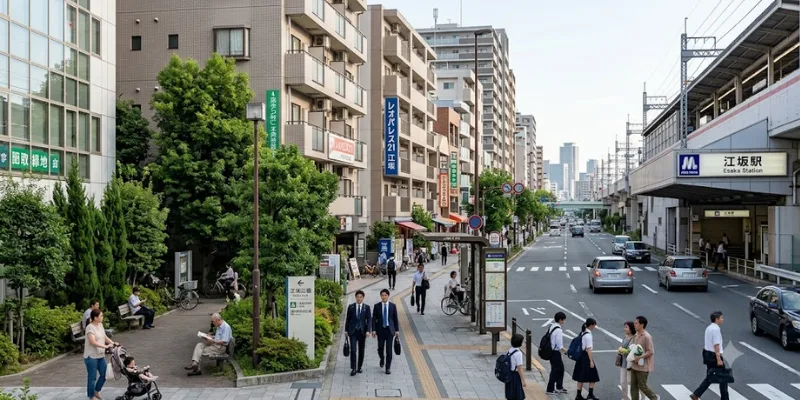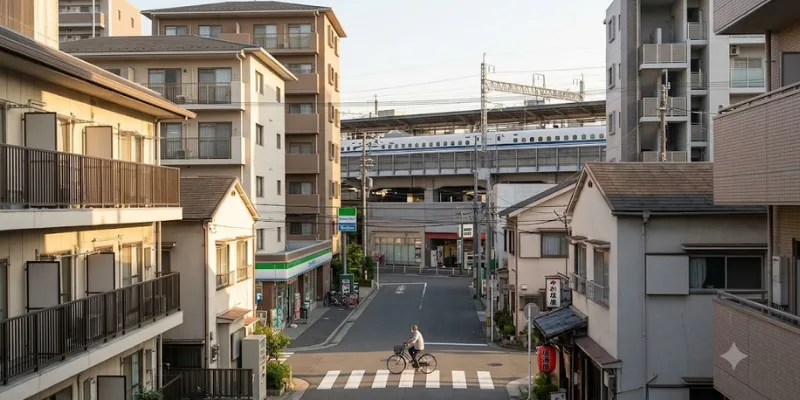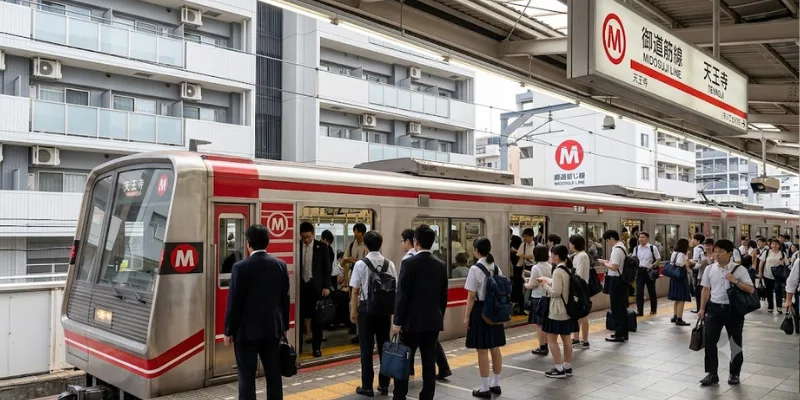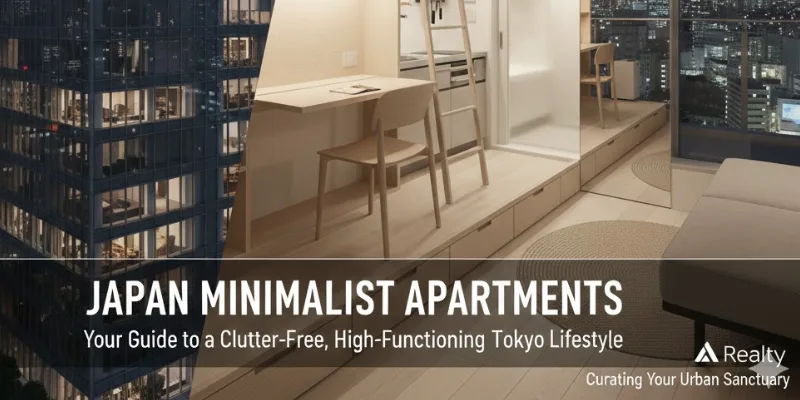

Embracing an Apartment for minimalist lifestyle in the heart of East Asia is a transformative experience that combines traditional Japanese aesthetics with modern urban efficiency. In cities like Tokyo, Osaka, and Nagoya, the concept of “living small” has been refined into an art form. This guide provides an exhaustive analysis for international residents looking to navigate the market for apartments in Japan, ensuring a seamless transition into a clutter-free, high-functioning environment.
The Japanese real estate market is unique, characterized by specific measurements like Jo (tatami mat size) and a high premium on proximity to transit. Whether you are looking for a japan tokyo apartment rent or a cozy studio in Kyoto, understanding the structural and cultural nuances of these spaces is essential for a successful residency.
Defining the Micro-Apartment Standard: Clarity in Dimensions
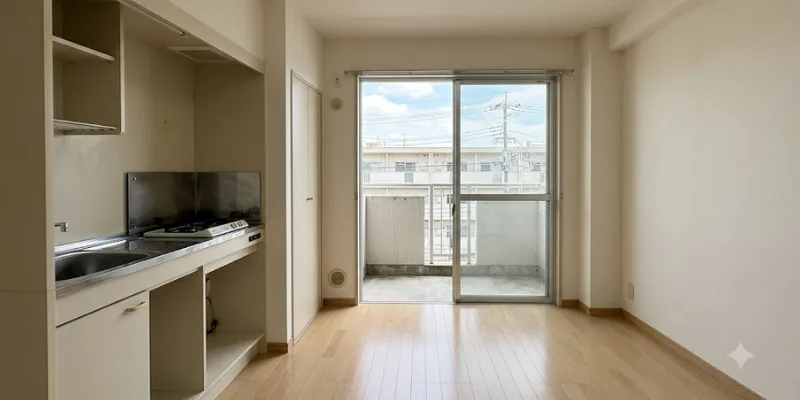
When searching for apartments in tokyo japan, the term “small” is often used, but it lacks a singular legal definition. However, in the professional real estate industry, we categorize these units based on functional thresholds. Generally, a micro-apartment refers to a living space between 10 to 15 square meters. Units that fall under 20 square meters are also frequently marketed as compact or “minimalist-friendly” properties.
It is vital to check the specific floor plan because a 12-square-meter room with a high ceiling and a loft can feel significantly more spacious than a 15-square-meter room with a low ceiling and awkward pillars. Minimalist living in Japan is about the quality of the volume, not just the area of the floor.
Architectural Characteristics of Modern Compact Units
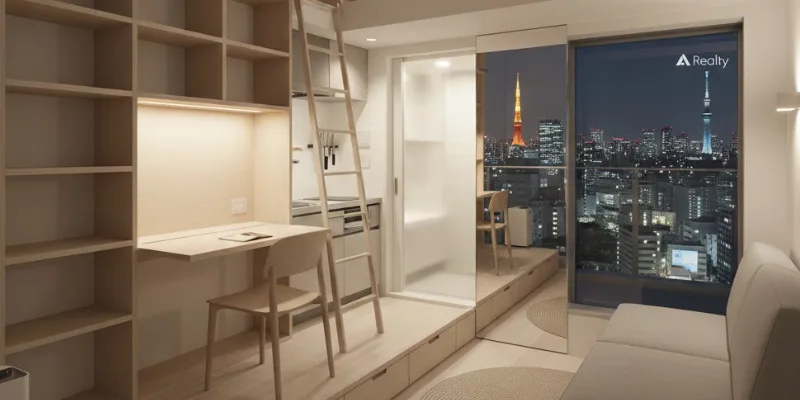
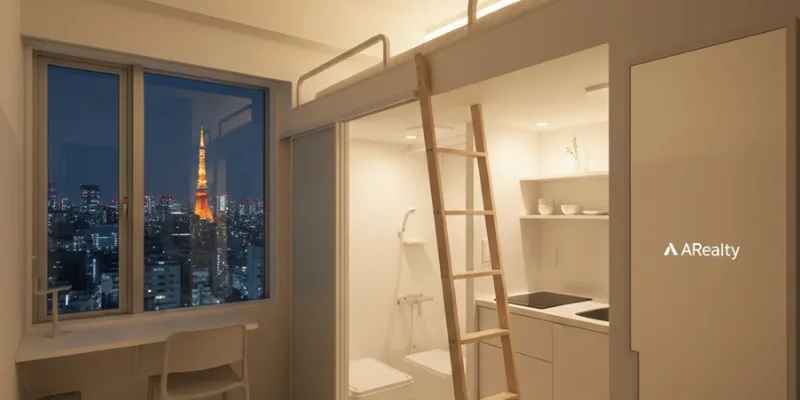
Developers of apartments for rent Japan utilize ingenious design techniques to maximize every cubic centimeter. You will frequently encounter:
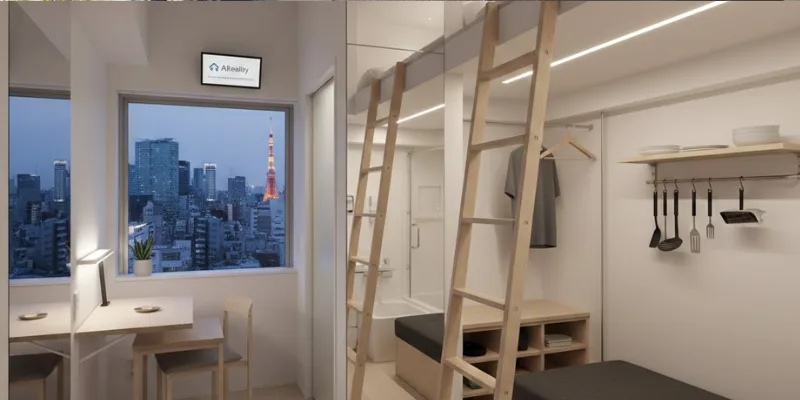
- Loft Bedrooms: By elevating the sleeping area, the floor level remains entirely dedicated to living, dining, or working.
- Modular Unit Baths: These are prefabricated, waterproof rooms that combine a toilet, sink, and bathtub/shower into one sleek, easy-to-clean unit.
- Hidden Storage: You will find storage solutions integrated into floorboards, under staircases, or within recessed wall panels.
The Strategic Advantages of a Minimalist Living Space
Choosing an Apartment for minimalist lifestyle is a deliberate choice that offers several high-value benefits. For those moving to Japan, these advantages often outweigh the limitations of size.
Financial Freedom through Lower Rent
The most compelling reason to choose a smaller unit is the cost-performance ratio. In prime districts like Minato-ku or Shibuya-ku, a standard 1K (one room + kitchen) might cost 120,000 JPY, whereas a micro-apartment in the same building might be available for 70,000 JPY. These savings can be redirected toward high-quality experiences, such as:
- Gourmet Dining: Exploring Tokyo’s Michelin-starred restaurants or local Izakayas.
- Regional Travel: Taking the Shinkansen to explore Hokkaido or Kyushu during holidays.
- Personal Development: Enrolling in intensive Japanese language courses or traditional martial arts.
Unrivaled Urban Convenience
Smaller apartments are often strategically placed in locations where land is at a premium. This means you can live within a 5-minute walk of major stations like Shinjuku, Shibuya, or Umeda. Being at the center of the action reduces commute times and puts you within reach of:
- Major Grocery Chains: Such as Seiyu, Life, or Aeon for daily necessities.
- Department Stores: Like Isetan or Mitsukoshi for high-end shopping.
- Leisure Facilities: Including gyms, cinemas, and expansive city parks like Yoyogi Park.
Ease of Maintenance and Sustainability
A smaller footprint naturally limits the accumulation of unnecessary items. This environment is perfect for those following a “one-in, one-out” rule. Furthermore, cleaning a 12-square-meter apartment takes less than 20 minutes, allowing you more time to focus on your career or hobbies. From a sustainability perspective, these units require significantly less electricity for heating and cooling, which is beneficial for both your wallet and the environment.
Overcoming the Challenges of Compact Living
While the benefits are significant, living in apartments in Japan with limited space requires proactive management and a creative mindset. Professionalism in organizing your life is the key to avoiding “room stress.”
Solving the Storage Puzzle
In a micro-apartment, traditional wardrobes are often too bulky. Residents must master “Vertical Storage” techniques. This involves using:
- Tension Poles (Tsuppari-bo): Sturdy poles that span from floor to ceiling or wall to wall to create hanging space without drilling.
- Vacuum Bags: For shrinking off-season clothing and bedding to a fraction of their original size.
- Wall-Mounted Organizers: Utilizing Pegboards or magnetic strips in the kitchen to keep counters clear.
Maintaining Privacy and Social Life
If you plan to have guests, the “studio” nature of these apartments means your bed is often visible. To maintain a professional and private atmosphere, consider:
- Privacy Screens: Lightweight Shoji style or fabric dividers that can be folded away.
- Zoning with Rugs: Using different textures to visually separate the “bedroom” from the “living room.”
- External Hosting: Japan’s culture of “third spaces” means most socializing happens at cafes, karaoke rooms, or community centers.
Climate Control in Lofted Spaces
Lofts can become heat traps during the humid Japanese summer. To ensure comfort, it is essential to use Air Circulators to push cool air upward. Many residents also use Dehumidifiers to prevent mold—a common issue in Japan—and to keep the air feeling crisp and comfortable even in small volumes.
Interior Design: The Minimalist Toolkit for Tokyo Living
To truly flourish in an Apartment for minimalist lifestyle, your interior choices must be deliberate. The goal is to create a sense of Yutori (spaciousness and ease) through visual and functional harmony.
Furniture Selection for Maximum Utility
Every piece of furniture must justify its footprint. We recommend investing in “Transformer Furniture” such as:
- Nesting Tables: A set of three tables that stack into one when not in use.
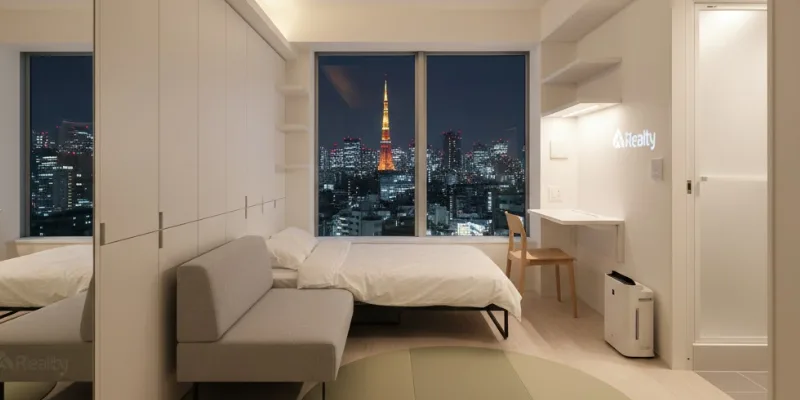
- Sofa Beds or Daybeds: Providing a seating area for guests that converts into a high-quality sleeping surface.
- Fold-down Desks: Wall-mounted units that provide a workspace but fold flat against the wall after hours.
The Power of Color and Light
To make a japan tokyo apartment rent feel larger, stick to a “Bright and Neutral” palette. Whites, light greys, and pale woods (like birch or maple) reflect light and blur the boundaries of the walls. Adding a Floor-to-ceiling Mirror opposite a window is a classic professional trick to double the perceived depth of a room.
ARealty: Your Expert Consultant in Japanese Real Estate
Navigating the search for an Apartment for minimalist lifestyle can be overwhelming for expatriates. ARealty stands as your premier partner, offering deep market insights and a bilingual bridge to Japanese landlords. We specialize in identifying high-performance units that meet the rigorous standards of modern minimalists.
At ARealty, we don’t just find you a room; we curate a lifestyle. We understand the importance of “Space Performance” (Spepa) and prioritize properties that offer the best balance of location, technology, and design.
- Verified Listings: We ensure that every apartments in tokyo japan we show meets strict safety and cleanliness standards.
- Negotiation Power: Our established relationships with management companies allow us to negotiate better terms for our clients.
- Settling-In Services: From setting up your utilities (water, gas, electricity) to explaining local trash disposal rules, ARealty is with you every step of the way.
If you are ready to secure your dream minimalist apartment in Japan, contact ARealty today. Our consultants are standing by to provide you with a curated list of properties that match your vision of a perfect home.
Essential Considerations Before Signing a Lease
Before committing to a japan tokyo apartment rent, you must conduct a thorough professional assessment of the property. Small spaces leave no room for error.
The “Initial Cost” Reality
Renting apartments in Japan involve significant upfront costs. You should be prepared for:
- Shikikin (Deposit): Usually 1-2 months of rent, used for repairs when you move out.
- Reikin (Key Money): A traditional “gift” to the landlord, typically 1 month of rent (though “Zero-Reikin” properties are becoming more common).
- Guarantor Fee: Since most foreigners require a guarantor company, this fee is usually 50% to 100% of one month’s rent.
Soundproofing and Construction Type
In compact buildings, walls can be thin. Look for RC (Reinforced Concrete) or SRC (Steel Reinforced Concrete) buildings if you value silence. Wooden (Mokuzou) or lightweight steel frame constructions are cheaper but offer less sound insulation, which can be a drawback in high-density living.
Conclusion
An Apartment for minimalist lifestyle in Japan is more than just a place to sleep; it is a gateway to a more intentional and focused way of life. By choosing a high-quality, compact unit in a prime location, you trade unnecessary square footage for time, money, and accessibility.
Living in apartments in tokyo japan offers a unique perspective on what is truly necessary for happiness. With the right furniture, a commitment to organization, and the professional guidance of a firm like ARealty, your journey into Japanese minimalism will be both rewarding and comfortable.
The city is waiting for you. Embrace the efficiency, enjoy the convenience, and discover the profound freedom that comes with living small in a grand city.

Real estate advisor at Arealty Japan, specialising in helping foreign residents navigate the Tokyo and Osaka rental markets. Lucy has guided hundreds of international renters — from Working Holiday visa holders to corporate relocations — through Japan’s apartment application process. Her writing draws on firsthand experience with landlord screening, guarantor companies, and foreigner-friendly listings across all 23 Tokyo wards and major Kansai cities.