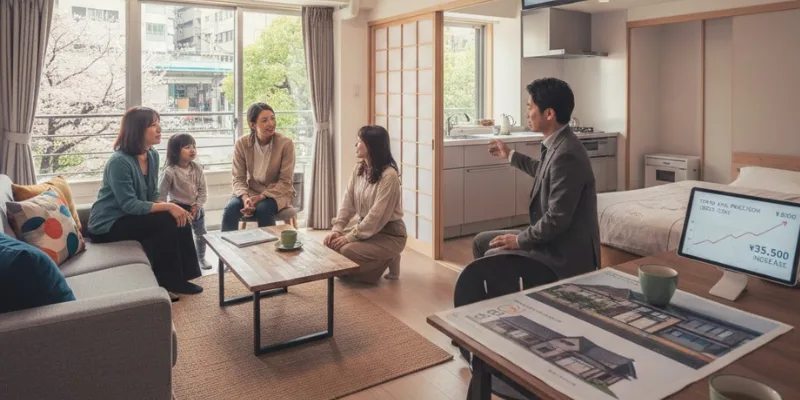

Navigating the real estate landscape in Japan requires a deep understanding of market valuation and the unique factors that influence property prices. Whether you are an investor looking at apartments in Japan or a homeowner planning to sell, understanding the “market price” is the cornerstone of a successful transaction.
This guide provides a professional analysis of the Japanese second-hand housing market, offering clarity for expatriates and international investors on how to accurately evaluate property values.
Current Market Dynamics: The Rise of the Second-Hand Property
The demand for pre-owned homes in Japan has reached a level comparable to new constructions. This shift is driven by the increasing popularity of “renovation culture,” where buyers purchase older properties at a lower entry price and customize them to modern standards. In the past, Japanese buyers prioritized new builds, but skyrocketing material costs and urban density have shifted the focus toward existing structures.
Data from the East Japan Real Estate Information Network indicates a significant upward trend in prices over the last decade. While the average floor area of traded second-hand houses has remained stable at approximately 104–106 square meters (around 31 tsubo), the average price has fluctuated by millions of yen. Since 2021, prices have surged remarkably. In the Tokyo metropolitan area, the price per square meter increased by approximately 35,500 yen between 2020 and 2021 alone.
This trend suggests that apartments in Tokyo Japan and detached houses are no longer just depreciating assets; they are becoming competitive commodities in a high-demand market. Investors should expect prices to remain elevated due to the rising costs of new construction materials and the strategic location of many older properties. For example, a house built in 2012 might now be valued higher than its original sale price due to the scarcity of land in central districts like Minato or Setagaya.
How to Price a Second-Hand House Japan: The Three Core Valuation Methods
Determining the value of a property in Japan is a structured process. Professional appraisers and real estate agencies typically employ three primary methodologies to ensure accuracy and transparency.
The Sales Comparison Approach
This is the most common method for residential properties, including apartments in Japan. It calculates the value by comparing the target property with similar units that have recently been sold in the same neighborhood. Adjustments are made based on specific characteristics such as:
- Proximity to transit: Units closer to major hubs like Shinjuku or Shibuya command higher premiums.
- Building age: Newer buildings typically have higher initial values.
- Internal condition: Properties that have undergone recent renovations often sell faster.
The Cost Approach
This method is primarily used for detached houses. It estimates how much it would cost to rebuild the structure from scratch at current prices, then subtracts the “accumulated depreciation” based on the age of the building. In Japan, wooden houses have a legal useful life of 22 years, after which the structural value often drops significantly.
The Income Capitalization Approach
If you are looking at an apartment for rent Japan as an investment, this method is vital. It calculates the property’s value based on the expected future income it will generate. This is particularly relevant for those researching Japan Tokyo apartment rent yields to determine if the purchase price justifies the potential rental return. For example:
- Yield calculation: Comparing the purchase price of 50 million yen against an annual rent of 3 million yen.
- Operating expenses: Deducting management fees, taxes, and repair reserves.
- Future vacancy risks: Factoring in the likelihood of the unit remaining empty between tenants.
Key Factors Influencing Property Valuation
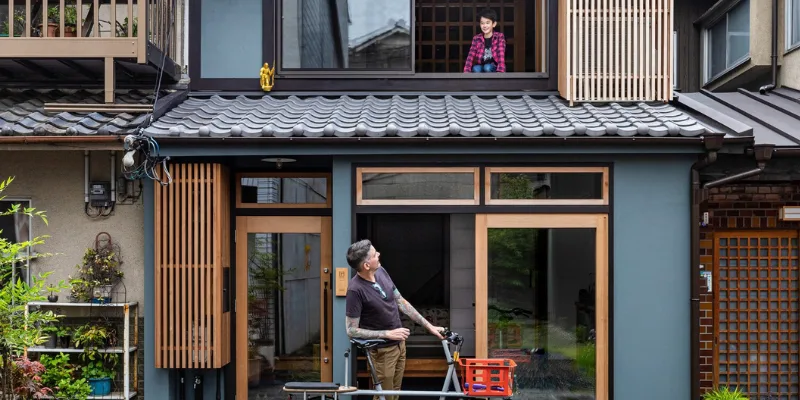
Understanding how to price a second-hand house Japan involves looking beyond the surface. Several variables can cause two seemingly identical properties to have vastly different price tags.
Building Age and Depreciation
The age of the building is perhaps the most significant factor in the Japanese market. Unlike many Western markets where old homes gain “vintage” value, Japanese structures depreciate rapidly according to the “Useful Life” tax tables.
- 0–5 Years: Prices remain high, often close to the original sale price.
- 20–25 Years: The “sweet spot” for buyers; the price has stabilized, and the risk of structural failure is still low.
- 31+ Years: The value is often attributed primarily to the land, with the building itself having negligible or zero book value.
Location and Infrastructure
The value of apartments in Tokyo Japan is heavily dictated by the “distance to station” metric. A five-minute walk versus a fifteen-minute walk can result in a price difference of several million yen. Additionally, local factors such as:
- Planned developments: Upcoming shopping malls or new train lines.
- Land quality: Soil strength and whether the area is a designated hazard zone.
- Sunlight exposure: South-facing units are highly coveted and priced higher.
Subjective Adjustments
Real estate agents may adjust prices based on the seller’s urgency or unique local advantages. For example, if a seller needs a quick transaction for an inheritance settlement, the price may be set lower than the market average. Conversely, a property located within a prestigious school district may command a “premium” regardless of the building’s age. Examples of such premium districts include:
- Azabu-Juban: Popular for its international vibe and elite amenities.
- Kichijoji: Regularly voted the most desirable neighborhood for families.
- Daikanyama: Known for its boutique lifestyle and architectural significance.
Detailed Pricing Tiers by Age
According to data from the East Japan Real Estate Information Network, the average closing prices vary dramatically based on the year of construction.
| Age Category | Average Closing Price (Million Yen) | Typical Condition |
| 0-5 Years | 48.21 | Pristine, modern energy efficiency |
| 11-15 Years | 44.36 | Slight wear, minor equipment updates needed |
| 21-25 Years | 39.55 | Value stabilized, ideal for renovation |
| 31+ Years | 23.45 | Primarily land value, likely needs overhaul |
This data illustrates that a building over 30 years old is roughly half the price of a building under 5 years old. For expatriates looking for apartments in Japan, this represents a significant opportunity to acquire property in premium locations at a fraction of the “new build” cost, provided they are willing to invest in modernizing the interior.
Strategies for Selling at the Highest Price
If you own a property and wish to sell, you must differentiate your listing in an increasingly crowded market. Merely listing a property “as-is” may lead to a lower valuation. To maximize value, consider Design-Led Renovations. Improving the “first impression” through modern interior aesthetics is often more cost-effective than installing expensive high-tech equipment that may become obsolete.
Potential buyers of apartments in Tokyo Japan are often looking for a lifestyle, not just a structure. Providing a comprehensive maintenance log can also increase buyer confidence. Sellers should document all repairs, roof inspections, and termite treatments. This transparency reduces the perceived risk for the buyer, allowing the seller to maintain a price closer to the top of the market range. Specific examples of value-adding documentation include:
- Structural Integrity Certificates: Proof that the building meets 1981 earthquake resistance standards (Shin-Taishin).
- Warranty Information: Remaining coverage for water heaters, AC units, or structural waterproofing.
- Utility History: Clear records of monthly costs for electricity and water to help buyers plan their budget.
ARealty: Your Trusted Partner in Japanese Real Estate
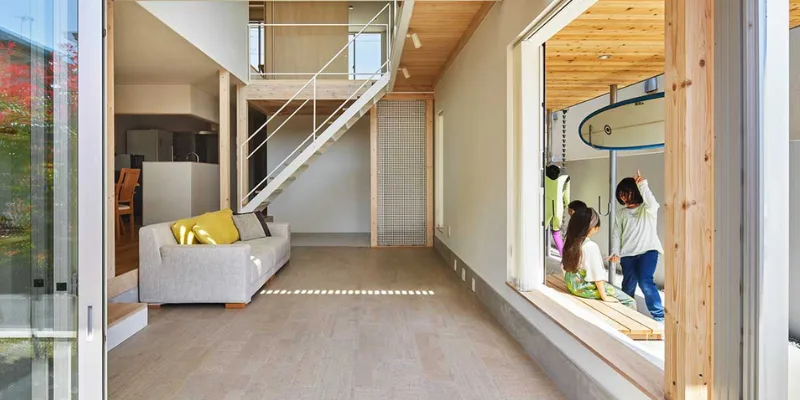
Navigating the complexities of how to price a second-hand house Japan is significantly easier with expert guidance. ARealty specializes in bridging the gap between international expectations and the Japanese market’s unique nuances.
Our team understands that for foreigners, the process of finding apartments in Japan can be daunting due to language barriers and different legal standards. ARealty offers a “One-Stop Renovation Service” that streamlines the entire journey from purchase to move-in.
Why Choose ARealty?
- Property Sourcing: We access off-market listings and provide deep-dive analysis into the history of apartments in Tokyo Japan.
- Financial Planning: We assist in navigating Japanese bank loans, helping you understand how much you can borrow based on your residency status.
- Professional Valuation: Our experts provide an accurate market analysis to ensure you do not overpay for a second-hand property.
- Customized Renovations: We transform old structures into modern living spaces that rival new constructions in quality and aesthetic.
If you are a property owner looking to exit the market, our “Home Pass” service provides expert consultation on how to prepare your house for sale. We analyze the current Japan Tokyo apartment rent market to determine if you should sell now or lease your property for a steady return.
If you are ready to begin your search or need a professional appraisal, would you like us to schedule a consultation to discuss your specific property goals?
How to Independently Verify Market Prices
You do not have to rely solely on agent quotes. Several resources allow you to cross-reference data to ensure you are getting a fair deal.
Official Government Databases
The Ministry of Land, Infrastructure, Transport and Tourism (MLIT) provides a “Real Estate Transaction Price Information” search. This database allows you to see actual transaction prices for various property types. Because the data is based on official surveys, it provides high-level accuracy regarding:
- Total Transaction Amount: The final price agreed upon by both parties.
- Land Area vs. Floor Area: Understanding the ratio of building to plot size.
- Construction Material: Whether the building is RC (Reinforced Concrete), Steel, or Wood.
RAINS (Real Estate Information Network System)
While full access to RAINS is restricted to licensed brokers, “RAINS Market Information” provides a public-facing version. This data is highly accurate as it is based on mandatory reporting by real estate professionals. It is an excellent tool for checking the average closing prices of apartments in Tokyo Japan over the last year.
Navigating the Rental Market: A Guide for Expats
For many, the first step into Japan is through an apartment for rent Japan. Understanding rental pricing is equally important as it dictates your cost of living and potential investment returns.
Understanding “Japan Tokyo Apartment Rent” Structures
Rental prices in Tokyo are influenced by more than just the monthly fee. When evaluating a rental contract, you must account for:
- Reikin (Key Money): A non-refundable “gift” to the landlord, typically 1–2 months’ rent.
- Shikikin (Deposit): A refundable deposit used for cleaning or repairs upon moving out.
- Kanri-hi (Management Fee): A monthly cost for building upkeep and common areas.
Regional Price Variations
The cost of apartments in Tokyo Japan varies significantly by Ward.
- Central 5 Wards (Chuo, Minato, etc.): Expect high demand and premium pricing for even small studio units.
- Outer Wards (Nerima, Edogawa): More space for your money, ideal for families seeking a quiet environment.
- Suburban Hubs (Hachioji, Machida): Significant discounts available, though commuting times to central Tokyo will increase.
Conclusion
Mastering how to price a second-hand house Japan is a strategic necessity for anyone entering this unique market. By understanding depreciation cycles and leveraging professional valuation methods, you can secure a property that offers both comfort and long-term value. Success in this market is not just about finding the lowest price, but about finding the highest value relative to the building’s potential and location.
Whether you are exploring apartments in Japan for investment or seeking a permanent home, the key is to balance historical data with future potential. Always prioritize properties that have been well-maintained and are located within walking distance of reliable transportation hubs.

Real estate advisor at Arealty Japan, specialising in helping foreign residents navigate the Tokyo and Osaka rental markets. Lucy has guided hundreds of international renters — from Working Holiday visa holders to corporate relocations — through Japan’s apartment application process. Her writing draws on firsthand experience with landlord screening, guarantor companies, and foreigner-friendly listings across all 23 Tokyo wards and major Kansai cities.