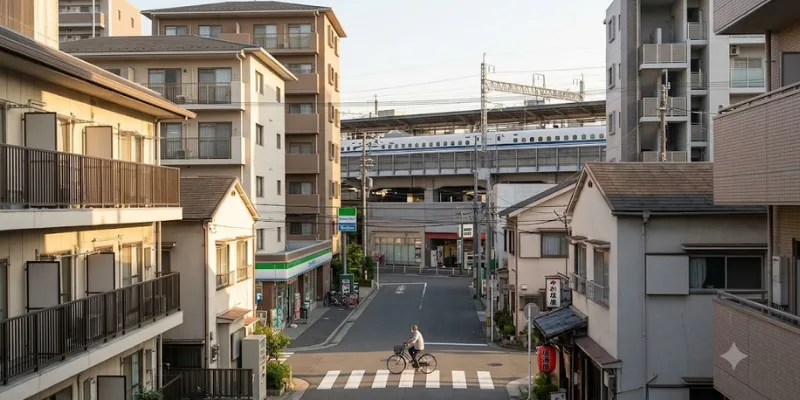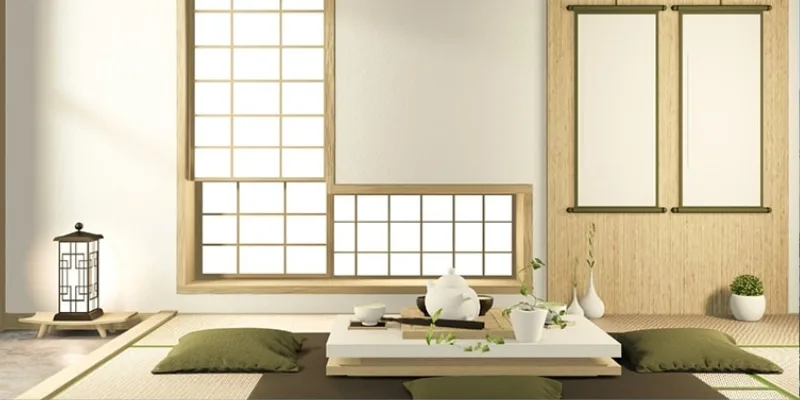

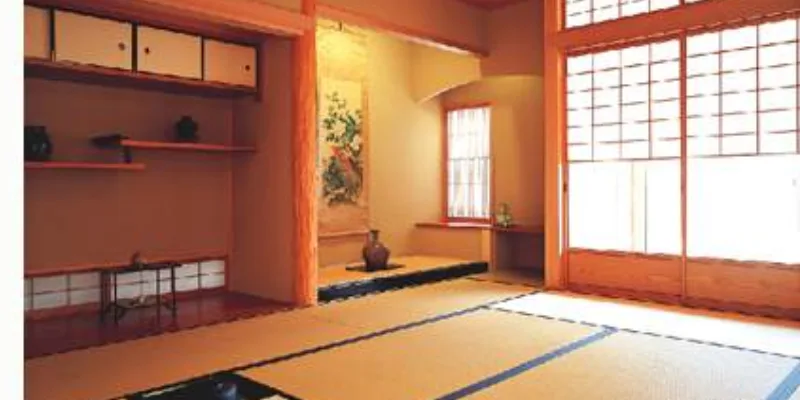
Finding the perfect apartment for rent in Japan often involves a unique cultural crossroads: the choice between a fully Westernized layout and one that includes a traditional washitsu (Japanese-style room). For many expats moving to Tokyo or Osaka, the sight of green straw mats can feel intimidating or dated. However, the modern tatami room has undergone a significant evolution, blending ancient Japanese wisdom with contemporary aesthetics like “Japandi” or minimalist chic.
What Defines a Modern Tatami Room ?
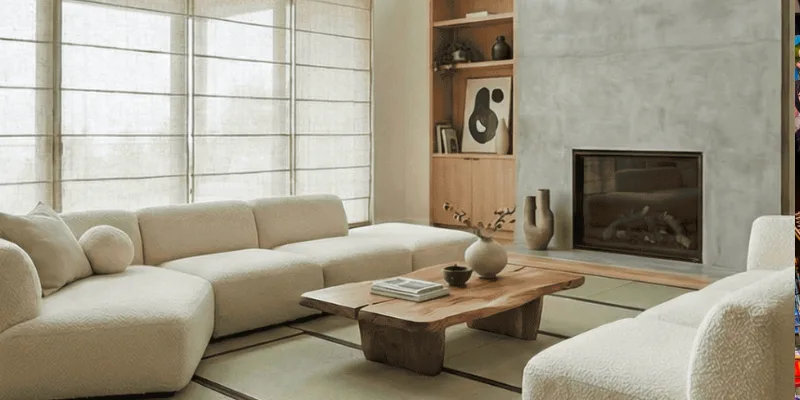
A modern tatami room is a fusion space that retains the organic textures of traditional Japanese flooring while incorporating Western furniture, neutral color palettes, and smart lighting. Unlike the formal guest rooms of the past, these spaces are designed for daily utility, serving as home offices, yoga studios, or cozy lounges.
The hallmark of this style is the “縁なし畳” (en-nashi tatami) or borderless mats. These square-shaped mats create a clean, grid-like appearance that complements minimalist furniture. When searching for apartments in Tokyo Japan, you will find that many renovated units now utilize these borderless mats in shades of charcoal, mocha, or indigo, moving far beyond the standard olive green.
The versatility of these rooms allows them to transform throughout the day. A space that functions as a bright, airy playroom in the afternoon can easily become a serene, candle-lit bedroom by night. This adaptability is essential for maximizing the square footage of japan tokyo apartment rent options, where space is often at a premium.
Overcoming Common Misconceptions About Tatami
Many international residents hesitate to choose apartments in Japan with washitsu due to concerns about hygiene or maintenance. Most of these fears stem from outdated information regarding older construction methods. Modern technology has significantly improved the durability and cleanliness of tatami mats.
Myth 1: Tatami is Difficult to Clean
In reality, daily maintenance is straightforward and requires no specialized equipment. You can maintain a pristine floor by simply using a vacuum cleaner following the direction of the weave. For deeper cleaning, a dry or tightly wrung-out cloth is sufficient to remove surface dust.
Myth 2: Concerns Regarding Allergies and Pests
Modern manufacturing processes have addressed concerns regarding dust mites or mold. Many apartments in Japan managed by reputable entities like UR Housing now feature synthetic resin or paper-based tatami. These materials are highly resistant to moisture and pests while maintaining the soft feel of natural “igusa” (rush grass).
Myth 3: Tatami is Not Compatible with Furniture
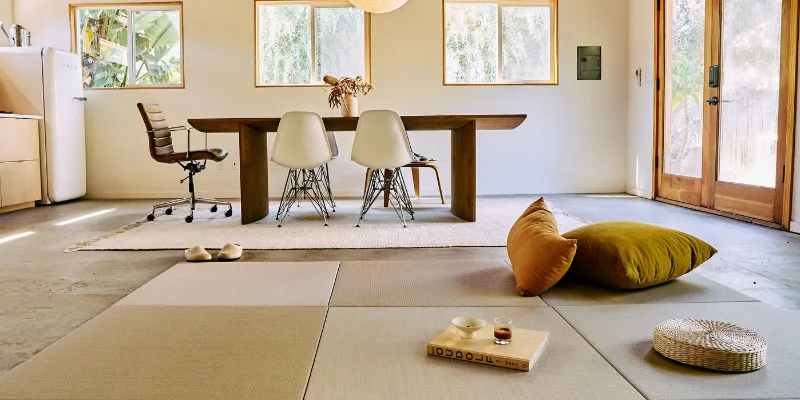
It is a common error to think you cannot use furniture in a washitsu. While heavy, sharp-edged legs can dent the mats, you can easily protect the flooring using stylish rugs, protective floor pads, or furniture with wide base rails. Low-profile furniture actually enhances the sense of space in a modern tatami room.
Why Modern Tatami is Ideal for Expats in Japan
Choosing an apartment for rent in Japan with at least one tatami room provides several functional advantages that Western-style flooring cannot match. These benefits are particularly valuable for professionals and families navigating life in a new country.
1. Superior Natural Insulation and Comfort
Tatami mats act as a natural thermal insulator, keeping the room cool in the humid Japanese summer and warm during the winter. The porous structure of the rush grass (or its modern equivalents) regulates humidity by absorbing excess moisture from the air. This creates a breathable environment that feels noticeably fresher than rooms with synthetic carpets or laminate flooring.
2. Multi-Functional Living Spaces
The greatest asset of a tatami room is its flexibility. In a japan tokyo apartment rent scenario where you might be living in a 1LDK or 2LDK, having a room that serves multiple purposes is a massive advantage. You can use this space for:
- A dedicated wellness area: The natural cushioning of tatami makes it an excellent surface for yoga, meditation, or stretching without the need for thick rubber mats.
- A guest sanctuary: When friends or family visit, a tatami room transforms into a comfortable guest suite by simply laying out a high-quality futon.
- A quiet home office: The acoustic properties of the straw mats help dampen sound, creating a focused environment for remote work.
3. Safety for Families
For expats moving to Japan with young children, tatami provides a built-in safety net. The soft, impact-absorbing surface reduces the risk of injury during the inevitable trips and falls of toddlers. Furthermore, the acoustic insulation properties help muffle the sound of footsteps and playing, which is a vital consideration when living in high-density apartments in Tokyo Japan to maintain good relations with neighbors.
Designing Your Modern Tatami Room: Style Tips
Creating a modern tatami room requires a balance of textures and heights. To achieve a professional look, focus on the “low-living” concept, which emphasizes furniture that sits closer to the floor to maintain the room’s open sightlines.
- Integrate Natural Materials: Enhance the organic feel of the tatami by adding furniture made of light oak, walnut, or rattan. For example, a low-slung wooden coffee table or a set of woven storage baskets can bridge the gap between traditional and modern styles.
- The Japandi Aesthetic: This trend combines Japanese minimalism with Scandinavian functionality. You can achieve this by pairing your tatami with a neutral color palette of whites, creams, and soft greys. Adding a sleek, mid-century modern lounge chair or a minimalist floor lamp creates a sophisticated “Japandi” vibe.
- Textiles and Accents: Soften the geometry of the mats with high-quality textiles. Consider placing a geometric-patterned rug over a portion of the tatami or using linen curtains to filter the light. These elements add layers of warmth and personality to the room.
Finding Quality Housing with ARealty
If you are looking for the best apartments in Japan that offer both modern convenience and traditional charm, ARealty is the premier choice for expats. UR is a semi-public housing provider that manages hundreds of thousands of units across the country, specializing in high-quality, spacious living environments.
ARealty stands out because it eliminates many of the financial and bureaucratic hurdles that usually accompany japan tokyo apartment rent. Their system is designed to be accessible and fair, making them a favorite among the international community.
The benefits of choosing ARealty include:
- Zero Hidden Costs: There are no key money (reikin), agency fees, or renewal fees. This can save you thousands of dollars in upfront costs compared to private rentals.
- No Guarantor Required: Most private rentals require a Japanese guarantor or a costly guarantee company. UR removes this barrier, allowing for a much faster and simpler application process.
- Renovated Interiors: Arealty frequently updates their older buildings with “MUJI x Arealty” collaborations or modern renovations that feature beautiful modern tatami room designs, blending heritage with 21st-century comfort.
Whether you are looking for apartments in Tokyo Japan near the central business districts or a quiet suburban retreat, ARealty provides well-maintained properties that undergo rigorous cleaning and inspection before every new tenant moves in. If the tatami is worn, they often replace it with fresh mats, ensuring you start your new life in Japan with a clean and fragrant home.
The Practical Side of Tatami: Maintenance and Longevity
To ensure your modern tatami room stays beautiful for years, a small amount of preventative care goes a long way. Understanding the lifecycle of a tatami mat will help you manage your apartment for rent in Japan more effectively.
- Moisture Management: Japan can be very humid, especially during the rainy season in June. It is essential to use the “dry” setting on your air conditioner or open the windows frequently to prevent moisture from becoming trapped in the mats.
- Dealing with Spills: If you spill a liquid on the mats, blot it immediately with a dry cloth. Avoid rubbing, as this can push the liquid deeper into the fibers. For stubborn stains, a mixture of mild vinegar and water can often lift the mark without damaging the material.
- Sunlight Protection: While natural light is beautiful, constant direct sunlight can cause the green igusa fibers to fade to a golden yellow over time. Many people actually prefer this aged look, but if you want to maintain the original color, use sheer curtains or blinds during the peak sun hours.
Real-Life Examples of Modern Tatami Use Cases
To visualize how a modern tatami room fits into your life, consider these three practical applications currently popular among expats living in apartments in Japan:
- The Home Library and Tea Nook: Use the tatami room as a screen-free zone. Install low bookshelves along one wall and place a “zaisu” (floor chair) with back support. This creates a dedicated space for reading and enjoying Japanese green tea, providing a mental break from the high-tech urban environment of Tokyo.
- The Creative Studio: For artists or photographers, the flat, wide surface of a tatami room is perfect for laying out large projects. The soft lighting often found in these rooms, filtered through “shoji” (paper screens), provides a consistent and flattering light source for creative work.
- The Luxury Bedroom: Instead of a bulky Western bed frame, use a low-profile platform bed. This maintains the traditional aesthetic while providing the ergonomic benefits of a modern mattress. The combination of the straw scent and the minimalist environment often leads to better sleep quality.
Conclusion
Embracing a modern tatami room is one of the most rewarding parts of living in apartments in Japan. It is a design choice that offers unparalleled flexibility, comfort, and a deep connection to Japanese culture. By choosing a reputable provider like ARealty, you can find a high-quality apartment for rent in Japan that combines these traditional elements with the modern amenities required for a busy lifestyle.
Whether you are searching for apartments in Tokyo Japan or looking further afield, don’t shy away from the washitsu. With the right furniture and a basic understanding of care, your tatami room will become the most cherished part of your Japanese home.

Real estate advisor at Arealty Japan, specialising in helping foreign residents navigate the Tokyo and Osaka rental markets. Lucy has guided hundreds of international renters — from Working Holiday visa holders to corporate relocations — through Japan’s apartment application process. Her writing draws on firsthand experience with landlord screening, guarantor companies, and foreigner-friendly listings across all 23 Tokyo wards and major Kansai cities.