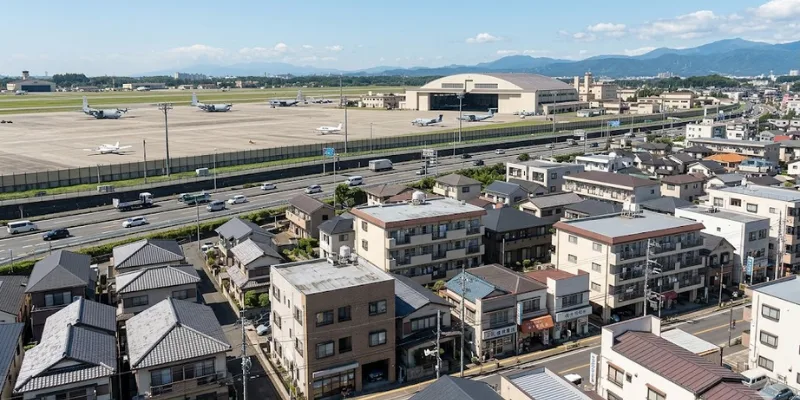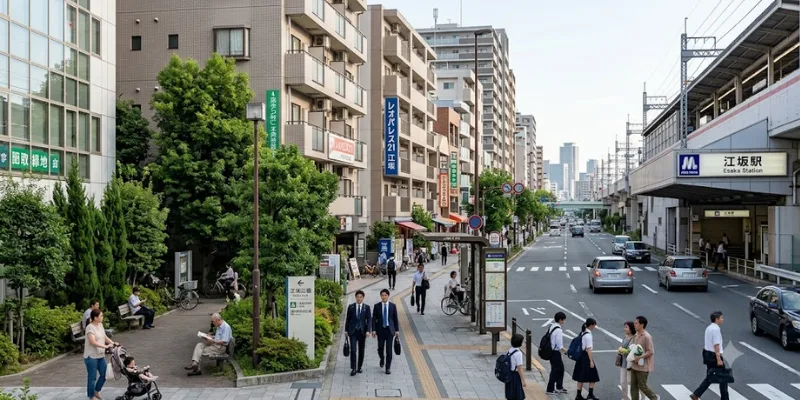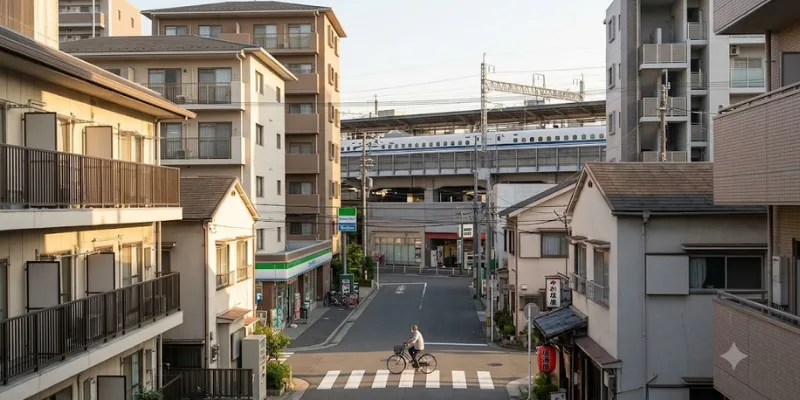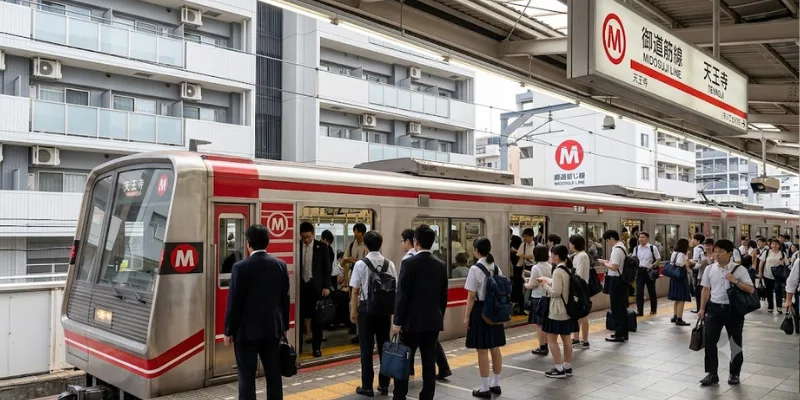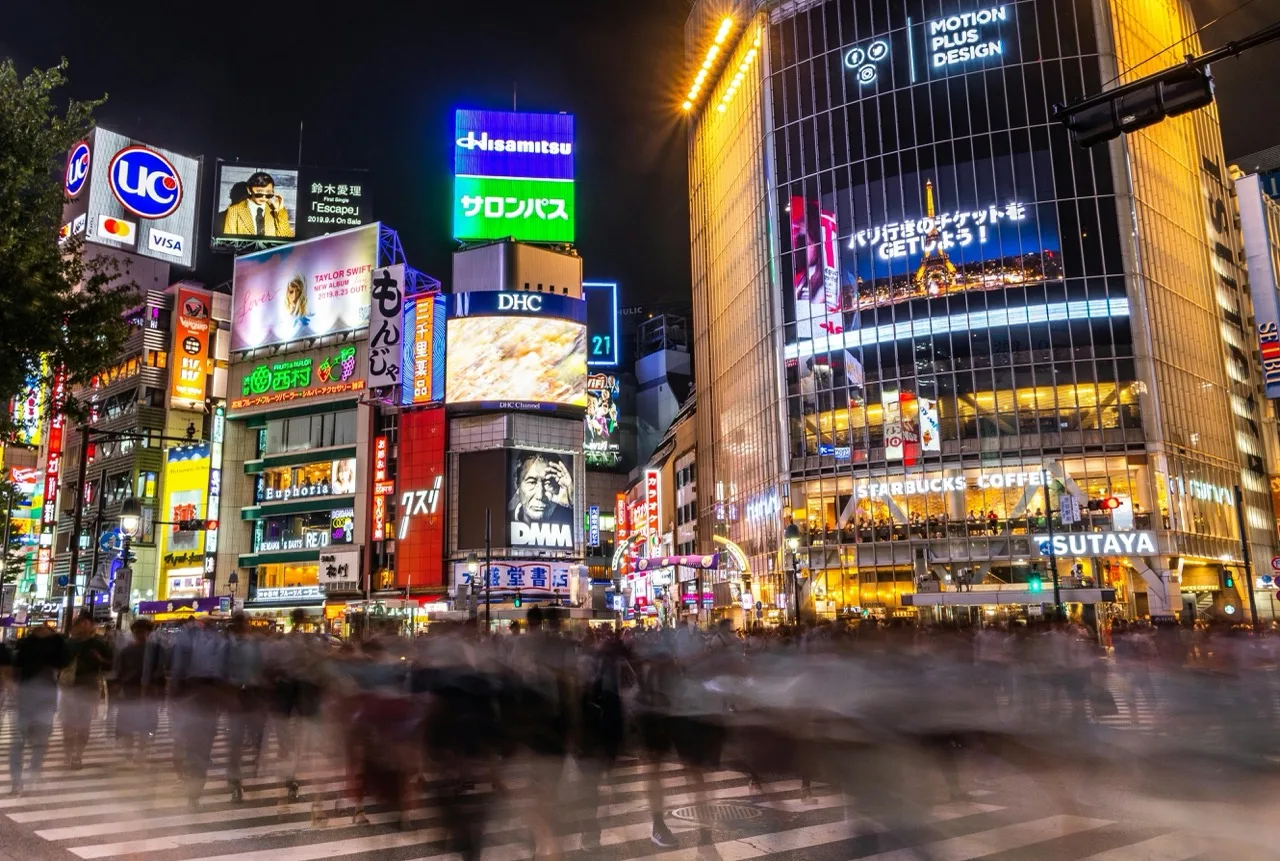

Shibuya City is the premier destination for tech careers, world-class connectivity, and a high quality of life. As the heart of Tokyo’s “Bit Valley,” it’s a global hub for innovation and startups — the top choice for tech entrepreneurs and creative professionals. Beyond the famous scramble crossing, Shibuya City offers a major logistical advantage: it borders prestigious districts like Shinjuku and Minato, while offering residential enclaves that blend traditional charm with modern sophistication.
By choosing to live in Shibuya City, you aren’t just selecting a location. You’re accessing a comprehensive support system built for international residents:
Inclusive Community: A local government and environment that actively supports a diverse, global population
Lifestyle Excellence: Proximity to world-class dining, lush parks, and a thriving creative culture
Elite Connectivity: Effortless commutes via Shibuya Station to every major Tokyo hub
Diverse Living: A mix of high-energy urban centers and serene residential retreats like Hiroo and Shoto
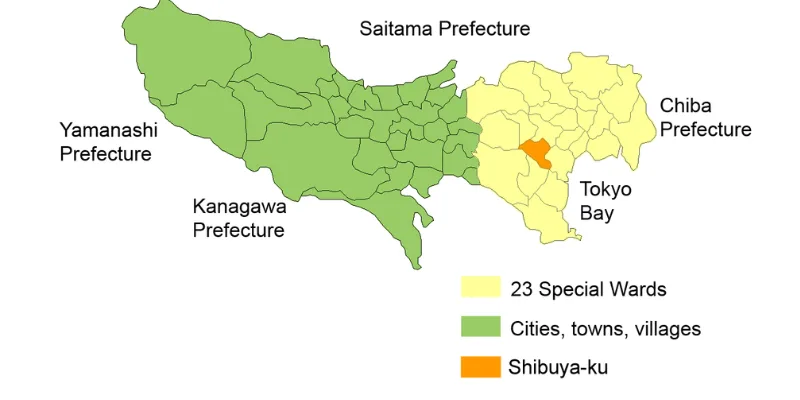
Understanding the Neighborhood: Key Data and Demographics
To understand the scale of Shibuya City, look at the 2026 statistics. It covers a manageable 15.11 square kilometers, and despite its central location, it never feels overly cramped. There’s a significant international presence here: over 11,000 foreign residents call this ward home. That diversity shows up in the local services and shops.
Shibuya City is a core member of Tokyo’s “5 central wards,” a group that also includes Chiyoda and the historic Chuo. These districts are known for high property values and elite infrastructure. Investing in real estate here offers strong asset potential, and market demand remains consistently strong year after year.
| Category | Data Point (2026) |
|---|---|
| Total Area | 15.11 km² |
| Total Population | 244,372 |
| Population Density | 15,262 / km² |
| Foreign Residents | 11,458 |
Unrivaled Connectivity: Major Stations and Access
The transport network in Shibuya City is truly world-class. Shibuya Station serves as a massive multi-modal hub, connecting JR lines, Tokyo Metro, and several private railways. You can reach almost anywhere in Tokyo without a transfer. For those seeking the best neighborhoods to live in Tokyo, proximity to these hubs is a major factor.
Stations like Ebisu and Omotesando offer slightly different vibes. Ebisu is ideal if you rely on the JR Yamanote Line, which loops directly around the city’s major centers. Omotesando caters to Metro-line commuters heading into business districts. Daikanyama and Nakameguro give stylish access to the southern suburbs. Each station acts as a gateway to its own micro-neighborhood, so you can choose a home based on your specific commuting needs.
Average Travel Times from Shibuya Station (2026)
| From / To | Shinjuku | Tokyo | Ikebukuro | Shinagawa | Akihabara |
|---|---|---|---|---|---|
| Shibuya | 7 min | 17 min | 11 min | 12 min | 23 min |
| Ebisu | 9 min | 19 min | 13 min | 10 min | 25 min |
| Omotesando | 9 min | 16 min | 15 min | 16 min | 26 min |
| Daikanyama | 10 min | 22 min | 18 min | 14 min | 28 min |
A Cultural Bridge: Daily Life for Foreign Residents
Living abroad can be challenging without the right support. Shibuya City excels at making foreign residents feel comfortable. The City Office provides extensive multilingual support services, covering everything from resident registration to healthcare. This removes much of the stress new arrivals face with language barriers.
The area is also home to excellent medical facilities. The Japanese Red Cross Medical Center in Hiroo is a prime example, offering comprehensive emergency and specialized care. Many doctors and staff there are fluent in English.
Education and International Schools
For families, Shibuya City offers some of the best international schools in Japan:
- Aoba-Japan International School: Offers the prestigious IB program at its Shibuya campus
- United School of Tokyo: A multicultural environment for students aged 3 to 14
- Shibuya International School: Comprehensive programs from early childhood through middle school
Shopping and Dining with a Global Twist
Shibuya City’s food scene is incredibly diverse — you’ll find everything from Michelin-starred sushi to global street food. For home cooking, Seijo Ishii is a local favorite for high-quality imported goods, stocking a wide range of European cheeses and American snacks. Barbacoa Grill Shibuya serves authentic Brazilian churrasco. Kaikaya by the Sea fuses Japanese seafood with international technique. MEGA Don Quijote covers affordable daily essentials.
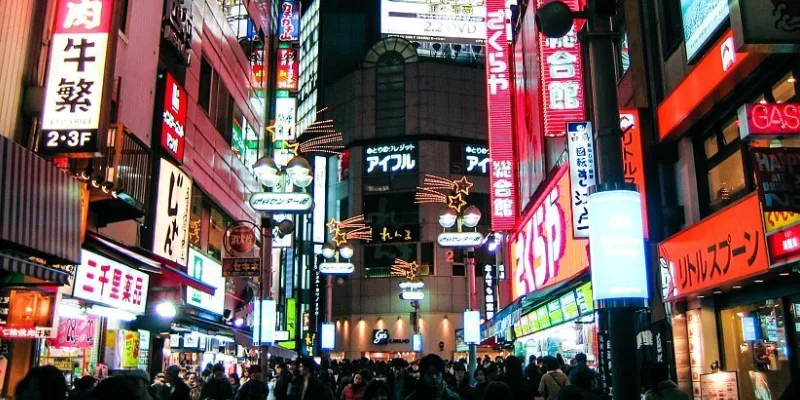
The Popular Neighborhoods of Shibuya City
Every corner of Shibuya has its own distinct personality. You can choose a neighborhood that matches your lifestyle. Whether you want high-fashion or quiet residential streets, it is all here. The variety is what makes this ward so appealing. It offers a “village” feel within a massive metropolis.
- Ebisu: A sophisticated area known for its vibrant dining scene. It is highly popular among young working professionals.
- Hiroo: An upscale, quiet enclave that feels very international. It is home to many embassies and lush parks.
- Daikanyama: Often called the “Brooklyn of Tokyo” for its trendy boutiques. It offers a relaxed, high-quality lifestyle.
- Omotesando: The center of Tokyo’s high fashion and architectural beauty. The streets are lined with zelkova trees and luxury brands.
- Shoto: One of Tokyo’s most exclusive and private residential areas. It features large homes and a tranquil atmosphere.
- Yoyogi: Located next to the massive Yoyogi Park, ideal for families. It offers plenty of green space for weekend activities.
If you are moving with a family, consider a 2 bedrooms apartment in Shibuya Tokyo. Areas like Hiroo or Yoyogi provide the space you need. These neighborhoods offer a sense of community that is rare in big cities. You will find local festivals and friendly neighbors in these pockets. It is a side of Tokyo that many tourists never see.
Analyzing the 2026 Housing Market
The real estate market in Shibuya City is robust and high-value, with prices showing significant growth over the last five years. Redevelopment projects around the main station continue to drive demand. This makes the area attractive for both renters and investors. Prices run above the city average, but you’re paying for location, convenience, and prestige. The pre-owned condominium market is particularly strong, with many older buildings renovated to modern luxury standards.
Average Monthly Rent by Layout (2026)
| Layout | Average Rent (JPY/month) |
|---|---|
| Studio (1R/1K) | ¥130,300 |
| 1 Bedroom (1LDK) | ¥229,700 |
| 2 Bedrooms (2LDK) | ¥481,200 |
| 3 Bedrooms (3LDK+) | ¥699,500 |
Source: Hato Mark Site (Zentakuren), data updated as of April 2026.
Property Purchase Prices (2026)
| Property Type | Average Price (JPY) |
|---|---|
| Apartment (70m²) | ¥112,250,000 |
| Single-Family Home (100m²) | ¥168,360,000 |
Many international buyers looking for popular areas to live in Tokyo with strong growth put Shibuya City at the top of that list. The combination of limited land supply, constant redevelopment, and steady demand from both renters and buyers is what keeps Shibuya City prices resilient even in years when other wards soften. For renters, that same dynamic means good units move fast — a strong reason to work with an agent who can flag new Shibuya City listings the moment they appear rather than checking portals manually.
Renting vs. Buying in Shibuya City
Most foreign residents start in Shibuya City as renters. That’s usually the right call for the first year or two. Renting gives you the flexibility to test a specific neighborhood before committing long-term — Ebisu’s corporate calm, Daikanyama’s boutique quiet, or Yoyogi’s family-friendly green space. It also avoids the financing hurdles that non-permanent residents often face when applying for a Japanese mortgage.
Buying becomes attractive once you have permanent residency and a stable income history in Japan. At that point, it mostly comes down to knowing which pocket of Shibuya City fits your life. The purchase figures above — ¥112 million for a 70m² apartment, ¥168 million for a 100m² single-family home — reflect that Shibuya City real estate holds its value well. That stability is driven by the ward’s central-Tokyo status and ongoing redevelopment around the main station. For investors, this is part of the appeal: Shibuya City rarely sees the kind of price volatility that outer wards can experience.
Not sure which path fits your situation? Our advisors can walk through both scenarios based on your visa status, timeline, and budget. There’s no need to decide that before you even start looking at listings — many clients browse both rental and purchase inventory in parallel before choosing a direction.
Property Purchase Prices (2026)
Buying a home in Shibuya is a sound long-term investment. The ward’s status as a central hub ensures high resale value. Ongoing urban projects keep the area modern and desirable. Many international buyers look for popular areas to stay in tokyo with strong growth. Shibuya consistently tops that list for discerning investors.
| Property Type | Average Price (JPY) |
|---|---|
| Apartment (70m²) | ¥112,250,000 |
| Single-Family Home (100m²) | ¥168,360,000 |
Ready to See Real Shibuya City Listings?
Navigating the Japanese real estate market requires local expertise and cultural insight. Our team understands the unique challenges foreign residents face when moving to Tokyo. We bridge the gap between complex Japanese contracts and your specific housing needs — whether you seek a trendy loft in Shibuya City or a quiet family home in Hiroo. Our services cover expert sourcing, legal and contract support, and lifestyle integration guidance on utilities, schools, and neighborhood amenities.
Browse current Shibuya apartments for rent on Arealty to see real listings, filtered for foreigner acceptance.
Frequently Asked Questions
Yes. Shibuya City has one of Tokyo’s highest concentrations of foreign residents (over 11,000), multilingual city office support, English-speaking medical facilities, and several international schools.
A studio (1R/1K) averages ¥130,300/month, a 1LDK averages ¥229,700/month, and larger 2LDK units run around ¥481,200/month. Prices vary significantly by neighborhood.
Hiroo and Yoyogi are the two most family-friendly picks. Both offer more space, quieter streets, and easy access to parks and international schools than the busier station-adjacent areas.
Shibuya Station and its immediate surroundings are almost entirely commercial. Shibuya City, the ward, is much larger and includes distinctly residential neighborhoods like Ebisu, Daikanyama, Hiroo, and Yoyogi, each with its own character and price point.
Renting is the more common starting point for foreign residents, since it offers flexibility while you learn the neighborhood and avoids the financing hurdles non-permanent residents can face. Buying tends to make more sense once you have permanent residency and a stable Japanese income history.
Yes — it’s the center of Tokyo’s “Bit Valley” tech and startup cluster, making it a natural base for tech entrepreneurs, engineers, and creative professionals who want to be near that ecosystem.
Ready to find your dream apartment in Shibuya City? Don’t navigate the complex Japanese rental market alone. Browse current Shibuya apartments for rent on Arealty, explore all Tokyo rentals, or contact our team at arealty.mom for expert guidance.

Real estate advisor at Arealty Japan, specialising in helping foreign residents navigate the Tokyo and Osaka rental markets. Lucy has guided hundreds of international renters — from Working Holiday visa holders to corporate relocations — through Japan’s apartment application process. Her writing draws on firsthand experience with landlord screening, guarantor companies, and foreigner-friendly listings across all 23 Tokyo wards and major Kansai cities.