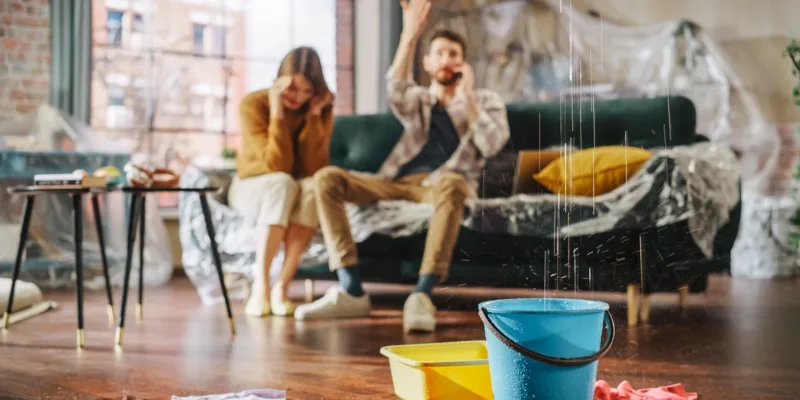

Navigating the intricacies of the Japanese real estate market requires more than just finding a beautiful space; it demands a deep understanding of the legal obligations that come with residency. Among the most critical issues a tenant can encounter is a water-related accident. Determining apartment water leak liability in Japan is a process governed by the Japanese Civil Code and specialized local guidelines.
Whether you are currently searching for an apartment for rent Japan offers or you have already settled into one of the many high-quality apartments in Japan, being prepared for the unexpected is essential. This article provides an exhaustive analysis of liability, insurance, and the practical steps required to manage water damage professionally and effectively.
Defining Apartment Water Leak Liability in Japan
In the context of Japanese law, the responsibility for damages is not assigned arbitrarily. It follows the principle of “Source Responsibility.” This means the financial burden falls upon the party who had the duty to maintain the equipment or whose specific actions led to the failure. When living in apartments in Tokyo Japan, where units are stacked vertically, a small leak in a third-floor unit can cause catastrophic damage to the units on the second and first floors.
Apartment water leak liability in Japan is generally split into two legal categories:
- Owner’s Maintenance Obligation: Under Article 606 of the Civil Code, the landlord is required to perform repairs necessary for the tenant to use the property.
- Tenant’s Duty of Care: Under Article 400, the tenant must manage the property with the “Duty of Care of a Good Manager” (Zenkan Chui Gimu).
For example, if you reside in a japan tokyo apartment rent and a pipe bursts inside the wall due to rust, the landlord is liable. However, if the pipe bursts because you left the windows open during a blizzard and the water froze, you have violated your duty of care.
When the Landlord is Liable: Structural Integrity and Aging
The landlord is the primary guardian of the building’s infrastructure. In most apartments in Japan, the owner is responsible for the “common areas” and the “hidden infrastructure” that a tenant cannot reasonably be expected to maintain. According to the Ministry of Land, Infrastructure, Transport and Tourism (MLIT), the landlord must bear the costs of repairs for “natural wear and tear” and “aging.”
The landlord is typically held liable for the following:
- Corroded Piping: In many older apartments in Tokyo Japan, vertical pipes (main stacks) may corrode over 20–30 years, leading to slow leaks.
- Defective Waterproofing: If the waterproofing membrane under the bathroom tiles fails, allowing water to seep into the concrete slab.
- External Factors: Leaks originating from the roof, exterior window frames, or communal hallways after heavy rainfall or a typhoon.
When these incidents occur, the landlord is responsible for repairing the building and may also be required to compensate the tenant for damaged personal property, such as ruined furniture, electronics, or clothing, if it can be proven that the landlord neglected necessary maintenance.
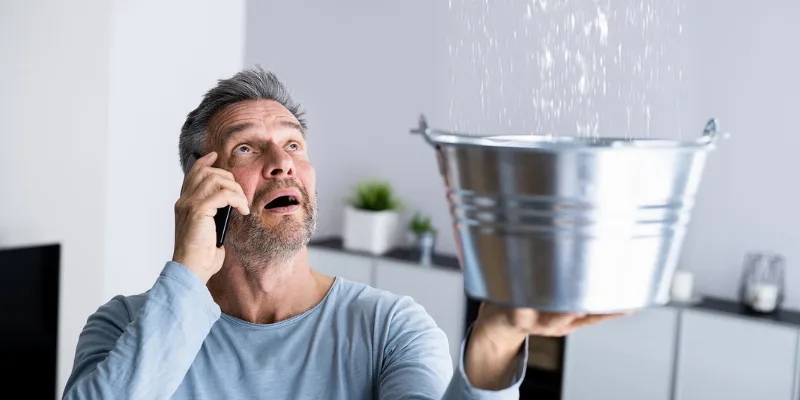
When the Tenant is Liable: Negligence and Misuse
Tenant liability is triggered when an accident occurs due to “extraordinary use” or “intentional negligence.” This is a significant concern for those seeking an apartment for rent Japan, as the costs for remediation can be astronomical. In Japan, if you are found liable, you are responsible for “Restoration to Original Condition” (Genjo Kaifuku).
Common scenarios where a tenant faces apartment water leak liability in Japan include:
- Failing to Report a Known Issue: If you notice a small drip under the sink and ignore it for months until the floor rots, you are liable for the aggravated damage because you failed to notify the landlord.
- Negligent Daily Habits: Examples include leaving the kitchen tap running while answering the door, or overloading a bathroom drain with hair and debris until it overflows.
- Unauthorized Modifications: Installing a water filtration system or a bidet (washlet) incorrectly, leading to a high-pressure connection failure.
In these cases, the tenant is responsible for the repair costs of their own unit and must also pay “Damages to Third Parties” if the water reaches a neighbor’s home. In apartments in Tokyo Japan, this often includes replacing the neighbor’s wallpaper, ceiling boards, and any damaged electronics like computers or high-end televisions.
Specific Case Studies: Understanding the Context
To provide a clearer picture of how apartment water leak liability in Japan is determined, let us examine three realistic scenarios:
Scenario A: The Washing Machine Incident
In many apartments in Japan, tenants must provide their own washing machines. If a tenant connects the hose poorly and it pops off during a spin cycle, releasing 50 liters of water, the tenant is 100% liable.
- Typical Cost: ¥300,000 to ¥1,500,000 depending on the damage to the unit below.
- Lesson: Always use an “Auto-Stop” water valve.
Scenario B: The Clogged Kitchen Drain
If a tenant frequently pours cooking oil or food scraps down the drain, causing a blockage that leads to an overflow, this is considered a violation of the “Duty of Care.”
- Examples of debris: Solidified fat, coffee grounds, and small plastic scraps.
- Liability: The tenant pays for professional plumbing services and floor restoration.
Scenario C: The Hidden Pipe Burst
A tenant in a japan tokyo apartment rent wakes up to find the hallway carpet soaked. An inspection reveals a pipe behind the wall has cracked due to age.
- Liability: The landlord is 100% liable for all repairs.
- Outcome: The landlord must also cover the tenant’s temporary relocation costs if the apartment becomes uninhabitable during repairs.
The Critical Role of ARealty in Your Rental Journey
Finding a home in a foreign country involves more than just a floor plan; it requires a safeguard for your lifestyle. ARealty is a premier real estate consultancy that specializes in connecting international residents with the best apartments in Japan. We understand that the fear of apartment water leak liability in Japan can be a barrier, which is why we offer specialized support to mitigate these risks.
How ARealty Protects Your Interests:
- Property Vetting: We prioritize listings for apartments in Tokyo Japan that have a documented history of regular maintenance and infrastructure updates.
- Contractual Clarity: We meticulously review your japan tokyo apartment rent agreement to ensure that the clauses regarding “repair obligations” and “liability” are fair and comply with the latest MLIT guidelines.
- Insurance Coordination: We help you select the most comprehensive “Fire and Liability Insurance” (Kasai Hoken) so that you are never left vulnerable.
- Emergency Liaison: If a leak occurs, ARealty acts as your advocate, communicating with the management company (Kanri Gaisha) in Japanese to ensure a swift and fair resolution.
If you are looking for an apartment for rent Japan where you can live with total peace of mind, contact ARealty today. Let our experts handle the complexities of Japanese real estate while you enjoy the vibrancy of Tokyo.
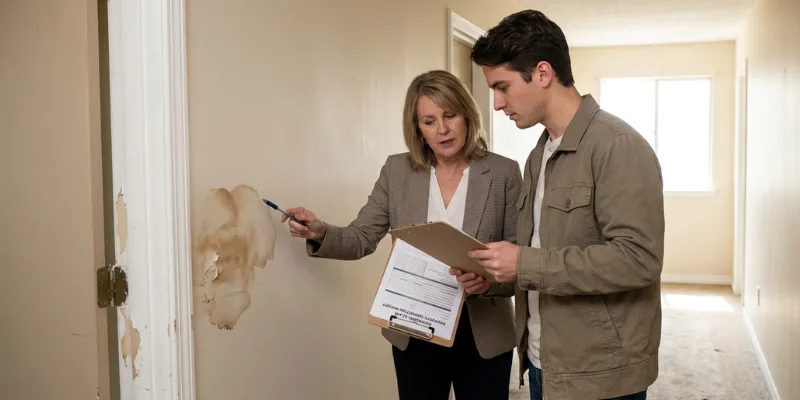
Navigating Insurance: The Tenant’s Safety Net
In Japan, “Fire Insurance” (Kasai Hoken) is a misnomer; its most important function for renters is actually water damage coverage. When you sign a contract for a japan tokyo apartment rent, the insurance policy is your primary shield against apartment water leak liability in Japan.
A professional insurance policy for apartments in Japan consists of three pillars:
- Tenant Liability Rating (Shakkaonin Baisho): This covers your legal liability to the landlord for damaging the apartment itself.
- Personal Liability (Pasonaru Baisho): This is the most vital component. It covers your liability to neighbors. If your leak ruins a neighbor’s designer sofa or their expensive gaming PC, this part of the policy pays for it.
- Household Goods Insurance (Kaji Dousan): This covers your own belongings if a leak from another unit (or a structural failure) ruins your property.
When living in apartments in Tokyo Japan, never let your insurance lapse. A policy typically costs between ¥15,000 and ¥25,000 for two years—a small price to pay to avoid a ¥2,000,000 debt.
Mandatory Steps: What to Do During a Water Emergency
If you find water pooling in your apartment for rent Japan, your immediate actions will determine your ultimate liability. Under Japanese law, you have an obligation to mitigate damage.
I. Immediate Containment
Turn off the main water valve located in the “Pipe Space” (PS) box outside your front door. Use towels and buckets to prevent water from reaching the floorboards or walls.
II. Notification and Documentation
You must notify the landlord or management company immediately. In apartments in Tokyo Japan, there is often a 24-hour emergency number. While waiting, take clear photos of:
- The source of the leak (e.g., the dripping pipe).
- The extent of the water spread.
- Any damaged personal items (e.g., wet books, electronics, rugs).
III. Professional Assessment
The management company will send a plumber to determine the cause. If the cause is ambiguous, ensure that the plumber’s report is detailed. Do not admit fault or sign any “admission of liability” documents until you have consulted with ARealty or a legal advisor.
Preventing Water Damage: Best Practices for Tenants
To ensure a smooth experience with your japan tokyo apartment rent, prevention should be a daily priority. Those who live in apartments in Japan should adhere to the following maintenance standards:
- Kitchen Care: Use a fine-mesh drain strainer to catch all food particles. Never pour oil down the drain; instead, use a “fat hardener” (Katameru Tenpo) and dispose of it as burnable trash.
- Bathroom Maintenance: Clear hair from the drain after every shower. This prevents the “slow backup” that often leads to bathroom floor flooding.
- Washing Machine Safety: Always turn off the water tap connected to the washing machine when you go on vacation or leave for an extended period.
- Climate Precautions: If you live in an apartment for rent Japan during winter, and temperatures drop below 0°C, keep your heater on low or leave a faucet dripping slightly to prevent pipes from freezing and bursting.
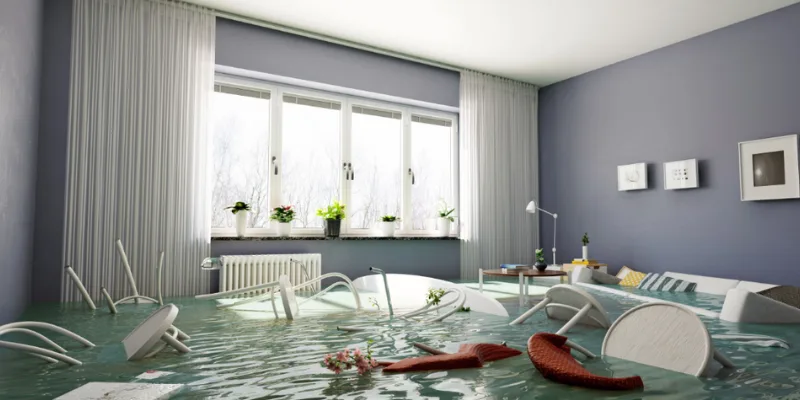
Understanding Common Area vs. Private Area
A major point of contention in apartment water leak liability in Japan is the distinction between “Common Areas” (Konyu-bu) and “Private Areas” (Senyu-bu).
- Common Area: Pipes that run through the building’s main structure (the vertical stacks). If these leak, the building’s management association or the landlord is responsible.
- Private Area: The horizontal pipes that branch off from the main stack into your unit.
If you are staying in apartments in Tokyo Japan, the transition point is usually the water meter. If the leak is on “your side” of the meter, the investigation starts with your unit. This is why having a professional agency like ARealty is beneficial—they can help verify exactly where the leak started to ensure you aren’t charged for a building-wide structural failure.
The Legal Framework: Resolving Disputes
If a dispute arises regarding apartment water leak liability in Japan, several paths are available for resolution.
- ADR (Alternative Dispute Resolution): Many prefectures, including Tokyo, offer ADR centers where a neutral third party helps the landlord and tenant reach a compromise without going to court.
- Small Claims Court: For disputes under ¥600,000, this is a fast-track way to settle liability issues.
- Consumer Affairs Centers: These centers provide free advice for foreigners living in apartments in Japan who feel they are being unfairly charged for repairs.
However, the best way to resolve a dispute is to avoid one. This is achieved through clear documentation at the start of the lease and maintaining a positive relationship with the management company.
Summary of Liability Distribution
| Incident | Responsibility | Action Required |
| Old pipe inside the wall leaks | Landlord | Report immediately; Landlord pays all costs. |
| Tenant leaves tap running | Tenant | Insurance claim (Personal Liability). |
| Earthquake breaks a pipe | Landlord/Insurance | Depends on the “Earthquake Clause” in the policy. |
| Washing machine hose failure | Tenant | Insurance claim (Tenant Liability). |
| Clogged drain from food/hair | Tenant | Tenant pays for cleaning and any floor damage. |
Conclusion
Living in apartments in Japan is a rewarding experience that offers comfort and high technology, but it comes with specific responsibilities. Understanding apartment water leak liability in Japan is not about living in fear; it is about being an informed and proactive resident. By maintaining your “Duty of Care,” ensuring your insurance is active, and acting quickly during an emergency, you can protect your finances and your reputation as a tenant.
For those still searching for their perfect japan tokyo apartment rent, remember that the quality of your management and the clarity of your contract are just as important as the view from your balcony. Trust ARealty to guide you through the selection process, ensuring that your next apartment for rent Japan is a place of security and happiness.
Invest in your peace of mind—choose a home with ARealty.

Real estate advisor at Arealty Japan, specialising in helping foreign residents navigate the Tokyo and Osaka rental markets. Lucy has guided hundreds of international renters — from Working Holiday visa holders to corporate relocations — through Japan’s apartment application process. Her writing draws on firsthand experience with landlord screening, guarantor companies, and foreigner-friendly listings across all 23 Tokyo wards and major Kansai cities.