
Quick answer: Doshisha University student housing centers on two dedicated dormitories — Doshisha Global House and Shugakuin International House. Off-campus dormitories are also arranged for exchange students who need them. Most students attend the historic Imadegawa Campus in central Kyoto. Some science and engineering students are based at Kyotanabe Campus further south. Private apartments near Imadegawa Station are the main alternative for students not placed in a dormitory.
Key facts at a glance:
| Factor | Detail |
|---|---|
| Main campus | Imadegawa, central Kyoto, near the Imperial Palace |
| Second campus | Kyotanabe, southern Kyoto (science and engineering) |
| Dedicated dorms | Doshisha Global House, Shugakuin International House |
| Off-campus dorms | Arranged separately for exchange students |
| Typical private 1K rent | ¥50,000–¥70,000/month near Imadegawa |
What Campus Will You Actually Be On?
Doshisha University runs two very different campuses. Knowing which one you’ll spend most of your time at should shape your housing search more than any other single factor.
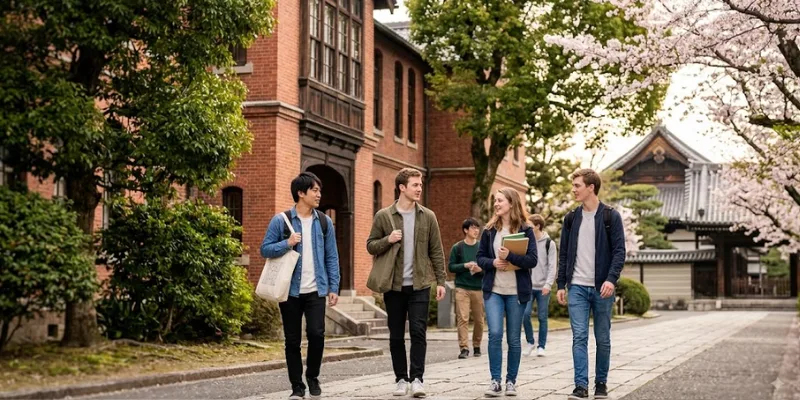
Imadegawa Campus sits in the heart of Kyoto, just north of the Kyoto Imperial Palace and beside Shokokuji Temple. Around 20,000 students study here, across most of the university’s faculties and graduate schools. Five of its buildings are nationally designated cultural properties. That gives the campus a genuinely historic character rare among Japanese universities.
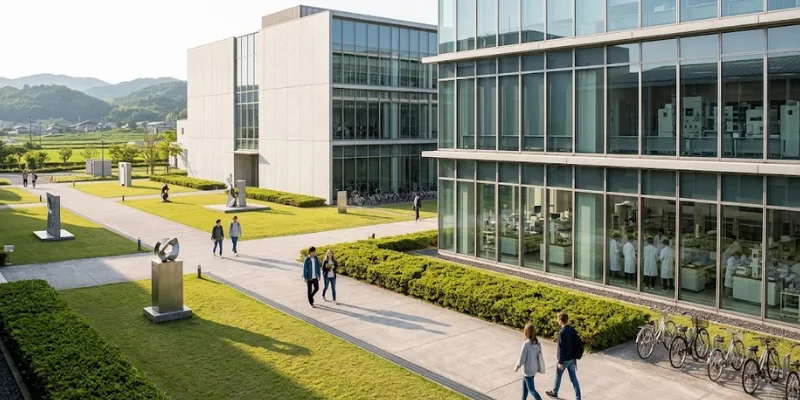
Kyotanabe Campus, in southern Kyoto Prefecture, houses science and engineering programs on a much larger, more modern site. It has around 9,000 students. The feel is distinctly different from Imadegawa — newer buildings, more green space, and a quieter surrounding area.
What Dormitories Does Doshisha University Offer?
Doshisha University has historically been able to house essentially all exchange students who request dormitory accommodation. A limited number of spots also exist for privately financed international students.
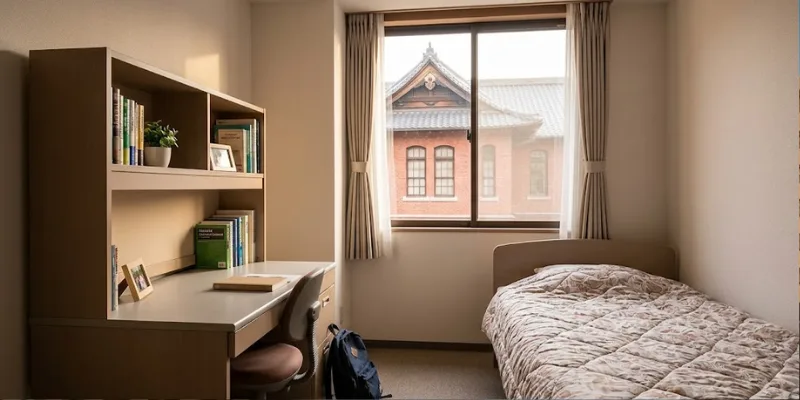
Doshisha Global House and Shugakuin International House are the university’s dedicated dormitories. Both were built specifically to support intercultural exchange between Japanese and international students. Both are coordinated through the Office of International Students.
Off-campus dormitories are also arranged separately for exchange students who aren’t placed in the two main dormitories. This gives the university flexibility to accommodate demand even in busy semesters.
If you’re a privately financed international student rather than an exchange student, dormitory space is more limited. Apply as early as possible after receiving your acceptance letter.
Best Neighborhoods for Doshisha University Student Housing Off-Campus
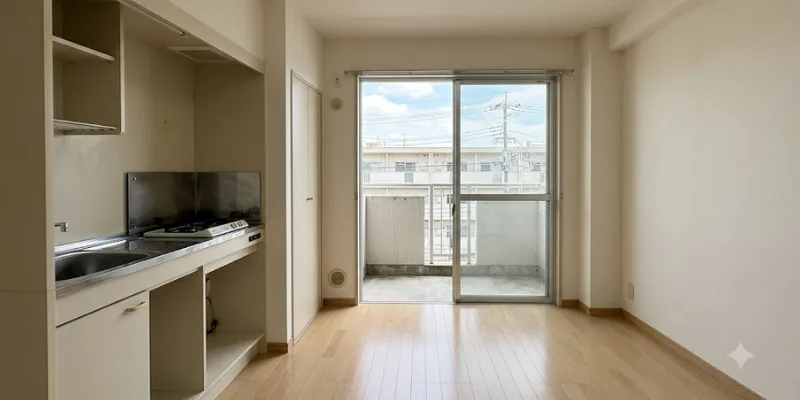
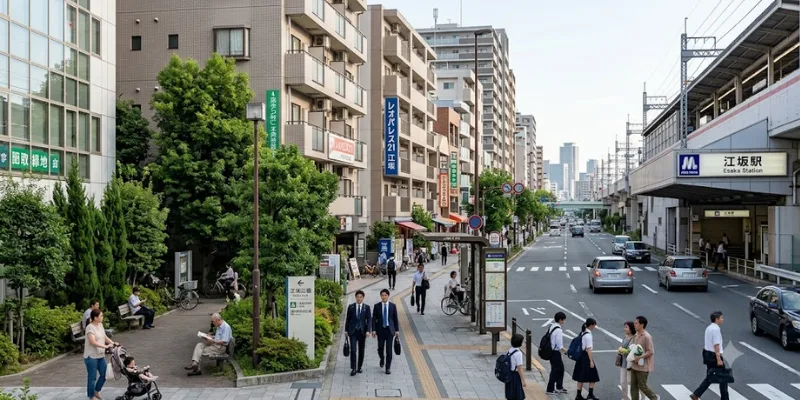
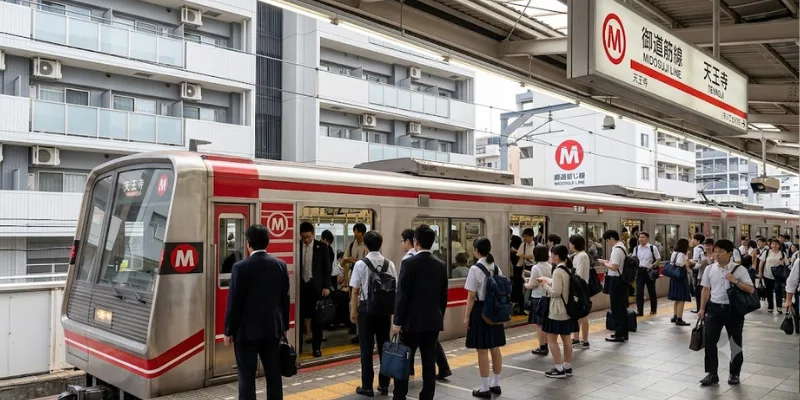
Around Imadegawa Station, on the Karasuma subway line, is the most convenient area for students attending Imadegawa Campus. A 1K or 1DK apartment here typically runs ¥55,000–¥70,000 per month.
Kamigyo-ku’s quieter residential streets sit a short walk further from the station. They offer somewhat lower rent, often ¥50,000–¥60,000 per month, while keeping a walkable commute to campus.
Near Kyotanabe Campus, rent runs noticeably lower than central Kyoto. Expect ¥45,000–¥60,000 per month for a comparable unit, reflecting the area’s more suburban character.
For a broader look at rent across Kyoto, our guide to Kyoto apartments for rent for foreigners breaks down pricing across the city’s main districts.
How Do I Arrange a Guarantor for Private Housing?
Private apartments in Japan almost always require a guarantor, whether you’re renting near Imadegawa or Kyotanabe. Doshisha University itself has partnerships with private guarantor companies and real estate agents. It recommends these to students specifically to smooth the contract process. You’ll generally still need:
- A valid student visa and Certificate of Eligibility
- A guarantor company, arranged either through the university’s recommended partners or independently
- Proof of funds — a scholarship letter, a parent’s income statement, or a bank balance certificate
- An emergency contact based in Japan
Our guide to the guarantor system in Japan explains how these companies price their fees nationwide. Required documents for renting in Japan covers the full paperwork checklist, regardless of which guarantor route you choose.
Dorm vs. Private Apartment: Which Should You Choose?
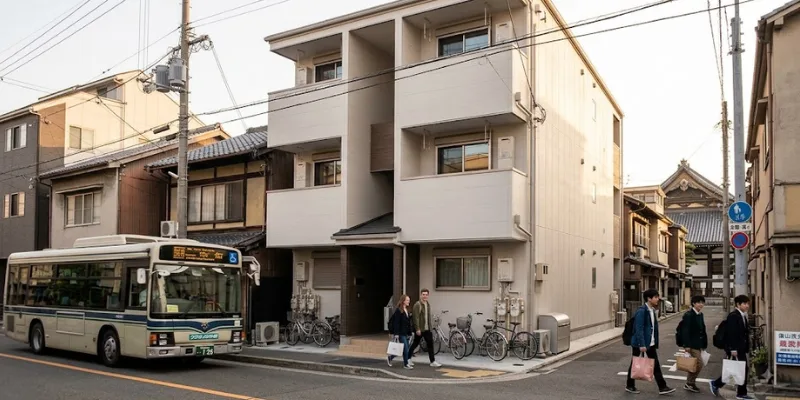
Exchange students have a strong case for the dormitory route. Doshisha has historically housed essentially all exchange students who request a room, and dormitory living removes the guarantor requirement entirely.
Degree-seeking privately financed students face more competition for the limited dormitory spots. They often end up in private housing regardless, which makes early planning around guarantor arrangements more important for this group.
Students who want more independence than dormitory life offers sometimes look at a share house as a middle ground. Our guide to renting a share house in Japan covers how that option works for foreign students specifically.
What Makes Kyoto Different From Tokyo for Student Housing?
Beyond price, Kyoto offers a genuinely different day-to-day experience than Tokyo’s major student hubs. The city is smaller, denser with historic sites, and generally easier to navigate on foot or bicycle. Many students find the pace noticeably calmer than Tokyo, though this comes with fewer late-night options and a smaller international social scene overall. Cost of living, including groceries and dining out, tends to run somewhat lower than in central Tokyo as well, which stretches a student budget further even before comparing rent directly.
Step-by-Step: Securing Housing Before You Arrive
- Confirm your campus and student category — exchange or privately financed — as soon as your acceptance is confirmed. This determines your dormitory eligibility.
- Apply for dormitory housing immediately if eligible. Even with strong historical placement rates for exchange students, earlier applications get priority on room type and location.
- Notify the university’s Office of International Students in advance if arranging private housing. Doshisha specifically asks students searching independently to keep them informed.
- Line up your guarantor through the university’s recommended partners, or independently, in parallel with your apartment search.
- Confirm your actual commute to your specific faculty building. Imadegawa and Kyotanabe sit far enough apart that this matters more than it might first appear.
FAQ: Doshisha University Student Housing
Historically, the university has been able to house essentially all exchange students who request dormitory accommodation, though this isn’t a formal guarantee for every category of student.
Private apartments near Imadegawa typically run ¥55,000–¥70,000 per month. Near Kyotanabe, expect ¥45,000–¥60,000. Dormitory fees vary by building and are set separately by the university.
No. University-run dormitories don’t require one. Private apartments almost always do, though Doshisha’s guarantor company partnerships can simplify the process.
Whichever campus your actual coursework is mostly held at. Imadegawa and Kyotanabe are far enough apart that a “central Kyoto” apartment doesn’t necessarily suit a Kyotanabe-based student.
A limited number of spots exist for this group, but availability is more competitive than for exchange students. Apply as early as possible.
Generally more affordable. Comparable apartment sizes near Doshisha typically cost less than similar units near Tokyo’s major private universities.
Considering Kyoto for your studies? Visit Arealty for foreigner-friendly rental support, or browse current listings at arealty.mom/rent.

Real estate advisor at Arealty Japan, specialising in helping foreign residents navigate the Tokyo and Osaka rental markets. Lucy has guided hundreds of international renters — from Working Holiday visa holders to corporate relocations — through Japan’s apartment application process. Her writing draws on firsthand experience with landlord screening, guarantor companies, and foreigner-friendly listings across all 23 Tokyo wards and major Kansai cities.