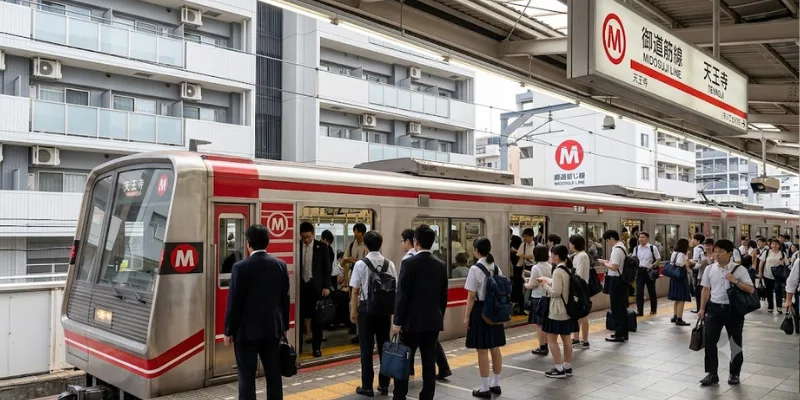

Expatriates face a competitive real estate market and precise logistics in the country. Securing an apartment with a delivery box (Takuhaibin Box) is no longer a luxury. This amenity represents a fundamental requirement. This comprehensive guide offers in-depth, specialized knowledge necessary for informed decision-making. You will understand why this amenity is crucial when searching for japan tokyo apartment rent. You will also learn how to use it effectively.
The delivery box system is a standard amenity in modern Japanese residential buildings, designed to optimize the highly efficient Takuhaibin (door-to-door delivery) service. As more people rely on e-commerce, this feature becomes a decisive factor when evaluating apartments in tokyo japan.
What is a Delivery Box and How Does it Function?
A Delivery Box is a specialized storage unit that fundamentally allows residents to securely receive parcels even when they are not at home. Depending on the type of box and the courier company’s policy, this unit can also be used for sending packages. This convenience factor is pushing delivery boxes toward becoming standard fixtures in Japanese residential complexes.
Basic Mechanism and Operation
The operation of the delivery locker is simple, designed for ease of use by both the courier and the resident. The primary goal is to ensure the package is safely stored until the recipient returns home.
- When the courier arrives and the resident is absent, the package is placed into an available compartment within the delivery locker system.
- That compartment is then locked, and a unique access credential (a PIN or a key) is generated.
- This credential is then conveyed to the resident. Typically, it is sent via a notification slip in the mailbox, an email, or an intercom alert. This allows the user to retrieve the parcel later.
If a technical issue arises, such as a malfunction or a forgotten PIN, the resident must contact the landlord. They can also reach out to the property management company responsible for the locker system. Assistance is needed to unlock the compartment.
Popularity and Installation Trends
Delivery boxes are rapidly gaining traction as a necessary amenity. This amenity is ideally tailored for contemporary urban living. This includes households with dual incomes and elderly residents. These residents may not always be available to answer the door. This trend is clearly reflected in recent installation statistics, especially in new constructions.
A 2023 survey confirmed the growing essential nature of this equipment:
- 62.0% of condominiums and 23.3% of apartment buildings have installed delivery boxes.
- Delivery boxes are fast becoming a standard amenity, particularly in newly constructed buildings, due to their undeniable convenience.
Types of Installation in Apartments and Condominiums
Delivery boxes installed in residential areas generally fall into two main categories: shared communal units or individual private units. When considering an apartment, it is crucial to assess the features and benefits of each type. This helps in choosing one that aligns with your lifestyle and security preferences.
The type of installation impacts initial cost, security level, and availability:
- Shared Delivery Boxes (Communal Type):
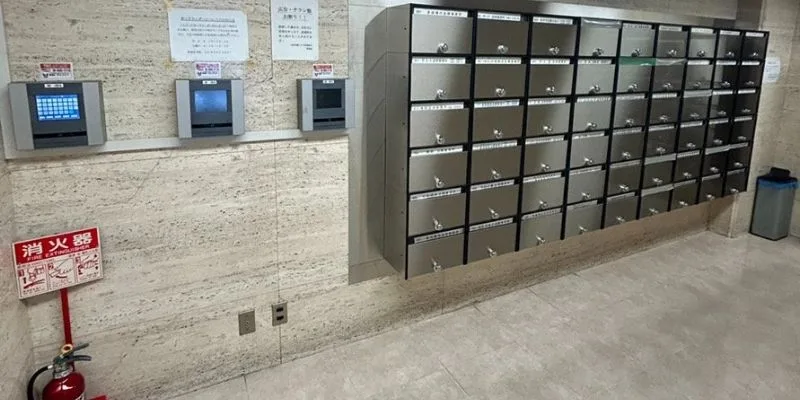
- These units are typically sited within the building’s communal spaces. Such places include the apartment or condominium entrance hall. They are often arranged in a bank of lockers.
- Couriers use any available compartment, though some systems allocate specific boxes per room number.
- This type is popular due to lower initial installation costs. However, a major drawback is potential unavailability during peak periods. This occurs if the number of boxes is insufficient for the number of households.
- Individual Delivery Boxes (Private Type):
- These are installed separately for each unit. They are usually located directly in front of the apartment door. Alternatively, they may be within the private entrance space.
- This design offers enhanced privacy and security as it is not shared, eliminating stress over queuing or lack of space.
- However, space constraints in typical Japanese apartments create a limitation. Only compact or smaller capacity lockers can often be installed outside the private entrance.
Essential Comparison and Market Drivers
The amenity’s growing presence is driven by market demand and substantial benefits compared to living without it. For foreign tenants moving to high-density areas, this comparison is a critical factor in their accommodation choice.
Apartment with Delivery Box vs. Apartments without Delivery Box
The contrast between properties with and without this amenity is stark, especially for international tenants seeking efficiency.
| Feature | Apartment with Delivery Box | Apartment without Delivery Box |
| Security | Reduces theft risks significantly, as packages are secured in a locked compartment. | Packages are vulnerable to theft if left at the doorstep or must be picked up later. |
| Convenience | Tenants can receive packages without adjusting their daily schedules (24/7 access). | Requires tenants to wait at home or repeatedly schedule redelivery appointments. |
| Flexibility | Multiple packages from different services can be managed and retrieved efficiently. | Requires direct scheduling and interaction for every single package delivery. |
| Optimized for International Residents | Often features English-friendly electronic lockers, simplifying package handling and notifications. | Reliance on paper notices and phone calls, which may require Japanese language skills. |
Why Delivery Boxes Are Increasingly Common in Apartments in Japan
Measurable market trends and evolving lifestyle needs drive the rising popularity of delivery boxes. As e-commerce grows rapidly, consumers increasingly demand efficient logistics solutions in urban residential settings.
- E-Commerce Growth: Cities like Tokyo, Osaka, and Nagoya have seen a 20–30% increase in online deliveries in the last five years, demanding better residential infrastructure.
- Tenant Demographics: Young professionals and international tenants specifically prioritize convenience and security when evaluating property value.
- Developer Strategy: Property developers actively install delivery boxes in new buildings, using them as a core amenity to attract and retain high-value tenants.
Examples demonstrate the scale of provision across different property types:
- Modern Shinjuku apartments, for instance, often offer 40–60 delivery boxes for multi-unit buildings, while older Saitama apartments may provide 4–6 lockers but still significantly enhance convenience.
- Rental platforms now universally highlight apartments with delivery boxes as a key selling point.
Detailed Analysis of Delivery Box Types and Operation
Understanding the two primary types of delivery boxes is essential for assessing the security and convenience of potential properties.
The Dial-Type Delivery Box (Kagi-shiki Takuhaibin Box)
This type is the most common in older or smaller apartment buildings. Its operation is straightforward and mechanical.
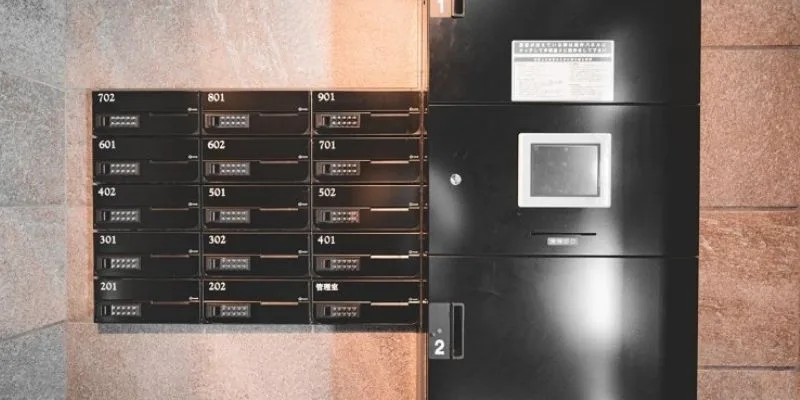
- Mechanism: The delivery person places the package. They set a unique, temporary 3-4 digit PIN (Personal Identification Number) on a mechanical combination lock. Then they secure the door.
- Proof of Receipt: The system is mechanical. The delivery person usually leaves a small paper slip with the PIN in the recipient’s mailbox. The recipient needs to have a personal seal (Hanko/Inkan) or signature ready. They affix it to the delivery slip left inside the box. This action finalizes the delivery record and handover process.
- Key Advantage: The system’s simplicity allows residents to access it instantly upon moving in, without any electronic registration. Additionally, if a delivery error occurs—such as placing the package in an adjacent box—the intended recipient can still access it using the PIN slip.This resolves the mistake quickly.
- Security Note: While generally secure, the reliance on a simple numerical code means the security is moderate. Residents should retrieve packages promptly to minimize exposure time.
The Electronic-Type Delivery Box (Denshi-shiki Takuhaibin Box)
The electronic system represents the highest standard of security. It is well-integrated and is typical in newly constructed or high-end apartments in Tokyo Japan.
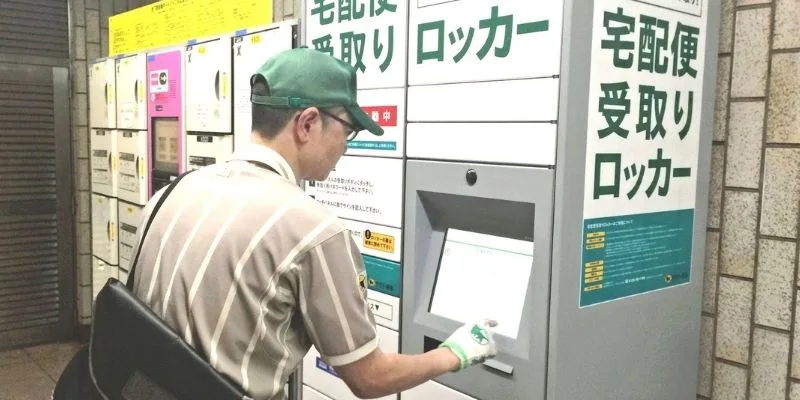
- Mechanism: This system features a centralized LCD touchscreen panel. The delivery person scans the package and follows prompts to deposit the item. The recipient accesses their package using a pre-registered method, such as:
- A unique personal PIN (Kojin-bango).
- The building’s magnetic key card (Kagi-kādo).
- A special security token.
- Data Logging and Management: This is the most significant differentiator. The system electronically records the exact time of deposit and retrieval. For instance, the data log records that a package was placed on November 15th at 3:15 PM, providing irrefutable proof. Property management companies often monitor this data, ensuring they promptly collect any abandoned parcels.
- Advanced Features: Many electronic systems offer instant notifications.The system notifies residents by sending an email or activating the in-unit intercom the moment it successfully deposits a package.This provides real-time tracking that enhances the user experience.
- Security Note: The high level of encryption and multi-factor access control makes this system highly secure. However, if you input the wrong PIN several times, the system will lock down. This security feature thwarts systematic unauthorized access attempts. Residents must request building management to unlock it.
Essential Precautions and Limitations for Expatriate Users
While invaluable, the delivery box system has inherent limitations that expatriate renters must understand to avoid service interruptions. When securing japan tokyo apartment rent, always verify the specific rules of the building.
- Item Restrictions: Certain items are prohibited from being left in a delivery box due to legal requirements. Some items have high value or logistical necessity. These include registered mail, COD items, and temperature-sensitive goods (such as refrigerated medication or fresh produce).
- Size Restrictions: The utility is limited by the size of the individual compartments. If a package exceeds these dimensions, the courier will leave a standard missed delivery notice.
- Full Capacity: During peak shopping seasons, the lockers may become temporarily full. If no compartments are available, the courier must treat the delivery as a standard missed delivery. In such instances, the resident will be required to arrange a subsequent delivery time.
Popular Areas in Tokyo with Apartments Featuring Delivery Boxes
Certain districts in Tokyo are particularly popular among tenants. They seek apartments with delivery boxes. This is due to a combination of convenience, lifestyle amenities, and accessibility. Here’s a detailed breakdown:
- Shinjuku: This area features modern apartment complexes with high-security electronic lockers. Developers often integrate these with intercom systems and smartphone alerts. This makes it ideal to find an apartment with a delivery box in Shinjuku.
- Ikebukuro: Known for its universities and student population. Apartments here often have mid-size delivery boxes suitable for textbooks and small household items. Searching for an apartment with a delivery box in Ikebukuro is a smart choice.
- Shinagawa: As a business hub, Shinagawa apartments cater to working professionals. Finding an apartment with a delivery box in Shinagawa will ensure 24-hour access. It will also provide IC card authentication and notifications. This is convenient for unpredictable schedules.
- Meguro: This residential area focuses on family-friendly living. It offers secure package management for small and medium-sized parcels. This makes the apartment with a delivery box in Meguro highly sought after.
- Koto-ku: Apartments in Koto-ku often feature larger lockers capable of handling bulk deliveries. These are appealing to families and long-term residents who require more storage flexibility. Therefore, prioritize an apartment with a delivery box in Koto for better capacity.
Example: The Prime Urban Toyosu – 433 apartment is located in Edagawa, Koto-ku, Tokyo. It confirms the presence of a Delivery Box amenity. This feature is present in a convenient residential area near the Toyosu and Shin Toyosu stations.
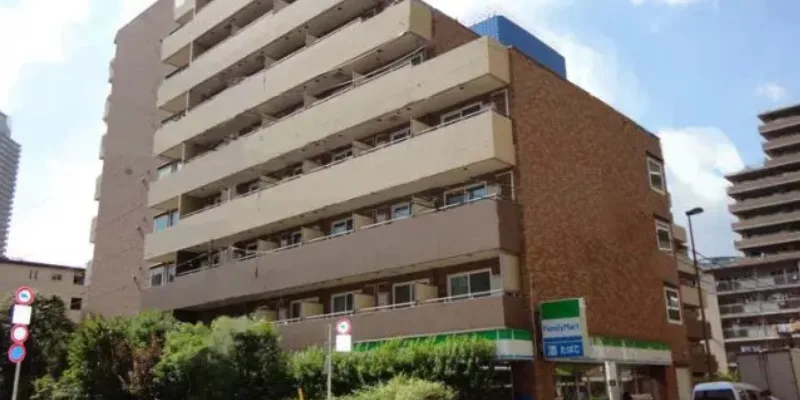
These neighborhoods not only offer secure delivery systems. They also provide easy access to public transportation, shopping centers, and essential amenities. This combination makes them attractive for international tenants seeking comfort and convenience.
Arealty – Find the Best Apartment with Delivery Box in Tokyo
Securing the right apartments in tokyo japan means partnering with a real estate expert. The expert understands the unique needs of expatriates. This includes the essential logistics of daily life, such as the delivery box system.
At Arealty, we specialize in connecting international residents with high-quality, amenity-rich properties across Japan. Our listings are carefully curated to include modern conveniences, ensuring a comfortable transition to your new life. Our dedicated, multilingual agents provide transparent, professional service. They guide you through every complexity of the Japanese leasing process, from initial inquiry to contract signing. We guarantee a focused, efficient, and stress-free search for your next home.
Contact Arealty today. View our exclusive portfolio of apartments featuring cutting-edge amenities like the delivery box. Make your move to Japan a resounding success! We stand ready to simplify your property search, making your Japanese living experience seamless and enjoyable.
Conclusion
Choosing an apartment with delivery box offers unmatched convenience, security, and flexibility. It is ideal for busy professionals, international students, and expats living in apartments in Japan. Whether in Tokyo or Osaka, delivery boxes enhance daily life. These systems ensure that residents can safely store and easily access their packages.
Tenants should consider locker types, size limitations, and electronic notification systems. This way, they can fully leverage the benefits of this modern housing feature. Partnering with trusted real estate agencies like Arealty ensures a smooth rental experience. The system inherently ensures the security and integrity of all received parcels. You will have peace of mind in your new Japanese home.

Real estate advisor at Arealty Japan, specialising in helping foreign residents navigate the Tokyo and Osaka rental markets. Lucy has guided hundreds of international renters — from Working Holiday visa holders to corporate relocations — through Japan’s apartment application process. Her writing draws on firsthand experience with landlord screening, guarantor companies, and foreigner-friendly listings across all 23 Tokyo wards and major Kansai cities.