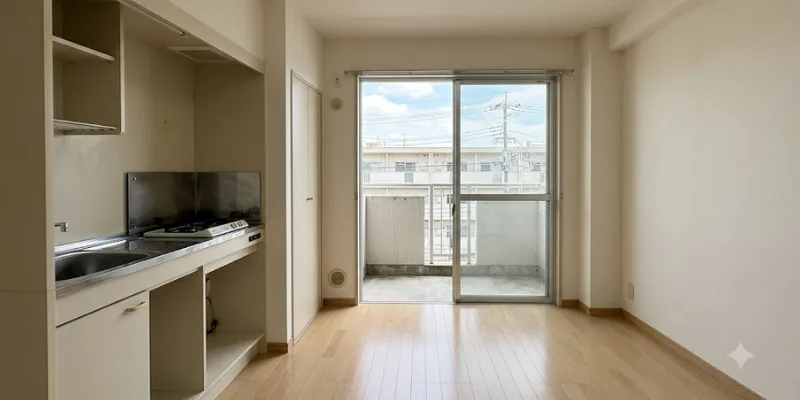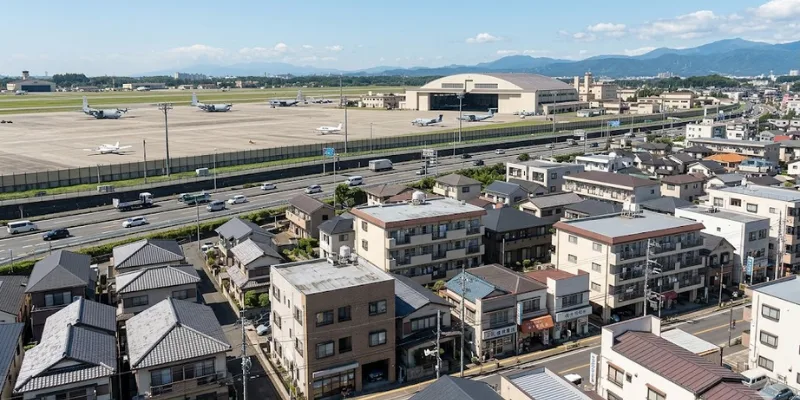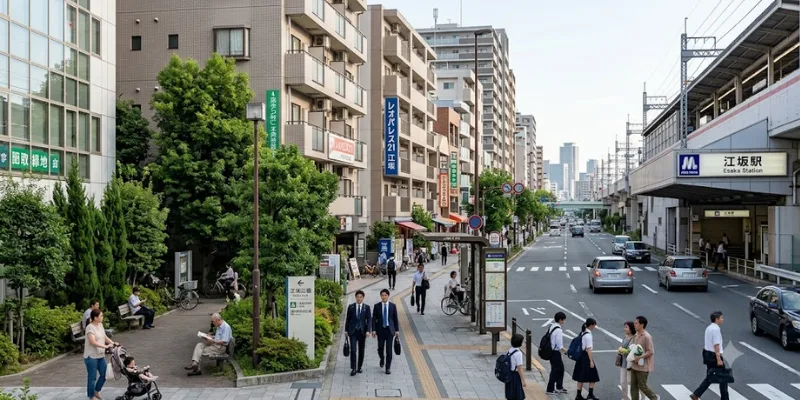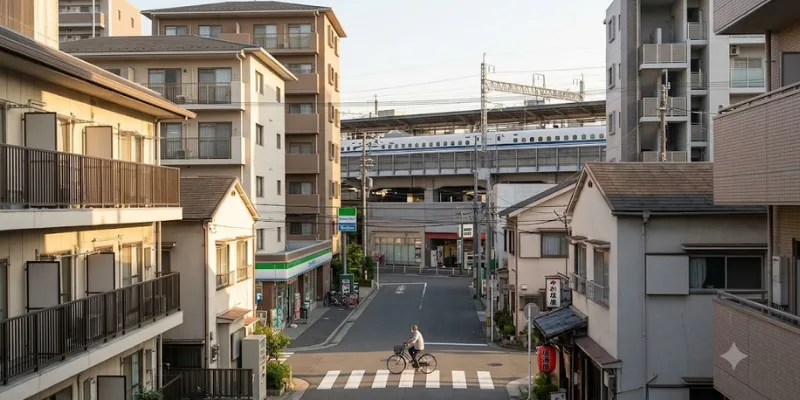

Starting a life alone in Japan is challenging. Major metropolitan areas like Tokyo often reveal higher living costs than initially estimated. A fundamental strategy for maintaining a healthy budget is to thoroughly review your fixed expenses. These fixed expenses represent the monthly amount you must pay. They include key areas such as rent, communication fees, and utility bills. Understanding the exact figures is essential. Knowing what you are paying for is the first critical step toward financial control. This knowledge leads to a more comfortable life in your new Japanese apartment.
Understanding Your Fixed Expenses: The Core of Budgeting
Fixed expenses are the non-negotiable costs incurred monthly, regardless of consumption changes in the short term. Understanding how your habits affect the Average Utilities Cost for One Person is a vital part of this monthly budget. Reducing these costs provides more disposable income, enhancing your overall financial flexibility. This process also serves as an excellent opportunity to re-evaluate your lifestyle and spending habits.
Reviewing Major Fixed Costs
To effectively control your budget when renting apartments in Japan, reviewing major fixed costs is extremely important. By adjusting these expenditure items, you can make a significant difference in your monthly savings potential and overall financial outlook.
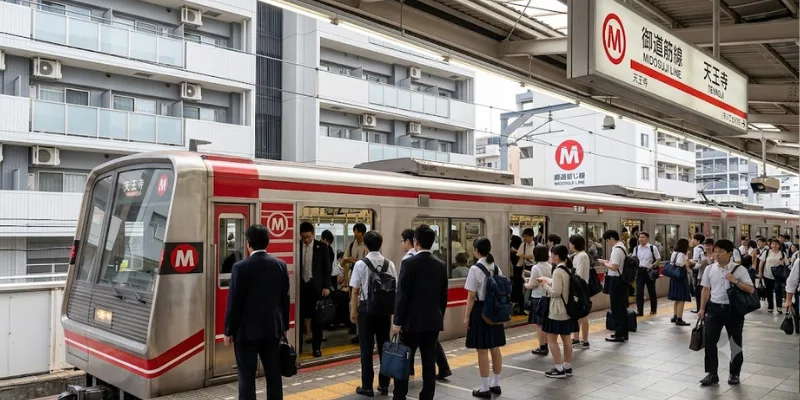
- Rent: Rent is typically the largest fixed expense. By choosing an apartment in Japan with a slightly lower rent, you can save a lot of money. This can amount to tens of thousands of yen each month. For instance, selecting an apartment just five minutes further from the train station can provide you with a similar-condition unit. This choice comes at a significantly lower monthly cost.
- Communication Costs: Examine your smartphone plan to ensure it aligns with your usage patterns. Since many social networking applications (e.g., LINE, WhatsApp, FaceTime) offer free calling, a data-only plan or a low-cost SIM can substantially reduce your monthly fees.
- Transportation Costs: For short commutes (up to 10km), consider walking or cycling instead of taking a bus or train. This strategy not only saves money but also contributes positively to your fitness and health.
Average Monthly Living Costs for a Single Person in a 1K Apartment
Living alone in Japan is a unique experience that requires careful financial planning. A single professional living in a 1K apartment typically spends from 150,000 yen to 220,000 yen per month. The exact amount depends on the city and lifestyle choices. This estimation includes rent, utilities, food, and miscellaneous costs.
The following data shows a realistic monthly budget for a single person renting an apartment in Tokyo Japan. This person specifically lives in a 1K unit (one room plus a kitchen) in a residential area like Setagaya. They commute to work in Shinjuku.
| Expense Category | Monthly Estimated Cost (JPY) |
| Rent (1K Apartment in Tokyo) | 85,000 |
| Utilities (Electricity, Gas, Water) | 12,816 |
| Food & Groceries | 45,000 |
| Communication (Mobile + Home Internet) | 8,000 |
| Transportation (Commuter Pass) | 12,000 |
| Leisure & Miscellaneous | 30,000 |
| Total Monthly Budget | 192,816 |
How to Save on Electricity Bills: Energy-Saving Techniques
Given the unstable energy supply, implementing energy-saving techniques is more critical than ever, especially for residents trying to maintain the Average Utilities Cost for One Person at a manageable level. Rising fuel prices make these efforts essential for effectively managing household finances. Identifying and optimizing high-energy-consuming devices is the key to reducing your electricity bill. The highest energy-consuming appliances in most apartments include the refrigerator, air conditioner, TV, and lighting.
Energy-Saving Strategies by Appliance
These are specific energy-saving strategies you can implement immediately for the major electric appliances in your home. Each tip aims to minimize energy waste without significantly compromising your quality of life.
- Refrigerator:
- Capacity: Do not overstuff the refrigerator; proper circulation of cold air is vital for efficient cooling.
- Placement: Fridges dissipate heat from their sides and back to cool the interior. Placing them too close to walls or other furniture hinders this process, increasing energy use.
- Setting: In winter, reducing the cooling power setting saves energy.
- Lighting:
- Switching: Transitioning to LED bulbs is highly effective. LEDs consume only about half the electricity of fluorescent lights and have a much longer lifespan. While the initial purchase cost is higher, the long-term savings are substantial.
- Television Set:
- Brightness: Adjust the backlight brightness on your LCD TV. Reducing the brightness even slightly can lower power consumption. Many modern TVs include a brightness sensor that automatically adjusts to ambient light, which is an excellent energy-saving feature.
- Air Conditioner:
- Temperature Setting (Winter): Avoid setting the temperature too high. A room at 10circ C requires significant energy to heat to 25circ C.
- Air Flow: Warm air naturally accumulates near the ceiling. Set the air direction downward to heat the room quickly and efficiently.
- Alternative: Layering clothing and warming your body instead of the entire room is the most direct way to save.
- Rice Cooker:
- Keep-Warm Function: Avoid using the keep-warm function longer than necessary. Keeping rice warm for 3 to 10 hours can consume the equivalent power of one cooking cycle. It is recommended to portion and freeze cooked rice, then reheat it when needed.
- Hot Water Heater:
- Standby Power: The gas hot water heater control panel surprisingly consumes standby power. It accounts for up to 20% of a home’s total standby usage. It is best practice to turn off the main power when hot water is not needed for extended periods.

Comprehensive Solutions for Managing Daily Expenses
Beyond utilities, managing a household as a single resident in Japan requires a holistic approach to various spending categories. Identify specific areas where small changes yield significant results. This allows you to optimize your monthly budget without sacrificing your lifestyle quality. These strategies are designed to help foreign residents navigate the unique economic landscape of living in apartments in Japan.
Effective financial management often involves a combination of smart shopping habits, utilizing local services, and choosing the right service providers. Implementing the following solutions will help you maintain a sustainable balance. This will ensure your income aligns with the cost of living in apartments in Tokyo Japan.
- Food and Grocery Management: Shopping at local supermarkets during “discount hours” (usually after 7:00 PM) can lead to significant savings. You can save 30% to 50% on fresh produce and prepared meals. Additionally, buy non-perishable staples in bulk from wholesalers. Purchases from places like Costco or Gyomu Super significantly reduce the unit price of essential items.
- Subscription and Membership Audit: Regularly review your recurring digital subscriptions, such as streaming services, gym memberships, or premium app features. Canceling just two unused services can save you approximately 2,000 to 4,000 yen per month. This effectively offsets a significant portion of your water bill.
- Public Point Systems and Cashback: Sign up for reward cards like Rakuten Point, d-Point, or Ponta, which are widely accepted across Japan for various purchases. You can use these points to pay for your phone bill. They can also be used for grocery items. This is a practical way to reduce out-of-pocket expenses for your apartment for rent Japan.
The Power of Bundling: Electricity and Gas Contracts
Beyond daily conservation efforts, a significant way to save money is by reevaluating and switching energy providers. The retail electricity and gas markets have been completely liberalized. Consumers now have the right to choose their supplier. This change opens up significant saving opportunities.
The “Bundling” Advantage
Many energy companies now offer substantial fixed discounts if you choose to bundle your electricity and gas contracts with the same provider. This strategy generally results in a lower overall utility bill compared to using separate providers, simplifying your bill management.
Added Value and Reliability
Bundling offers more than just cost savings. It often includes enhanced customer services that make life safer for single residents. This also makes life more convenient. These services are typically designed for emergency assistance, a crucial factor when living alone.
- Emergency Support: Some major providers (e.g., TEPCO Energy Partner) offer 24/7 emergency response services for common household issues such as power outages, water leaks, and lock issues.
- Cost Coverage: These services often waive labor fees, travel expenses, and cover the cost of necessary repair parts up to a specified limit (e.g., 20,000 yen), providing a reliable safety net for foreign residents living alone in Japan.
Choosing a Provider
Market liberalization provides options. It is important to consider the company’s operational history and reliability in providing both electricity and gas. Consumer Protection Agencies have received numerous inquiries regarding contract issues, underscoring the need for careful selection.
Pro Tips: Smart Ways to Reduce Your Living Expenses in Japan
Living efficiently in Japan isn’t just about cutting back. It’s about knowing the “local hacks” that can save you thousands of yen each month. You can shop at the right time and choose the right infrastructure. These strategies allow you to maintain a high quality of life. They help keep your Average utilities cost for one person 1K Japan and other expenses under control.
Managing a budget for a 1K apartment requires a proactive approach. By implementing these specific tips, foreign residents can navigate the Japanese market like a local. This ensures that their hard-earned money goes further toward savings or leisure.
· Master the Supermarket “Discount Hour”: Most Japanese supermarkets start applying discount stickers to various items. These supermarkets include Life, Seiyu, or Aeon. These include bento boxes, meat, and fresh produce. The discounts, ranging from 20% to 50% off, start coming into effect around 7:00 PM or 8:00 PM. Shopping during this window can literally cut your grocery bill in half.
· Utilize 100-Yen and 300-Yen Shops: For household essentials, stationery, and kitchen tools, always visit Daiso, Seria, or 3COINS first. Buying these items at a standard department store can cost 3 to 5 times more for the same utility.
· Eco-Laundry Habits: Japanese washing machines often have a “speed” or “eco” mode. Additionally, avoid using the bathroom’s “Dryer” (Kansou) function frequently, as it is one of the biggest consumers of electricity. Air-drying your clothes on the balcony is the standard, cost-free practice in Japan.
· Target Strategic Districts: If your primary goal is to minimize fixed costs, consider the northern and eastern wards. Areas like Adachi, Katsushika, and Edogawa are worth exploring. In these areas, it is much more common to find quality apartments in Tokyo under 50000 yen. This is in contrast to the central “Blue Chip” wards like Minato or Shibuya.
A-Realty: Securing Your Optimal Japanese Apartment
Finding the right property is the foundational element of controlling your fixed expenses. Choosing an apartment carefully is crucial, as the type of building and its energy efficiency will directly determine the Average Utilities Cost for One Person in your household. Consider factors beyond just the immediate rent; for instance, opting for a 1K apartment with modern insulation and city gas can significantly impact your long-term budget for utilities, transportation, and communication.
These are the key real estate considerations. You must evaluate them to ensure comprehensive cost efficiency for your new residence in Japan. By focusing on these aspects, you will ensure your fixed costs are optimized from day one.
- Location vs. Cost: As detailed earlier, a small compromise on location can drastically reduce rent. For example, moving to an area one or two stops further from the main hub can help. Alternatively, choosing a property located five minutes further from the station can keep overall costs manageable.
- Utility Infrastructure Check: Always inquire about the apartment’s utility setup before signing a lease. Prioritize properties that offer City Gas over LP Gas. Choose this if it’s available in your area of choice. It typically results in lower monthly gas bills.
- Age and Energy Efficiency: Newer buildings are often constructed with better insulation. They may also feature energy-efficient appliances, such as modern air conditioning units and high-efficiency water heaters. These features directly translate to lower Average utilities cost for one person 1K Japan.
Ready to find an apartment that optimizes your budget? Don’t just look for cheap rent; look for total cost efficiency. Our expert A-Realty team specializes in matching foreign residents with apartments in Tokyo Japan. We also assist with finding apartments across the country. This ensures you secure a property with favorable utility setups. It also helps manage fixed expenses. Contact A-Realty today to start your cost-effective property search in Japan
Conclusion
Knowing the average utilities cost for one person in a 1K apartment in Japan is crucial. It assists foreign renters in planning monthly expenses accurately. It also allows them to avoid unexpected costs. Utilities follow clear seasonal patterns, with higher electricity and gas usage in winter and summer, while water fees remain stable.
For those looking for apartments in Japan, particularly apartments in Tokyo Japan, utilities are a fixed part of total housing costs. They should be considered alongside rent, as your lifestyle and building type will ultimately dictate the Average Utilities Cost for One Person in a 1K layout. Choose the right apartment conditions, review utility contracts carefully, and use energy efficiently. By doing so, living alone in Japan remains predictable, manageable, and financially sustainable.

Real estate advisor at Arealty Japan, specialising in helping foreign residents navigate the Tokyo and Osaka rental markets. Lucy has guided hundreds of international renters — from Working Holiday visa holders to corporate relocations — through Japan’s apartment application process. Her writing draws on firsthand experience with landlord screening, guarantor companies, and foreigner-friendly listings across all 23 Tokyo wards and major Kansai cities.