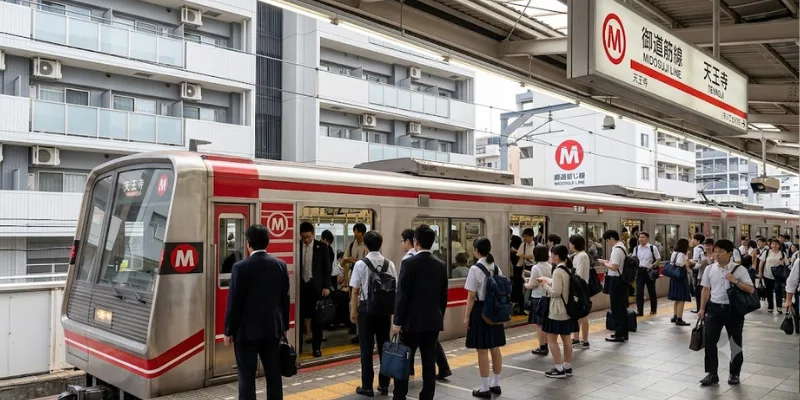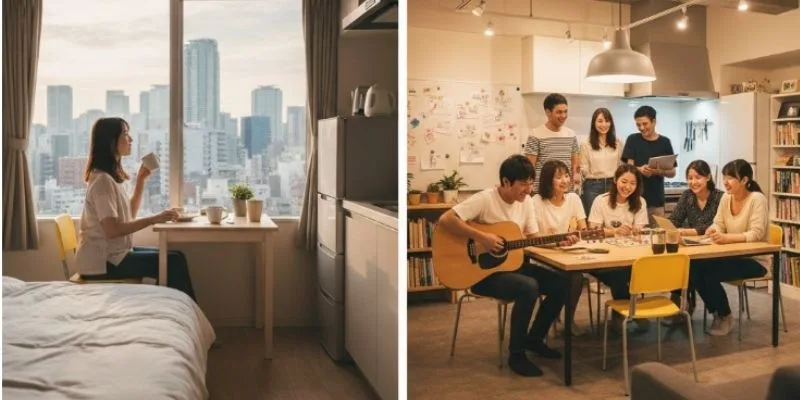

Choosing a home is a crucial decision, reflecting your lifestyle and personal values. A single person starting a new life in Japan faces an important choice. They need to decide between a traditional 1K apartment in Japan and a Share House. Each option offers distinct values. This guide provides a detailed economic comparison and a psychological analysis of 1K vs Share House for Single Person Japan to help you find the perfect living situation in Tokyo and beyond.
The Economic Reality: 1K vs. Share House Cost Comparison
The financial burden is often the most critical factor when selecting accommodation. We will compare the initial setup costs. Then, we will examine the ongoing monthly expenses. This analysis will highlight the dramatic differences between renting a 1K apartment and opting for a Share House.
Initial Cost: The Astonishing Difference
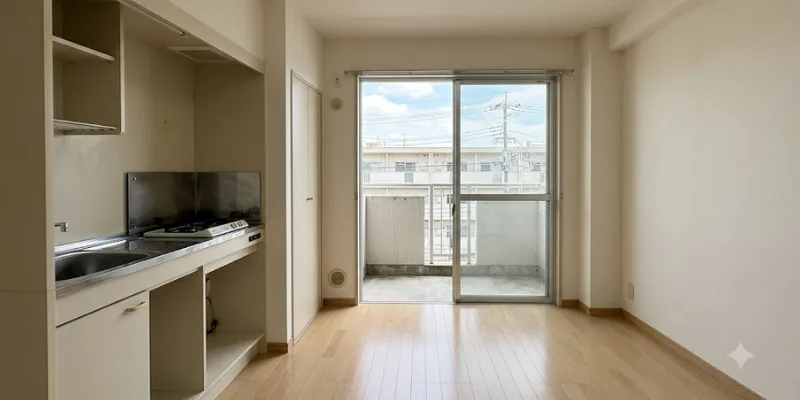
Starting an independent life in a 1K apartment for rent Japan presents a significant upfront barrier. The initial cost typically includes a security deposit (Shikikin), key money (Reikin), brokerage fees, prepaid rent, and fire insurance. These expenses can easily amount to 2.5 to 5 months of rent.
For example, if you secure a 1K apartment in a high-demand area like Shinjuku Ward, Tokyo, with an average rent of $1,000 (approx. 150,000 JPY), the initial payment alone would range from $2,500 to $5,000 (approx. 375,000 JPY to 750,000 JPY). On top of this, you must purchase new furniture and appliances, substantially increasing the total move-in cost.
In stark contrast, a Share House drastically minimizes these costs. Many Share Houses waive deposits, key money, and brokerage fees. Instead, they usually require a refundable holding deposit of approximately $65 to $350 (approx. 10,000 JPY to 50,000 JPY). Furthermore, since Share Houses are generally fully furnished, you significantly reduce moving expenses. They are equipped with beds, refrigerators, and washing machines. This minimizes the need for new purchases. This is particularly advantageous for students and young professionals relocating to Tokyo Japan apartment rent from overseas or other regions.
Monthly Living Expenses: How Utility and Rent Differ
Another major appeal of the Share House model is the lower and consolidated monthly living cost.
If you live in a 1K apartment in Tokyo Japan, you are fully responsible for all essential utilities and services. This includes rent, electricity, water, gas, and internet fees. These must be managed and paid separately, adding administrative stress.
In a Share House, these costs are shared among residents. They are typically included in a single, fixed Common Area Fee. This pooling of resources significantly lightens the financial burden on the individual. The average rent for a private room in a Shinjuku Share House, for instance, is approximately $370 to $460 (approx. 56,000 JPY to 70,000 JPY), which is substantially lower than the average 1K rent in the same area. The operation company handles the monthly payments and management of utilities, offering a significant benefit in terms of time and peace of mind.
| Cost Item | 1K Apartment | Share House | Key Observation |
| Initial Fee | 2.5–5 months’ rent + Furniture/Appliance costs. | Deposit only (10.000 – 50.000 JPY). | No key money, no brokerage fees are required. |
| Moving Cost | High, as all personal belongings and furniture must be transported. | Affordable, requiring minimal luggage due to provided furnishings. | Utilizes pre-existing furniture and appliances. |
| Monthly Rent | Fully paid by the individual. | Significantly cheaper, even for a private room. | This difference is most pronounced in major metropolitan areas. |
| Utilities (Water/Electric/Gas) | Fully paid by the individual. | Shared cost, minimizing the burden on each person. | Included in the monthly Common Area Fee. |
| Internet | Fully paid and managed by the individual. | Usually included in the Common Area Fee. | Ready-to-use internet access. |
The Psychological Enrichment: Mental Well-being and Community
The value of a home extends beyond its financial aspects; the emotional richness gained through daily life and interpersonal connections is equally vital in choosing a residence. When evaluating 1K vs Share House for Single Person Japan, one must consider how the physical environment impacts mental health and social integration.
Security and Escaping Loneliness
Living alone, especially when you begin a new life in an unfamiliar environment, can present challenges. These may include feelings of loneliness. There can also be a disruption of daily routines. The anxiety of having no one to turn to during difficult times can be overwhelming. This includes circumstances like illness or financial trouble. For instance, single residents may find themselves eating and sleeping irregularly, losing a consistent rhythm in life.
The Share House acts as a psychological safety net, mitigating these worries. Knowing that others are nearby provides a strong sense of security, significantly contributing to mental stability. You gain the warm connection of community, a benefit difficult to achieve when living alone. Examples of this community support include: residents helping each other during a sudden illness. They offer emotional support after a difficult workday. They also share home-cooked meals to ensure a balanced diet.
Self-Development and Diverse Exposure
A 1K fosters independence and responsibility. It achieves this through managing all household chores and finances. The Share House offers a unique environment for personal growth. You can “re-discover yourself via interaction with others” in this setting.
Share Houses intentionally bring together individuals from diverse backgrounds. This includes different ages, professions, nationalities, and hobbies. These are people you might not encounter in your regular life. Engaging with these diverse perspectives is an invaluable opportunity to re-evaluate your values and broaden your worldview. Interacting with diverse cultures and ways of thinking naturally develops the intercultural adaptability essential for career growth. A Share House is not just a place to live; it’s a platform for continuous learning. Specific examples include: A Japanese student practices English with a resident from the US. An engineer exchanges business ideas with a graphic designer. A group of residents collaborates on a weekend volunteer project.
The Diversity of Share Houses: Finding Your Niche
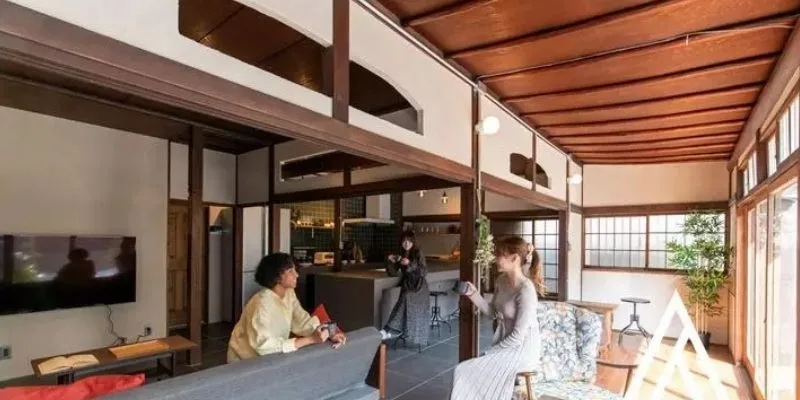
In recent years, Share Houses have evolved beyond mere residences. They have become focused communities that help residents achieve specific lifestyles. These communities aid in reaching personal goals. This “concept value” is creating a novel form of living for the Share House. It complements the practical benefits of cost and location.
The Allure of Concept-Driven Communities
Specialized “Themed Share Houses” allow you to live with others who share your passions and objectives. This focus creates a deeply engaging environment for self-improvement and shared experiences.
- Music/Instrument Focused: Equipped with soundproof rooms, allowing residents to practice instruments without time constraints.
- Fitness Focused: Furnished with gym equipment and saunas, perfect for health-conscious individuals who can motivate each other.
- Entrepreneurship/Creator Focused: Features co-working spaces and seminar rooms, attracting entrepreneurs, engineers, and writers for daily knowledge exchange and collaboration.
- International Exchange/Language Focused: This place is home to a high percentage of foreign residents. It is favored by language learners. It sometimes offers dedicated English conversation sessions.
These concept houses address the new demand from residents. They choose the location not out of necessity. It is the only place they can experience their ideal lifestyle. They serve as a “platform” for self-fulfillment and goal achievement.
The Trade-Offs: The Compromise of Communal Living
The Share House offers significant financial and social advantages, particularly for those new to the country. However, when deciding between a 1K vs Share House for Single Person Japan, it is essential to acknowledge the trade-offs. These trade-offs include personal space and interpersonal dynamics, which can impact your daily comfort.
Limited Personal Space and Noise Issues
The most notable disadvantage of a Share House is the inherent limitation on personal space and privacy. You will have a private bedroom. However, the common areas—kitchens, living rooms, and bathrooms—are shared. This means you must constantly adjust your routine to accommodate others. For individuals accustomed to absolute autonomy in a 1K apartment, this constant negotiation can be draining.
Residents may face long queues for the laundry machine. They might find the kitchen workspace consistently occupied during peak hours. Noise disturbances from others in adjacent rooms or common areas are also possible, especially in older buildings. Personal freedom is limited. All activities must follow the house rules. They must also adhere to the community’s general tolerance levels.
Navigating Complex Interpersonal Relationships
The very strength of the Share House—its diverse community—can also become its weakness. Living with many individuals inevitably increases the potential for complex relationships and conflicts. Different personalities, cleaning standards, and communication styles must coexist. Professional management companies mediate serious conflicts, such as hygiene or utility misuse, as discussed in Expert Issue Resolution. However, minor daily frustrations are constant possibilities. These include noise, forgotten chores, or differing social habits. Successfully living in a Share House requires a high level of patience. Flexibility and proactive communication are also necessary. Unfortunately, not everyone possesses these qualities. Many do not wish to exercise them after a long day of work. Therefore, while a Share House offers a psychological safety net, it also introduces the pressure of continuous social interaction. This makes it less suitable for introverts or those who prioritize absolute solitude.
Tips and FAQs for Successful Share House Living
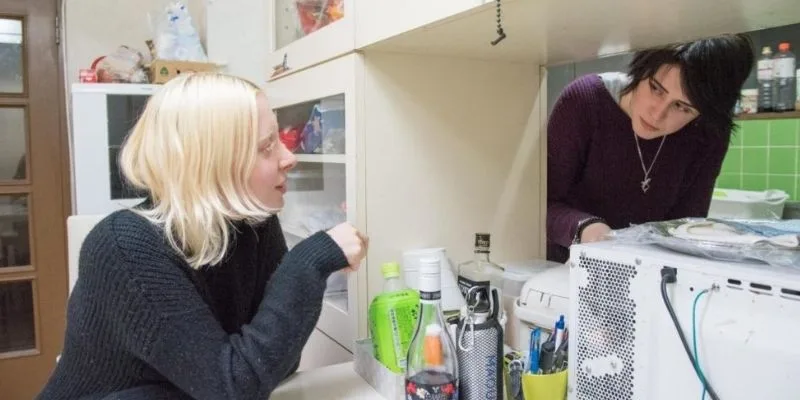
Concerns about interpersonal issues are common when considering communal living. However, these worries are greatly minimized in a professionally managed Share House. When evaluating the choice between a 1K vs Share House for Single Person Japan, it is important to understand that professional management acts as a crucial mediator that you wouldn’t have in a traditional apartment.
Pre-Move-In Checklist
To prevent misunderstandings, thorough preparation is essential. You must physically visit the location. Inspect the common spaces and amenities. Check the number and condition of shared appliances. It is critical to sense the atmosphere and lifestyle of the current residents. Simultaneously, ensure the operating company’s rules, support systems, and contact points for issues are clearly understood.
Expert Issue Resolution
It is widely known that over 90% of Share House issues can be resolved by consulting the operating company. Even for sensitive issues, such as noise complaints, the management company acts as a professional mediator. They also address cleanliness in common areas. This ensures a smooth resolution.
This is an important difference from “room sharing” with friends. In that situation, individuals sign the lease. They must resolve all issues themselves. The intervention of a professional management company prevents conflicts in personal relationships, maintaining a comfortable communal life. Some management companies offer multilingual support centers (e.g., Japanese, English, Korean, Chinese), creating a supportive environment even in highly international residences.
A-Realty: Your Trusted Partner in Japanese Housing
Finding the right property in a new country can be overwhelming. It is especially challenging when navigating the complexities of Japanese leasing agreements. One must also consider cultural expectations. A-Realty specializes in connecting international residents with verified, high-quality apartments in Japan. Their listings include both modern 1K units and diverse Share Houses.
We understand the unique needs of expatriates and offer dedicated, multilingual support to ensure a seamless transition. You may prioritize the privacy of a 1K. Alternatively, you might prefer the communal richness of a themed Share House. A-Realty has a solution for you. Our portfolio includes properties specifically suited for long-term stays, student accommodation, and premium apartments in Tokyo Japan.
Contact A-Realty today for a personalized consultation and a list of verified 1K apartments and specialized Share Houses! Let us guide you to the perfect home where you can start your stable and enriching life in Japan.
Conclusion
The comparison of 1K vs Share House for single person Japan shows that housing decisions in Japan go beyond just rent. A 1K apartment offers privacy, autonomy, and a structured living environment. It is suitable for individuals with stable income. It also suits those with long-term plans in apartments in Tokyo Japan.
A share house, on the other hand, provides lower initial costs and fixed monthly expenses. It also offers a built-in community that supports daily life. This option works especially well for newcomers seeking an apartment for rent Japan that combines affordability with social connection.
By understanding these differences, single residents can confidently select housing that supports financial balance. It also provides lifestyle comfort and ensures a smooth transition into life in Japan.

Real estate advisor at Arealty Japan, specialising in helping foreign residents navigate the Tokyo and Osaka rental markets. Lucy has guided hundreds of international renters — from Working Holiday visa holders to corporate relocations — through Japan’s apartment application process. Her writing draws on firsthand experience with landlord screening, guarantor companies, and foreigner-friendly listings across all 23 Tokyo wards and major Kansai cities.