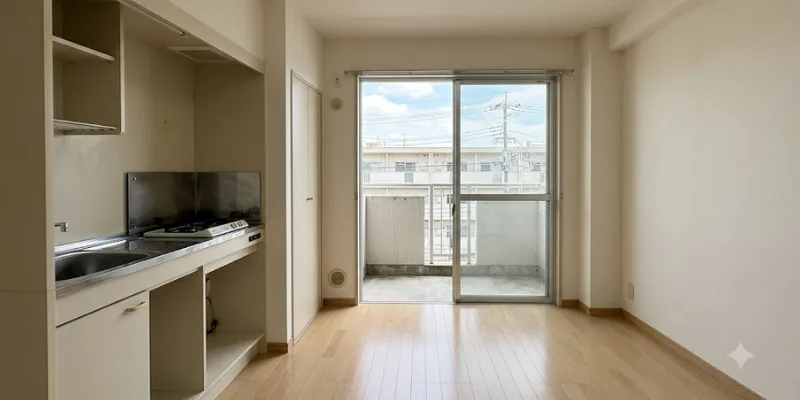

When searching for apartments in Japan, you will frequently encounter technical abbreviations describing building structures in real estate listings. Among these, the Reinforced Concrete building (commonly abbreviated as RC) stands as the gold standard for urban multi-family housing. Choosing the right structure is a critical decision because it directly influences your daily comfort, personal safety during natural disasters, and monthly utility expenses.
This guide provides an in-depth professional analysis of Japanese construction standards to help you secure the ideal apartment for rent Japan has to offer, focusing on the practical benefits for international residents and expatriates moving to major hubs like Tokyo, Osaka, or Nagoya.
What is a Reinforced Concrete Building (RC)?
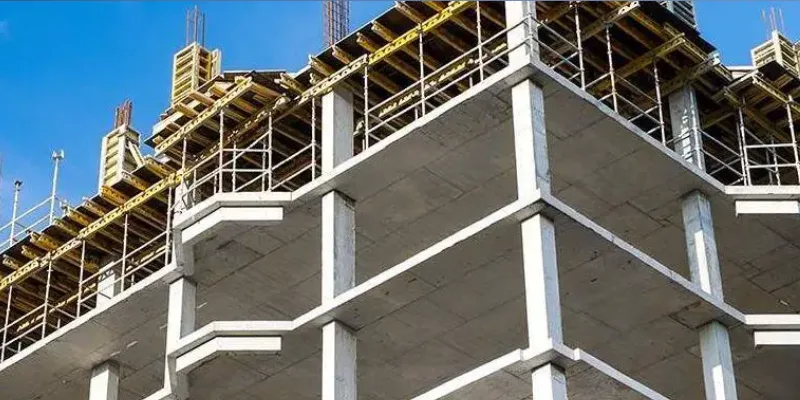
A Reinforced Concrete building is a structure where the high tensile strength of steel bars and the superior compressive strength of concrete are combined to create a formidable composite material. In this engineering configuration, steel rods are meticulously placed within molds before liquid concrete is poured, ensuring that the pillars, beams, and walls act as a single, rigid unit once cured.
This construction method is the primary choice for mid-rise apartments in Tokyo Japan because it offers a superior balance of durability and cost-efficiency. By utilizing the chemical properties of concrete to protect the steel from rusting and the steel to prevent the concrete from cracking under tension, RC buildings achieve a theoretical physical lifespan that can far exceed 100 years with proper maintenance.
For those looking at a Japan Tokyo apartment rent listing, “RC” signifies a premium level of stability. This structural integrity is vital in Japan, where buildings must withstand frequent seismic activity and high humidity levels throughout the year.
Comparative Analysis of Building Structures in Japan
The Japanese real estate market categorizes buildings into four primary types based on their skeletal materials. Understanding these distinctions is essential when browsing apartments in Japan to manage your expectations regarding noise and insulation.
Steel Reinforced Concrete (SRC)
This structure inserts a heavy steel frame (I-beams or H-beams) inside the reinforced concrete. This is the most robust method, reserved for high-rise “Tower Mansions” exceeding 10–15 stories. It combines the rigidity of RC with the flexibility of steel, making it the most expensive but safest option.
Steel Frame (S)
Constructed using steel beams without a concrete encasement. It is divided into “Light Gauge Steel” (often used for 2-story apartments or “Leopalace” style buildings) and “Heavy Gauge Steel” (used for larger commercial blocks). While durable, these buildings often lack the soundproofing of a Reinforced Concrete building.
Wooden Construction (W)
The traditional Japanese “Mokuzou” construction remains popular for detached houses and low-rise apartments. While modern wooden houses are earthquake-resistant, they generally offer the least amount of soundproofing and insulation compared to concrete-based structures.
Core Benefits of Living in an RC Structure
Choosing a Reinforced Concrete building provides several tangible advantages that enhance the quality of life for residents.
Unmatched Sound Insulation
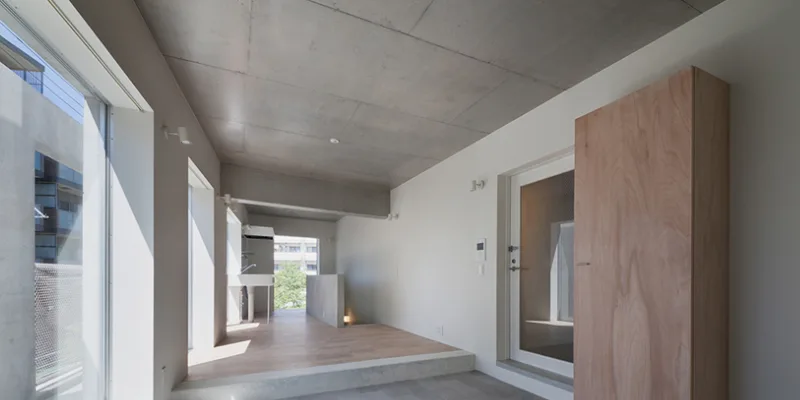
One of the most common complaints among those who find an apartment for rent Japan in wooden or light steel buildings is noise transfer. RC structures utilize thick concrete slabs (usually 150mm to 200mm) for walls and floors. This density effectively blocks airborne sounds, such as voices or music, and significantly reduces impact sounds, such as footsteps from the floor above.
- Example 1: Urban Sound Buffering. In a busy district like Shibuya, an RC building prevents the roar of traffic and sirens from penetrating the living room.
- Example 2: Neighbor Harmony. The thick walls ensure that the sound of a neighbor’s vacuum cleaner or television does not disturb your sleep.
- Example 3: Instrument Practice. Many RC apartments allow for digital piano practice during daytime hours because the vibration is absorbed by the concrete floor.
Superior Fire Resistance
Safety is a non-negotiable factor when seeking apartments in Tokyo Japan. Concrete is an inorganic, non-combustible material. In the event of a fire in a neighboring unit, an RC structure acts as a barrier, preventing the flames from spreading quickly. This high fire-resistance rating often results in lower fire insurance premiums for the tenant.
Exceptional Thermal Stability
RC buildings possess high “thermal mass.” This means the building maintains a consistent internal temperature more effectively than steel or wood. The concrete stays cool during the humid Japanese summer and retains heat during the winter if the air conditioning is used efficiently. This stability is particularly beneficial if you spend significant time working from home, as it prevents sudden temperature fluctuations.
Seismic Performance and Safety Standards
Japan is one of the most earthquake-prone countries in the world. A Reinforced Concrete building is designed to absorb and dissipate energy during a tremor. Unlike lighter structures that may sway significantly, RC buildings provide a sense of “stiffness” and security, which is highly valued in a Japan Tokyo apartment rent search.
Modern RC buildings comply with the “Shin-Taishin” (New Earthquake Resistance) standards established in 1981. These regulations ensure that the building will not collapse even during a major earthquake (Intensity 6-7 on the JMA scale). When viewing apartments in Japan, always check the “Year Built” section to confirm compliance with these modern safety codes.
ARealty: Your Professional Partner for Japan Tokyo Apartment Rent
Navigating the complexities of the Japanese real estate market requires local expertise and a deep understanding of building standards. ARealty specializes in connecting international clients with high-quality housing, specifically focusing on the Reinforced Concrete building sector in major urban hubs.
At ARealty, we understand that moving to a new country involves more than just finding a roof over your head; it is about finding a home where you feel secure and comfortable. Our bilingual agents are experts in the Tokyo market and can provide detailed structural reports for every property we show. We prioritize transparency, ensuring you understand the pros and cons of RC, SRC, and S structures before you sign a lease.
Would you like ARealty to curate a list of available RC apartments in Tokyo that match your budget and commute requirements? We can help you navigate the “Initial Costs” (Reikin, Shikikin) and find properties that are “Foreigner Friendly” without compromising on structural quality.
Essential Considerations for International Tenants
While a Reinforced Concrete building offers many pros, there are specific characteristics you should be aware of before signing a lease for apartments in Tokyo Japan.
Managing Internal Humidity
Because RC structures are highly airtight, they do not “breathe” as naturally as wooden houses. This can lead to condensation on windows and walls during the winter months if the apartment is not ventilated properly. Most modern apartments in Japan are equipped with 24-hour ventilation systems; it is imperative to keep these running to prevent mold growth and maintain air quality.
Spatial Constraints of Pillars and Beams
In “Rahmen” (frame) RC structures, large pillars often protrude into the corners of the rooms. When measuring for furniture in your apartments in Tokyo Japan, you must account for these protrusions rather than just measuring wall-to-wall.
- Example 1: Bed Placement. A king-sized bed might not fit flush against a wall if a corner pillar occupies 30cm of the floor space.
- Example 2: Curtain Rails. Protruding beams near the ceiling may require custom-length curtains or specific rail attachments.
- Example 3: Storage Solutions. Residents often use “dead space” created by beams to install custom shelving or decorative lighting.
Practical Examples of RC Living Standards
To better understand the diversity of the Reinforced Concrete building category, consider these three common scenarios found in the Japanese rental market:
- Mid-Rise Residential Mansions: A typical 7-story RC building located in residential districts like Setagaya. These buildings often feature an “Auto-lock” entry system, elevator access, and thick walls that allow for a quiet living environment even if neighbors have small children.
- Urban Studio Apartments: Modern 1K or 1R units in districts like Shinjuku. These RC structures are designed for maximum space efficiency, often utilizing high-performance concrete to keep walls thinner while maintaining soundproofing standards, making them ideal for young professionals.
- Renovated Vintage RC Blocks: Older RC buildings (built post-1981) that have undergone full interior “renovations.” These offer the structural strength and soundproofing of concrete at a lower rent than brand-new builds, often featuring modernized kitchens and bathrooms.
Financial Implications of Choosing RC
When searching for an apartment for rent Japan, you will notice that RC and SRC buildings generally command higher rents than wooden or steel-frame alternatives. This price difference reflects the higher construction costs and the premium placed on comfort and safety.
Maintenance and Common Area Fees
Because RC buildings usually include elevators, fire suppression systems, and reinforced foundations, the “Kanri-hi” (Management Fee) may be slightly higher. However, this fee ensures that the building remains in peak condition, preserving its value and your safety.
Utility Savings
While the rent may be higher, the superior insulation of a Reinforced Concrete building can lead to lower electricity bills. The concrete walls act as a thermal buffer, meaning your air conditioner does not have to work as hard to maintain a cool temperature in August or a warm temperature in January.
Selecting the Right Structure Based on Lifestyle
Your choice of a Reinforced Concrete building should align with your daily habits and priorities. Professional architects often suggest choosing your building material based on your “at-home” schedule.
If you are a light sleeper or work late shifts, an RC building is almost mandatory to ensure you are not disturbed by the morning routines of neighboring units. Conversely, if you are looking for the most budget-friendly apartments in Japan and do not mind occasional noise, a wooden or light steel structure may suffice.
Furthermore, if you prioritize a view, you may need to look beyond RC and into SRC (Steel Reinforced Concrete) structures. While RC is perfect for mid-rise living, SRC is the engineered solution for skyscrapers, providing the necessary flexibility to handle high-altitude wind loads and major seismic shifts.
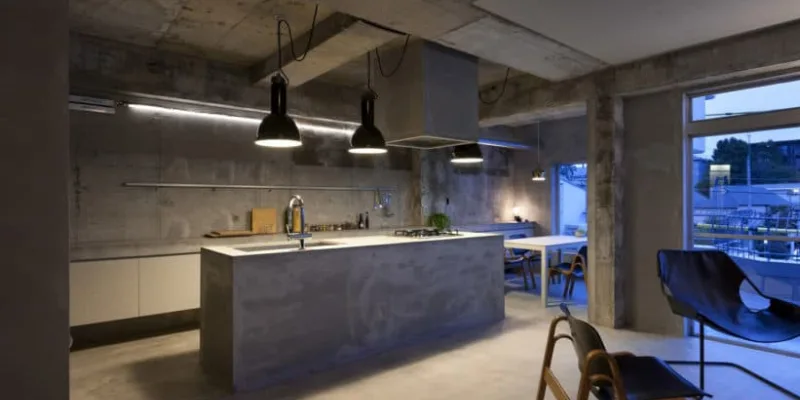
Understanding the “Rahmen” vs. “Wall” Structure
Within the category of Reinforced Concrete building, there are two main ways the weight is distributed. Knowing which one your apartment uses can help you plan your interior layout.
Rahmen Structure (Frame)
The most common type for apartments in Tokyo Japan. The building is supported by thick horizontal beams and vertical columns. This allows for large windows and open floor plans because the internal walls are not “load-bearing.” You can often remove internal walls during a renovation to create a larger living space.
Wall Structure (Kabe-shiki)
Common in low-rise RC apartments (usually 5 stories or less). The walls themselves support the weight of the building. This results in a cleaner interior with no protruding corner pillars. However, because the walls are load-bearing, they are much thicker, and you cannot remove them to change the floor plan. This structure is known for having even better soundproofing than the frame structure.
Maintenance and Long-Term Durability
One of the reasons many foreigners choose a Japan Tokyo apartment rent in an RC building is the lack of “wear and tear” compared to other materials. Concrete does not warp, rot, or attract termites, which are common issues in older wooden buildings in Japan’s humid climate.
Periodic Inspections
In Japan, RC buildings are subject to strict legal inspections every few years. This includes checking the exterior tiling for cracks, ensuring the fire escapes are clear, and testing the water tank systems. When you rent an RC apartment, you are benefiting from a highly regulated maintenance ecosystem that prioritizes tenant safety.
Modern Renovation Trends
Many RC buildings from the 1990s are currently undergoing “major large-scale repairs” (Daishibo Shuzen). This often involves refreshing the exterior paint, improving roof waterproofing, and upgrading common areas. If you find a slightly older RC apartment for rent Japan, it may actually be in “like-new” condition due to these rigorous maintenance cycles.
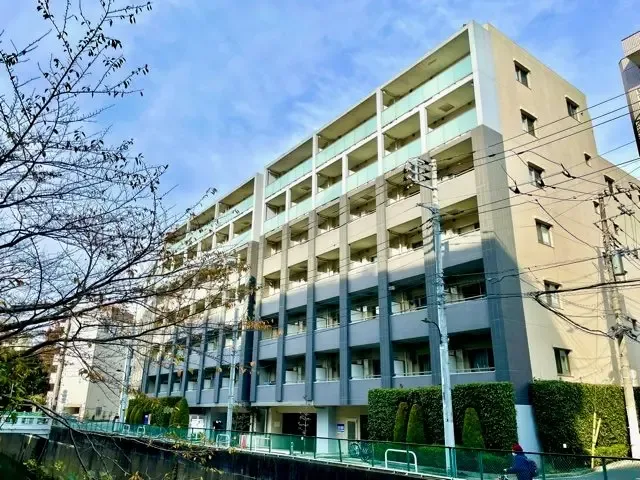
Practical Example: Residia Nakaochiai Building B
This property is a prime example of a modern Reinforced Concrete (RC) residence in Shinjuku, Tokyo.
- Modern Safety Standards: Built in 2008, it exceeds the “Shin-Taishin” earthquake resistance codes, offering the high structural rigidity typical of RC frames.
- Top-Floor Privacy: Being on the 7th floor of 7, you benefit from the RC structure’s soundproofing while completely eliminating footsteps from neighbors above.
- Thermal Efficiency: The South-Facing orientation works with the concrete’s “thermal mass” to keep the unit warm in winter and cool in summer, reducing utility costs.
- Premium Features: Reflecting the quality of RC builds, the unit includes high-end amenities like a Bathroom Dryer (crucial for moisture control in airtight concrete rooms) and Auto-lock security.
- Space & Layout: The 61.57 m² 2LDK layout provides a quiet, solid living environment that lighter wooden or steel structures simply cannot match in an urban center like Shinjuku.
Conclusion
The Reinforced Concrete building remains the most recommended structural type for anyone seeking a high-quality apartment for rent Japan. It provides a sanctuary of quiet and safety amidst the bustling, high-density environment of cities like Tokyo. By prioritizing RC or SRC structures in your search for apartments in Tokyo Japan, you are investing in your long-term well-being and peace of mind.
When evaluating a Japan Tokyo apartment rent opportunity, always verify the construction year and the specific RC subtype to ensure it meets your expectations for noise, heat, and seismic safety. This technical due diligence, combined with the right real estate partner, will ensure your stay in Japan is both comfortable and secure.
Are you ready to find your next home? Contact ARealty today to explore the finest Reinforced Concrete buildings available in Tokyo’s most sought-after neighborhoods.

Real estate advisor at Arealty Japan, specialising in helping foreign residents navigate the Tokyo and Osaka rental markets. Lucy has guided hundreds of international renters — from Working Holiday visa holders to corporate relocations — through Japan’s apartment application process. Her writing draws on firsthand experience with landlord screening, guarantor companies, and foreigner-friendly listings across all 23 Tokyo wards and major Kansai cities.