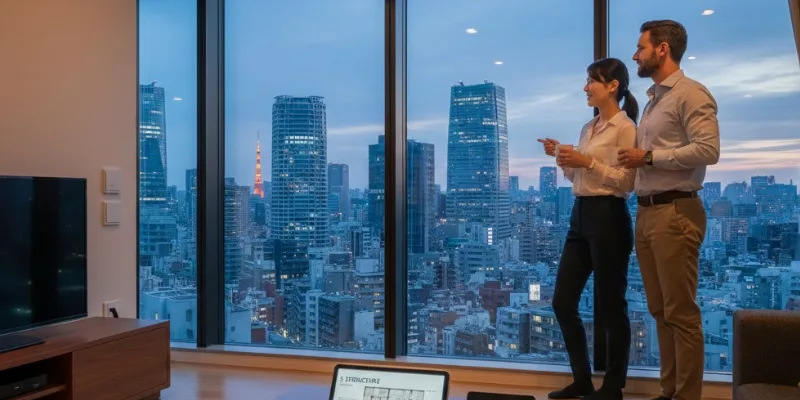

Choosing the right building structure is a critical decision when searching for apartments in Japan. Steel frame construction, or “S-structure,” is common in Japan. It offers a perfect balance of affordability and durability.
For expatriates looking for an apartment for rent Japan offers, understanding the technical nuances of your building can significantly impact your daily living experience, monthly utility costs, and overall safety. This guide provides a professional, in-depth breakdown of steel structures and how they compare to other housing options in the contemporary Japanese market.
What is Steel Frame Construction?
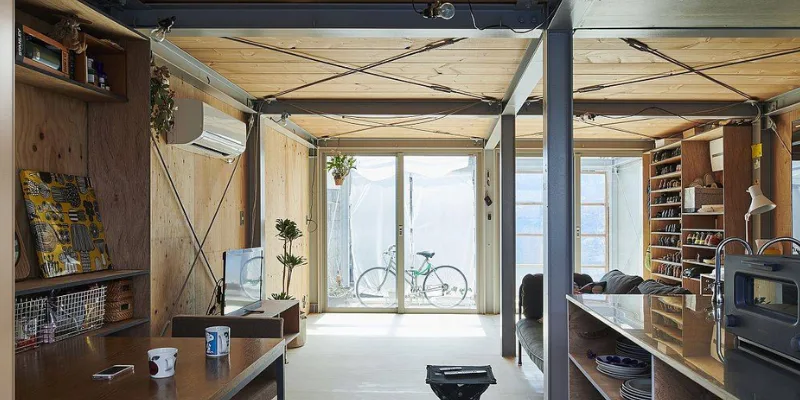
Steel frame construction is a structural method where the framework of the building, including the primary columns and beams, is composed of steel. In the Japanese real estate industry, this is officially categorized as “S-structure” (Steel-structure). This method is widely utilized for apartments in Tokyo Japan because it offers a high strength-to-weight ratio, allowing for efficient land use in densely populated urban districts.
Buildings in Japan are generally categorized by their materials to help consumers understand their durability and fire resistance. While wooden structures (W-structure) are common for single-family homes, steel frames are the standard for multi-family residential units. The steel used in these buildings is specifically treated to resist the humid Japanese climate, ensuring long-term structural integrity if maintained correctly.
Light-Gauge Steel (LGS)
Light-gauge steel structures utilize steel components with a thickness of less than 6mm. This method is the standard for two-story apartment buildings (often called “Leopace” or “Apaman” style blocks) and prefabricated houses. It is highly cost-effective and allows for a shorter construction period because many components are pre-manufactured in factories before being assembled on-site.
Because the components are lightweight, the overall weight of the building is reduced, which can be advantageous in areas with softer ground conditions. However, LGS buildings often use “brace structures” (diagonal reinforcements), which can sometimes limit the flexibility of interior renovations or window placements.
Heavy-Gauge Steel
Heavy-gauge steel structures use steel that is 6mm thick or greater. This robust framework is typically found in mid-rise residential buildings, large-scale commercial facilities, and high-end apartments in Japan. Because the material is thicker, it provides superior structural integrity and allows for the “Ramen structure” (a rigid frame system).
The Ramen structure enables wider internal spaces without the need for frequent supporting pillars or diagonal braces. This results in much higher layout flexibility, allowing for large floor-to-ceiling windows and open-plan living areas that are highly sought after in the japan tokyo apartment rent market.
Key Benefits of Steel Frame Construction
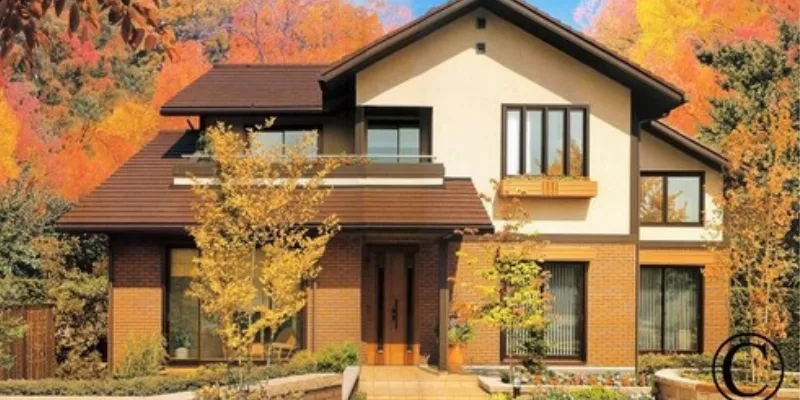
Choosing an apartment with a Steel frame construction provides several distinct advantages for tenants. These benefits make S-structure buildings a popular middle-ground option for those who find traditional wooden houses too vulnerable to the elements or reinforced concrete (RC) buildings too expensive for their budget.
Enhanced Structural Strength and Safety
Steel is inherently tougher than timber, providing excellent resistance against natural disasters. In the event of an earthquake, steel structures are designed to flex and absorb seismic energy, which prevents the building from brittle failure or collapsing. This resilience is a primary reason why many modern apartments in Japan utilize steel frames to meet and exceed strict national safety standards.
The strength of steel also allows for larger spans between columns. This means that even in a smaller apartment for rent Japan provides, the rooms can feel more spacious because there are fewer thick walls or pillars obstructing the view or the flow of the room.
Stable Construction Quality through Industrialization
Unlike wooden structures, which may vary in quality based on the moisture content of the timber or the specific skill level of the carpenter on-site, steel components are manufactured to precise industrial standards. Every beam and column must pass rigorous factory testing before it ever reaches the construction site.
This industrial approach ensures a consistent level of building quality. When you move into a steel-framed building, you can trust that the structural bones of the apartment meet the exact specifications intended by the architects. This reliability is a comfort to many foreign residents who are unfamiliar with local building traditions.
Cost-Efficiency for Modern Living
One of the most attractive features of steel frame buildings is their affordability. Because the materials are more cost-effective than reinforced concrete and the construction time is significantly shorter, the initial investment for developers is lower. These savings are frequently passed down to the tenant in the form of lower monthly rent and smaller move-in fees.
For those searching for apartments in Tokyo Japan, where land prices are among the highest in the world, the S-structure offers a way to live in a modern, safe building without the premium price tag of a concrete high-rise. It allows residents to allocate more of their budget toward lifestyle experiences rather than just housing costs.
Comparing Steel Structures to RC and SRC
When browsing listings for a Japan Tokyo apartment rent, you will inevitably encounter the terms RC (Reinforced Concrete) and SRC (Steel Reinforced Concrete). Understanding how Steel frame construction sits within this hierarchy is essential for setting realistic expectations regarding noise insulation and thermal comfort.
Steel Frame (S) vs. Reinforced Concrete (RC)
RC structures use a combination of steel rods (rebar) and poured concrete. While S-structure is lighter and more affordable, RC is significantly heavier and provides superior soundproofing. Concrete is a dense material that blocks air-borne vibrations more effectively than the thinner wall systems typically installed in light-gauge steel buildings.
If you are a musician or have a young family, you might prefer an RC building. However, for the average professional, a well-built steel frame apartment provides a perfectly adequate living environment at a much more competitive price point.
Steel Frame (S) vs. Steel Reinforced Concrete (SRC)
SRC is the premium tier of Japanese construction, essentially embedding a heavy steel frame inside reinforced concrete. This is the gold standard for high-rise skyscrapers in Tokyo. While SRC offers the absolute highest level of earthquake resistance and fireproofing, it is also the most expensive option for any apartment for rent Japan has to offer.
Recently, however, improvements in concrete technology have allowed RC buildings to reach greater heights, making SRC less common in new constructions. For most renters, a modern S-structure or RC building will provide more than enough safety and comfort for daily life.
Addressing the Challenges of Steel Frame Living
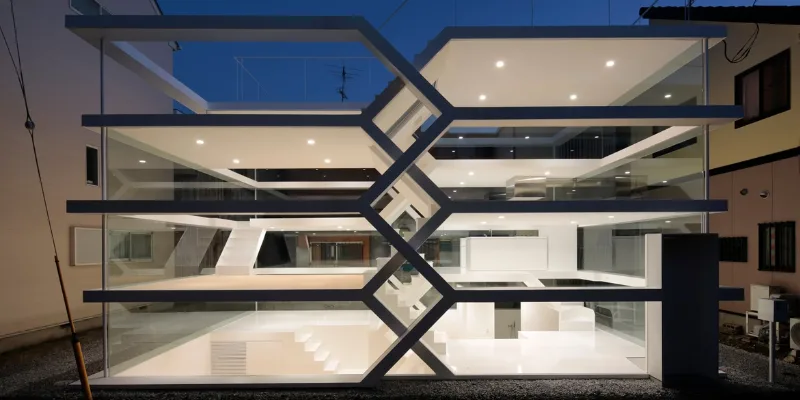
While Steel frame construction is durable and safe, it does have specific characteristics regarding temperature regulation and acoustics that tenants should be aware of. Being proactive about these factors will ensure a comfortable and harmonious stay in your Japanese home.
Sound Management and Privacy
Steel structures do not inherently block sound as well as thick concrete. The walls between units in an S-structure building are often constructed similarly to those in wooden houses. To maintain privacy and a quiet environment, successful tenants often utilize specialized home goods to enhance their living space.
Residents frequently invest in various soundproofing accessories, such as:
- Heavyweight blackout curtains that feature multiple layers to dampen external street noise and sirens.
- Thick area rugs or high-density foam mats to minimize the sound of footsteps and impact for neighbors living below.
- Strategic furniture placement, such as putting large wardrobes or bookshelves against shared walls to create a secondary sound buffer.
Insulation and Thermal Conductivity
Steel has high thermal conductivity, meaning it transfers heat and cold quite easily. This can make apartments feel colder in the winter and warmer in the summer if the building does not have advanced insulation. To maintain a stable internal climate and reduce electricity bills, residents often apply insulation upgrades, including:
- Thermal window films that reflect solar heat during the humid Tokyo summer and retain internal warmth during the winter.
- Weather stripping applied to door frames and window sashes to prevent the “drafty” feeling common in older steel buildings.
- Polyethylene foam sheets placed under rugs to prevent the cold from rising through the floor during the January and February cold snaps.
Practical Tips for Renting in Tokyo
The search for apartments in Tokyo Japan can be overwhelming due to the sheer volume of choices. When considering a steel-framed property, there are a few practical steps you can take during your viewing to ensure the unit meets your needs.
Evaluating the Unit During a Viewing
- The “Knock” Test: Gently knock on the walls separating your unit from the neighbor. If it sounds very hollow, you should be prepared to invest in some soundproofing mats or be mindful of your volume.
- Check for Condensation: Look at the corners of the window frames for any signs of mold or water staining. Because steel frames can get cold, condensation is a common issue that requires good ventilation.
- Verify the Floor Level: As mentioned in many Japanese housing guides, the first floor of a steel building can be quite cold. If you are sensitive to low temperatures, aiming for the second or third floor is often a better strategy.
Understanding the Neighborhood Context
The location of your Japan Tokyo apartment rent also dictates how much the building structure matters. In a quiet residential area like Setagaya, a light-gauge steel building is usually very peaceful. However, if you are looking at an apartment right next to a major train line or a busy highway, you may want to prioritize a heavy-gauge steel or RC building to ensure the vibrations don’t disturb your sleep.
Why Choose Arealty for Your Japan Home Search?
Navigating the complexities of the Japanese real estate market requires professional expertise, local knowledge, and a deep understanding of building structures. Whether you are looking for a cost-effective light-gauge steel apartment or a luxury high-rise, Arealty is your premier partner in the search for the perfect home.
Expertise You Can Trust
Arealty specializes in assisting expatriates and international professionals in finding high-quality apartments in Tokyo Japan. We provide transparent, honest information regarding building structures, ensuring you understand exactly what you are paying for. We believe that an informed tenant is a happy tenant.
Our team offers comprehensive support throughout the entire rental process. We understand that moving to a new country is a massive undertaking, which is why we provide:
- Multilingual Support: We bridge the communication gap between you and Japanese landlords.
- Structural Disclosure: We explain the pros and cons of Steel frame construction for every specific listing you view.
- Contract Clarity: We ensure you understand every clause of your lease agreement before you sign.
Curated Listings for Every Lifestyle
Arealty maintains an extensive and constantly updated database of listings, including various property types for international residents, such as:
- Modern S-structure studio apartments located near major transit hubs like Shinjuku, Shibuya, and Ueno.
- Spacious family-sized RC apartments in quiet, greenery-filled neighborhoods like Setagaya or Meguro.
- High-end SRC luxury rentals in Minato-ku, featuring 24-hour bilingual concierge services and panoramic views of the Tokyo Tower.
Are you ready to find your dream home in Tokyo? Contact Arealty today, and let our experts guide you through the best apartments in Japan. Would you like us to start by sending you a curated list of steel-frame apartments in your preferred neighborhood?
Maintenance and Longevity of Steel Buildings
A common concern for those looking at an apartment for rent Japan offers is how well the building will age. Steel is a material that requires specific care to prevent rust, especially in a country with a distinct rainy season and high humidity.
Rust Prevention and External Care
In a Steel frame construction, the primary enemy is moisture. Unlike RC buildings where the concrete naturally protects the steel rebar from the air, the columns in an S-structure building rely on high-quality paint and anti-corrosion coatings. When you are inspecting a building, take a look at the external stairs and railings. If they are well-maintained and free of rust, it is a good sign that the management company takes building maintenance seriously.
The Role of Ventilation
Inside the apartment, maintaining good airflow is the best way to protect both the structure and your health. Most modern Japanese apartments come equipped with 24-hour ventilation systems. It is highly recommended to keep these running at all times to prevent moisture buildup against the steel-cooled walls, which can lead to hidden mold.
The Future of Steel Construction in Japan
As we move further into the 2020s, Steel frame construction continues to evolve. New alloys and more efficient insulation materials are being integrated into “New S-structure” buildings. This means that the gap in comfort between steel and concrete is narrowing every year.
Environmental Considerations
Steel is one of the most recycled materials on earth. For the environmentally conscious renter, choosing a steel-framed building can be a more sustainable choice than concrete, which has a very high carbon footprint during production. Many new apartments in Tokyo Japan are being built with “Green Steel” initiatives in mind, appealing to a new generation of eco-aware residents.
Technological Integration
Modern steel buildings are also more “smart-home” ready. Because the walls are not made of thick, signal-blocking concrete, Wi-Fi and cellular signals tend to travel much better through a steel-framed apartment. This is a significant advantage for those who work from home and require a stable, high-speed internet connection throughout their entire living space.
Conclusion
Steel frame construction represents a vital and highly effective component of the Japanese housing landscape. By choosing an S-structure building, you benefit from a high level of earthquake safety, stable industrial quality, and significantly more affordable rental rates compared to concrete alternatives.
While you may need to implement minor lifestyle adjustments—such as using rugs for soundproofing or thermal curtains for insulation—the overall value proposition is hard to beat. For most people searching for an apartment for rent Japan provides, the steel frame apartment offers the perfect blend of modern safety and financial flexibility.
When you are ready to begin your journey, remember that the structure of the building is just the beginning. The neighborhood, the proximity to the station, and the quality of the management company are all equally important. With the right information and a trusted partner like Arealty, you can navigate the Tokyo real estate market with total confidence.

Real estate advisor at Arealty Japan, specialising in helping foreign residents navigate the Tokyo and Osaka rental markets. Lucy has guided hundreds of international renters — from Working Holiday visa holders to corporate relocations — through Japan’s apartment application process. Her writing draws on firsthand experience with landlord screening, guarantor companies, and foreigner-friendly listings across all 23 Tokyo wards and major Kansai cities.