
As the architectural landscape of Japan evolves, the integration of advanced climate control technologies has become a standard expectation for residents. In the current market, as homes and apartments in Japan become increasingly airtight and highly insulated, the demand for heating equipment that maintains indoor air quality without pollution has risen sharply. Among these solutions, the Floor Heating System Japan (known as Yuka-danbo) stands out as a premier choice. While once a rarity in traditional Japanese households, it is now a highly sought-after feature for anyone looking for an apartment for rent Japan, particularly in the colder months.
However, choosing the right system involves more than just selecting a brand. Prospective tenants and homeowners often face concerns regarding installation processes, maintenance requirements, and long-term utility costs. This article provides an exhaustive analysis of the types of floor heating available, their mechanical benefits, and professional advice on selecting the best option for your lifestyle in a japan tokyo apartment rent.
The Mechanics and Benefits of Radiant Floor Heating
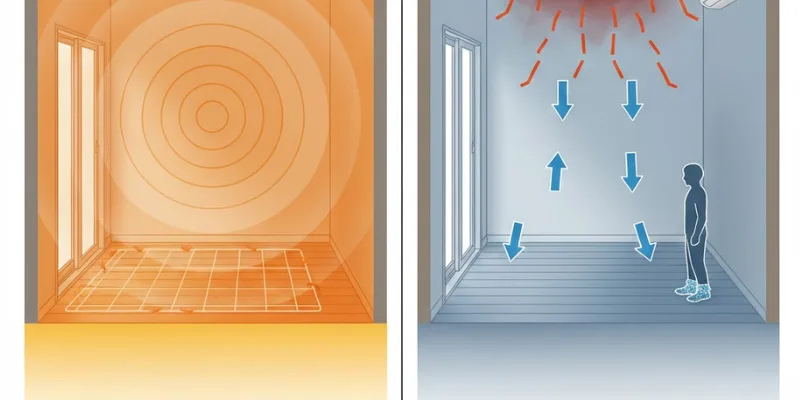
The fundamental appeal of a Floor Heating System Japan lies in its ability to warm a room from the ground up. Unlike traditional air conditioning units (HVAC) that rely on forced air—which often results in a hot ceiling and cold feet—floor heating utilizes radiant heat. The thermal energy generated at the floor level is absorbed by the walls and ceiling, which then re-radiate that warmth throughout the entire volume of the room.
The Science of Comfort and Health
The primary advantage of this system is the creation of a uniform temperature gradient. Because there is no active fan blowing air, the system prevents the agitation of allergens. This is a critical factor for expats moving into apartments in Tokyo Japan, as it ensures a living environment free from the “dry eye” syndrome and throat irritation often caused by standard heaters.
Key Advantages for Urban Residents:
- Safety and Hygiene: There are no exposed heating elements or flames, making it exceptionally safe for households with small children or pets.
- Air Quality Preservation: By eliminating air convection currents, the system significantly reduces the circulation of household dust, mite carcasses, and pollen.
- Thermal Consistency: It maintains a stable temperature at the floor level, which is particularly beneficial for the human circulatory system, keeping the extremities warm while maintaining a clear head.
Classification of Floor Heating Systems
In the Japanese real estate market, specifically when browsing for a japan tokyo apartment rent, you will encounter two primary technological categories: Hot Water (Hydronic) and Electric.
Hot Water Floor Heating Systems
Hot water systems are considered the “gold standard” for comfort in apartments in Japan. These systems function by circulating water, heated by an external source, through specialized cross-linked polyethylene pipes embedded in the subfloor.
The heat source for these systems can vary. Many modern buildings use high-efficiency gas boilers (such as the Eco-Jozu series) or electric heat pumps (such as EcoCute). These systems provide a very gentle, natural warmth that does not fluctuate wildly. Because the thermal mass of the water and the floor material stays warm for a long duration, they are incredibly efficient for spaces that require heating throughout the day.
Electric Floor Heating Systems
Electric systems utilize a resistive heating element or a specialized conductive material to generate heat. These are often preferred for renovations or smaller apartments in Tokyo Japan due to their thinner profile and lack of complex plumbing.
There are three major subtypes of electric heaters used in Japan:
- PTC (Positive Temperature Coefficient) Heaters: These are “smart” heaters. The material itself has the property of increasing resistance as the temperature rises. If a specific area of the floor is warmed by sunlight or covered by a cushion, the system automatically reduces power to that specific spot to prevent overheating.
- Heat Storage Heaters: These are designed to take advantage of Japan’s cheaper nighttime electricity rates. The system stores thermal energy in a high-density material overnight and releases it slowly during the day.
- Electric Wire/Film Heaters: These are the most basic form, consisting of heating wires embedded in mats. While they have the lowest installation cost, their operating cost is generally higher if used for extended periods.
Installation and Long-Term Maintenance Considerations
When you are evaluating an apartment for rent Japan, the longevity and maintenance of the heating system are as important as the monthly rent. The complexity of these systems means that repairs are not always straightforward.
Installation Nuances
Hot water systems require a significant amount of infrastructure, including the outdoor heat source unit and a network of pipes. This usually means a thicker floor assembly. If you are looking at a japan tokyo apartment rent in a newly constructed high-rise, it is likely that the developer integrated this during the initial build to maximize efficiency.
Electric systems, conversely, are much easier to retro-fit. They are often thin enough to be laid directly over existing subfloors before the final laminate or wood flooring is applied. This makes them a popular choice for older apartments in Japan that have been recently renovated to meet modern luxury standards.
Maintenance Protocols
- Hydronic Systems: The outdoor unit (boiler) generally has a lifespan of 10 to 15 years. In colder regions of Japan, the circulating fluid contains anti-freeze chemicals that must be replaced every few years to prevent internal corrosion and blockages.
- Electric Systems: These are largely maintenance-free because they lack moving parts or fluid. However, if an electrical fault occurs within the floor mat, it is often impossible to repair without tearing up the entire floor. Therefore, the quality of the initial installation is paramount.
Cost Analysis: Initial Investment vs. Running Expenses
For many expats seeking an apartment for rent Japan, the decision often comes down to the impact on the monthly utility bill. The cost-efficiency of a Floor Heating System Japan is highly dependent on the total area being heated.
| System Type | Best Suited For | Initial Cost | Monthly Running Cost |
| Hot Water (Gas/Heat Pump) | Large living rooms, multi-room units | High | Moderate to Low |
| Electric (PTC/Film) | Small studios, bathrooms, kitchens | Moderate to Low | High (if used 24/7) |
Comparative Monthly Operating Costs (Winter Season)
Estimates based on 8 hours of daily use in Tokyo, using standard utility rates.
| Apartment Type | Hydronic System (City Gas/Heat Pump) | Electric System (PTC/Resistive) | Potential Monthly Gap |
| 1-Bedroom (1LDK ~40m²) | ¥4,500 – ¥6,000 | ¥8,000 – ¥12,000 | + ¥4,000 – ¥6,000 |
| 2-Bedroom (2LDK ~60m²) | ¥7,000 – ¥9,000 | ¥15,000 – ¥22,000 | + ¥8,000 – ¥13,000 |
Case Study: 1-Bedroom (1LDK) vs. 2-Bedroom (2LDK)
The 1-Bedroom (1LDK) Scenario
In a typical 1LDK, floor heating is usually confined to the living/dining area (approx. 10–12m²).
- Electric System: Since the area is small, the monthly bill remains manageable (around ¥9,000). It is a viable option for professionals who only use the heating for a few hours in the evening.
- Hydronic System: The cost stays very low (around ¥5,000). However, for a single occupant, the efficiency gain might be offset by the higher base rent of luxury buildings that feature these systems.
The 2-Bedroom (2LDK) Scenario
For families or those working from home in a 2LDK, the heated area often expands to 25–30m².
- The “Electric Trap”: Running an electric floor heater for a large 2LDK can be prohibitively expensive. Japan uses a tiered electricity pricing structure where rates increase as you consume more. Consequently, your total bill could easily surge to ¥35,000 – ¥45,000 per month during January and February.
- The Hydronic Advantage: A hydronic system powered by City Gas (Toshi Gas) remains highly efficient even at scale. The cost reflects a linear increase rather than a geometric jump, making it the only sustainable choice for heating larger living spaces 24/7.
Critical Factor: City Gas vs. Propane
A major “red flag” to watch for in your japan tokyo apartment rent search is the gas type.
- City Gas (Toshi Gas): Highly affordable and makes Hot Water floor heating very economical.
- Propane Gas (LP Gas): Often 1.5x to 2x more expensive than City Gas. If a hydronic system runs on Propane, the cost benefits are largely negated, and you may find yourself paying nearly as much as an electric system.
Summary for Prospective Tenants
If you are eyeing a spacious apartment for rent Japan with the intention of keeping the floors warm all day, the technology behind the surface is paramount. A ¥10,000 difference in monthly rent between two apartments can be completely erased by high utility costs. Choosing a large apartment with an inefficient electric system can lead to a ¥15,000 increase in your monthly heating bills.
Exploring Premium Housing with ARealty
Navigating the complexities of the Japanese rental market requires expertise, especially when technical features like floor heating are a priority. ARealty is a leader in providing high-end residential solutions for the international community. We understand that finding the right apartments in Tokyo Japan involves more than just a good location; it requires a home that supports your well-being.
At ARealty, we specialize in luxury apartments in Japan that feature the latest Floor Heating System Japan technology. Our consultants provide detailed breakdowns of expected utility costs and system types for every apartment for rent Japan in our portfolio. We ensure our clients clearly understand the difference between electric and hydronic systems. This expertise helps them choose a property that perfectly aligns with both their lifestyle and budget.
Whether you are looking for a sleek japan tokyo apartment rent in Minato-ku or a spacious family home in Setagaya, ARealty offers personalized tours and technical consultations to ensure your winter months are spent in total comfort. Our commitment to transparency means you will never be surprised by maintenance issues or high energy bills.
Would you like ARealty to provide a curated list of properties in Tokyo that feature high-efficiency hydronic floor heating?
Real-World Examples of Floor Heating Applications
To illustrate the versatility of these systems, we can look at several examples of modern heating applications currently found in high-grade apartments in Japan:
- Zone-Based Control in Large Units: In many premium apartments in Tokyo Japan, the floor heating is divided into zones. For instance, you can activate the heating in the dining area during breakfast while keeping the lounge area off, significantly optimizing energy consumption.
- Integration with Smart Home Hubs: Residents in a modern japan tokyo apartment rent can often control their floor heating via smartphone apps. This allows you to turn the heat on 30 minutes before you arrive home, ensuring a warm welcome without wasting energy throughout the day.
- Kitchen and Bathroom Comfort: High-end apartments in Japan often install small electric PTC mats in the “wet areas.” This prevents the shock of stepping onto cold tiles in the morning. It is a subtle but significant upgrade to your daily quality of life.
How to Choose the Right System for Your Lifestyle
Selecting the ideal Floor Heating System Japan depends largely on your daily routine. If you are a professional who spends most of the day at an office, an electric system with a fast “warm-up” time might be more suitable for your japan tokyo apartment rent. You can turn it on when you arrive and feel the warmth within minutes.
On the other hand, if you work from home or have a family, the consistent, low-cost warmth of a hot water system is indispensable. When searching for apartments in Japan, always ask the landlord or agent for the “System Specifications Sheet.” This document will clarify if the system is gas-powered or electric, which is the single most important factor in predicting your winter expenses.
Key Questions to Ask Your Agent:
- “Is the floor heating system powered by a gas boiler or an electric heat pump?”
- “What is the estimated monthly cost for heating a room of this size (e.g., 20 tatami mats)?”
- “Are there specific maintenance tasks the tenant is responsible for, such as fluid refills?”

Environmental Impact and Sustainability
The Floor Heating System Japan is now a key tool for reducing urban carbon footprints. When paired with a heat pump, a hydronic system produces 3 to 4 units of heat for every unit of electricity used. This is far more sustainable than traditional electric space heaters.
Furthermore, because radiant heat feels warmer at lower air temperatures, residents often find they can set their thermostats 2°C to 3°C lower than they would with a standard heater while maintaining the same level of comfort. This reduction in energy demand is a key component of the “Green Building” initiatives seen in newer apartments in Tokyo Japan.
Conclusion
The Floor Heating System Japan represents a pinnacle of domestic comfort. Whether you are looking for an apartment for rent Japan or investing in a permanent home, understanding these systems is essential. From the health-conscious benefits of radiant heat to the economic advantages of hot water circulation, floor heating offers a superior alternative to traditional methods.
As you browse apartments in Tokyo Japan, remember to prioritize systems that align with your occupancy patterns. With the right choice, you can enjoy the sleek, minimalist aesthetic of Japanese design without sacrificing the warmth and coziness necessary for a high quality of life.

Real estate advisor at Arealty Japan, specialising in helping foreign residents navigate the Tokyo and Osaka rental markets. Lucy has guided hundreds of international renters — from Working Holiday visa holders to corporate relocations — through Japan’s apartment application process. Her writing draws on firsthand experience with landlord screening, guarantor companies, and foreigner-friendly listings across all 23 Tokyo wards and major Kansai cities.