
Choosing the right building structure is a critical decision when searching for apartments in Japan, as the material directly influences your quality of life, privacy, and safety. For many international residents looking for an apartment for rent Japan, the choice often boils down to a comparison of RC vs Wood apartment sound insulation properties. Understanding these structural differences ensures you select a home that provides a quiet sanctuary amidst the bustling urban landscape of Tokyo.
What is RC (Reinforced Concrete) Structure?
RC stands for Reinforced Concrete, a construction method where the primary skeleton of the building is composed of steel bars encased in high-strength concrete. This design utilizes a symbiotic relationship: the steel provides the necessary tensile strength to resist pulling forces, while the concrete offers immense compressive resistance. Together, they form a rigid, heavy frame capable of supporting the immense weight of modern residential complexes.
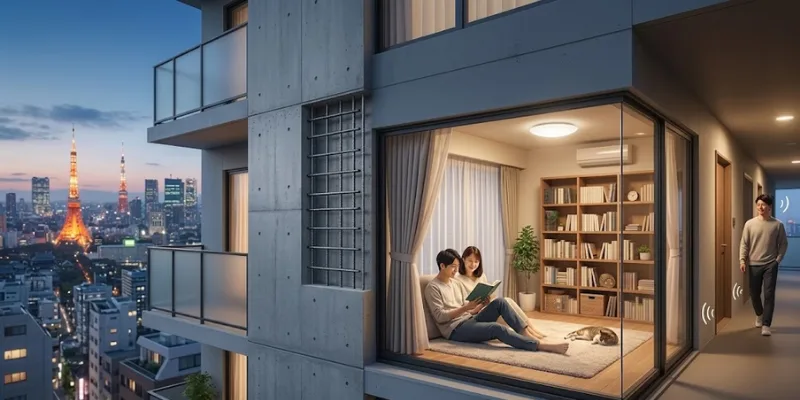
Reinforced concrete is the gold standard for high-quality apartments in Tokyo Japan. Beyond its structural integrity, RC is favored for its density. This density is the most effective natural defense against noise, making it the preferred choice for those who prioritize a quiet living environment. Whether you are looking for a studio or a family-sized unit, the RC designation is a hallmark of premium construction.
The Advantages of Reinforced Concrete Structures
Reinforced concrete offers several distinct benefits that justify its higher rental price point compared to other materials. These advantages are particularly relevant for those seeking a long-term Japan Tokyo apartment rent solution that balances comfort with safety.
Superior Sound Insulation and Noise Reduction
In acoustics, mass is the most effective way to block sound. Because RC structures are heavy and solid, they act as a formidable barrier against sound transmission. This structure effectively minimizes the intrusion of external noises, such as heavy traffic vibrations, emergency sirens, or loud conversations from neighboring units. Unlike lighter materials, concrete does not vibrate easily, meaning sound waves lose most of their energy before reaching your ears.
Fire Resistance and Seismic Durability
RC structures are inherently non-combustible. In a disaster-prone country like Japan, the fire resistance of concrete provides peace of mind. Furthermore, the combination of steel and concrete allows the building to withstand both horizontal and vertical vibrations caused by earthquakes. This seismic resilience is a top priority for anyone searching for apartments in Tokyo Japan.
Extended Longevity and Legal Life Span
The “Legal Useful Life” of a building in Japan is a testament to its durability. The Japanese government sets the legal lifespan of an RC structure at 47 years. In comparison, wooden structures are rated for only 22 years, while light steel-frame structures range between 19 and 27 years. This means an RC building maintains its structural integrity and insulation properties for decades longer than its counterparts, ensuring that even older RC buildings can offer a high standard of living.
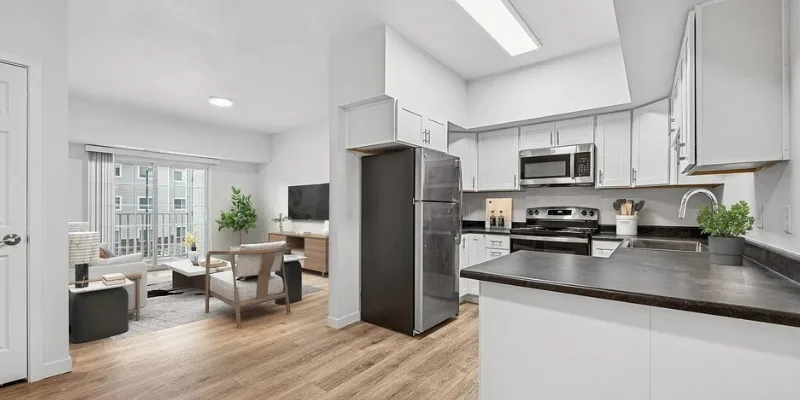
RC vs Wood Apartment Sound Insulation: A Comparative Analysis
When browsing for an apartment for rent Japan, you will encounter various acronyms like RC (Reinforced Concrete), S (Steel), and W (Wood). Each represents a different structural type with varying degrees of sound privacy.
Wood Structure (W)
Wooden structures, often used for two-story “apato” style buildings, generally offer the lowest level of sound insulation. Because wood is a porous and lightweight material, sound waves pass through walls and floors with minimal resistance. Residents in wooden apartments often report hearing footsteps from the floor above, the vibration of a neighbor’s washing machine, or even muffled phone conversations. While wood is breathable and often cheaper, it rarely provides the silence required for light sleepers or remote workers.
Steel Structure (S)
Steel-frame structures are divided into “Light Steel” (under 6mm) and “Heavy Steel” (6mm or thicker). While more durable than wood, their sound insulation is only marginally better. The metal frame can sometimes conduct vibrations more efficiently than wood, leading to “clanging” or “ringing” sounds if the walls are not sufficiently thick. For those seeking an apartment for rent Japan, steel structures represent a middle-ground option in terms of both price and performance.
Why RC Outperforms Other Structures
The primary reason for the superiority of RC is the absence of gaps. Concrete is poured into molds to create seamless floors, walls, and ceilings. This monolithic construction prevents air-borne sounds from leaking through structural joints. In a wood or steel building, there are often micro-gaps between the frame and the panels. In an RC building, the walls are a solid mass, providing a “vault-like” acoustic environment that is rarely achieved in other building types.
Critical Factors Affecting Sound Privacy in RC Buildings
While RC is generally superior, not all RC apartments are created equal. Several construction nuances can influence how much noise actually reaches your living space.
Rahmen (Frame) vs. Wall Structures
There are two main types of RC construction used in apartments in Japan:
- Rahmen Structure: This method uses thick columns and beams to support the building’s weight. Because the beams carry the load, the walls between rooms can be relatively thin. These thinner walls can sometimes compromise sound insulation between neighboring units.
- Wall Structure: The walls themselves support the building. These walls are typically much thicker (often exceeding 150mm–200mm), providing the highest level of soundproofing available in the residential market. This is common in low-rise luxury RC buildings.
The Impact of the GL Construction Method
In older apartments in Tokyo Japan, builders often used the “GL Method” to attach gypsum boards to concrete walls using adhesive dabs. This creates a hollow air gap between the concrete and the drywall. This gap can act as a drum (resonance), causing sounds to amplify. You might hear noises from two floors away because the sound travels through this hollow space. Modern buildings typically use the LGS (Light Gauge Steel) method with insulation material to avoid this phenomenon.
High-Rise Considerations
In very tall skyscrapers (SRC or RC structures), the walls on higher floors are sometimes made of lighter, “precast” panels or gypsum boards to reduce the building’s total weight. If you are looking at a Japan Tokyo apartment rent on the 40th floor, the walls between neighbors might actually be thinner than those in a 5-story RC building. Always check the wall material during your visit.
Professional Tips for Checking Sound Insulation During a Viewing
If you are looking for an apartment for rent Japan, you should perform these practical checks during your viewing to ensure the acoustic quality of the unit.
The Wall Tap Test
Gently knock on the walls that separate your unit from the neighbor.
- Dull, heavy thud: This indicates solid concrete with high sound insulation.
- Hollow, ringing sound: This indicates thin drywall or the GL method, suggesting lower sound privacy.
- Vibrating resonance: If the wall feels like it is vibrating back at you, the insulation is likely poor.
The Hand Clap Test
Stand in the center of a room with the windows closed and clap your hands loudly. A strong, immediate echo suggests that the room is well-sealed and the surfaces are dense. If the sound seems to “disappear” or feels muffled by the walls, there may be air gaps or thin materials where sound (and heat) is escaping. This is a quick way to test the “airtightness” of the construction.
Door and Window Integrity
Sound travels like water; it finds the path of least resistance. Check the weight of the front door, as heavier doors block hallway noise more effectively. Inspect the windows for thickness and look for double-glazing or “pair glass.” Furthermore, check for gaps in the window frames or the presence of “T-graded” soundproof sashes. These details are vital for units near train tracks, main highways, or busy shopping districts.
Practical Measures to Enhance Apartment Soundproofing
Even in high-quality RC apartments in Japan, you can take additional steps to create a near-silent living environment. These measures help bridge the gap between “good” and “excellent” soundproofing.
- Use Anti-Vibration Mats: Place thick rugs or specialized rubber mats under heavy appliances or in high-traffic areas. This helps dampen “impact noise” like thumping footsteps, dropped objects, or the vibration of a sound system.
- Install Sound-Deadening Curtains: Heavy, multi-layered curtains can reduce the ingress of high-frequency noises such as birds, wind, or distant traffic. They are particularly effective if your apartment has large glass windows.
- Strategic Furniture Placement: Position large bookshelves or wardrobes against shared walls. The mass of the furniture combined with the air-trapping properties of books, clothing, and linens acts as a secondary sound buffer.
- Seal Air Gaps: If you notice whistling wind or street noise, use weather-stripping tape around window frames and door seals. Eliminating air leaks is the most cost-effective way to improve sound insulation immediately.
ARealty: Your Trusted Partner for Apartments in Japan
Finding the perfect home requires more than just looking at photos; it requires an expert understanding of Japanese construction standards and local market trends. ARealty specializes in assisting expatriates and international residents in navigating the complexities of the Japanese real estate market.
Whether you are searching for a luxury apartment for rent Japan or a cozy Japan Tokyo apartment rent, ARealty provides transparent, professional guidance to ensure your new home meets your structural and acoustic expectations. Our team understands the nuances of RC vs Wood structures and can filter listings to find the quietest units in the best neighborhoods. We take the guesswork out of “soundproofing” by verifying building methods before you even step inside for a viewing.
Would you like ARealty to curate a list of high-insulation RC apartments in Tokyo that fit your budget? Contact us today to start your stress-free housing search and find a home that offers true peace and quiet.
Conclusion
Navigating the nuances of RC vs Wood apartment sound insulation is a vital step for any resident seeking a peaceful living environment in Japan. While wooden structures offer a budget-friendly entry point, they often lack the acoustic privacy required for modern urban living. Choosing a reinforced concrete structure remains the most reliable method to ensure a high quality of life, as it provides a superior barrier against the daily hum of city existence.
When searching for apartments in Japan, remember that the structural material is the foundation of your comfort. Careful inspection of construction methods—such as prioritizing “wall structures” and checking for modern LGS framing—can make a significant difference in your daily experience. By combining a high-quality RC building with smart interior choices like heavy rugs, soundproof curtains, and strategic furniture placement, you can create a serene sanctuary amidst the vibrant energy of Tokyo.
Finding the right apartment for rent Japan does not have to be an overwhelming process. With the right information and professional support from experts like ARealty, you can confidently sign a lease knowing your home will be a place of rest and relaxation. Investing in an RC structure today is an investment in your long-term well-being and happiness in Japan.

Real estate advisor at Arealty Japan, specialising in helping foreign residents navigate the Tokyo and Osaka rental markets. Lucy has guided hundreds of international renters — from Working Holiday visa holders to corporate relocations — through Japan’s apartment application process. Her writing draws on firsthand experience with landlord screening, guarantor companies, and foreigner-friendly listings across all 23 Tokyo wards and major Kansai cities.