
The residential landscape in Japan’s capital is undergoing a period of unprecedented transformation. As we navigate through early 2026, the Tokyo apartment rent trends 2026 indicate a market defined by sustained growth, a significant supply-demand imbalance, and a clear shift toward high-quality urban living. For expatriates, international students, and corporate professionals, understanding these dynamics is paramount to securing a property that aligns with both lifestyle expectations and financial planning.
The current market is no longer dictated by the post-pandemic stagnation of previous years. Instead, a robust return to central business districts and rising operational costs have pushed rental prices to record highs. This guide provides an in-depth analysis of the factors driving these changes and offers a strategic roadmap for anyone seeking apartments in Tokyo Japan.
The Current State of Tokyo Apartment Rent Trends 2026
The rental market in Tokyo has entered its 26th consecutive month of year-on-year growth as of early 2026. Data from leading real estate institutions indicates that average rents in the Tokyo 23 Wards have increased by approximately 6.5% to 8.2% compared to the previous year. For those specifically looking at the “Central Five Wards” (Minato, Chuo, Chiyoda, Shinjuku, and Shibuya), the surge is even more pronounced, with some areas seeing nearly a 10% annual appreciation.
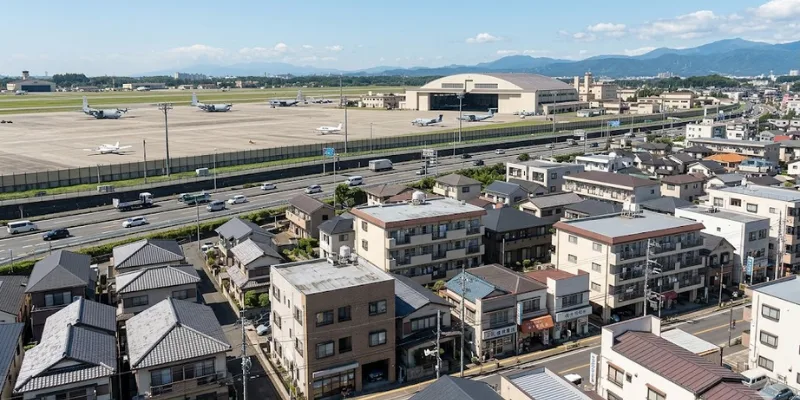
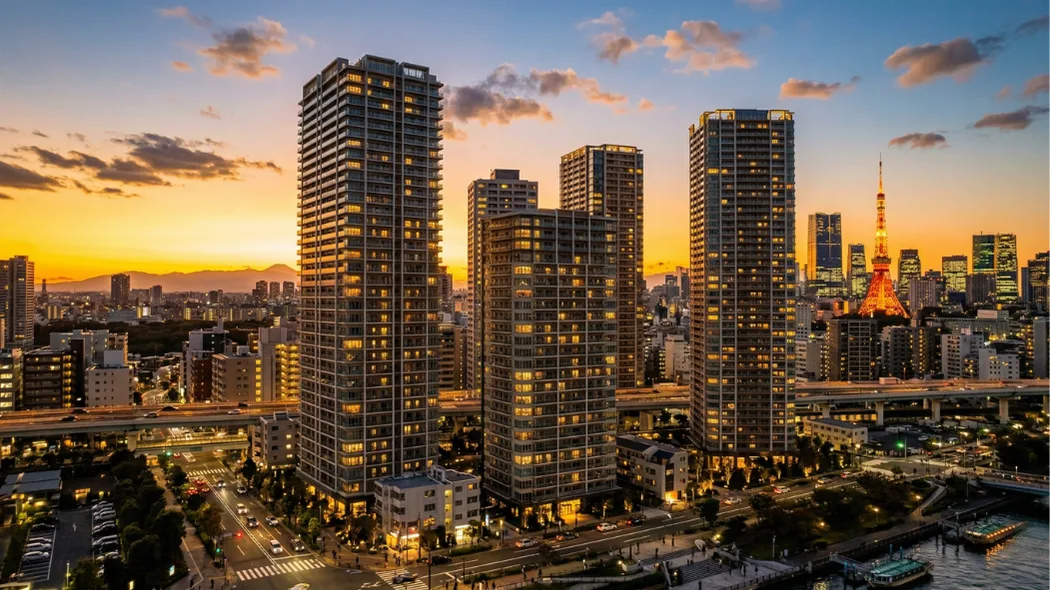
[Image: A panoramic view of Tokyo’s residential skyline, showcasing a mix of high-rise ‘mansions’ and traditional low-rise apartments]
Macroeconomic Factors Driving Rent Hikes
Several critical factors converge to create the current high-pressure environment in the japan tokyo apartment rent market:
- Return-to-Office Mandates: Most major corporations have fully transitioned back to in-person work, necessitating a return to the city for thousands of employees who moved to the suburbs during 2020-2022.
- Surging Construction Costs: Inflation in raw material prices and a persistent labor shortage in the Japanese construction sector have made building new units significantly more expensive. Developers must set higher initial rents to recoup these investments.
- High Occupancy Rates: Average occupancy rates in the central wards are hovering around 96.0% to 96.5%, meaning there is very little “slack” in the market for new tenants.
When discussing the demand for apartments in japan, we must look at the specific Demographic Inflows that are sustaining this growth:
- International Professionals: A record number of skilled foreign workers entering the tech and finance sectors in Otemachi and Roppongi.
- Domestic Students: Thousands of university students returning to face-to-face instruction at institutions like Waseda, Keio, and the University of Tokyo.
- Corporate Relocations: Companies expanding their headquarters within the city, leading to a higher demand for subsidized employee housing (shataku).
Regional Breakdown: Where Rents are Growing Fastest
The Tokyo apartment rent trends 2026 are not uniform across the city. Different wards offer varying value propositions depending on their proximity to transit hubs and the age of the building stock.
The Luxury Core: Central Five Wards (C5W)
The C5W remains the most expensive sub-market. Minato Ward continues to lead with the highest rents, where a modern studio (1R/1K) can easily exceed ¥140,000 per month. Chiyoda and Chuo wards follow closely, driven by their status as commercial and governmental powerhouses. In these areas, the concept of “prestige living” is a primary driver for high rental yields.
The Emerging Favorites: “Sub-Center” Wards
As the central core becomes prohibitively expensive, demand is spilling over into neighboring wards. Wards such as Kita, Arakawa, and Koto are seeing the highest percentage increases in 2026.
- Kita Ward: Popular among families for its balance of green space and direct access to the Keihin-Tohoku Line.
- Koto Ward: Particularly the Toyosu and Ariake bay areas, which feature modern high-rise condominiums with premium amenities.
- Taito Ward: Neighborhoods like Kuramae and Bakurocho are undergoing rapid gentrification, attracting young professionals seeking a “shitamachi” (old town) vibe with modern comforts.
Affordable Bastions in the Outer Wards
For those on a stricter budget, the outer wards still offer competitive pricing if one is willing to commute 30-45 minutes. Wards like Adachi, Katsushika, and Edogawa typically offer rents that are 30% to 50% lower than the central wards for comparable unit sizes.
Market Analysis by Apartment Layout and Size
In 2026, the size of the apartment is a greater predictor of rent volatility than almost any other factor. The supply of larger units is particularly tight, leading to significant price competition.
Single-Occupancy Units (1R, 1K, 1DK)
These units are the backbone of the apartment for rent japan market. While rents are rising, the sheer volume of new supply in this category prevents the “runaway” inflation seen in larger layouts.
- Average Rent (23 Wards): ¥85,000 – ¥120,000.
- Target Demographic: Students, young professionals, and digital nomads.
Couple and Small Family Layouts (1LDK, 2K, 2DK)
The 1LDK (one bedroom with a living/dining/kitchen area) has become the most sought-after layout in Tokyo. High-earning singles and DINK (Double Income, No Kids) couples compete fiercely for these units, especially those built after 2015.
- Average Rent (23 Wards): ¥140,000 – ¥195,000.
- Growth Trend: Consistently outperforming the market average due to lifestyle shifts favoring separate living and sleeping quarters.
Family Residences (2LDK, 3LDK+)
This sector faces a critical shortage. Because the price of purchasing a “mansion” in Tokyo has exceeded ¥100 million in many central areas, families who would typically buy are now forced to rent.
- Average Rent (23 Wards): ¥210,000 – ¥300,000+.
- Key Drivers: Proximity to international schools, public parks, and child-safe pedestrian zones.
Families searching for apartments in Tokyo Japan often prioritize specific Property Features to ensure long-term comfort:
- Seismic Reinforcement: Buildings constructed after the 1981 “Shin-Taishin” standards for earthquake safety.
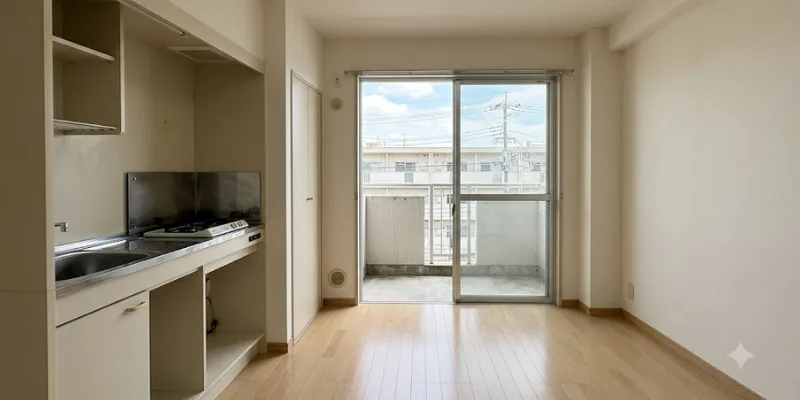
- Modern Kitchens: Units equipped with three-burner induction hobs, dishwashers, and ample counter space for meal preparation.
- Storage Solutions: Walk-in closets (WIC) and dedicated storage lockers (Trunk Rooms) to accommodate family belongings in compact urban spaces.
Strategic Navigation with ARealty
Navigating the japan tokyo apartment rent market in 2026 requires more than just a search engine; it requires a partner with deep local roots and a global perspective. The complexities of Japanese rental contracts—including “Key Money,” “Guarantor Companies,” and “Fixed-Term Leases”—can be significant barriers for international residents.
Specialized Services for the Global Community
ARealty has established itself as a premier agency for expatriates seeking high-quality apartments in Tokyo Japan. They understand that a “home” is more than just a square-meter measurement; it is the foundation of your life in a new country.
By choosing ARealty, you gain access to a suite of specialized services designed for the modern era:
- Exclusive Inventory: Access to listings that are often not available on public portals like SUUMO or Homes, specifically vetted for “foreigner-friendly” landlords.
- Contract Negotiation: Professional agents who work to minimize initial costs, such as negotiating a reduction in key money or securing a free-rent month during the off-season.
- Relocation Integration: Comprehensive support that extends beyond the lease signing, including assistance with resident registration, bank account setup, and internet installation.
ARealty agents are experts in the Tokyo apartment rent trends 2026, providing you with data-driven advice on whether a rent price is “fair” based on the latest quarterly reports. They ensure that every client understands the nuances of the Japanese “Mansion” vs. “Aparto” distinction and the implications of building material (RC vs. Steel) on soundproofing and insulation.
If you are planning a move to Tokyo or seeking a more modern residence in the city, contact ARealty today to receive a curated list of properties tailored to your specific requirements.
Critical Considerations for Renters in 2026
The 2026 market moves fast. To secure a desirable unit, potential tenants must be prepared to act with speed and precision.
The Rise of Fixed-Term Leases
In 2026, there is a noticeable shift away from “Ordinary Leases” toward “Fixed-Term Leases” (Teiki-shakuya). Under a fixed-term lease, the landlord is not obligated to renew the contract at the end of the term. This gives owners more flexibility to increase rents to match the market. If you are looking for long-term stability, it is essential to clarify the lease type before submitting an application.
Initial Costs and Budgeting
While the monthly japan tokyo apartment rent is the primary concern, the initial “move-in” costs remain high. In Tokyo, you should budget for approximately 4 to 6 months of rent upfront. This includes:
- Deposit (Shikikin): Usually 1-2 months’ rent, refundable minus cleaning fees.
- Key Money (Reikin): A non-refundable “gift” to the landlord, typically 1 month’s rent.
- Brokerage Fee: Usually 1 month’s rent plus tax.
- Guarantor Fee: Required by almost all landlords today, usually 50% to 100% of one month’s rent.
The Importance of the “Naisen” (Internal Viewing)
With the high demand in 2026, some units are rented out “sight unseen.” However, we strongly recommend a physical viewing. Photos can often be misleading regarding natural light and the state of the Building Infrastructure, which includes:
- Plumbing and Water Pressure: Ensuring that older buildings have updated piping and consistent hot water delivery.
- Sound Insulation: Checking the thickness of the walls and the quality of the double-glazed windows to block out city noise.
- Common Area Maintenance: Verifying that the bicycle parking, mailboxes, and elevator are clean and well-maintained by the management company.
Future Forecast: The Outlook Beyond 2026
Is there a ceiling for the Tokyo apartment rent trends 2026? Experts suggest that while the rate of growth may moderate toward 2027, a significant decrease in rent is unlikely. Tokyo remains one of the few global “Alpha” cities where housing is relatively affordable compared to New York, London, or Hong Kong, even after recent price hikes.
Sustainable Living and Smart Homes
A significant trend for the second half of 2026 is the demand for “ZEH-M” (Net Zero Energy House Mansion) properties. Modern tenants are increasingly willing to pay a premium for apartments that offer superior insulation and energy-efficient appliances, as this significantly reduces monthly utility bills. Properties with built-in smart home features—such as remote-controlled air conditioning and smart locks—are also seeing faster lease-up times.
The Impact of Interest Rates
The Bank of Japan’s gradual shift away from negative interest rates is beginning to impact the mortgage market. As it becomes more expensive for individuals to buy homes, the rental market will continue to see high demand from those who are “priced out” of purchasing. This “renter-by-necessity” demographic will provide a floor for rental prices in the years to come.
Conclusion
The year 2026 represents a landmark period for the Tokyo residential market. The Tokyo apartment rent trends 2026 reflect a city that is growing more vertical, more international, and more expensive. For the savvy renter, success lies in being informed, acting quickly, and leveraging the expertise of specialized agencies.
Whether you are looking for a compact studio in the heart of Shibuya, a family-friendly 3LDK in the green corridors of Setagaya, or a luxury high-rise in the Minato bay area, the opportunities are vast if you know where to look. By focusing on areas with strong infrastructure development and partnering with professionals like ARealty, you can navigate this competitive market with confidence.
Don’t let the complexity of the Tokyo rental market hold you back. Contact ARealty today to discover how our expert team can help you find the perfect apartment in the world’s most exciting metropolis.

Real estate advisor at Arealty Japan, specialising in helping foreign residents navigate the Tokyo and Osaka rental markets. Lucy has guided hundreds of international renters — from Working Holiday visa holders to corporate relocations — through Japan’s apartment application process. Her writing draws on firsthand experience with landlord screening, guarantor companies, and foreigner-friendly listings across all 23 Tokyo wards and major Kansai cities.