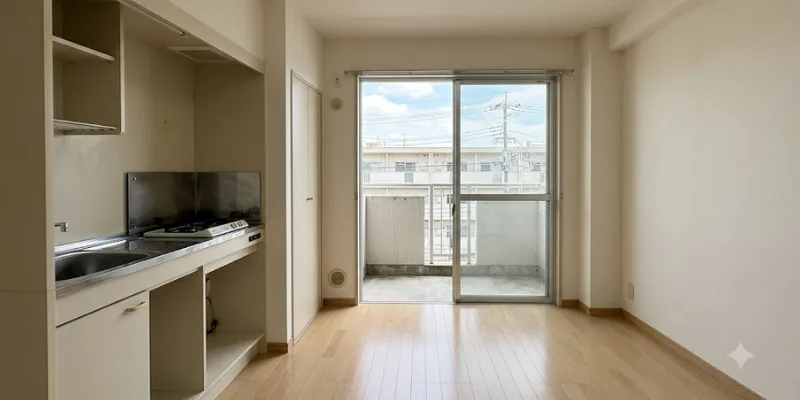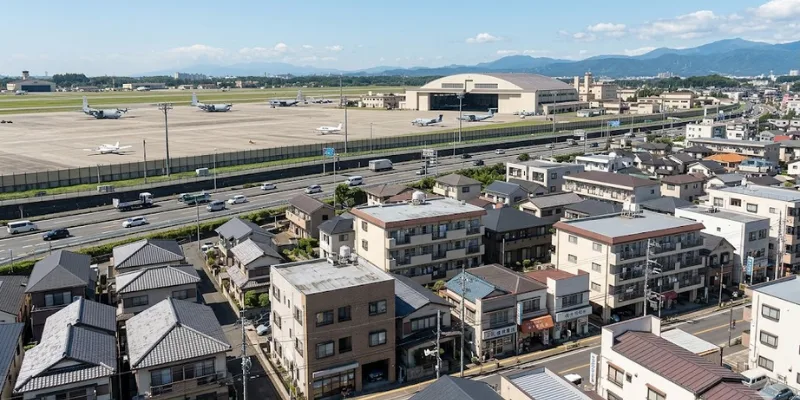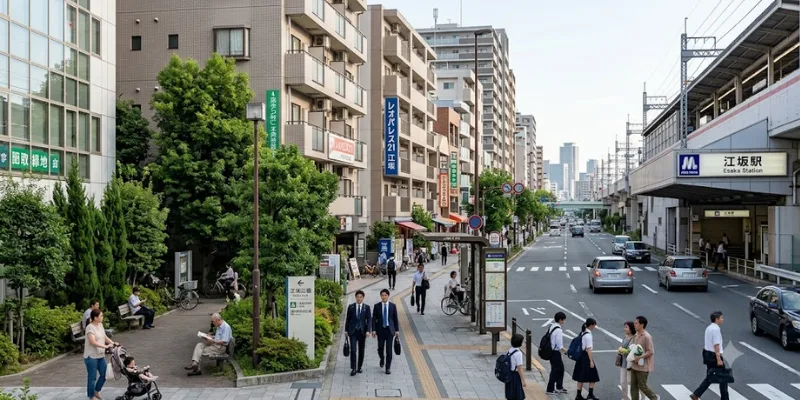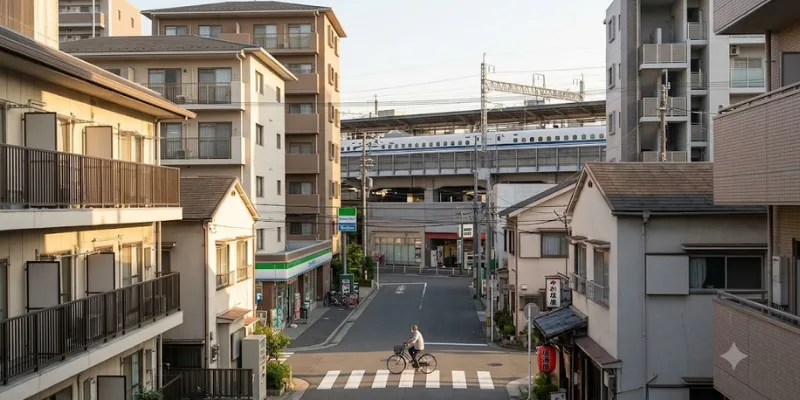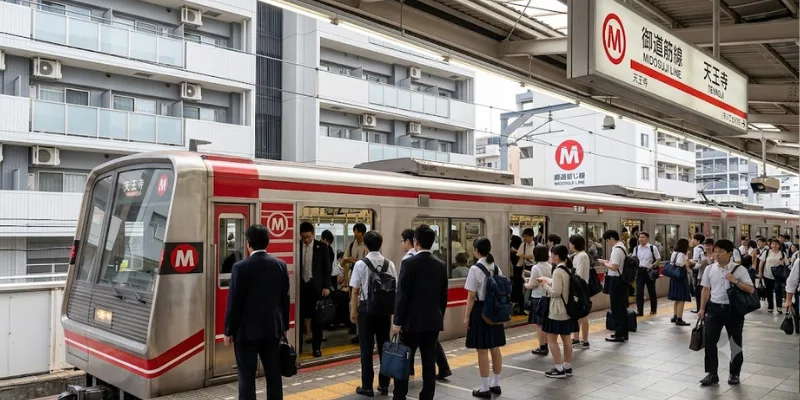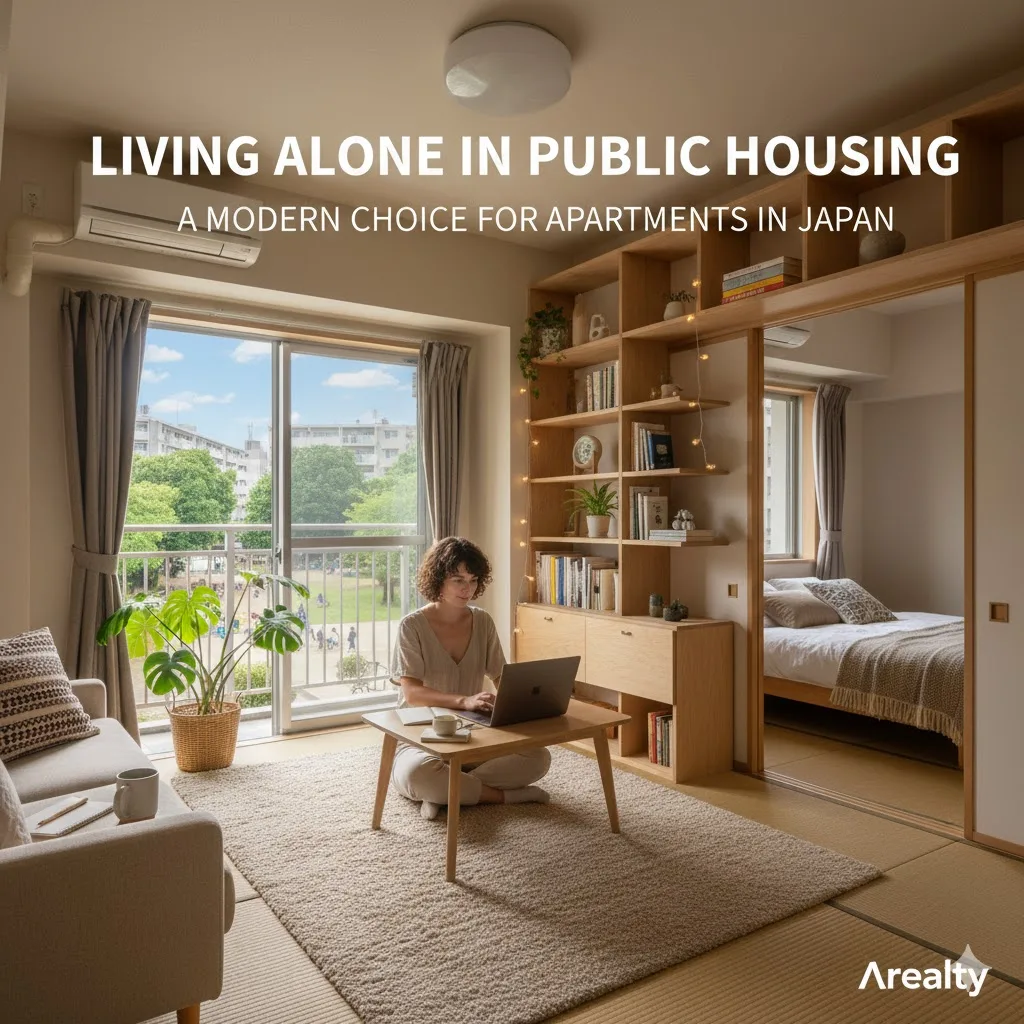

For many expatriates and young professionals, finding an apartment for rent Japan often brings up images of cramped studios or expensive high-rise buildings. However, a growing trend among savvy urban dwellers is living alone in public housing, specifically within complexes known as Danchi. While historically perceived as family-oriented spaces, these developments have evolved into versatile residential hubs. This guide explores why choosing a Danchi or UR housing unit is a strategic move for individuals seeking space, affordability, and community in the competitive japan tokyo apartment rent market.
Defining Public Housing in the Japanese Context
Public housing in Japan refers to planned residential clusters, or Danchi, managed by various entities to ensure stable living conditions. These are not merely buildings but integrated micro-neighborhoods designed with long-term residency in mind. When searching for apartments in Tokyo Japan, you will encounter four primary types of managed housing:
- UR Rental Housing (Urban Restoration Agency): These are semi-public apartments available to both Japanese nationals and foreigners without the need for a guarantor or key money.
- Public Managed Housing (Kohyo Jutaku): Operated by local municipalities, these prioritize low-income residents and usually have strict income ceilings.
- Public Corporation Housing (JKK Tokyo): Managed by the Tokyo Metropolitan Housing Supply Corporation, offering a middle ground between private and purely social housing.
- Private Renovated Danchi: Former corporate dormitories or older complexes updated by private developers to attract younger demographics.
These developments stand out because they prioritize land use efficiency and resident well-being over the maximum profit margins typical of private apartments in Japan.
Why Public Housing Offers Competitive Rent
The primary appeal of living alone in public housing is the significant reduction in total occupancy costs. Unlike private contracts that often include hidden fees, public and semi-public options follow transparent pricing models.
Elimination of Initial Costs
The traditional apartment for rent Japan often requires Reikin (key money) and Chukai Tesuryo (brokerage fees). Public housing, particularly UR units, eliminates these burdens. You typically only need to pay a security deposit, which is often refundable upon moving out, provided the room is well-maintained.
Transparent Rent Setting
Rent is calculated based on “Market Comparable Rent” for UR units or “Income-Indexed Rent” for municipal housing. This ensures that the japan tokyo apartment rent remains fair and stable. For example, a single person might find a 40-square-meter UR unit in a suburban area for the same price as a 20-square-meter private studio in the city center.
Long-term Savings
Public housing does not charge renewal fees (Koshin-ryo). In private apartments in Tokyo Japan, tenants usually pay one month’s rent every two years just to stay in the unit. By choosing public housing, you save this entire month’s worth of expenses periodically.
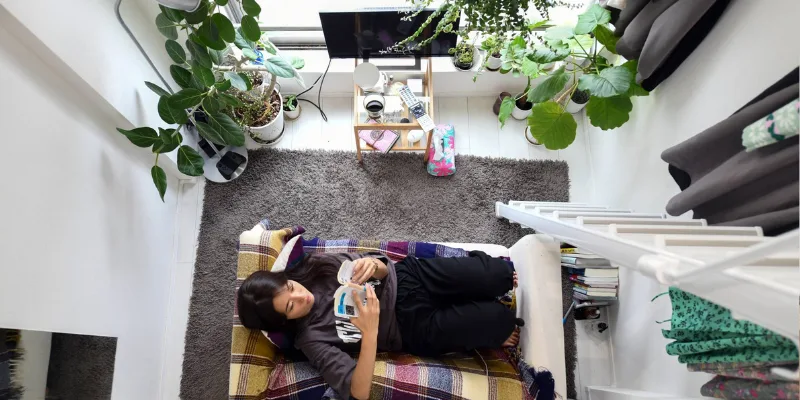
The Realities of Living Alone in Public Housing
There is a common misconception that Danchi are exclusively for large families. On the contrary, statistics show that single-person households are now the largest demographic in many public complexes. According to recent UR surveys, single dwellers account for over 41% of residents.
Spacious Layouts for Individuals
Single dwellers often benefit from “2DK” or “1LDK” layouts that were originally designed for small families. This provides a separate bedroom and a spacious dining/kitchen area, which is a luxury compared to the standard “1K” shoebox apartments found in central Tokyo.
Safety and Infrastructure
Public housing complexes are built to strict seismic standards. Because these are government-backed projects, the maintenance of elevators, fire escapes, and communal lighting is exceptionally consistent. Single residents, particularly women and the elderly, value the high visibility and “neighborly watch” inherent in these large communities.
Essential Amenities on Your Doorstep
Large-scale public housing projects are designed as self-contained towns. It is common to find essential services located within the first floor of the buildings or in the immediate center of the complex:
- Daily Necessities: Supermarkets like Aeon, local pharmacies, and post offices.
- Health and Education: Public clinics, dental offices, and neighborhood libraries.
- Recreation: Large parks, walking trails, and community centers for hobby classes.
Advantages and Disadvantages of Danchi Living
Choosing apartments in Japan requires a balanced look at what you gain versus what you might sacrifice.
Key Advantages
- Abundant Greenery: Public housing plots are required to have a certain percentage of open space. You will find more trees and parks here than in private blocks.
- No Guarantor Required: This is a massive benefit for foreigners who may struggle to find a Japanese citizen to co-sign their lease.
- Flexible Contracts: Most public housing allows you to move out with just one to two months’ notice without heavy penalties.
Notable Disadvantages
- Older Aesthetics: Many complexes were built in the 1970s or 80s. While clean, they may lack the “designer” look of new private apartments in Tokyo Japan.
- Suburban Locations: To find the best prices, you may need to live 15-20 minutes away from the nearest train station by bus or bicycle.
- Simplified Facilities: Some older units may not have auto-lock gates at the entrance or high-end kitchen gadgets unless they have been recently renovated.
Renovated Public Housing: The New Trend
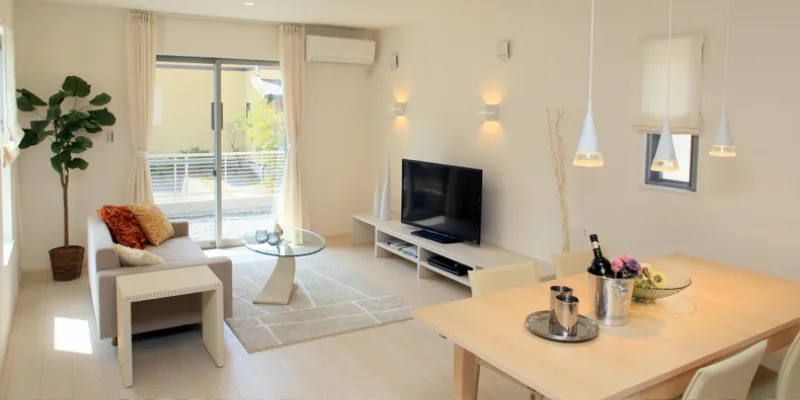
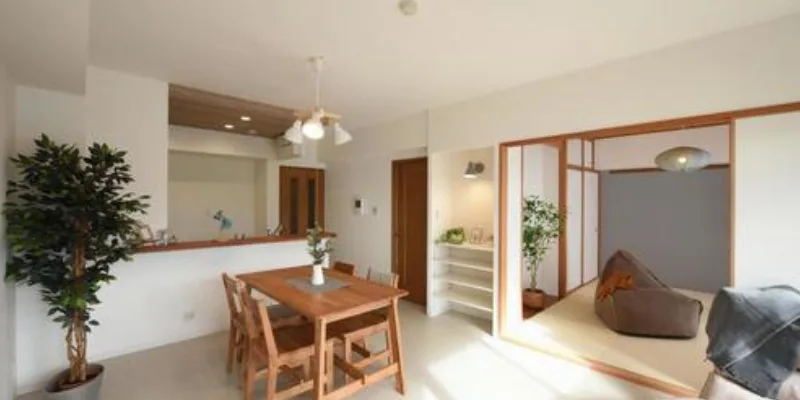
To appeal to younger generations and those living alone in public housing, many agencies have partnered with lifestyle brands to modernize older units. These projects blend the robust structure of the Danchi with contemporary interior design.
MUJI x UR Project
The famous minimalist brand MUJI collaborates with UR to redesign apartments. They use signature MUJI materials like plywood flooring and translucent sliding doors to create bright, airy spaces. These units are highly sought after by design-conscious individuals looking for a unique apartment for rent Japan.
IKEA Collaboration
Similarly, IKEA has furnished specific units in complexes like Albis Maehara to demonstrate how stylish, functional furniture can transform a traditional Japanese layout. These units often feature upgraded kitchens and smart storage solutions.
DIY-Friendly Options
Some public housing series, such as “UR-DIY,” allow tenants to paint walls, add shelving, or change flooring without the requirement to restore the room to its original state upon moving out. This provides a level of creative freedom rarely found in private japan tokyo apartment rent contracts.
Community and Social Integration
One of the most profound benefits of living alone in public housing is the combatting of urban isolation. While private apartments can feel anonymous, public housing encourages “casual sociality.”
Shared Spaces and Lounges
Modern complexes often include “Community Lounges” where residents can work on laptops, read, or participate in workshops. For example, the Nouvelle Akabanedai complex features a lounge called “Yomu Yomu” that serves as a quiet third space for residents.
Seasonal Events
Management companies often host events to foster a sense of belonging. These include:
- Cultural Festivals: Summer Matsuri (festivals) with food stalls and traditional dancing.
- Agriculture: Community gardens where residents can grow vegetables together.
- Workshops: Crafting, yoga, or flea markets organized in the central plazas.
Professional Assistance with Arealty
Navigating the nuances of public housing and finding the right apartments in Tokyo Japan can be overwhelming if you are unfamiliar with the Japanese application systems and income requirements. This is where professional expertise becomes invaluable.
Arealty specializes in connecting residents with high-quality housing solutions across the Tokyo metropolitan area. Our team understands the specific eligibility criteria for UR housing and public corporations, ensuring a smooth transition for those seeking the benefits of living alone in public housing.
If you are looking for an apartment for rent Japan that offers more space for your yen, contact Arealty today. We can help you filter through thousands of listings to find the perfect match for your lifestyle and budget. Our consultants provide multilingual support to bridge the communication gap between tenants and management agencies.
Would you like us to provide a curated list of UR apartments currently available in your preferred Tokyo neighborhood?
Detailed Comparison: Public vs. Private Apartments
When evaluating your options, it is helpful to see the concrete differences in a side-by-side format. This table outlines the typical conditions you will encounter.
| Feature | Public/UR Housing | Private Rental Apartments |
| Key Money (Reikin) | Always 0 Yen | Typically 1-2 months’ rent |
| Guarantor | Not required | Usually required (or a paid company) |
| Renewal Fee | 0 Yen | 1 month’s rent every 2 years |
| Room Size | Generally larger (28m² – 50m²+) | Generally smaller (15m² – 25m²) |
| Modernity | Varies (Renovated units available) | Generally higher/newer |
| Green Space | High (Parks/Plazas) | Low (Typically building only) |
Choosing to live in a Danchi is no longer just a budget-conscious decision; it is a lifestyle choice that prioritizes space, community, and peace of mind. Whether you are searching for a japan tokyo apartment rent or a quiet spot in the suburbs, public housing offers a reliable and high-quality alternative to the traditional rental market.
Overcoming the Language Barrier for Foreigners
One of the biggest hurdles when searching for apartments in Tokyo Japan is the language barrier. Many private landlords are hesitant to rent to non-Japanese speakers due to concerns about communication during emergencies or misunderstandings regarding trash disposal rules.
Public housing agencies like UR are significantly more foreigner-friendly. They provide English-language documentation and have established systems for accommodating international residents. When living alone in public housing, you can expect:
- Multilingual Support: Guides on how to use Japanese appliances (AC, water heaters) are often available in multiple languages.
- Clear Rules: Trash collection schedules and noise policies are clearly posted, often with pictograms for easy understanding.
- Stable Residency: As long as you meet the income requirements and follow the rules, your visa status is rarely an issue for public housing providers.
Financial Planning and Income Requirements
While the upfront costs are lower, you must demonstrate a stable income to qualify for living alone in public housing. This is a safety measure to ensure that the japan tokyo apartment rent can be paid consistently.
The Income Multiplier Rule
For UR housing, the standard requirement is that your average monthly income must be at least four times the rent. For example, if the rent is 60,000 Yen, your monthly income should be 240,000 Yen. If your income does not meet this threshold, you may be able to pay a lump sum of rent in advance (usually one year) to bypass this check.
Savings-Based Applications
If you are currently between jobs but have significant savings, some public housing corporations allow you to apply based on your bank balance. Typically, you need a balance equivalent to 100 times the monthly rent. This is a great option for students or those transitioning into freelance work in Japan.
Maintenance and Long-term Livability
One of the strongest arguments for living alone in public housing is the quality of maintenance. In private apartments in Japan, the quality of upkeep depends entirely on the individual landlord or management company. In Danchi, maintenance is standardized and professional.
Regular Inspections
Public housing entities conduct regular inspections of the building’s structural integrity, water tanks, and elevator systems. You will often see maintenance crews tending to the gardens or cleaning the stairwells every week. This ensures a clean and hygienic living environment that remains consistent over the years.
Future-Proofing
As Japan’s population ages, many public housing complexes are being retrofitted with barrier-free features. This includes:
- Accessibility: Installation of ramps, wider doorways, and handrails in hallways.
- Technology: Upgrading to high-speed fiber optic internet and modern intercom systems.
- Sustainability: Improved insulation and energy-efficient lighting to reduce utility costs.
Location Strategies for Tokyo Commuters
Finding the right balance between price and commute time is essential when looking for apartments in Tokyo Japan. While central wards like Minato or Shibuya are expensive, public housing in the surrounding areas offers excellent connectivity.
The Chuo Line Corridors
Areas like Musashino and Mitaka feature numerous UR developments. These locations allow you to enjoy a suburban feel with plenty of parks while being only 20 minutes away from Shinjuku by train.
The Bay Area
In Koto-ku and Edogawa-ku, large-scale Danchi provide stunning views of the Tokyo skyline and the bay. These units are often newer and feature modern layouts, making them ideal for professionals who work in the Nihonbashi or Ginza districts.
Northern Hubs
Adachi and Itabashi wards offer some of the most affordable japan tokyo apartment rent options within the 23 wards. These areas are well-served by the Hibiya and Mita lines, providing direct access to major business hubs.
thiếu ví dụ 1 căn bên mình nhà UR
Interior Customization and Furniture
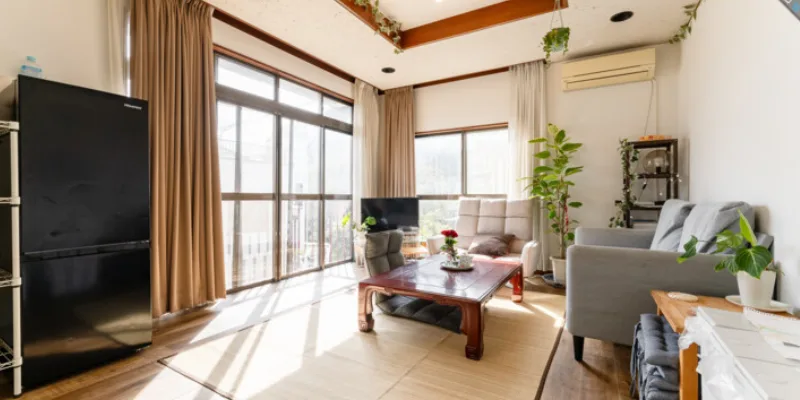
Living in a spacious apartment for rent Japan gives you the freedom to invest in quality furniture. Because Danchi units often have traditional Japanese elements like Tatami floors or Fusuma sliding doors, you can create a unique “Japandi” aesthetic (Japanese + Scandinavian).
- Modular Storage: Use floor-to-ceiling shelving to maximize the high ceilings often found in older Danchi.
- Dual-Purpose Rooms: Since many units have multiple rooms, you can easily set up a dedicated home office, which is essential for remote work.
- Rugs and Lighting: Use large area rugs to protect the Tatami and floor lamps to create a warm atmosphere, as overhead lighting in older units can be quite clinical.
Conclusion
Living alone in public housing represents a shift toward a more sustainable and stress-free way of life in Japan’s bustling capital. By choosing a Danchi or UR unit, you trade the flashy exterior of modern private builds for a spacious, green, and community-focused home. The financial benefits of zero key money and no renewal fees allow you to allocate your hard-earned income toward experiences and savings rather than administrative costs.
Whether you are a newcomer to the country or a long-term resident looking for a change, the world of public housing offers a diverse range of options to suit every need. From renovated MUJI designs to classic suburban layouts, your perfect home is waiting in one of Japan’s many vibrant residential clusters.
For personalized guidance and to explore the best apartments in Japan, remember that Arealty is here to assist you every step of the way. We take the complexity out of the rental process so you can focus on enjoying your new life in Tokyo. Contact us today to begin your journey toward a better living experience.

Real estate advisor at Arealty Japan, specialising in helping foreign residents navigate the Tokyo and Osaka rental markets. Lucy has guided hundreds of international renters — from Working Holiday visa holders to corporate relocations — through Japan’s apartment application process. Her writing draws on firsthand experience with landlord screening, guarantor companies, and foreigner-friendly listings across all 23 Tokyo wards and major Kansai cities.