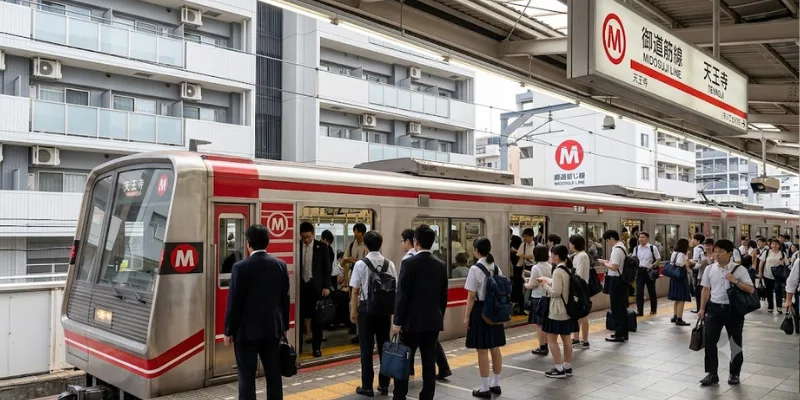

The decision to relocate to Tokyo for academic or professional purposes requires a comprehensive understanding of the local real estate landscape. Modern student lofts in Tokyo represent the pinnacle of urban efficiency, offering structured living solutions specifically tailored for international residents. As the heart of the Greater Tokyo Area—a megalopolis of over 37 million people—Tokyo provides a rental market defined by strict legal frameworks and highly organized property management standards.
This guide serves as a technical roadmap for navigating apartments in Japan. It details how Japan Tokyo apartment rent is calculated, the procedural requirements for an apartment for rent Japan, and the logistical advantages of choosing apartments in Tokyo Japan. By prioritizing transparency and legal certainty, international tenants can secure high-quality housing that aligns with their financial and educational goals.
Understanding Modern Student Lofts in Tokyo
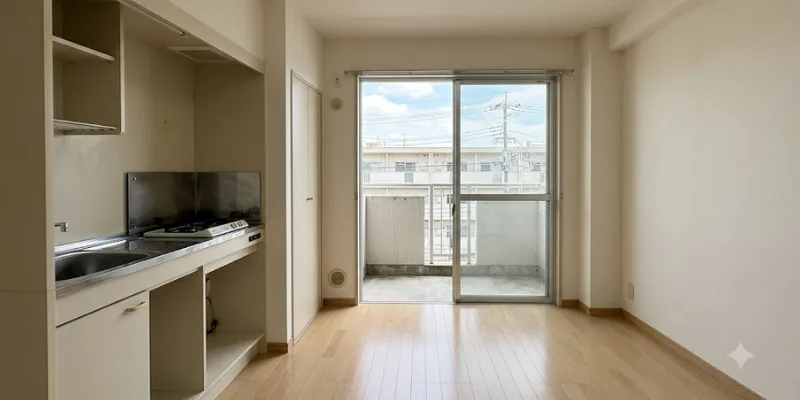
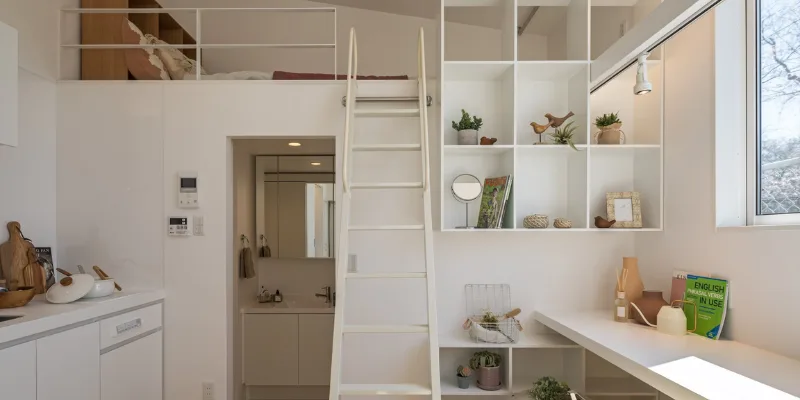
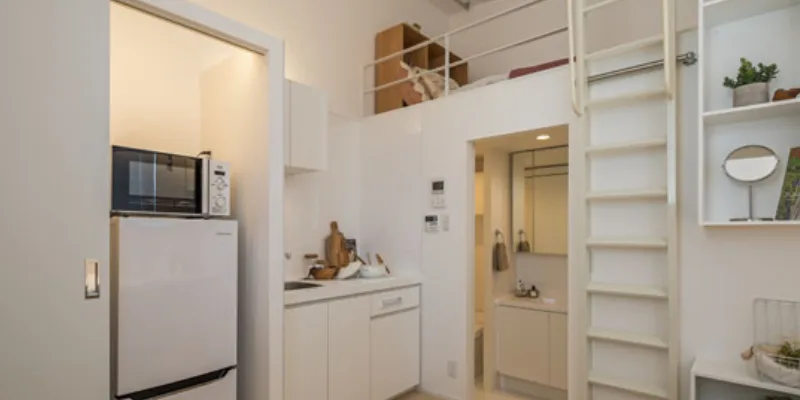
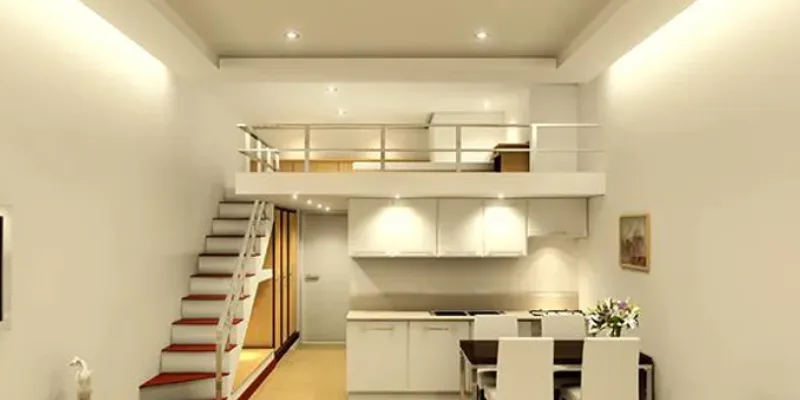
Modern student lofts in Tokyo are high-efficiency residential units designed to maximize vertical space within a compact footprint. These units, typically ranging from 9 to 15 square meters, utilize high ceilings to separate living and sleeping areas. This architectural approach allows for a functional lifestyle in premium central locations where traditional horizontal space is limited.
The primary benefit of these lofts is their “plug-and-play” nature. Most facilities are managed by professional operators who cater to the international community, ensuring that the transition into Japanese society is seamless and free of common bureaucratic hurdles.
Core Features of Student Loft Units
Modern lofts provide a standardized set of amenities to ensure resident comfort:
- Integrated Furnishings: Each unit includes essential furniture such as elevated bed frames, ergonomic desks, and built-in wardrobes.
- Climate Control: Energy-efficient air conditioning units are standard to manage Tokyo’s varied seasonal temperatures.
- High-Speed Connectivity: Dedicated fiber-optic internet lines are pre-installed to support academic research and remote communication.
Shared Facilities and Community Infrastructure
Beyond the private room, these residences offer shared facilities that promote cost-efficiency and social interaction. Shared facilities include specific examples such as communal induction kitchens, coin-operated laundry suites, and high-pressure shower cabins equipped with advanced ventilation systems. These shared spaces are professionally cleaned and maintained, ensuring high hygiene standards for all residents.
Apartments in Japan: Legal Framework and Rental Structure
The rental of apartments in Japan is governed strictly by the Japanese Civil Code and regulated by the Ministry of Land, Infrastructure, Transport and Tourism (MLIT). This regulatory oversight ensures that lease agreements are transparent and that tenant rights are protected under national law.
Standard Financial Components
When searching for an apartment for rent Japan, tenants must account for several standardized costs:
- Shikikin (Deposit): A refundable sum held by the landlord to cover potential damages, usually equivalent to one month of rent.
- Reikin (Key Money): A traditional non-refundable payment to the landlord; however, many modern student lofts waive this fee to attract international tenants.
- Management Fees: Monthly charges that cover communal area maintenance, garbage disposal services, and building security.
Maintenance services include examples such as hallway sanitation, professional waste management, and 24-hour security monitoring. Understanding these costs upfront prevents financial strain during the move-in period. If a property is managed by a specialized international operator, these fees are often bundled into a single, predictable monthly payment.
Comparing Modern Student Lofts and Traditional Apartments
International tenants often choose between modern student lofts in Tokyo and traditional apartments in Tokyo Japan. Each housing type serves different lifestyle needs and financial structures.
Structural and Contractual Differences
Traditional apartments often come unfurnished and require the tenant to set up individual utility contracts for electricity, water, and gas. Traditional apartment types include examples such as 1K studio units, 1DK compact apartments, and reinforced concrete (RC) tower residences. These properties are ideal for long-term residents who wish to customize their living space.
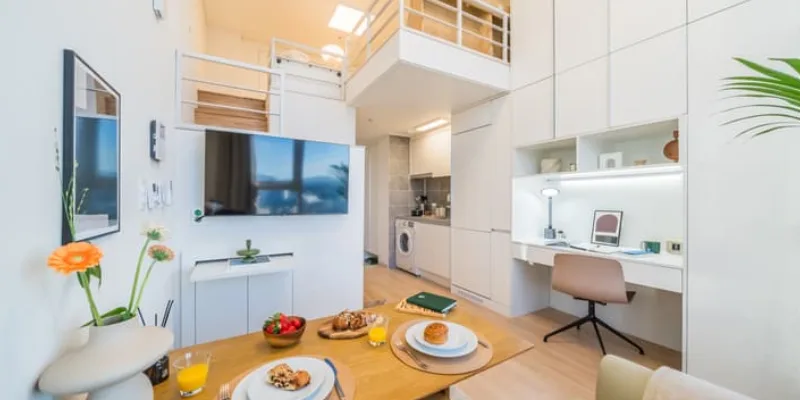
In contrast, modern student lofts in Tokyo focus on convenience and flexibility. Student loft housing includes mezzanine-style rooms, managed share houses, and compact “pod” loft units. These residences are typically fully furnished, allowing students to move in with only their personal belongings. This reduces the initial capital investment required for furniture and appliances.
Arealty: Professional Support for International Tenants
Arealty serves as a specialized consultancy dedicated to simplifying the housing search for international students and young professionals. Navigating the Japanese real estate market can be complex due to language barriers and unique cultural nuances. Arealty bridges this gap by providing professional, English-language advisory services that ensure tenants make informed decisions.
The experts at Arealty specialize in identifying modern student lofts in Tokyo that meet specific academic and budgetary requirements. By leveraging deep market knowledge, the team ensures that all contract terms are fully understood before any financial commitment is made.
Specialized Services Provided by Arealty
Advisory support includes concrete examples such as reviewing refundable deposit clauses, confirming utility inclusion, and verifying renewal fee conditions. The core services offered by Arealty include:
- Property Matching: Generating shortlisted property reports based on specific commute preferences and university locations.
- Financial Transparency: Providing a full breakdown of total move-in costs to avoid hidden fees or unexpected charges.
- Multilingual Coordination: Acting as a liaison between the tenant and Japanese landlords or management companies.
Early coordination through Arealty increases access to premium available units if a student arrives during the peak academic seasons of March or September. This proactive approach secures better pricing and more desirable locations.
Contact Arealty today to receive a customized property shortlist aligned with your university location, monthly budget, and preferred commute time.
Apartment for Rent Japan: The Step-by-Step Rental Process
Securing an apartment for rent Japan requires a structured approach to documentation and applications. Landlords and management companies perform rigorous screenings to ensure that tenants have the financial stability to maintain their lease obligations.
Necessary Documentation for International Students
To accelerate the approval process, applicants should prepare the following documents:
- Identification: A valid passport and Residence Card (Zairyu Card).
- Academic Proof: A Certificate of Enrollment or Letter of Acceptance from a Japanese educational institution.
- Financial Records: Bank statements or proof of scholarship to demonstrate the ability to pay rent.
- Guarantor Details: Information for a Japanese guarantor or, more commonly, a contract with a professional guarantor company.
The Role of Guarantor Companies
Since most international students do not have a Japanese relative to serve as a guarantor, property managers utilize guarantor companies. These companies provide financial assurance to the landlord for a fee, which usually ranges from 30% to 50% of one month’s rent. This system ensures that the rental process remains accessible to foreigners.
Conclusion
The pursuit of modern student lofts in Tokyo is a strategic move for any international tenant. By focusing on properties that offer transparent pricing and managed facilities, residents can bypass the complexities of traditional Japanese real estate. Apartments in Japan operate within a formal framework that rewards those who are prepared with the correct documentation and a clear understanding of market rates.
Whether choosing a loft in the heart of Shibuya or a more quiet residence in Western Tokyo, the key to success is early preparation and professional guidance. Tokyo’s organized infrastructure and regulated housing standards provide a safe and predictable environment for academic and professional growth.
If you prioritize a smooth transition, utilizing the expertise of specialized agencies ensures that your arrival in Japan is focused on your goals rather than housing logistics. Systematic research and clear communication are the foundations of a successful rental experience in the world’s largest metropolitan area.

Real estate advisor at Arealty Japan, specialising in helping foreign residents navigate the Tokyo and Osaka rental markets. Lucy has guided hundreds of international renters — from Working Holiday visa holders to corporate relocations — through Japan’s apartment application process. Her writing draws on firsthand experience with landlord screening, guarantor companies, and foreigner-friendly listings across all 23 Tokyo wards and major Kansai cities.