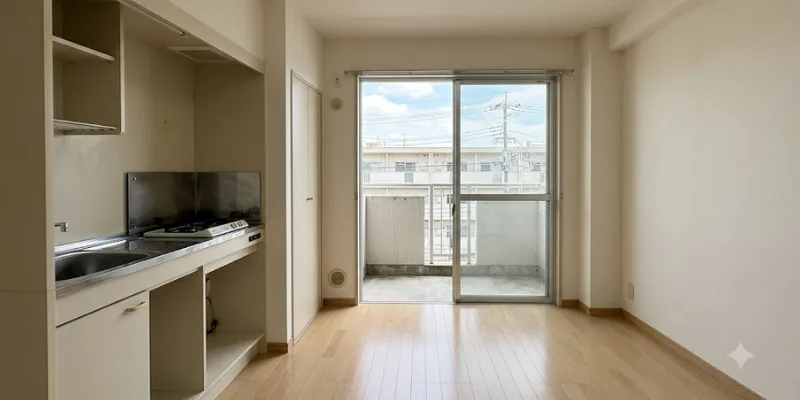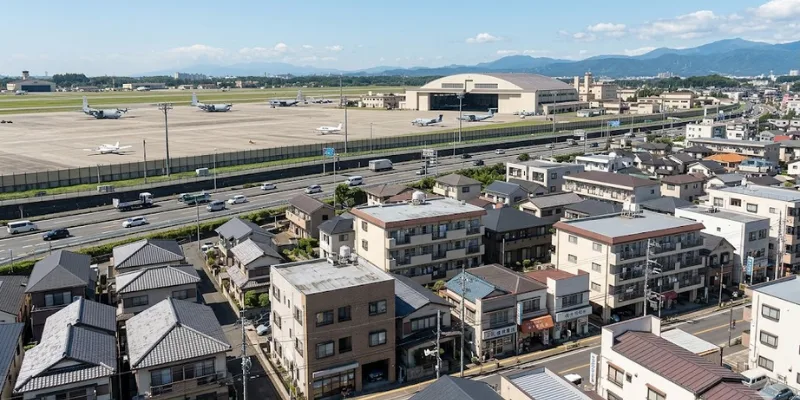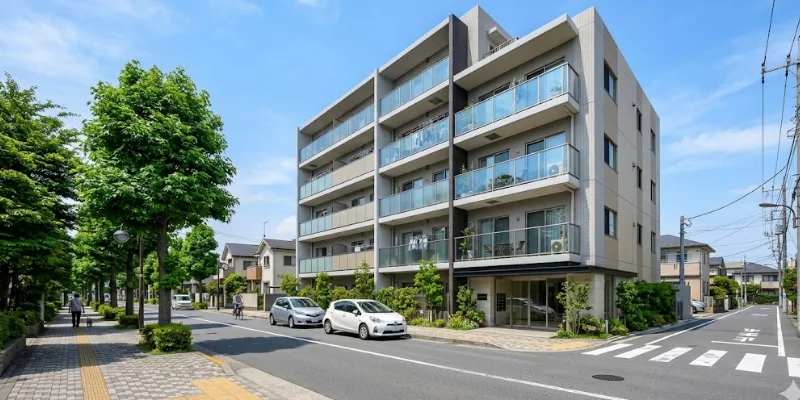

Sagamihara apartments for rent near Camp Zama represent a specific niche in the greater Tokyo rental market — one that most mainstream rental guides ignore entirely. Sagamihara city sits in Kanagawa Prefecture, roughly 40 kilometres southwest of central Tokyo, and is home to both Camp Zama (US Army Japan headquarters) and the Sagamihara Housing Area (SHA), which together make up one of the largest US military communities in Japan outside of Okinawa.
For service members, DA Civilians, and foreign professionals in Sagamihara, finding the right apartment means understanding both the Japanese civilian rental process and the constraints of renting near a US military installation. This guide covers both.
Browse current Sagamihara and Kanagawa apartments for rent on Arealty — foreigner acceptance pre-confirmed, zero agency fees. Or contact Arealty to discuss your Camp Zama assignment timeline before starting your search.
Sagamihara and Camp Zama: The Rental Housing Landscape
Camp Zama is the headquarters of US Army Japan (USARJ) and I Corps (Forward), located across the cities of Zama and Sagamihara in Kanagawa Prefecture. Unlike Yokota Air Base, which sits in a civilian western Tokyo suburb, Camp Zama’s surroundings mix US military installations with Japanese residential areas. The Sagamihara Housing Area (SHA), a dedicated military family housing compound, sits approximately 3 kilometres from the main post.
For renters, the key distinction is between three types of housing available at Camp Zama:
- On-post housing (Camp Zama itself): allocated by rank and family status, managed by the installation
- Sagamihara Housing Area (SHA): a separate military family housing compound, not directly connected to the main post, operated for married service members and DA civilians
- Off-post civilian rental: standard Japanese apartments in Sagamihara and surrounding Kanagawa cities, accessed through OHA
Camp Zama allows standard civilian leases. The same civilian guarantor company system used across Japan applies here. This distinguishes it from Yokosuka Naval Base. Yokosuka imposes a separate contract structure that most Japanese landlords will not accept.
Sagamihara Apartment for Rent Near Camp Zama: On-Base vs. Off-Base
SHA (Sagamihara Housing Area): SHA provides semi-detached and detached houses for military families in a compound environment. Single service members without dependents are not eligible for SHA. They are restricted to on-post housing at Camp Zama. SHA offers the full base-community environment: military bus transport for children and on-compound facilities. There is no direct transport between SHA and Camp Zama — a car or military bus is required.
Off-post civilian rental: Service members eligible for OHA can rent in Sagamihara city and the surrounding areas. The civilian rental market in Sagamihara follows the same process as other Kanagawa areas. Landlords here have more experience with military and foreign tenants than most Kanagawa areas — Camp Zama’s community has been present for decades.
Sagamihara Apartments for Rent: Area-by-Area Guide
Sagamihara Chuo-ku (中央区) — Closest to Camp Zama Main Gate
Chuo-ku is Sagamihara’s central ward and contains the area immediately surrounding the Camp Zama main gate. The Odakyu Sagamihara Station and Sobudai-mae Station provide train access to Shinjuku (approximately 50 minutes direct) and connections to Yokohama via Machida. Residential streets within 2–3km of the gate have older apartment blocks at ¥65,000–¥90,000/month for 2LDK. Newer mid-rise buildings run ¥90,000–¥135,000/month.
This is where most off-post renters start their search, and where landlord experience with SOFA-status tenants is strongest.
Minami-ku (南区) — More Space, Slightly Lower Rents
Sagamihara’s Minami-ku sits south of Chuo-ku and offers larger apartment units at lower rents — 2LDK at ¥75,000–¥110,000/month — with good car access to Camp Zama and train access to Hashimoto Station (JR Yokohama Line and Sagami Railway). Minami-ku is popular with families prioritising space over proximity to the gate.
Zama City (座間市) — Adjacent to the Post, Local Community Feel
Zama city itself — part of which is directly adjacent to the Camp Zama perimeter — offers some of the most genuinely local Japanese residential options for service members who want to live in the community closest to the installation. This area has American-oriented shops along Route 246 and good English-language support from local agencies. 2LDK apartments: ¥80,000–¥125,000/month.
Machida (町田) — Urban Access With Reasonable Commute
Machida sits on the Tokyo-Kanagawa border, served by the JR Yokohama Line and the Odakyu Line. It is the most urban area in Camp Zama’s radius: department stores, large retail, and the widest restaurant variety. The drive to the main gate is 15–25 minutes. 2LDK apartments: ¥100,000–¥155,000/month. A common choice for families who prioritise daily urban convenience over gate proximity.
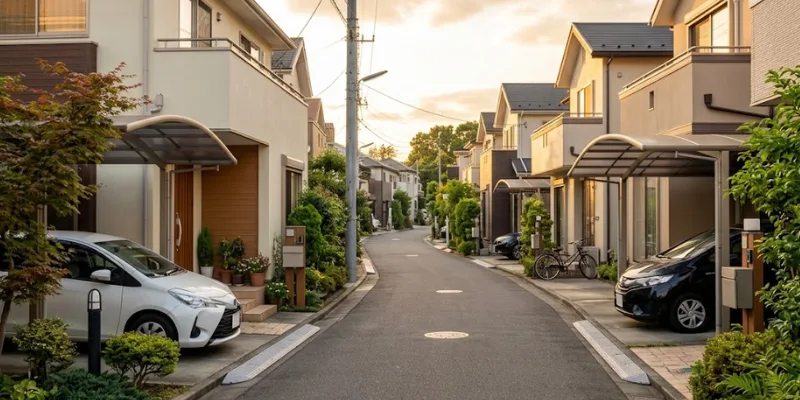
Sagamihara Apartment for Rent Near Camp Zama: 2026 Rent Figures
| Area | 1LDK range | 2LDK range | 3LDK range |
| Sagamihara Chuo-ku | ¥70,000–¥105,000 | ¥85,000–¥135,000 | ¥110,000–¥170,000 |
| Sagamihara Minami-ku | ¥65,000–¥95,000 | ¥75,000–¥110,000 | ¥100,000–¥155,000 |
| Zama city | ¥68,000–¥100,000 | ¥80,000–¥125,000 | ¥105,000–¥160,000 |
| Machida | ¥80,000–¥125,000 | ¥100,000–¥155,000 | ¥130,000–¥195,000 |
Sagamihara apartments for rent near Camp Zama run 20–35% lower than comparable unit sizes in central Tokyo wards, which is one reason many military families find off-post housing in Sagamihara significantly more comfortable in terms of space than what the same OHA budget would provide in inner Tokyo. For broader Kanagawa price context, see the Kanagawa apartments for rent guide.
OHA for Sagamihara Apartments for Rent Near Camp Zama
OHA rates at Camp Zama are set by DoD based on rank and dependency status. Confirm your specific rate through your finance office — rates are adjusted periodically and no third-party guide keeps them current.
In practical terms, OHA for a Sagamihara apartment for rent near Camp Zama typically covers:
- E-5 through E-7 with dependents: 2LDK in Sagamihara Chuo-ku or Zama, including parking
- O-3 through O-5: 2LDK or 3LDK in newer-build construction in Sagamihara or Machida
- E-4 and below unaccompanied: SHA or on-post dormitory is typically the practical path; OHA may not cover a private apartment at this level
Parking is included in most Sagamihara off-post rental contracts — the area is car-dependent, and landlords near military installations understand that parking is a hard requirement, not optional.
How Camp Zama Differs from Yokosuka and Yokota on Housing
Foreign residents and service members moving between US bases in Japan sometimes encounter very different housing situations depending on which installation they are assigned to. Camp Zama and Yokota Air Base both permit standard civilian leases, which means the normal Japanese rental process applies: standard civilian guarantor company, standard lease documents, standard OHA processing.
Yokosuka Naval Base operates differently. Yokosuka’s housing office requires a specific base-administered contract for all off-post housing. This contract contains terms that most Japanese landlords and management companies will not accept — which means the housing inventory accessible to Yokosuka-assigned families through standard civilian channels is severely limited. Families at Yokosuka who want to rent off-post typically do so privately and pay out of pocket rather than through OHA. This catches some service members off guard when transferring from Camp Zama or Yokota.
For the Yokota-specific housing guide, see Yokota Air Base apartments for rent.
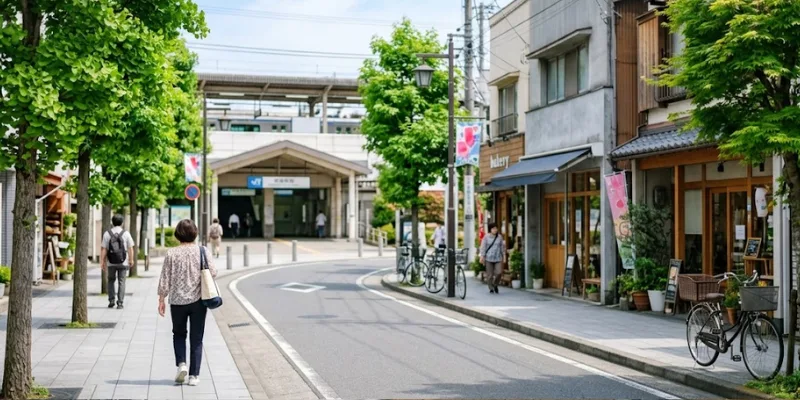
Renting a Sagamihara Apartment Near Camp Zama: Military ID Screening
The documentation challenges when renting a Sagamihara apartment for rent near Camp Zama are the same as at Yokota: SOFA-status service members typically do not hold a residence card, their primary ID is the military CAC, and they often do not have a Japanese bank account.
The practical solutions:
For the CAC: provide a copy with the ID number and barcode redacted. This lets landlords verify identity and military affiliation without exposing restricted information. Arealty briefs landlords and management companies on this before submission.
For bank account: rent is paid via monthly invoice (請求書) rather than automatic bank transfer. Management companies experienced with Camp Zama tenants handle this as standard.
For screening: guarantor companies that accept SOFA-status tenants are the critical factor. Arealty works with hoshō gaisha specifically set up for this. For the full document and screening breakdown, the foreigner rental guide covers each step.
Housing office inspection: if OHA is processed through the housing office, expect a 1–2 week inspection window before move-in approval. Plan your timeline accordingly.
Commute and Daily Life
Sagamihara’s commute profile differs from Tokyo-based assignments. Most Camp Zama tenants drive to the gate — public transport connections to the base are limited, and the Kanagawa suburban environment is genuinely car-dependent. Key practical notes:
- JR Yokohama Line (Hashimoto, Sagamihara, Fuchinobe stations): connects to Yokohama in 35–50 minutes, and to Machida for Odakyu connections
- Odakyu Odawara Line (Sagamihara, Sobudai-mae): connects to Shinjuku in approximately 50 minutes direct, with express services
- Car commute to Tokyo: Route 129 and the Ken-O Expressway provide car access to central Tokyo in 45–75 minutes depending on traffic
- Daily infrastructure: Sagamihara has strong suburban infrastructure — Ito Yokado, AEON, large-format home centres — without the density or cost of inner Tokyo
For Sagamihara vs. wider Kanagawa comparisons, the Kanagawa apartments for rent guide covers Yokohama, Kawasaki, and the full Kanagawa market.
Further Reading
- Kanagawa apartments for rent — foreigners guide 2026
- Yokota Air Base apartments for rent — Yokota-specific guide
- Renting in Japan as a foreigner — full process guide
- Why apartment listing photos in Japan can differ from the real room
- Average apartment rent in Tokyo — 2026 ward data
- No-deposit apartments in Tokyo and Kanagawa
- How to rent an apartment in Japan before you arrive

Real estate advisor at Arealty Japan, specialising in helping foreign residents navigate the Tokyo and Osaka rental markets. Lucy has guided hundreds of international renters — from Working Holiday visa holders to corporate relocations — through Japan’s apartment application process. Her writing draws on firsthand experience with landlord screening, guarantor companies, and foreigner-friendly listings across all 23 Tokyo wards and major Kansai cities.