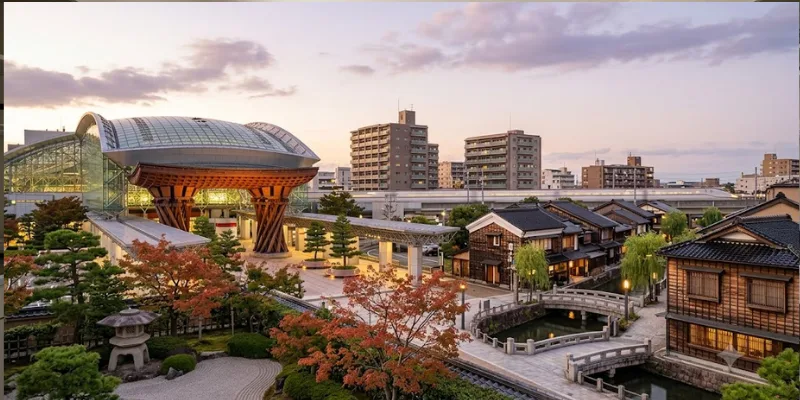

Kanazawa apartments for rent for foreigners run cheaper than almost any comparably sized Japanese city. You still get the Hokuriku Shinkansen’s 2.5-hour direct link to Tokyo. Kanazawa escaped major bombing in World War II. It kept its Edo-period castle town layout — samurai districts, geisha quarters, and canals all sit within walking distance of a fully modern train station. That mix of preserved heritage and modern infrastructure makes Kanazawa apartments for rent an appealing option. You get space and character without Tokyo or Osaka pricing.
This guide covers Kanazawa apartments for rent for foreigners in 2026. We look at which areas suit which lifestyle, realistic rent ranges, and how the application process compares to Japan’s larger cities. For general market context on Japan’s regional rental patterns, see our guide to Japan’s average house price. You can also confirm current Shinkansen routes and travel times directly through JR West’s official timetable.
Why foreigners choose Kanazawa apartments for rent
Kanazawa holds a unique position among Japan’s regional cities. It carries genuine international name recognition. Kenrokuen Garden drives much of that — it ranks among Japan’s three most celebrated landscape gardens. The 21st Century Museum of Contemporary Art adds to the draw, pulling visitors and long-term residents from across the world. The city also hosts Kanazawa University and several smaller institutions. That keeps a steady population of international students and academics flowing through the local rental market.
Unlike many depopulating regional cities, Kanazawa’s economy stays diversified. Traditional craft industries — gold leaf, lacquerware, Kutani porcelain — coexist with a growing tech and research sector tied to the university. The Hokuriku Shinkansen connection to Tokyo, completed in 2015, cut travel time dramatically. It opened Kanazawa to a wider pool of remote workers and dual-base professionals who split time between the two cities.
Where to find Kanazawa apartments for rent: area by area
Kanazawa Station area
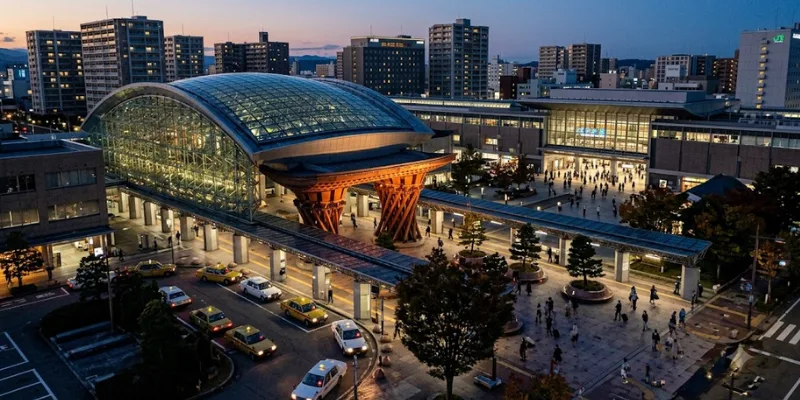
Kanazawa Station anchors the city’s transit network, with the striking Tsuzumi-mon gate marking its east entrance. This area holds the highest concentration of newer apartment buildings. It also has the most foreigner-familiar rental agencies, given the steady flow of relocating professionals arriving by Shinkansen.
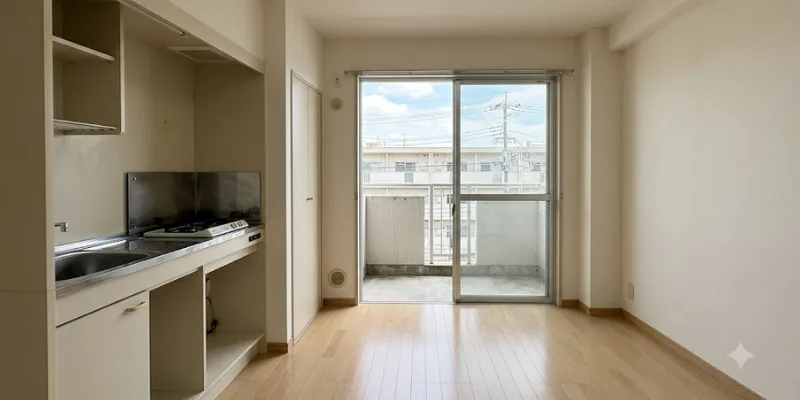
Typical 1K/1DK rents near Kanazawa Station run ¥45,000–¥62,000/month. Buildings within a five-minute walk of the station reach the upper end of that range.
Katamachi and Korinbo
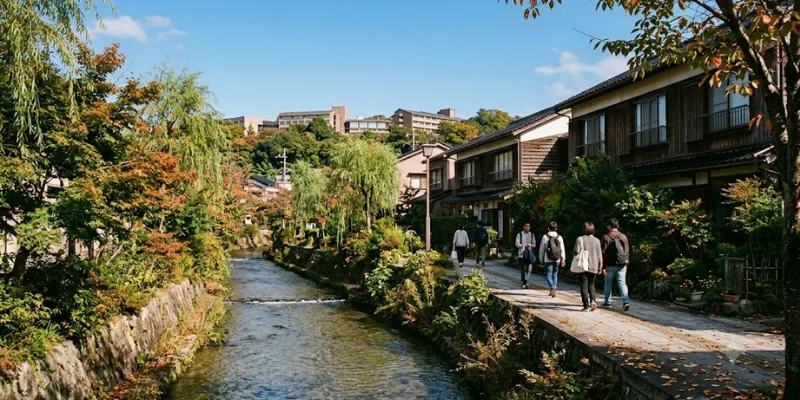
These adjoining districts form Kanazawa’s commercial and nightlife core, packed with department stores, restaurants, and bars along the Saigawa river. Young professionals and students favor this area for its walkability and social scene.
Typical 1K rents run ¥40,000–¥55,000/month. This ranks among the most affordable central-area rents of any prefectural capital in Japan.
Higashi Chaya and Kazuemachi
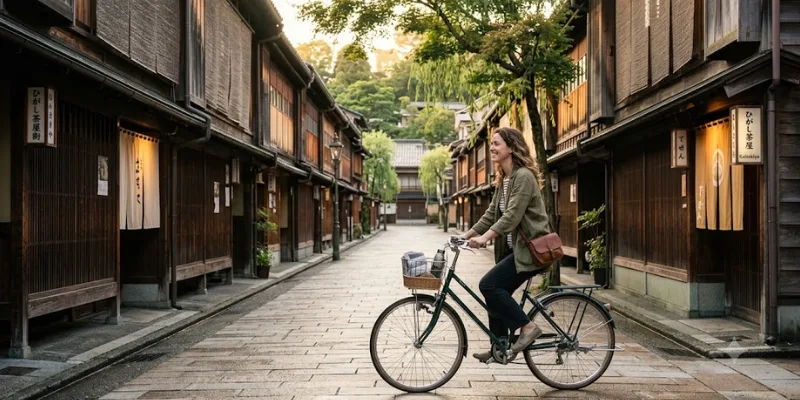
Kanazawa’s preserved geisha districts sit here, alongside quieter residential streets that retain much of their Edo-period character. Long-term foreign residents often gravitate toward this area for its atmosphere. So do those working in traditional crafts or tourism-adjacent fields, even though building stock runs older on average.
Typical 1K rents run ¥38,000–¥50,000/month. This reflects the area’s older housing stock despite its prestige location.
Kodatsuno and the university district
Kanazawa University’s main campus sits in this southeastern area. It carries a substantial student rental market, plus a corresponding supply of smaller, budget-oriented units.
Typical 1K rents run ¥32,000–¥45,000/month — the most affordable range in the guide. This works as a realistic option for students or budget-conscious long-term residents.
How the application process works for Kanazawa apartments
The mechanics follow the same national framework as Tokyo or Osaka. A few regional differences are worth knowing:
- Guarantor companies (保証会社) remain standard, though the pool of companies operating in Ishikawa Prefecture runs smaller than in major metros. Most listings marketed to foreigners already include guarantor company support, similar to how Japan’s rental guarantor system works nationally.
- Move-in costs run noticeably lower than Tokyo. Budget 3–5 months’ rent for the full move-in package — deposit, key money, agency fee, and guarantor fee. On Kanazawa’s lower base rents, this adds up to a smaller absolute cash outlay than an equivalent move in a major city.
- English-speaking agencies stay limited outside a handful of specialist firms. Kanazawa’s smaller foreign population means fewer dedicated foreigner-friendly agencies than Tokyo or Osaka. Working with a bilingual agent who covers the Hokuriku region specifically saves considerable time.
- Prepare standard documents in advance. You’ll need a residence card, passport, proof of income or a university enrollment certificate, and a guarantor company application. This list matches national norms — Kanazawa’s process doesn’t add extra paperwork.
Kanazawa vs. other regional cities
Kanazawa distinguishes itself through its Shinkansen access. A direct 2.5-hour train ride to Tokyo puts Kanazawa within reach for remote professionals who need occasional Tokyo office days. Most regional cities of similar size simply don’t offer that connection. For renters prioritizing lowest possible cost over any Tokyo link, cities further from Shinkansen lines can undercut Kanazawa’s rents. For renters wanting a genuine balance of affordability, heritage, and functional Tokyo access, Kanazawa apartments for rent occupy a distinct niche.
Daily life for foreigners renting in Kanazawa
Kanazawa’s foreign resident community runs smaller than Tokyo’s or Osaka’s, but it benefits from strong municipal support infrastructure. The Kanazawa International Exchange Foundation runs language classes, consultation services, and community events aimed at helping foreign residents settle in. Kanazawa University’s international student office extends informal support to the broader foreign community too, given the university’s role as a hub for the city’s international population.
For everyday needs, Omicho Market — Kanazawa’s answer to Tokyo’s Tsukiji — provides fresh seafood and produce year-round, alongside standard supermarket chains found throughout the rest of Japan. You can check current municipal services and resident registration procedures through the Kanazawa City official website.
Getting around Kanazawa without a car
Kanazawa’s public transit runs less dense than Tokyo’s subway network. This is the single biggest lifestyle adjustment for renters coming from a major metro. The city relies heavily on a bus network centered around Kanazawa Station, supplemented by the Machi-bus loop service connecting major sightseeing and shopping districts. Most renters in the areas covered above can reach daily necessities on foot or by bus without a car. If your workplace sits outside the central loop, check bus frequency and last-departure times first — some routes thin out considerably after 9 PM.
A growing number of Kanazawa apartments for rent include dedicated parking as standard, particularly in newer buildings near the station. This reflects the fact that many residents — especially families and those working outside the immediate city center — do keep a car. Parking availability and cost vary considerably by building age and location. Confirm this specifically if you plan to drive, since older central buildings often lack on-site parking entirely.
Seasonal considerations unique to Kanazawa
Kanazawa sits on the Sea of Japan coast, in a region known nationally for heavy winter snowfall. That’s a genuine departure from Tokyo or Osaka’s milder winters. Snow accumulation from December through February can run substantial. Buildings vary considerably in how well they handle it, so check for covered parking, snow-clearing arrangements for shared walkways, and window insulation quality before signing a winter lease. Older wooden-frame buildings, more common in the Higashi Chaya and Kazuemachi areas, tend to run colder and carry higher heating costs than newer concrete construction near the station.
Kanazawa’s summers, on the other hand, run milder than Tokyo’s notoriously humid heat. The city’s mountain proximity means quick access to cooler retreats during the hottest months. Renters relocating from Tokyo often find the trade-off reasonable — harder winters, easier summers — particularly if they already enjoy snow sports; several ski resorts sit within an hour’s drive.
How Kanazawa’s rental market moves through the year
Like the rest of Japan, Kanazawa’s rental market sees its highest activity around the April academic and fiscal year start. Kanazawa University enrollment and corporate relocations both drive this seasonal peak. Unlike Tokyo, though, the market here stays noticeably calmer even during peak season. The smaller total volume of listings means less intense competition than renters face in major metros — but it also means fewer total options at any given time. Renters with flexible timing sometimes find better selection and negotiating room by searching slightly outside the April rush, in February-March or September-October, when landlords and agencies have more time to negotiate terms with fewer competing applicants in the market.
Frequently Asked Questions
Yes, substantially. Typical 1K rents in Kanazawa run ¥32,000–¥62,000/month depending on the area, compared to ¥70,000–¥120,000/month for comparable Tokyo wards.
The Hokuriku Shinkansen connects Kanazawa Station to Tokyo Station in about 2.5 hours direct. That makes occasional commuting or dual-base living realistic for some professionals.
No. Guarantor companies handle the large majority of Kanazawa listings marketed to foreign renters, following the same national system used across Japan.
Kodatsuno, near Kanazawa University’s main campus, offers the most affordable rents and the largest concentration of student-oriented housing in the city.
Limited compared to Tokyo or Osaka. A small number of agencies specialize in the Hokuriku region and work regularly with foreign renters, including international students and Shinkansen commuters.
Not for the areas covered in this guide — most stay walkable or bus-accessible. A car helps if your workplace sits outside the central loop or if you want easier access to surrounding mountain and coastal areas beyond the city itself.
ebruary-March and September-October tend to offer better selection and more negotiating room than the April peak season, when Kanazawa University enrollment and corporate transfers drive up competition for the best units.
Yes. Utility providers follow the same national application process used across Japan, though English-language phone support runs more limited than in Tokyo. Most foreigner-friendly rental agencies in Kanazawa can assist with initial setup as part of the move-in process.
Ready to browse current listings? See current Kanazawa apartments for rent on Arealty — foreigner acceptance pre-confirmed, with bilingual support from first inquiry through to receiving your keys and settling comfortably into your new neighborhood and daily routine.

Real estate advisor at Arealty Japan, specialising in helping foreign residents navigate the Tokyo and Osaka rental markets. Lucy has guided hundreds of international renters — from Working Holiday visa holders to corporate relocations — through Japan’s apartment application process. Her writing draws on firsthand experience with landlord screening, guarantor companies, and foreigner-friendly listings across all 23 Tokyo wards and major Kansai cities.