
Quick answer: There’s no single public database for a fire history check on a specific apartment in Japan. If a fire caused a death, disclosure follows the same MLIT guideline that governs jiko bukken more broadly. For fires without a death, information mostly comes from asking your agent directly, checking a condo’s management association records, and visually inspecting for rebuilt or repaired sections during a viewing.
This article is for general reference only. It does not name specific addresses, buildings, or incidents, and it isn’t legal advice.
Key facts at a glance:
| Factor | Detail |
|---|---|
| Public fire database | Doesn’t exist in a searchable, address-level form |
| Fire with a fatality | Falls under the same disclosure guideline as other jiko bukken |
| Fire without a fatality | No standard proactive disclosure requirement |
| Best verification method | Direct question to your agent, plus a careful in-person viewing |
| Condo-specific records | Management association minutes may reference past incidents |
A fire’s aftermath isn’t always obvious from photos or even a quick walkthrough. This guide covers how a fire history check before renting an apartment in Japan actually works. It also covers what agents are required to tell you, and what you’ll need to verify yourself.
Is There a Public Fire History Database in Japan?
No searchable, address-level fire history database exists for the general public. Local fire departments, called shobosho, keep records of incidents they respond to. This data isn’t packaged into a consumer-facing lookup tool the way some other property information is. Large, newsworthy fires sometimes get covered in local news archives, which can be searched manually. This only surfaces fires significant enough to make the news, though.
When Does a Fire Trigger Mandatory Disclosure?
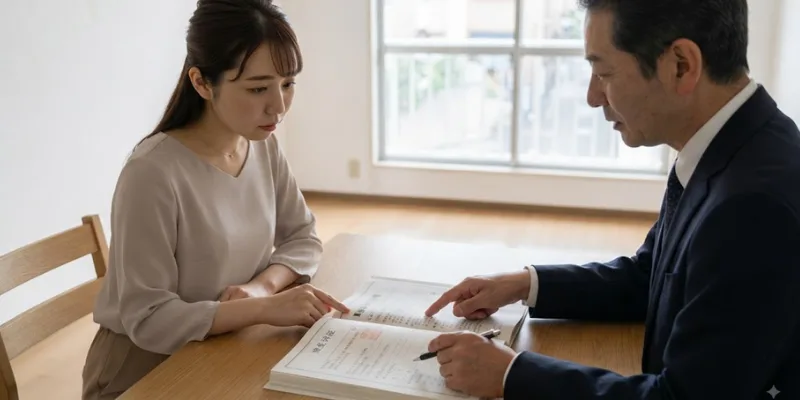
A death-involved fire falls under Japan’s 2021 MLIT guideline on disclosing deaths at real estate transactions. This is the same framework that governs jiko bukken more broadly. Under that guideline, agents must generally disclose the death to the first tenant after the incident. They must also answer honestly if a prospective tenant asks directly, even after the proactive disclosure window has passed.
A fire without a fatality doesn’t automatically trigger the same disclosure duty. This is an important distinction. Fire damage itself isn’t treated the same way as a death under current guidance, even though both can affect a unit’s condition and a renter’s comfort level.
How to Check for Fire History Yourself
No comprehensive public tool covers this. A combination of direct questions and careful observation works best instead.
Ask your agent directly. Whether or not proactive disclosure applies, asking whether a specific unit or building has any fire history is a reasonable question. Your agent should be willing to answer honestly.
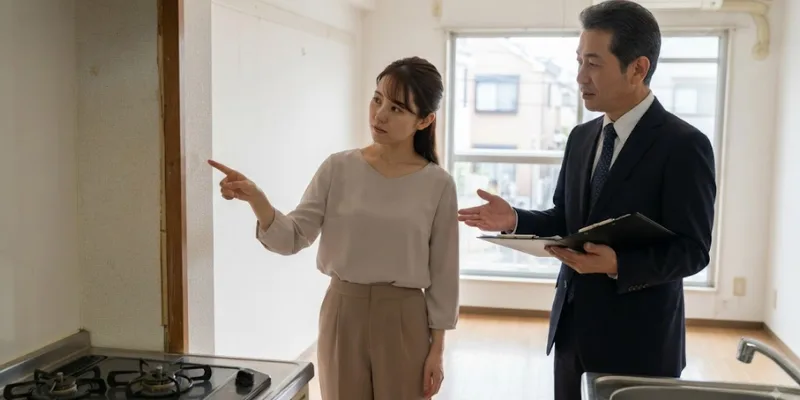
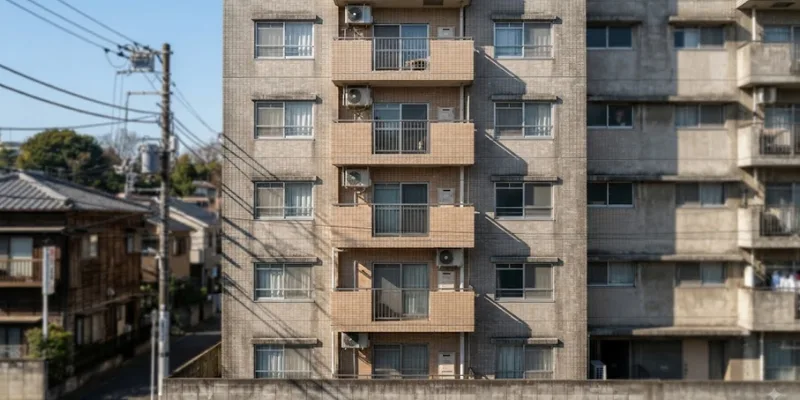
Look for signs of rebuilt or repaired sections during a viewing. Mismatched exterior materials, a section of a building that looks newer than the rest, or unusually fresh interior finishes in an otherwise older unit can all be worth asking about directly.
Check the building’s completion and inspection certificates, if available, particularly for any section that appears to have been rebuilt. A legitimate post-fire renovation should have proper permits and inspection sign-off.
For condos, ask about management association records. Large-scale repairs or renovations tied to fire damage sometimes appear in general meeting minutes. This applies even if the original incident itself isn’t documented in a way you can access directly.
What About Fire Safety, Rather Than Fire History?
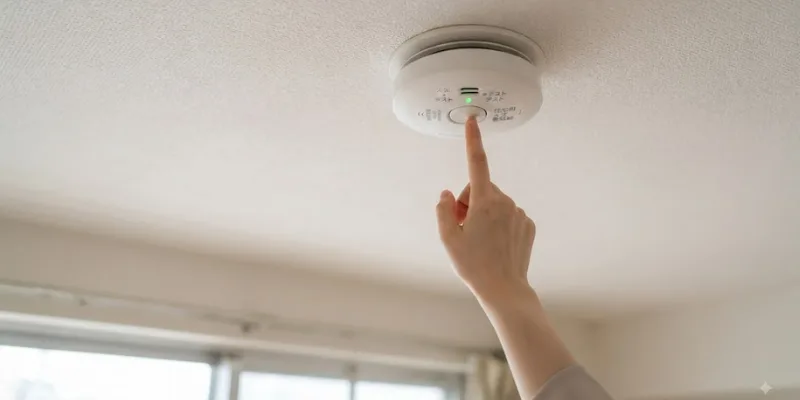
It’s worth checking a building’s current fire safety features before signing a lease, separate from any past incident. Confirm the location of fire extinguishers and emergency exits during your viewing. Ask whether the building has smoke detectors installed in each unit. This has been mandatory in new residential construction since 2006, though older buildings may vary. For buildings without an elevator, or with limited stairwell access, understanding the evacuation route in advance is a reasonable precaution, independent of any fire history question.
Fire History and Rent Pricing
A unit with a documented fire history, particularly one involving a fatality, tends to follow similar pricing patterns to other jiko bukken. It’s priced below comparable listings to offset reduced demand. A fire without a fatality generally has less impact on pricing, since disclosure isn’t mandated the same way. A landlord may still choose to be upfront about past damage as part of standard good-faith dealing, though. If you’re specifically comparing a discounted listing against typical market rent, our guide to cheap apartments in Tokyo is a useful reference point.
How This Connects to Broader Jiko Bukken Research
A fire history check is really one branch of a larger due-diligence habit worth building into any apartment search. Our guide to Japan’s disclosure law for stigmatized properties covers the legal framework in more depth. It includes how long disclosure obligations last, and what falls outside them. If you’re weighing whether a discount reflects an incident history at all, our guide to stigmatized property rent discounts breaks down what typically drives pricing in these situations.
What to Do If You Suspect Undisclosed Fire Damage
If something during a viewing looks off — a section that seems rebuilt, an odd smell, or discoloration that doesn’t match the rest of the unit — raise it with your agent before you sign anything. A straightforward question is usually enough to get a clear answer, since agents generally prefer resolving concerns before a lease is signed rather than after. If the answer feels evasive or inconsistent with what you observed, it’s reasonable to ask for the building’s permit history from the local municipal building department, or to walk away from the listing entirely if you’re not satisfied. Trusting your own observation during a viewing is a legitimate part of this process, not something to second-guess just because a listing looks appealing otherwise.
FAQ: Fire History Checks Before Renting in Japan
No comprehensive public database exists for this in Japan. Local news archives sometimes cover significant fires, but there’s no consumer-facing lookup tool at the address level.
Only if the fire resulted in a death, in which case it falls under the same disclosure guideline as other jiko bukken. A fire without a fatality doesn’t carry the same mandatory disclosure requirement, though asking directly is still reasonable.
Look for mismatched exterior materials, sections that look newer than the rest of the building, or unusually fresh interior finishes. Ask your agent directly if anything looks inconsistent.
Not necessarily, unless the fire involved a fatality and the unit is being marketed with that history disclosed. Fire damage without a death doesn’t automatically trigger the same discount pattern as jiko bukken more broadly.
Yes, in new residential construction since 2006. Older buildings may not have been retrofitted, so it’s worth confirming during a viewing regardless of any fire history question.
Not automatically. A properly repaired and permitted renovation can restore a unit to a fully safe, livable condition. The key is confirming the repair was done properly, not avoiding any building with any history at all.
Have questions about a specific listing? Visit Arealty for guidance, or browse current listings at arealty.mom/rent.
Source: Tokyo Fire Department — Residential Fire Alarms

Real estate advisor at Arealty Japan, specialising in helping foreign residents navigate the Tokyo and Osaka rental markets. Lucy has guided hundreds of international renters — from Working Holiday visa holders to corporate relocations — through Japan’s apartment application process. Her writing draws on firsthand experience with landlord screening, guarantor companies, and foreigner-friendly listings across all 23 Tokyo wards and major Kansai cities.