
Quick answer: The best time of year to sell property in Japan is January through March. Japan’s school and fiscal year both start on April 1, which drives a nationwide wave of relocations in the preceding months. Listing during this window generally means more active buyers and faster sales. Summer, particularly the rainy season and peak heat of August, and the year-end holiday period tend to be the slowest.
Key facts at a glance:
| Factor | Detail |
|---|---|
| Strongest selling window | January–March |
| Why | Japan’s fiscal and school year both start April 1 |
| Slowest periods | Rainy season and August; late December–early January |
| Tax year-end | December 31 (affects holding-period calculations) |
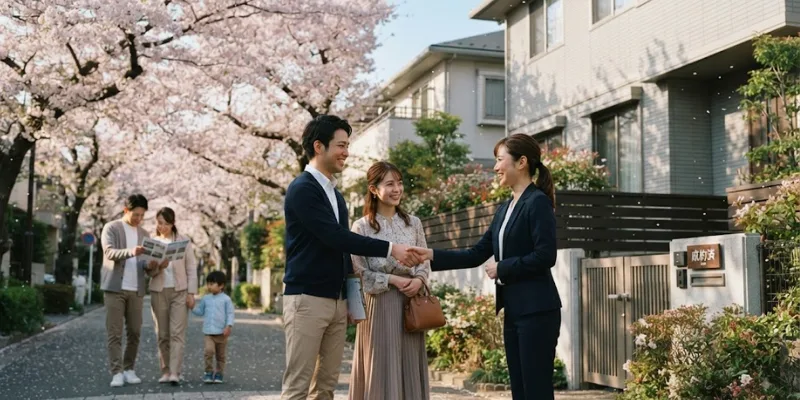
| Secondary consideration | Spring viewing appeal (cherry blossom season) |
Property doesn’t sell at a constant pace throughout the year in Japan. There’s a real, predictable seasonal pattern behind it. This guide covers the best time of year to sell property in Japan, and why the calendar matters as much as the price you list at.
Why January Through March Is Japan’s Peak Selling Season
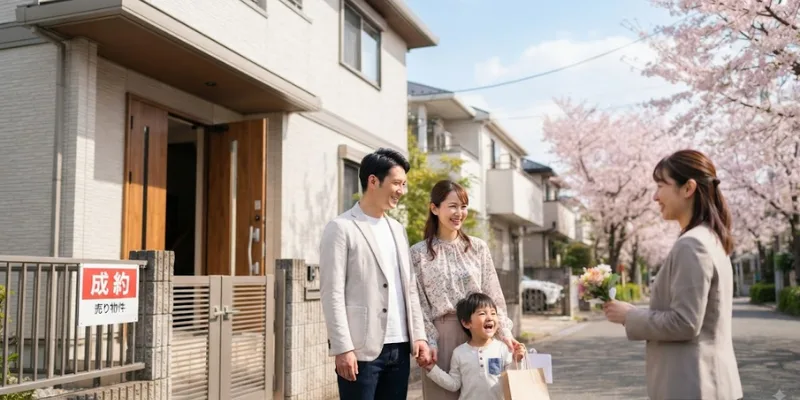
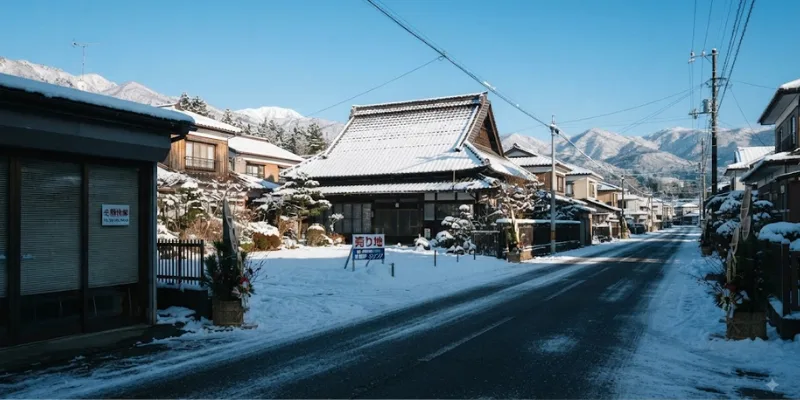
Japan’s fiscal year and school year both begin on April 1. This single date shapes an enormous amount of household movement across the country. Companies transfer employees to new postings ahead of the new fiscal year. Families relocate so children can start the new school year in a new district without disruption. University students move into their first apartment before spring semester begins.
All of this creates a concentrated surge of buyer activity in the months leading up to April. Listings that hit the market in January, February, or March tend to see more viewings and faster offers. This holds true compared to the same property listed at almost any other point in the year.
Why Summer Tends to Be Slower
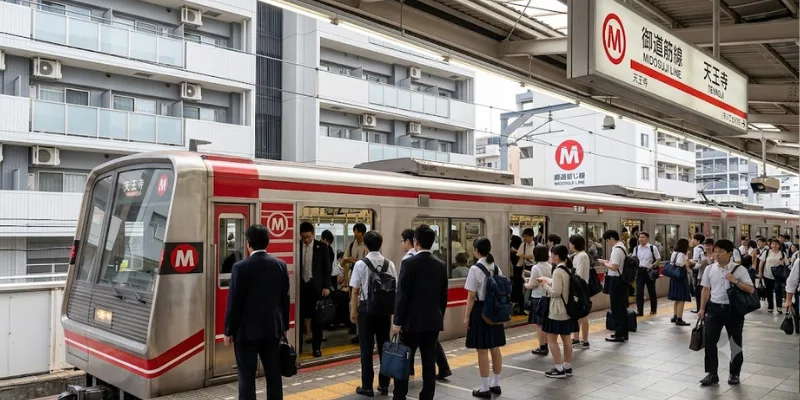
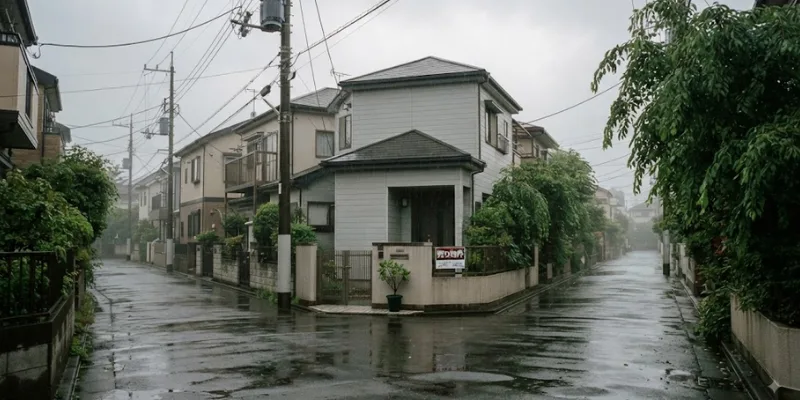
Japan’s rainy season, called tsuyu, runs through most of June in many regions. The heat and humidity of July and August discourage a lot of casual house-hunting too. Families with school-age children are also less likely to move mid-school-year, since Japan’s academic calendar runs April to March rather than a fall-to-summer cycle. This combination makes summer the quietest stretch for most residential sellers.
The Year-End Holiday Effect
Late December through the first week or two of January is one of the slowest periods for real estate activity of any kind. Many agencies reduce operating hours around the New Year holiday, called oshogatsu. Most buyers are focused on family gatherings rather than house hunting during this stretch. Listing right before this window often means your property sits with reduced visibility until the market picks back up in mid-January.
Does Timing Affect Your Capital Gains Tax Too?
Yes, and this is worth planning around alongside general market timing. Japan’s capital gains tax rate depends on your holding period, measured as of January 1 of the year you sell. If you’re close to crossing the five-year threshold between short-term and long-term rates, the exact month you sell can matter more than the season. Our guide to capital gains tax when selling property in Japan breaks down how this calculation works, and why a sale a few weeks earlier or later can significantly change your tax bill.
How to Plan Your Listing Timeline Around Peak Season
Getting a property ready for the January–March window generally means starting preparation in the preceding autumn.
- Get a valuation and choose your agent in October or November. This gives you time to prepare the property before the peak window opens.
- Handle any repairs or staging in November or December. Do this before the holiday slowdown limits contractor availability and buyer attention.
- List in early January, right as the post-holiday market picks back up, to get maximum exposure through the peak February and March window.
- Set a realistic closing timeline. Buyers moving for an April start date need to close well before then. This puts real pressure on a fast, well-prepared transaction.
For the other costs involved in a sale, our guide on the real estate agent fee in Japan is a useful companion once you’ve settled on a listing timeline.
What Peak Season Means for Pricing Strategy
Peak season doesn’t just bring more buyers. It also changes how much negotiating room you have. With more active competition for well-located properties, sellers listing in January through March often have less pressure to discount from their initial asking price. That’s compared to sellers competing in a quieter month. This doesn’t mean overpricing is a good strategy even in peak season — buyers in any market recognize an unrealistic price quickly. It does mean a fairly priced property in peak season tends to attract multiple interested parties faster. That can shorten the negotiation process considerably, compared to a listing sitting alone in the market during summer or the holiday lull.
Is There Ever a Good Reason to Sell Outside Peak Season?
Sometimes, yes. If your personal circumstances require a sale regardless of season, waiting for the “ideal” window isn’t always practical. A well-priced property can still sell reasonably well outside peak months. Sellers with more flexibility, though, generally get a meaningfully better outcome by aligning their timeline with the January–March surge, both in terms of speed and the number of competing offers.
FAQ: Best Time of Year to Sell Property in Japan
What’s the single best month to list property in Japan? January is generally considered the strongest starting point, since it captures buyers actively searching ahead of the April fiscal and school year while still leaving time to close before spring.
Why does Japan’s real estate market slow down in summer? The rainy season and summer heat discourage casual house-hunting. Families are also less likely to move mid-school-year, since the academic calendar runs April to March.
Does selling around the New Year holiday hurt my chances? Generally yes. Reduced agency hours and lower buyer attention during oshogatsu mean listings during this window tend to get less visibility than the same property listed a few weeks later.
Should I time my sale around capital gains tax rather than the season? Both matter, and they don’t always align perfectly. If you’re near the five-year ownership threshold, the tax timing may take priority over the seasonal timing. A tax professional can help you weigh the two.
How far in advance should I start preparing to sell in the peak season? Aim to start valuations and agent selection in October or November, so repairs and staging are finished before the January listing window opens.
Can I still sell successfully outside the January–March window? Yes, particularly if the property is well-priced and well-presented, but expect a slower process and fewer competing offers than during peak season.
Source: MLIT Real Estate Price Index (不動産価格指数)
Thinking about selling? Visit Arealty for guidance on timing your sale.

Real estate advisor at Arealty Japan, specialising in helping foreign residents navigate the Tokyo and Osaka rental markets. Lucy has guided hundreds of international renters — from Working Holiday visa holders to corporate relocations — through Japan’s apartment application process. Her writing draws on firsthand experience with landlord screening, guarantor companies, and foreigner-friendly listings across all 23 Tokyo wards and major Kansai cities.