Quick answer: Ota Ward is Tokyo’s largest ward by area and one of its most varied for buyers. It spans Denenchofu, one of Japan’s most prestigious residential neighborhoods, Kamata’s affordable, transit-heavy commercial core, and areas near Haneda Airport favored by frequent travelers. Prices vary enormously within the ward depending on which of these three distinct areas you’re targeting.
Key facts at a glance:
| Factor | Detail |
|---|---|
| Ward size | Largest of Tokyo’s 23 wards by area |
| Prestige area | Denenchofu — one of Japan’s most upscale residential neighborhoods |
| Transit hub | Kamata (JR Keihin-Tohoku Line, Tokyu Ikegami/Tamagawa Lines) |
| Airport access | Keikyu Line — direct to Haneda Airport |
| Price range | Wide — from affordable Kamata-area units to premium Denenchofu homes |
Ota Ward doesn’t fit a single description the way some smaller, more uniform wards do. This guide covers buying a home in Ota Ward. It walks through which stations matter, what prices actually look like, and what’s driving demand across its distinct neighborhoods.
Why Ota Ward Covers Such a Wide Price Range
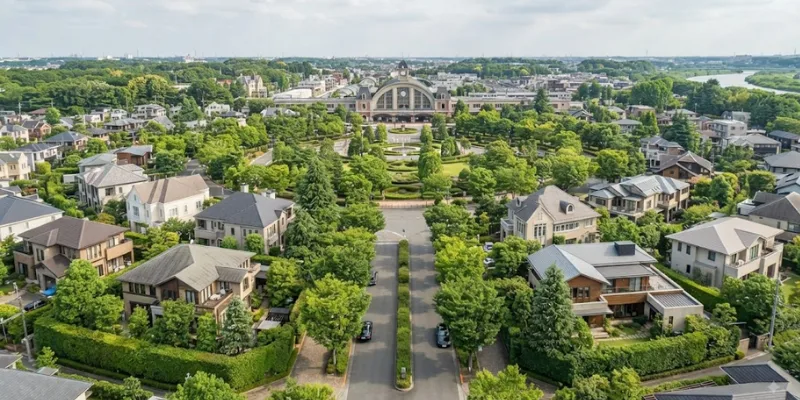
Ota Ward is the largest of Tokyo’s 23 wards by area. That sheer size means it contains genuinely different real estate markets under one administrative boundary. Denenchofu is often compared to an upscale Western suburb. It’s been one of Japan’s most prestigious residential addresses since its planned development in the 1920s. Property here commands prices well above the Tokyo average.
Kamata, by contrast, is a dense, practical transit and shopping hub with far more accessible pricing. Areas near Haneda Airport sit somewhere in between, shaped by proximity to Tokyo’s primary domestic and increasingly international gateway.
Denenchofu: Ota Ward’s Premium Address
Denenchofu was designed in the 1920s as one of Japan’s first garden-city style residential developments. Wide tree-lined streets radiate from the station in a distinctive circular pattern. That planned, spacious layout is rare in Tokyo, and it remains a major part of the area’s appeal today.
Buyers here are typically looking for larger detached homes rather than compact apartments. Prices reflect both the land value and the neighborhood’s long-standing prestige. This isn’t typically where value-focused buyers start their search. It’s a genuine consideration, though, for buyers prioritizing space, quiet, and long-term prestige over proximity to the busiest parts of central Tokyo.
Kamata: Ota Ward’s Transit and Commercial Core
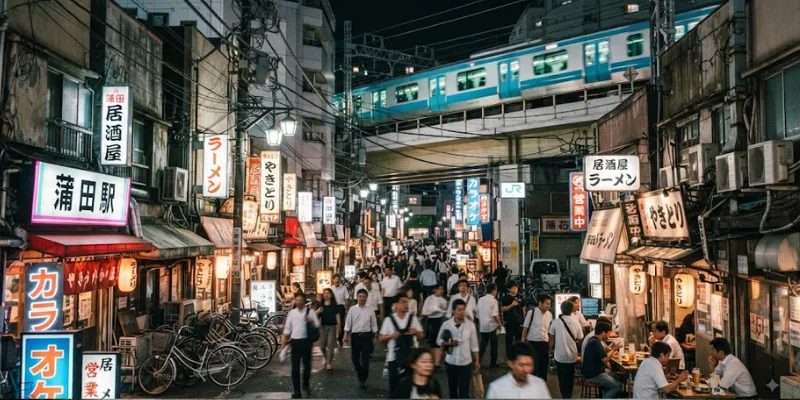
Kamata functions as Ota Ward’s main hub. JR Keihin-Tohoku Line service, plus Tokyu Ikegami and Tamagawa Line connections, all converge at the station. It has a dense shopping and dining district, and a genuinely local, unpolished character compared to more curated central Tokyo neighborhoods.
Property prices here run meaningfully lower than areas closer to Shibuya or Shinjuku, for a comparable commute time. This makes Kamata a common starting point for buyers who want practical transit access without a Denenchofu-level price tag.
Areas Near Haneda Airport
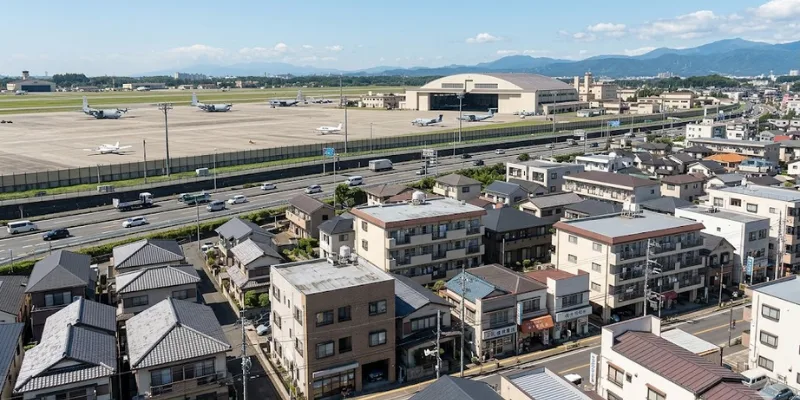
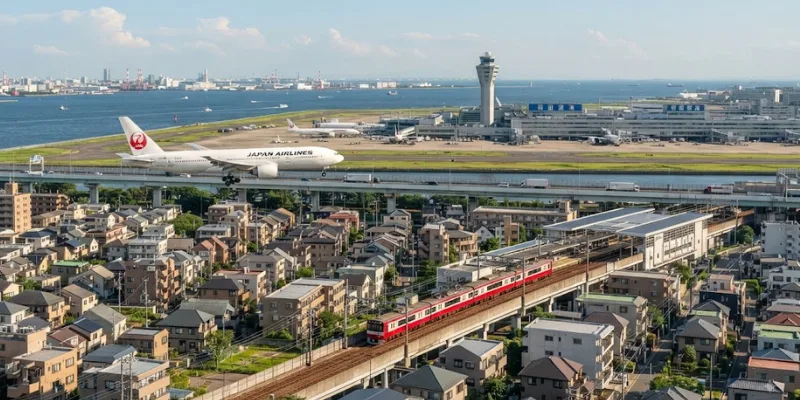
Ota Ward’s southern reaches sit close to Haneda Airport, connected via the Keikyu Line. This appeals specifically to buyers who travel frequently for work, or who value quick airport access over other lifestyle factors. Property here tends to be more moderately priced than Denenchofu. It still offers a genuinely distinct value proposition that few other Tokyo wards can match, given Haneda’s role as the city’s primary airport.
What Drives Ota Ward Property Prices
A few factors consistently explain price differences within the ward.
Which of the three sub-areas a property sits in. This matters more in Ota than in most single-character wards, given how different Denenchofu, Kamata, and the Haneda-adjacent areas are from each other.
Distance to a train station. As in most of Tokyo, there’s a meaningful premium for a short walk to any of the ward’s several rail lines.
Lot size and building type. Ota Ward has more detached houses relative to apartments than many central wards. This changes how pricing is typically calculated compared to a standard condo purchase.
Proximity to Haneda-related amenities and flight paths. This cuts both ways — convenient for frequent travelers, but a consideration for buyers sensitive to aircraft noise in certain areas.
Ota Ward vs. Neighboring Areas for Buyers
Buyers comparing Ota Ward often weigh it against Setagaya or Shinagawa. Compared to Setagaya, Ota generally offers a wider price range. Options run from more affordable Kamata-area listings to Denenchofu’s premium end, giving buyers more room to find a fit for their specific budget. Compared to Shinagawa, Ota tends to feel less centrally located overall. It offers a genuine trade-off in airport access, though, and the specific appeal of Denenchofu that Shinagawa doesn’t replicate.
For renters comparing the same ward before deciding whether to buy, our guide to Ota apartments for rent covers the rental side of the market near Haneda and Denenchofu in more detail.
Steps for Buying a Home in Ota Ward as a Foreigner
- Decide which of the three sub-areas fits your priorities. Denenchofu, Kamata, and the Haneda-adjacent neighborhoods serve genuinely different buyer profiles.
- Confirm your financing plan before you start viewing. Detached houses, more common in Ota than in many central wards, sometimes involve different financing considerations than a standard condo purchase.
- Ask about flight path and noise considerations if you’re looking near Haneda Airport, since this varies by specific location within the area.
- Compare transit options carefully. Ota Ward’s multiple rail lines serve different parts of the ward, and not every station offers the same direct access to your workplace or other regular destinations.
- Work with an agent who knows Ota Ward’s distinct sub-markets, given how much pricing and buyer profile varies across the ward’s different neighborhoods.
FAQ: Buying a Home in Ota Ward
Is Denenchofu the most expensive part of Ota Ward? Yes, generally. It’s one of Japan’s most prestigious residential neighborhoods, and pricing reflects both its planned garden-city layout and long-standing reputation.
Is Kamata a good option for a more affordable purchase in Tokyo? Yes, relative to many central wards. Kamata offers strong transit access at meaningfully lower prices than areas closer to Shibuya or Shinjuku.
How close is Ota Ward to Haneda Airport? Parts of the ward sit directly adjacent to the airport, connected via the Keikyu Line, making it one of the most airport-convenient areas in Tokyo.
Does Ota Ward have more houses or apartments compared to other wards? It has a higher proportion of detached houses relative to apartments than many central Tokyo wards, which affects how pricing and financing are typically structured.
Should I worry about aircraft noise if I buy near Haneda? It varies by specific location and flight path. Ask your agent directly about noise considerations for any specific property you’re seriously considering.
Is Ota Ward a good fit for families? It can be, particularly in Denenchofu and other established residential pockets, which offer more space and a quieter environment than many central Tokyo neighborhoods.
Source: Tokyo Metropolitan Government — Ward Area Statistics
Considering Ota Ward? Visit Arealty for foreigner-friendly buying and rental support, or browse current listings at arealty.mom/rent.

Real estate advisor at Arealty Japan, specialising in helping foreign residents navigate the Tokyo and Osaka rental markets. Lucy has guided hundreds of international renters — from Working Holiday visa holders to corporate relocations — through Japan’s apartment application process. Her writing draws on firsthand experience with landlord screening, guarantor companies, and foreigner-friendly listings across all 23 Tokyo wards and major Kansai cities.