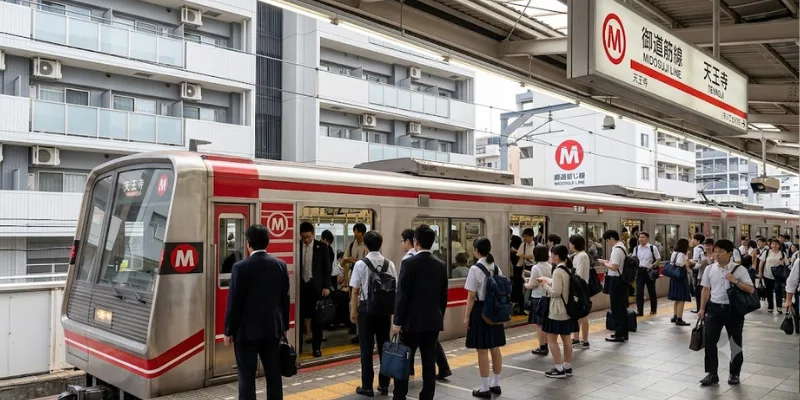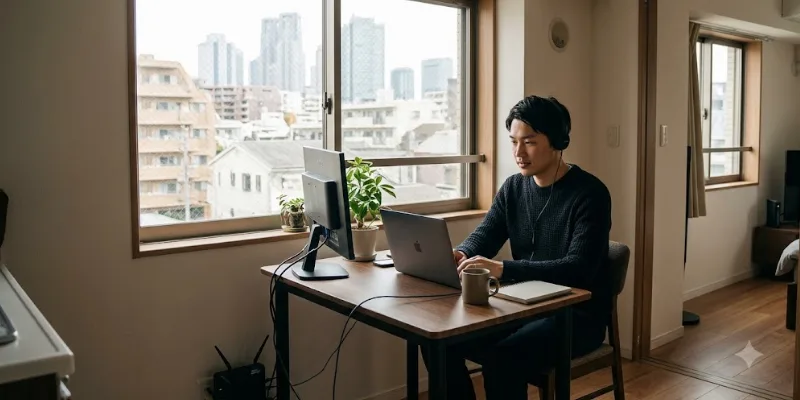

Remote workers moving to Tokyo tend to default to Shibuya or Shinjuku without a clear reason beyond name recognition, but Shinjuku for remote workers has a specific advantage the other central wards don’t: an unusually dense concentration of coworking spaces packed into a small radius around the station, plus direct access to nearly every other part of Tokyo when you do need to meet clients in person. The trade-off is picking the right block, since Kabukicho’s noise makes focused work from home difficult, while Nishi-Shinjuku and the streets near Shinjuku Gyoen solve that problem entirely.
This guide covers where to base yourself, what to look for in a coworking space, and what to check in an apartment before signing if your income depends on a stable internet connection and a quiet room.
Shinjuku for Remote Workers: Key Facts
| Factor | Detail |
|---|---|
| Best areas for focused remote work | Nishi-Shinjuku, streets near Shinjuku Gyoen |
| Areas to avoid | Kabukicho and blocks directly on Shinjuku-dori |
| Coworking density | Among the highest of any Tokyo ward |
| Visa considerations | Working Holiday, Digital Nomad, and HSP visas each have different rules |
| Typical studio rent | ¥95,000-140,000/month depending on area |
Why Shinjuku Works for Remote Work
Shinjuku Station connects to more train lines than almost any other station in Tokyo, which matters more for remote workers than it seems at first. Client meetings, coworking day-passes in other wards, and weekend travel out of Tokyo all become simpler when your home station is a direct line to nearly everywhere. Combine that with the ward’s large stock of studio and 1K apartments built for single professionals, and Shinjuku ends up as one of the more practical bases for someone working on a laptop rather than commuting to an office daily.
Where to Base Yourself If You Work From Home
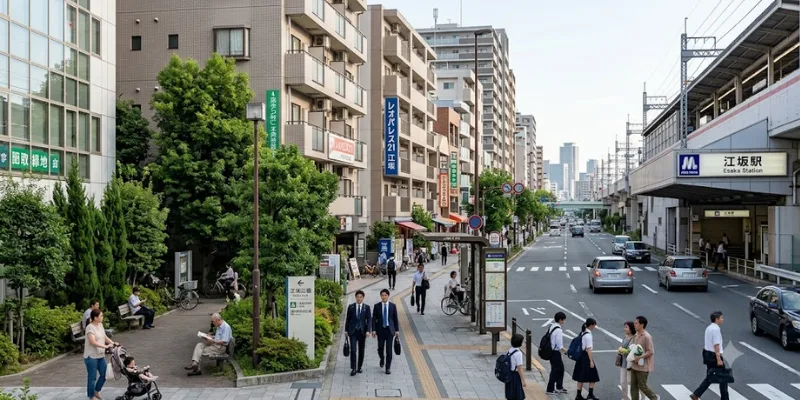
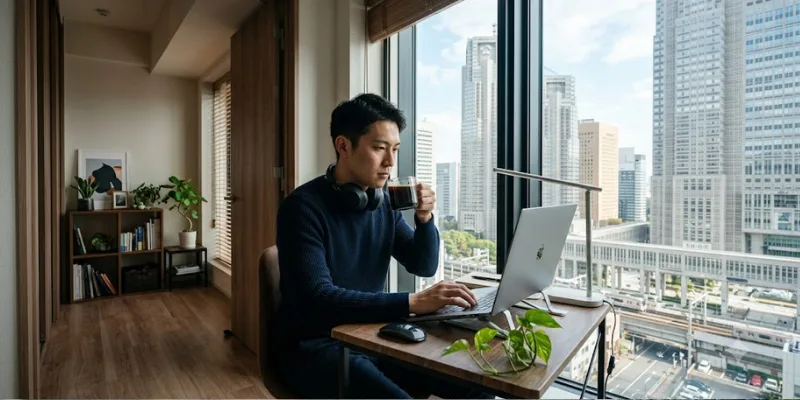
Nishi-Shinjuku is the strongest fit for remote workers who need a genuinely quiet apartment. The area’s business-district character means residential side streets go quiet in the evening, and the building stock skews newer, with better insulation and more reliable fiber internet infrastructure than older buildings elsewhere in the ward.
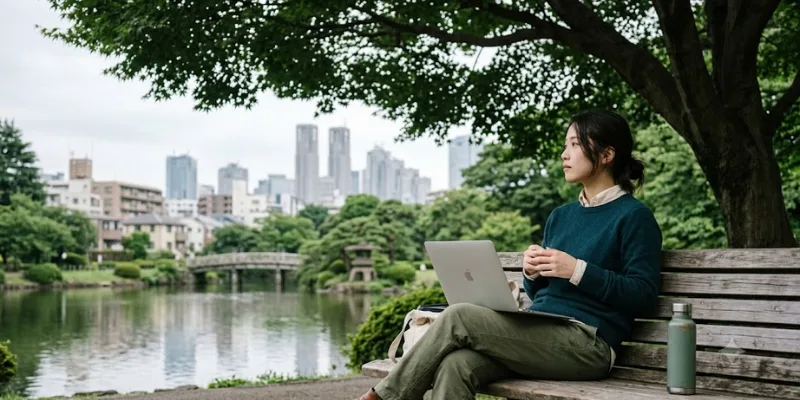
Streets near Shinjuku Gyoen, particularly toward Sendagaya, offer a similar quiet-but-central profile with the added benefit of a large park nearby for work breaks, which matters more than it sounds like over months of remote work.
Avoid basing yourself directly in or bordering Kabukicho. Noise from the entertainment district makes video calls and focused work genuinely difficult, regardless of how good the apartment itself is.
Coworking Spaces and Work Cafes Near Shinjuku Station
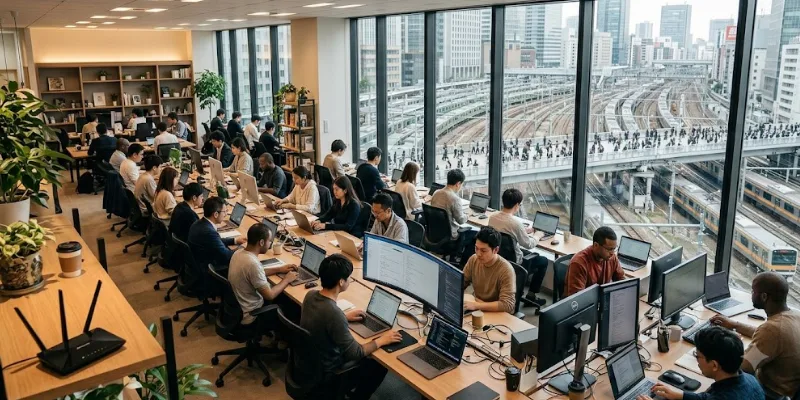
Shinjuku’s coworking scene is dense enough that most remote workers end up choosing based on commute distance rather than availability. Several major coworking chains operate multiple locations within a 10-minute walk of Shinjuku Station on both the east and west sides, alongside independent cafes that cater specifically to laptop workers with longer seating time limits than typical Tokyo cafes allow. For anyone testing the neighborhood before committing to a lease, spending a week working from two or three different spaces is a practical way to judge which side of the station fits your routine.
What to Check in a Shinjuku Apartment Before Signing
Standard apartment-hunting advice applies, but a few things matter more specifically for remote work:
- Confirm the internet type before signing. Many older buildings in Japan still run on VDSL rather than direct fiber, which caps speeds well below what video calls and large file transfers need. Ask specifically for the internet type, not just “wifi included.”
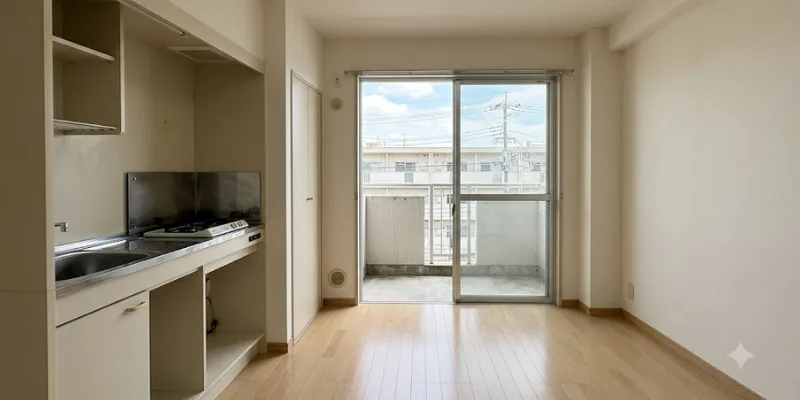
- Check the room’s street-facing side. A unit facing an interior courtyard or a side street will be measurably quieter than one facing Shinjuku-dori or Yasukuni-dori, even within the same building.
- Factor in a desk-sized layout. A studio under 20 square meters can be workable, but confirm there’s realistic space for a desk setup, not just a bed and a kitchenette.
Our apartment hunting checklist and guide to no-guarantor apartments for foreigners cover the broader process if this is your first lease in Japan.
Visa Considerations for Remote Workers in Shinjuku
The right visa route depends heavily on your employment situation. Japan’s Digital Nomad Visa allows remote workers employed by an overseas company to stay for up to six months but does not grant a residence card, which affects lease options with some landlords; our breakdown of the Digital Nomad Visa and housing covers what that means in practice. Those on a Working Holiday visa have different lease flexibility, covered in our guide to working holiday visa apartment rentals, while highly skilled professionals should review the HSP visa housing guide for longer-term lease eligibility.
Time Zone and Client Meeting Logistics
For remote workers serving clients outside Japan, Shinjuku’s transit advantage matters most on the days you actually need to leave your apartment. Direct access to Tokyo Station via the Chuo line rapid service, and to Haneda and Narita airports via train, makes Shinjuku a workable base even for people who travel internationally every few weeks for client work. Combined with Japan’s time zone sitting well ahead of most Western markets, many remote workers based in Shinjuku structure their day around early-morning calls with Europe and late-evening calls with the US West Coast, using the quieter daytime hours in between for focused work, a rhythm that a noise-sensitive apartment location makes considerably easier to sustain.
Comparing Visa Routes for Remote Workers in Shinjuku
| Visa Type | Max Stay | Residence Card | Lease Flexibility |
|---|---|---|---|
| Digital Nomad Visa | 6 months | No | Limited; some landlords hesitant |
| Working Holiday Visa | Up to 1 year | Yes | Moderate; short leases common |
| Highly Skilled Professional (HSP) | Long-term | Yes | High; treated similarly to standard leases |
| Business Manager Visa | Long-term | Yes | High, but requires separate office space |
The residence card distinction matters more than most remote workers expect when apartment hunting, since it directly affects which landlords and buildings are realistically available without a guarantor company or agency intervening on your behalf.
Setting Up a Sustainable Remote Work Routine in Shinjuku
Beyond the apartment and visa logistics, the practical rhythm of remote work in Shinjuku tends to settle around a mix of home-based focus time and coworking or cafe sessions when a change of environment helps productivity. Renters based in Nishi-Shinjuku or near Shinjuku Gyoen often report using their apartment for calls and deep work, then walking to a nearby coworking space or park bench for anything requiring a mental reset, a pattern the ward’s density and walkability make easier than in more spread-out parts of Tokyo.
Furnished vs Unfurnished: What Makes Sense for Remote Workers
Remote workers on shorter visas, particularly the Digital Nomad Visa’s six-month window, are frequently better served by furnished or serviced apartments than a standard unfurnished lease, since the setup cost and typical minimum lease terms for unfurnished units in Japan rarely make sense for a stay that short. Longer-term remote workers on an HSP or spouse visa generally get better value from an unfurnished lease once they’re staying beyond a year, since monthly rent on furnished units carries a meaningful premium. Nishi-Shinjuku and the area around Shinjuku Gyoen both have a reasonable supply of furnished short-term options aimed specifically at this kind of tenant, which is worth asking about directly rather than assuming only standard leases are available.
Noise, Light, and Desk Setup: What a Video Call Actually Needs
Beyond the neighborhood-level noise differences already covered, the specific unit matters just as much. A room facing an internal courtyard or a low-traffic side street will consistently outperform a street-facing unit for call quality, regardless of which Shinjuku neighborhood it’s in. North or east-facing rooms tend to give more even, glare-free daylight for video calls than south-facing units, which can create strong backlighting during Tokyo’s brighter afternoon hours. None of this needs to be a dealbreaker during an apartment search, but asking to view a unit at the same time of day you’d typically be on calls gives a far more accurate sense of what daily work will actually feel like than a viewing at an arbitrary hour.
Frequently Asked Questions
Is Shinjuku noisy for remote work? It depends entirely on the block. Kabukicho and streets directly on the main avenues are loud into the night; Nishi-Shinjuku and the Gyoen-adjacent streets are quiet.
What’s the best area in Shinjuku for coworking access? Nishi-Shinjuku and the immediate area around Shinjuku Station’s south and east exits have the highest concentration of coworking spaces.
Can I rent an apartment in Shinjuku on a Digital Nomad visa? Some landlords are hesitant since the visa doesn’t include a residence card; working with an agency experienced in flexible-lease options makes this considerably easier.
Is fiber internet common in Shinjuku apartments? It’s common in newer buildings, particularly in Nishi-Shinjuku, but older buildings sometimes still run VDSL, so confirming the connection type before signing matters.
Which visa is easiest for renting an apartment in Shinjuku? The Highly Skilled Professional visa generally offers the most lease flexibility, since it includes a residence card and is treated similarly to a standard long-term visa by most landlords.
Can I do client calls from a Shinjuku apartment without noise issues? Yes, if you choose Nishi-Shinjuku or the streets near Shinjuku Gyoen. Units in or near Kabukicho are a poor fit for regular video calls due to street noise.
How far is Shinjuku from Tokyo’s airports? Both Haneda and Narita are reachable by direct train from Shinjuku Station, making it a practical base for remote workers who travel internationally for client meetings.
Looking for a quiet, wifi-ready apartment in Shinjuku? Browse current Shinjuku ward rentals on Arealty or visit arealty.mom to have an agent filter listings by internet type and noise level.

Real estate advisor at Arealty Japan, specialising in helping foreign residents navigate the Tokyo and Osaka rental markets. Lucy has guided hundreds of international renters — from Working Holiday visa holders to corporate relocations — through Japan’s apartment application process. Her writing draws on firsthand experience with landlord screening, guarantor companies, and foreigner-friendly listings across all 23 Tokyo wards and major Kansai cities.