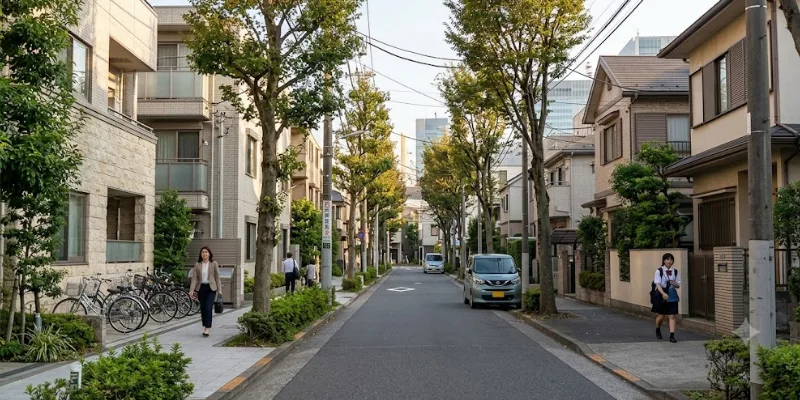

Kojimachi is a quiet, low-rise residential pocket of Chiyoda Ward. It sits between the Imperial Palace moat and Yotsuya. The area is best known for calm streets and a short commute to Tokyo’s government and business districts. It’s also one of the few genuinely residential corners of Japan’s most central ward. Living in Kojimachi suits professionals working nearby in Nagatacho, Kasumigaseki, or Otemachi. It suits them more than renters looking for a lively neighborhood scene. This guide covers what the area is actually like, what housing looks like here, and what foreign renters specifically should know before choosing it.
Kojimachi at a glance
| Category | Detail |
|---|---|
| Ward | Chiyoda City |
| Nearest stations | Kojimachi (Yurakucho Line), Hanzomon (Hanzomon Line), Ichigaya (Sobu, Yurakucho, Namboku, Toei Shinjuku lines) |
| Commute to Otemachi/Nagatacho | Roughly 5–10 minutes |
| Commute to Shinjuku | Roughly 10–15 minutes |
| Vibe | Quiet, low-rise, government and business-adjacent |
| Typical rent (studio/1K/1DK) | Approx. ¥140,000–180,000/month |
| Typical rent (family 2LDK) | Approx. ¥440,000–460,000/month |
| Best for | Corporate professionals, government-affiliated workers, Sophia University staff and students |
| Foreign renter support | Limited dedicated services; most foreign tenants are on company-arranged leases |
Where is Kojimachi and how do you get around?
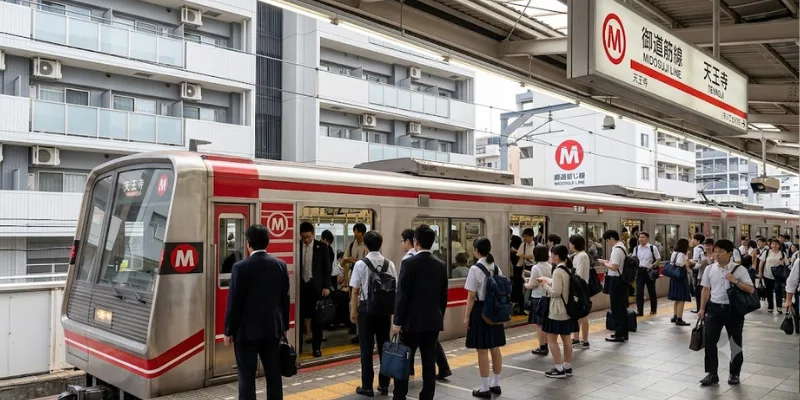
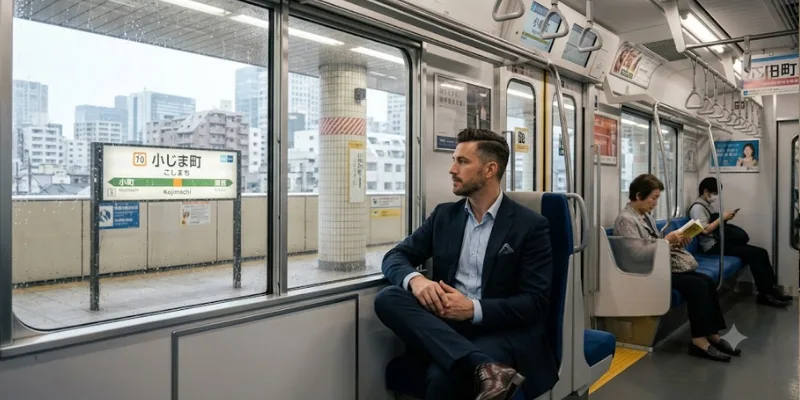
Kojimachi sits in western Chiyoda, just north of the Imperial Palace’s Chidorigafuchi moat. It’s a short walk from Yotsuya and Ichigaya. Kojimachi Station, on the Yurakucho Line, serves the area directly. Hanzomon Station and the multi-line Ichigaya Station both sit within easy walking distance too. Together, these stations give residents fast access to Otemachi, Nagatacho, Shinjuku, and the wider Tokyo Metro network, without a transfer through a major terminal station. For anyone commuting into central Tokyo’s government or business core, living in Kojimachi means a short, largely seated commute. That’s a real contrast to the standing-room-only rides common from wards further out.
What is it like to live in Kojimachi?
Atmosphere and surroundings
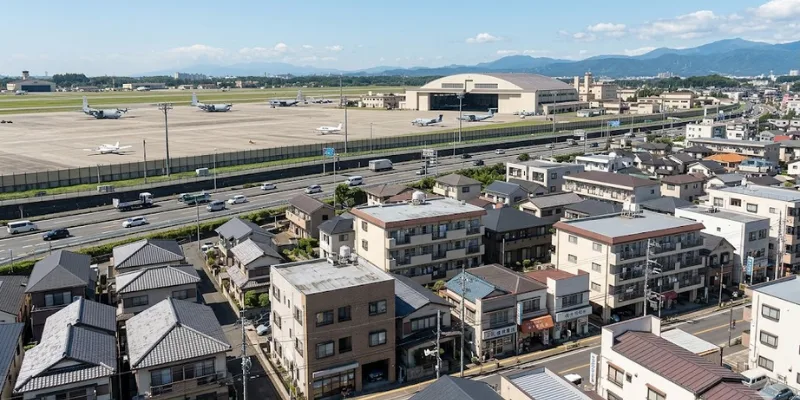
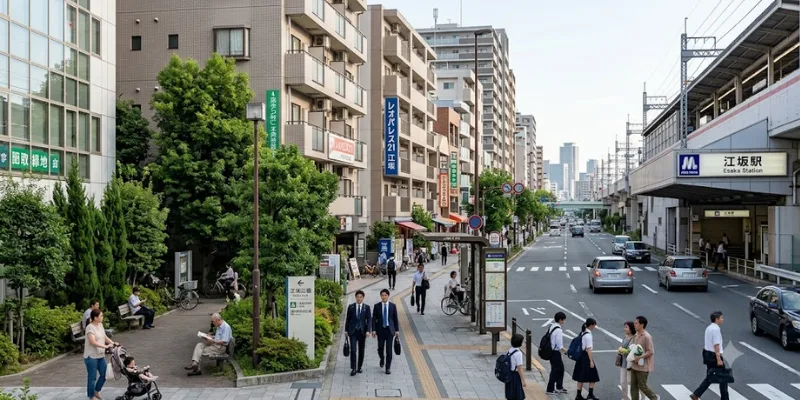
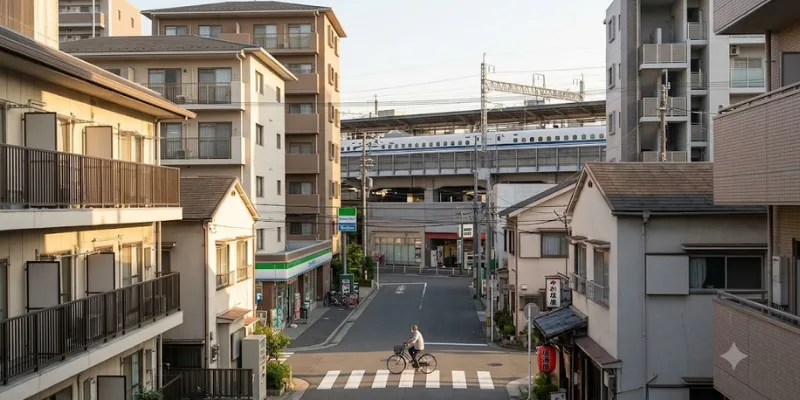
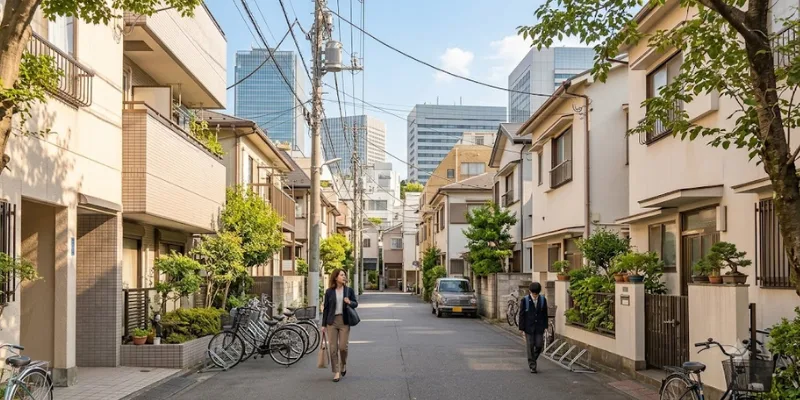
Kojimachi doesn’t have the shopping streets, izakaya alleys, or nightlife of wards like Shinjuku or Shibuya, and that’s largely the point. It’s one of the few parts of central Tokyo that reads as genuinely residential. Low-rise apartment buildings line quiet side streets, alongside embassies and diplomatic residences. Government office workers make up most of the daytime population. Chidorigafuchi, one of Tokyo’s best-known cherry blossom spots, is a short walk away, and Yasukuni Shrine sits just to the north. For day-to-day shopping and eating out, residents typically head to nearby Ichigaya, Iidabashi, or Otemachi. Kojimachi itself has relatively few restaurants and shops compared to its neighbors.
This makes Kojimachi a strong fit for renters who prioritize a short, easy commute and quiet streets over an active local scene. It’s a weaker fit for renters who want walkable nightlife, large supermarkets, or a strong sense of neighborhood community right outside their door.
Safety and quiet at night
Chiyoda Ward consistently ranks among Tokyo’s safest wards. Kojimachi specifically has a reputation for being quiet and secure even at night. Heavy police patrol coverage is typical here, in a ward that also hosts the National Diet and Imperial Palace. Resident reviews commonly describe the area as calm and well-kept. A handful of well-known public figures reportedly live here quietly too, drawn by the same low profile that keeps the area residential rather than a nightlife destination.
Shopping and daily errands
One practical trade-off is worth knowing before you commit: day-to-day shopping is thinner here than in most residential wards. Convenience stores are plentiful, and a couple of upscale supermarkets sit near the station. Even so, some residents report walking up to 15 minutes to reach a full-size supermarket. Chiyoda’s small resident population simply means fewer large retailers set up locally. Housing and amenities cluster more heavily on the station’s east side. Most of the area’s nursery schools, kindergartens, and elementary schools sit there too. A short walk from the station, Hirakawa Tenmangu Shrine makes a good local landmark, with a large bronze torii gate and guardian dog statues that carry local cultural-property status.
How much does it cost to rent in Kojimachi?
Rents in Kojimachi run well above the Tokyo-wide average. That tracks with its position inside Japan’s most central and land-constrained ward. Current listing data from major Japanese rental portals puts typical monthly rents (excluding management fees) roughly at:
| Unit type | Typical monthly rent |
|---|---|
| Studio / 1K / 1DK (single occupant) | Approx. ¥140,000–180,000 |
| Family-sized 2LDK | Approx. ¥440,000–460,000 |
| New-build, 1–5 min walk from station (studio to 3LDK range) | Approx. ¥148,000–634,000 |
These figures come from listing aggregator data on LIFULL HOME’S and SUUMO, not a fixed price list. Actual rent varies by building age, exact distance from the station, and floor plan, and listing data shifts month to month. As a rule of thumb, expect to pay a meaningful premium over comparable units in residential wards like Setagaya or Nakano. In exchange, you get Kojimachi’s short commute into the government and business core.
Housing options in Kojimachi
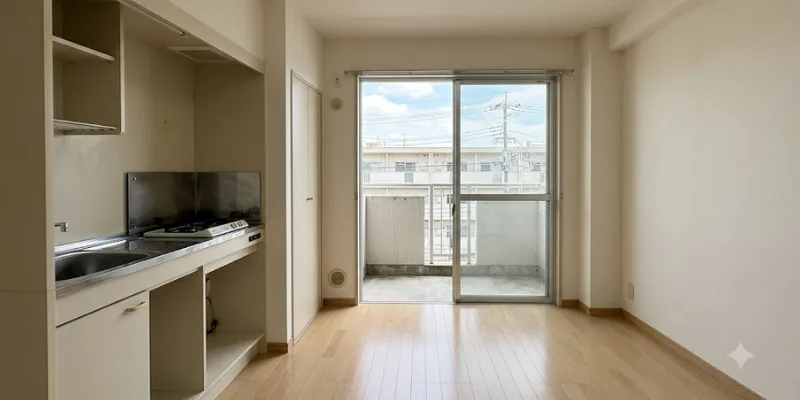
Housing stock in Kojimachi mixes older low-rise apartment buildings, mid-century “mansion” condominiums, and a smaller number of newer mid-rise developments. There’s little of the large-scale tower construction you’d see in wards like Koto or Chuo. The area is small, central, and short on available land, so rents here sit above the Tokyo average for a comparable unit size. That premium reflects the location and constrained supply, not any particular luxury standard. Studio and one-bedroom units make up the most common configuration, aimed at working professionals rather than families. Some larger family-sized apartments do exist further from the station.
Before signing, budget for Japan’s standard move-in costs: deposit, key money, agency fee, and guarantor company fee. These typically add up to several months’ rent upfront. Our guide to apartment move-in costs in Japan breaks down what to expect.
Is Kojimachi a good fit for foreign renters?
Kojimachi is not one of Tokyo’s foreigner-dense neighborhoods, and it’s worth being direct about that rather than overselling it. Unlike Minato or Shibuya, Kojimachi has almost no dedicated foreigner-rental infrastructure. Most embassies sit in neighboring Minato rather than in Chiyoda itself. In practice, most foreign residents living in Kojimachi hold company-arranged corporate leases. They tend to be relocated executives, diplomatic staff, or employees of nearby government-adjacent organizations, rather than independent renters who found the area on their own.
What renting is actually like without a Japanese guarantor
Independent foreign renters can still live here, but the process looks more like a standard Japanese rental than the streamlined, English-language experience available in wards with an established expat support network. A guarantor company is standard practice in this situation, and it generally makes approval easier without a Japanese co-signer. See our guide to renting in Japan without a guarantor for how that process works. Sophia University sits just south of Kojimachi in neighboring Yotsuya and has a significant international student and faculty population. Some of the area’s foreign residents connect to the university rather than to Kojimachi’s own community.
Where to look instead
If a visible foreign community, English-speaking shops, and dedicated multilingual rental agencies matter to you, wards like Minato, Shibuya, or Shinjuku will generally fit better than Kojimachi.
Cost of living in Kojimachi
Kojimachi sits inside Chiyoda, Tokyo’s smallest and most centrally located ward. Rent and general cost of living here run higher than in most residential wards, closer to what you’d expect in Minato or central Shibuya than in outer wards like Nerima or Adachi. The trade-off is a very short, low-stress commute into the government and business core. For some renters that’s worth the premium; for others, it depends on where they actually work.

Why some renters choose Kojimachi
- Short commute to government and business districts. Nagatacho, Kasumigaseki, and Otemachi are all within a 5–10 minute ride.
- Quiet, low-rise residential streets in one of the few genuinely calm corners of central Tokyo.
- Proximity to Chidorigafuchi and Yasukuni Shrine, useful for anyone who values green space and cherry blossom season without leaving the ward.
- Multiple train line options nearby, through Kojimachi, Hanzomon, and Ichigaya stations.
Why some renters look elsewhere
- Limited shops, restaurants, and nightlife within the neighborhood itself.
- Rents above the Tokyo average for comparable unit sizes, driven by scarce central-Chiyoda supply.
- Little dedicated foreigner-rental support, compared to wards like Minato or Shinjuku.
- A quieter, more corporate atmosphere that won’t suit renters looking for an active local community.
FAQ
It can work well for foreign professionals on a company-arranged lease working nearby. But Kojimachi has little dedicated foreigner-rental infrastructure compared to wards like Minato or Shinjuku, so independent renters should expect a more standard Japanese rental process.
Kojimachi Station sits on the Yurakucho Line. Hanzomon Station (Hanzomon Line) and Ichigaya Station (Sobu, Yurakucho, Namboku, and Toei Shinjuku lines) both sit within easy walking distance.
Rents in Kojimachi tend to run above the Tokyo average for comparable unit sizes. That reflects its location inside central Chiyoda Ward and limited available housing stock.
Otemachi and Nagatacho sit roughly 5–10 minutes away, and Shinjuku is about 10–15 minutes away. That makes Kojimachi convenient for commuters working in either direction.
A small number of diplomatic missions and residences sit in the area. Most of Tokyo’s embassies cluster in neighboring Minato Ward rather than in Chiyoda.
Housing skews toward older low-rise apartment buildings and mid-century condominiums, with studio and one-bedroom units most common. Family-sized apartments exist too, but they’re less common close to the station.
Current rental listing data puts a studio, 1K, or 1DK unit in Kojimachi at around ¥140,000–180,000 per month, excluding management fees. That’s noticeably above the citywide average for a comparable single-occupant unit.
Yes. Chiyoda Ward consistently rates as one of Tokyo’s safest wards, and Kojimachi in particular has a reputation for being quiet and well-patrolled, even late at night.
Looking for an apartment in Kojimachi or elsewhere in Chiyoda? Browse current listings in Kojimachi, or see all available apartments across Chiyoda Ward. For more on renting in Tokyo as a foreign resident, visit arealty.mom or start your search at arealty.mom/rent.

Real estate advisor at Arealty Japan, specialising in helping foreign residents navigate the Tokyo and Osaka rental markets. Lucy has guided hundreds of international renters — from Working Holiday visa holders to corporate relocations — through Japan’s apartment application process. Her writing draws on firsthand experience with landlord screening, guarantor companies, and foreigner-friendly listings across all 23 Tokyo wards and major Kansai cities.