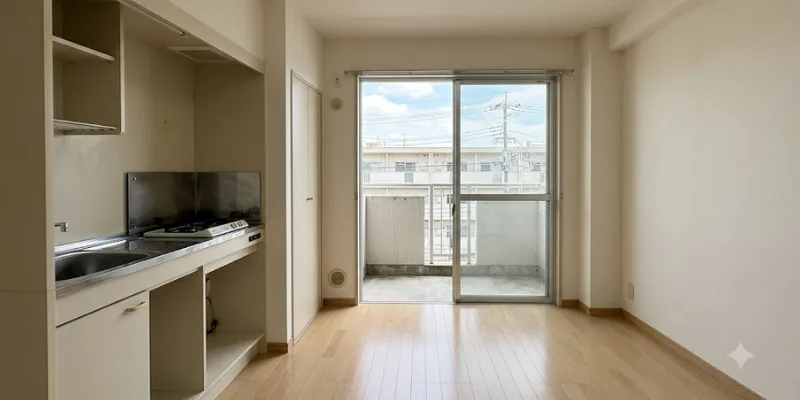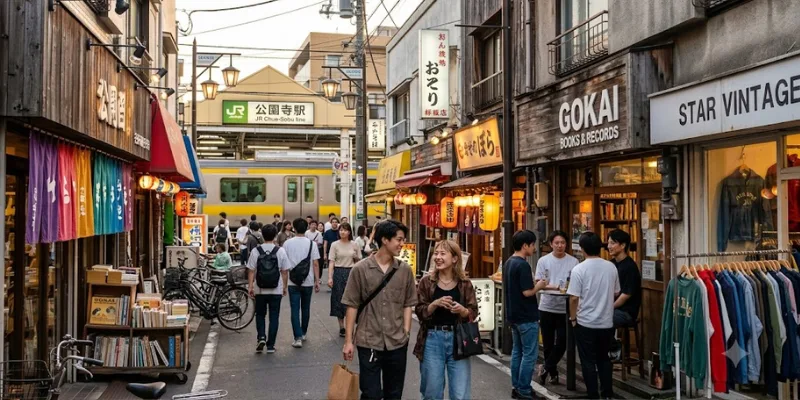

Koenji is a low-rise, creative neighborhood in Suginami-ku, about 6 minutes from Shinjuku on the JR Chuo Rapid Line. A room under 20 m² averages around ¥71,000 per month, while a 1LDK averages about ¥183,000. It suits renters who want cheaper rent than central Tokyo, walkable shopping streets, and a strong local culture. This Koenji neighborhood guide covers rent, commuting, the best streets to live on, and what foreign renters should check before signing a lease.
Updated September 2026 by Lucy Nguyen, Arealty Japan.
| Key fact | Koenji (2026) |
|---|---|
| Ward | Suginami-ku (east edge touches Nakano-ku) |
| Main stations | JR Koenji, Tokyo Metro Shin-Koenji, Higashi-Koenji |
| To Shinjuku | About 6 min (Chuo Rapid, weekdays) |
| Average rent, all listings | ¥129,000/month |
| Average rent, under 20 m² | ¥71,000/month |
| Average rent, 1LDK | ¥183,000/month |
| Best for | Singles, creatives, students, young couples |
| Big annual event | Tokyo Koenji Awa Odori (late August) |
Where Is Koenji and What Is It Like to Live There?
Koenji sits on the JR Chuo Line, two stops west of Shinjuku. It belongs to Suginami City, one of Tokyo’s most popular residential wards for long-term foreign residents.
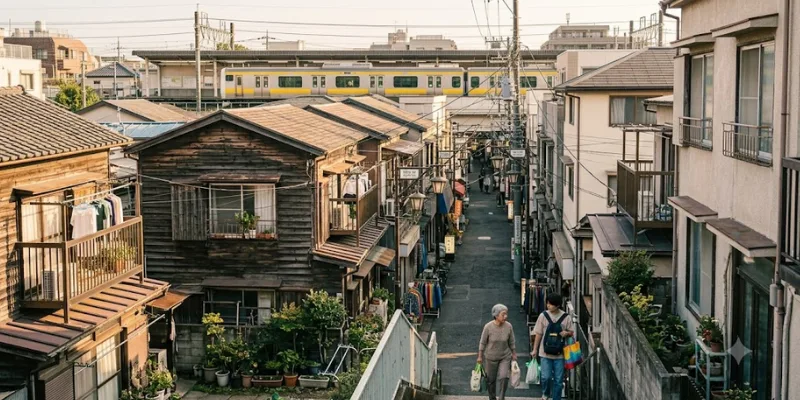
The neighborhood skipped most of the 1980s building boom. As a result, many streets still feel like older Tokyo. You will see small wooden houses, narrow lanes, family-run shops, and low apartment buildings. Tall towers are rare.
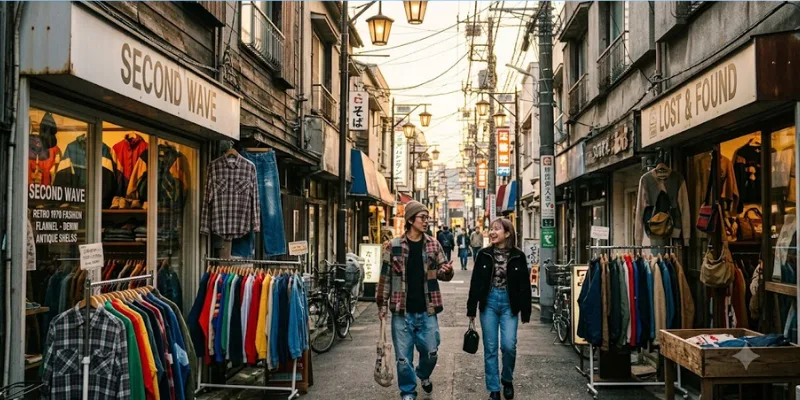
That older fabric shaped Koenji’s identity. Small, affordable storefronts attracted vintage clothing shops, used record stores, tiny bars, and live music venues. Koenji is often called one of the birthplaces of Tokyo’s punk scene. Today it is still one of the city’s best places for secondhand fashion and independent music.
Yet Koenji is not only nightlife. Walk five to ten minutes from the station and the streets turn quiet and residential. Many long-time locals, elderly residents, and young families live here too. This mix is what makes a Koenji neighborhood guide different from a guide to Shibuya or Shinjuku. Here, people actually live, shop, and stay for years.
How Much Is Rent in Koenji in 2026?
Koenji rent is below the Tokyo 23-ward average, but not the cheapest on the Chuo Line. Prices depend mostly on room size, building type, and walking distance to the station.
The figures below come from listings around Koenji Station published in September 2026.
| Room size | Average monthly rent | Typical layout |
|---|---|---|
| Under 20 m² | ¥71,000 | 1R, small 1K |
| 20 to 30 m² | ¥107,000 | 1K, 1DK |
| 30 to 40 m² | ¥139,000 | 1LDK, compact 2K |
| 40 to 60 m² | ¥201,000 | 1LDK, 2LDK |
| 60 m² and above | ¥348,000 | 2LDK, 3LDK |
Source: Housecom station rent data, 22 September 2026. Rent excludes management fees.
A few patterns stand out:
- Apartments vs mansions: Wooden or light-steel “apartments” average about ¥90,000. Concrete “mansion” buildings average about ¥141,000.
- Building age matters less than you think: Newer buildings cost more, but 20 to 30 year old buildings are only slightly cheaper.
- Singles get the best value: Listings for one person average about ¥114,000. Couples pay around ¥166,000.
For comparison, the median 1K across Suginami-ku is around ¥78,000, as covered in our Suginami apartments for rent guide. Koenji sits close to that ward average for small rooms. Larger units near the station cost more because demand from couples is strong.
Not sure what budget fits your income? Our average salary in Japan 2026 guide explains how much rent most landlords expect you to afford.
How Do You Commute From Koenji?
Commuting is one of Koenji’s biggest strengths. You have three rail options within walking distance.
| From Koenji to | Approx. time | Route |
|---|---|---|
| Shinjuku | 6 min | JR Chuo Rapid (weekdays) |
| Tokyo Station | 20 min | JR Chuo Rapid |
| Shibuya | 18 min | Chuo Rapid, change at Shinjuku |
| Ikebukuro | 20 min | Chuo Rapid, change at Shinjuku |
| Otemachi | 25 min | Chuo-Sobu Local through to Tozai Line |
| Shinjuku (subway) | 11 min | Marunouchi Line from Shin-Koenji |
Times are approximate and exclude walking and waiting.
The Weekend Rapid Train Rule
This is the one detail most newcomers miss. On Saturdays, Sundays, and public holidays, Chuo Rapid trains do not stop at Koenji. Only the yellow Chuo-Sobu Local trains stop there. The ride to Shinjuku then takes around 10 minutes instead of 6.
This rarely causes problems. However, if you work weekends or travel often to western Tokyo, factor it in.
The Marunouchi Line Alternative
Shin-Koenji and Higashi-Koenji stations sit on the Tokyo Metro Marunouchi Line along Ome-kaido Avenue. The line runs directly to Shinjuku, Ginza, and Tokyo Station. Because Ogikubo is the terminus, morning trains are less crowded than the Chuo Line. This makes southern Koenji a smart pick for office commuters.
Which Part of Koenji Should You Rent In?
Koenji is small, but each side of the station has its own feel. Choosing the right street matters more than choosing the right building.
Koenji-Kita (North Exit)
The north side is lively and compact. The Junjo Shotengai shopping street runs from the station with cheap eateries, bakeries, and daily shops. Further north, streets become quieter around Koenji Hikawa Shrine. This area suits renters who want to be close to the station but not directly above the bars.
Koenji-Minami (South Exit)
The south side is the busiest part of the neighborhood. The covered PAL shopping arcade leads into the Look shopping street and continues toward Shin-Koenji. Vintage stores line both. Rent is often slightly higher here because you get access to both JR and the Marunouchi Line. Units directly on shopping streets can be noisy at night, so ask for a room facing a side street.
Shin-Koenji and Ome-kaido
The area around Shin-Koenji Station is calmer and more residential. You trade some nightlife access for easier subway commuting and quieter evenings. Couples and remote workers often prefer this side.
The Eastern Edge (Nakano-ku)
Some listings named “Koenji” are actually in Nakano-ku. They are still walking distance to Koenji Station. This is not a problem, but your ward office, garbage rules, and residence registration will be in Nakano, not Suginami. If you are comparing both wards, see our Nakano City guide.
What Is Daily Life Like in Koenji?
Daily life in Koenji centers on its shotengai (shopping streets). Most residents buy groceries, eat out, and run errands within a ten-minute walk. Supermarkets, drugstores, 100-yen shops, and laundromats are easy to find.
Food is cheap and varied. Koenji has a huge number of small izakaya, ramen counters, curry shops, and international restaurants. Eating out here costs noticeably less than in Shibuya or Ebisu.
Culture goes beyond vintage shopping:
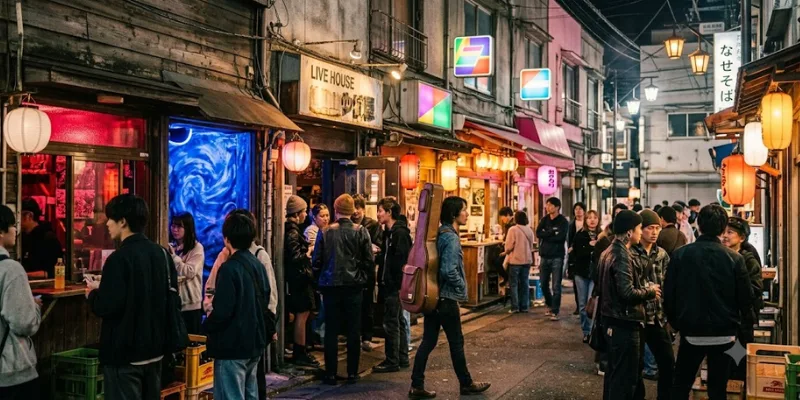
- Live music: Dozens of small live houses host indie, rock, and experimental shows almost every night.
- Theatre: Za-Koenji, a public theatre near the north exit, stages plays and dance performances.
- Koenji Hikawa Shrine: Home to the Kisho Jinja, a small shrine dedicated to the weather.
- Awa Odori: The Tokyo Koenji Awa Odori takes place over the last weekend of August. According to the GO TOKYO official guide, it draws over 10,000 dancers and around one million spectators. Expect crowds, closed streets, and a great atmosphere.
Green space is limited compared with Ogikubo or Asagaya. However, Wadabori Park and Zenpukuji River are a short bike ride south.
Is Koenji a Good Fit for You?
Koenji is a strong choice for many renters, but not for everyone.
Koenji works well if you:
- Commute to Shinjuku or central Tokyo on weekdays
- Want a local, walkable neighborhood with character
- Enjoy music, vintage fashion, and casual dining
- Live alone or as a couple on a moderate budget
Koenji may not suit you if you:
- Need a large family apartment at a low price
- Want new, high-spec buildings with full amenities
- Are sensitive to late-night noise near the station
- Prefer a very quiet, green suburban environment
Families often look one or two stops further west, toward Asagaya or Ogikubo, where larger units and parks are easier to find.
Koenji vs Nearby Chuo Line Neighborhoods
| Area | Vibe | To Shinjuku | Best for |
|---|---|---|---|
| Nakano | Busy, convenient, subculture | 4 min | Commuters who want the shortest ride |
| Koenji | Creative, vintage, nightlife | 6 min | Singles, creatives, couples |
| Asagaya | Calm, jazz, green streets | 9 min | Couples, small families |
| Ogikubo | Established, commercial hub | 10 min | Families, long-term renters |
If Koenji feels too lively, a quieter Nakano option is Nakano-Fujimicho, which also offers short access to Shinjuku.
Tips for Foreigners Renting an Apartment in Koenji
Koenji has many older, privately owned buildings. That affects how you search.
- Check the construction year. Buildings approved before June 1981 follow older earthquake standards. Ask your agent whether the building has been reinforced.
- Understand building type. Wooden “apartments” are cheaper, but walls are thinner. Choose a concrete mansion if sound matters to you.
- Ask about foreigner acceptance early. Some small landlords in older buildings still hesitate. Working with a foreigner-friendly agency saves time.
- Prepare for a guarantor company. Most landlords require one. Our guide to renting without a guarantor explains your options.
- Budget for move-in costs. Expect roughly four to six months of rent upfront. See our apartment move-in cost breakdown.
- Visit at night. A quiet street at 2 pm may be loud at 11 pm near bars and live houses.
Koenji Neighborhood Guide FAQ
Yes. Koenji is safe, well connected, and more affordable than central Tokyo. Its relaxed, creative culture is welcoming, although English is less common than in Roppongi or Shibuya.
In September 2026, small rooms under 20 m² averaged about ¥71,000 per month. A 1LDK averaged around ¥183,000. Prices rise quickly for units over 40 m².
Koenji is generally safe. The area near the station stays busy late because of bars and live houses, so noise is more of an issue than crime.
About 6 minutes on the JR Chuo Rapid Line on weekdays. On weekends and holidays, take the Chuo-Sobu Local, which takes around 10 minutes.
Koenji is in Suginami-ku. However, some buildings near the station’s east side are in Nakano-ku, so always check the address on the listing.
It can be, especially around Shin-Koenji. Still, most families find larger and cheaper units in Asagaya or Ogikubo.
Find Your Apartment in Koenji With Arealty
Koenji offers a rare balance: fast access to Shinjuku, lower rent than central Tokyo, and a neighborhood with real personality. This Koenji neighborhood guide should help you decide which street and budget fits your life.
Arealty lists foreigner-friendly apartments across Suginami-ku, with English support from search to move-in.
- Browse apartments for rent in Suginami-ku
- Search all listings on Arealty Rent
- Learn more about us at Arealty Japan

Real estate advisor at Arealty Japan, specialising in helping foreign residents navigate the Tokyo and Osaka rental markets. Lucy has guided hundreds of international renters — from Working Holiday visa holders to corporate relocations — through Japan’s apartment application process. Her writing draws on firsthand experience with landlord screening, guarantor companies, and foreigner-friendly listings across all 23 Tokyo wards and major Kansai cities.