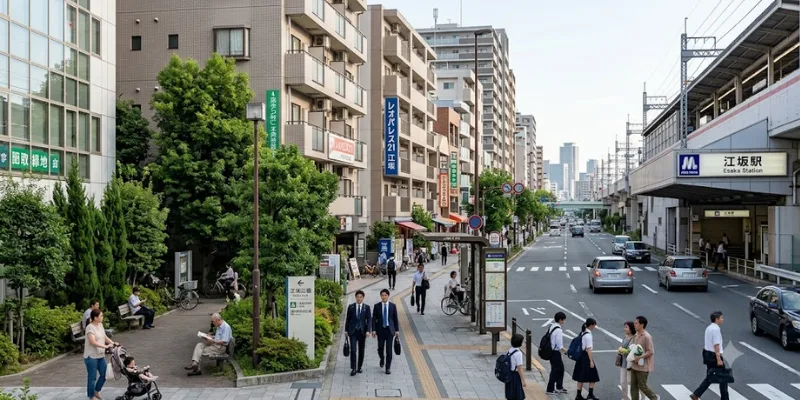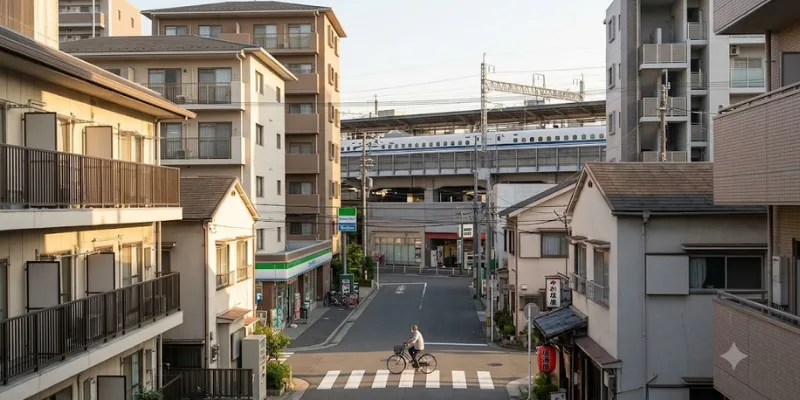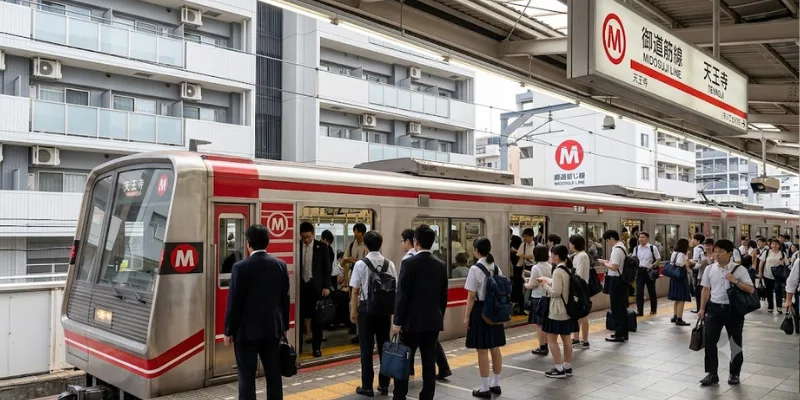

The decision to proceed with Buying a house in Japan is a strategic move. This decision aims to secure personal and financial stability. It does so within one of the world’s most robust economies. For many foreign residents navigating the complexities of renting an apartment in Japan, transitioning to ownership offers a significant advantage. It eliminates recurring rental negotiations and provides a tangible asset that appreciates over time. Unlike the transient nature of renting, ownership establishes a fixed base and offers potential capital gains over time. The Japanese property market requires buyers to possess a comprehensive understanding of regional price indices. This includes taxation and legal protocols. Such knowledge is essential to ensure a successful and compliant acquisition of high-demand residences like apartments in tokyo japan. This foundational knowledge is non-negotiable for serious investors and future homeowners.
The Critical Steps in the Acquisition Process
After identifying a desirable property—whether it’s a standalone house or one of the many available apartments in japan—the purchasing protocol begins. The specific path varies based on the property’s status: new or existing. Real estate companies must legally guide buyers through this process and ensure they make all required disclosures.
Purchasing Newly Constructed or Pre-Sale Properties
Sellers streamline the procedure for brand-new properties and pre-sale condominiums sold before completion. However, it is highly competitive in prime locations. These processes often favor expediency, reflecting the developer’s controlled sales schedule.
- Search and Selection: The journey begins at a trusted real estate brokerage. They focus on properties that match size requirements. These are often 3LDK or 4LDK for families (Point 6). The size designation, where ‘L’ is Living, ‘D’ is Dining, and ‘K’ is Kitchen, is standard across Japan.
- Formal Application: Upon identifying a suitable home, the buyer submits a formal application to purchase it. This application goes to the real estate company (Point 2). This step signifies the buyer’s genuine interest and initiates negotiations with the seller or developer.
- The Lottery System (抽選): In areas experiencing high demand, multiple applicants may register for the same unit. This often happens in many central wards of Tokyo like Shibuya or Chiyoda. When this occurs, a fair and transparent lottery (抽選) is held to determine the successful buyer (Point 2). This system prevents bidding wars and ensures equal opportunity.
- Contract Execution: Following acceptance, the buyer receives an Explanation of Important Matters (重要事項説明). This is a legally mandated document. It details the property’s legal status, transaction terms, and any potential liabilities. The Sales and Purchase Agreement is then signed. It requires a substantial deposit of 5% to 10% of the total price (Point 2).
- Financing:If a loan is required, the buyer must complete the mortgage application before the final purchase closing (Point 2).Loan approval is a prerequisite to finalizing the sale.
- Delivery: The final payment of the remaining balance is made. The keys are formally transferred to the new owner. This process completes the transaction (Point 2).
Acquiring Existing (Pre-Owned) Homes
When buying a house in Japan, the initial steps for acquiring a pre-owned property generally mirror those for new properties. However, the conclusion involves a critical legal step. This final stage ensures the permanent transfer of title and the official registration of the new owner.
- The final requirement for pre-owned homes is the registration of the transfer of ownership for both the land and the structure (Point 2). A judicial scrivener (Shiho Shoshi) usually manages this legal formality. The designated real estate agent hires the scrivener and explains the process in detail. This confirms the buyer’s legal and permanent rights. This step is critical because it legally records the change of title in the government registry.

Securing Financing: Mortgage Accessibility for Foreign Nationals
While the overall process is designed to be accessible, securing financing—or a mortgage—is often considered the primary hurdle for non-citizens. However, the system permits foreign residents to acquire loans if they meet specific criteria, providing a viable pathway to ownership even when considering expensive purchases like high-end Japan Tokyo apartment rent conversions to owned properties. The availability of stable, low-interest rate loans makes ownership an attractive alternative to perpetual renting.
Mandatory Loan Qualification Criteria
When buying a house in Japan, it’s essential to understand that Japanese financial institutions, such as SMBC Trust Bank, apply stringent but transparent lending standards. Applicants must demonstrate a stable financial history and hold established legal residency within Japan. Lenders do not consider individuals with only a status like the SOFA visa as official residents for mortgage eligibility; instead, they require formal resident status that reflects a long-term commitment to living and working in Japan (Point 3).
Key requirements, as frequently cited by major lenders, include:
- Age and Repayment Period: Applicants must be 18 years or older at the time of the loan initiation, with the maximum repayment age capped at the borrower’s 80th birthday (Point 3). This longevity requirement ensures the bank’s risk is managed over the loan term.
- Income Stability: A consistent, stable annual income is mandatory. The threshold is typically 5 million JPY or more earned in the preceding year (Point 3). Borrowers must formally declare this income, especially self-employed individuals, who need to provide detailed financial statements.
- Insurance Requirement: The borrower must be eligible to participate in the group credit life insurance (団体信用生命保険 – Dantai Shin’yō Seimei Hoken) specified by the lending bank (Point 3). This policy is mandatory; it pays off the remaining loan balance if the borrower passes away or becomes disabled, protecting the bank and the surviving family.
- Residency Status: The applicant must be a Japanese citizen or a foreign national who is a current resident of Japan (Point 3).
Non-Resident Purchase: Cash as the Only Option
It is factually correct that buyers can purchase property without a resident visa or a Japanese bank account (Point 4). However, financing restrictions strictly limit this option. Because Japanese lenders typically do not offer mortgages to non-residents, buyers must complete the purchase through a single, lump-sum cash payment (Point 4). This greatly simplifies the transaction but necessitates significant liquid capital. Furthermore, acquiring property does not grant any automatic rights to a long-term residence visa (Point 4). Buyers intending to relocate must secure their appropriate visa separately. Property ownership is not a qualifying criterion for long-term residency.
The True Cost of Ownership: Taxes and Fees
A critical aspect of Buying a house in Japan is budgeting accurately. This involves numerous taxes and fees that extend beyond the property’s sticker price.Authorities categorize these costs into initial transaction fees and recurring annual levies. Failing to account for these ancillary costs can severely distort the buyer’s budget.
Transaction Taxes and Fees (Initial Acquisition)
These are paid at the time the sales contract is executed and finalized, often referred to as closing costs:
- Stamp Tax (印紙税 – Inshi-zei): The fee affixed to the purchase contract. The cost is scaled based on the transaction value. It is 10,000 JPY for property values between 5 million and 10 million JPY. It is 20,000 JPY for values between 10 million and 50 million JPY (Point 5).
- Real Estate Acquisition Tax (不動産取得税 – Fudosan Shutoku-zei): This tax is applied to the assessed value of the property. The rate ranges from 3% to 4% (Point 5). Exemptions may apply for certain residential properties.
- Registration and License Tax (登録免許税 – Tōroku Menkyo-zei): This fee is paid for the legal processing of ownership transfer. It falls between 0.15% and 0.4% of the assessed value (Point 5). It covers the services of the judicial scrivener.
- Brokerage Commission (仲介手数料 – Chūkai Tesūryō): The real estate agent’s mandatory fee is calculated as 3-5% of the property price + 0-60,000 JPY, plus consumption tax (Point 5). Among all fees paid at closing, this expense usually represents the highest cost, covering essential administrative, legal, and transactional services.
Annual Recurring Taxes (Post-Acquisition)
When buying a house in Japan, it’s important to understand that these taxes are assessed each year by the local municipality. They are calculated based on the Fixed Asset Tax Assessment Value (固定資産税評価額)—not the market purchase price (Point 5). This assessed value is typically lower than the actual market value.
- Fixed Asset Tax (固定資産税 – Kotei Shisan-zei): Calculated as the Fixed Asset Tax Assessment Value x 1.4% (Point 5). The main yearly tax levied on real estate, calculated based on property value and payable to local government authorities.
- City Planning Tax (都市計画税 – Toshi Keikaku-zei): Calculated as the Fixed Asset Tax Assessment Value x tax rate (upper limit is 0.3%) (Point 5). This applies to properties located within designated urban planning zones.
The official Fixed Asset Tax Assessment Value is the standard for both taxes. It can be verified on the annual tax notice provided by the local government office (Point 5). The assessed property value is updated regularly for tax and financial calculations. It reflects changes in market conditions. It also accounts for property improvements.

Tokyo Market Dynamics: Average House Prices by Ward
When researching apartments in japan, particularly in the metropolitan area, prospective buyers must be aware of the vast price differences. These differences occur across the 23 Wards. The Tokyo real estate market is highly stratified. Prices are dictated heavily by location. Proximity to train stations and neighborhood prestige also play significant roles. The following data reflects average price estimates for apartments with 3-4 bedrooms (3LDK-4LDK). They have approximately 80m² of floor space. These apartments are about 10 years old and are suitable for the average nuclear family (Point 6).
| Rank | Ward | Average Price Range (JPY) | Key Example Areas |
| 1 | Shibuya Ward | 110 million to 130 million | Shoto, Hiroo (Point 6) |
| 2 | Meguro Ward | 96 million to 120 million | Jiyugaoka, Nakameguro (Point 6) |
| 4 | Minato Ward | 84 million to 100 million | Azabu, Roppongi (Point 6) |
| 7 | Setagaya Ward | 76 million to 93 million | Seijo, Futako-Tamagawa (Point 6) |
| 10 | Suginami Ward | 73 million to 90 million | Asagaya, Ogikubo (Point 6) |
Source: HowMa Magazine, 2020 (Point 6)
Areas like Shibuya and Minato consistently command the highest prices. Properties in exclusive neighborhoods such as Shoto (Shibuya) and Azabu (Minato) often exceed 100 million JPY. These districts serve as hubs for high-end residences. They are also known for luxury apartments in tokyo japan (Point 6). These properties appeal to high-net-worth individuals due to their central location and superior amenities.Families highly seek Wards like Setagaya and Meguro for their quiet, residential atmosphere, even though these areas remain premium.They offer convenient access to central Tokyo. This provides a balanced living environment (Point 6). Choosing the ideal location requires a thorough assessment of lifestyle, commute requirements, and the specific budget. The market rewards careful research and decisive action.

Arealty: Your Gateway to Japanese Property Success
Navigating the nuanced landscape of Buying a house in Japan requires expert local guidance. Whether you are searching for an investment property, you need the right counsel. If your goal is to find a permanent family home, securing the right counsel is crucial. This guidance is paramount to a successful transaction. Arealty specializes in assisting foreign investors and residents. It provides transparent, comprehensive services. These services span the entire purchasing process, from initial property viewing and loan pre-qualification to the final title registration. We simplify the complexities of the Japanese system by acting as your dedicated local liaison.
A Realty offers specialized insight into securing desirable properties. This includes high-demand japan tokyo apartment rent opportunities available for purchase.We gain a competitive edge in a fast-moving market through our strategic guidance. Drawing on the latest market data and strict legal compliance, our team minimizes risk while enhancing your investment potential. Throughout every stage of the transaction, we provide clear disclosures and proactively safeguard your legal rights.
Do not let complex procedures hinder your dream of ownership. Contact A Realty today for a free, confidential consultation, and take the definitive first step toward securing your property in Japan.
Conclusion
Buying a house in Japan is a meticulously structured process. It is accessible to foreign residents and investors. Approach the market with preparation and professional guidance. The journey is complex in its details. You navigate the potential lottery system for new properties. You also need to understand the strict income requirements for financing. However, it is ultimately rewarding. It grants security and a valuable asset.

Real estate advisor at Arealty Japan, specialising in helping foreign residents navigate the Tokyo and Osaka rental markets. Lucy has guided hundreds of international renters — from Working Holiday visa holders to corporate relocations — through Japan’s apartment application process. Her writing draws on firsthand experience with landlord screening, guarantor companies, and foreigner-friendly listings across all 23 Tokyo wards and major Kansai cities.