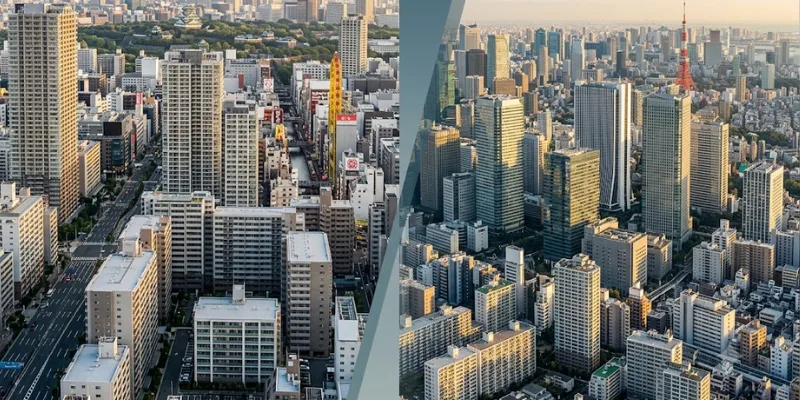

Buying property in Osaka vs Tokyo for investment purposes comes down to one core trade-off. Tokyo generally offers stronger long-term price appreciation and the deepest, most liquid resale market in Japan. Osaka generally offers higher rental yields and a lower entry price. This makes it the more common choice for investors prioritizing cash flow over capital appreciation. Neither city is simply “better.” The right choice for buying property Osaka vs Tokyo investment depends on what you’re actually optimizing for.
This guide compares the two markets directly for buying property Osaka vs Tokyo investment decisions: purchase prices, rental yields, tourism-driven demand, and risk factors specific to each city. For general pricing context, see our guide to Japan’s average house price, and for a deeper look at Osaka specifically, see our guide to Osaka apartments for rent for foreigners.
Purchase price comparison
New condominiums in Tokyo’s 23 wards have averaged above ¥100 million for two consecutive years. Premium central wards frequently exceed ¥1.7 million per square meter. Osaka’s new condominium market runs considerably cheaper. Comparable central-ward units typically average 30–40% less than equivalent Tokyo properties.
Used properties follow a similar pattern. A secondhand 70-square-meter apartment in central Tokyo averages roughly ¥55–70 million. A comparable unit in central Osaka typically runs ¥35–48 million instead. This lower entry price is one of the main reasons investors look to Osaka first, particularly those with a fixed budget.
Rental yield comparison
This is where Osaka’s investment case strengthens considerably. Gross rental yields in central Osaka commonly run 4.5–6%. That’s meaningfully higher than Tokyo’s typical 3.5–4.5% range for comparable central-ward properties. The gap comes down largely to Tokyo’s higher purchase prices relative to achievable rent. Osaka rents aren’t unusually high in absolute terms.
For investors prioritizing near-term cash flow — covering a mortgage payment, generating passive income — Osaka’s yield advantage matters more. Tokyo’s stronger long-term appreciation potential matters less here. For investors with a longer holding horizon who can absorb lower near-term yield in exchange for stronger capital gains, Tokyo’s case strengthens.
Long-term price appreciation
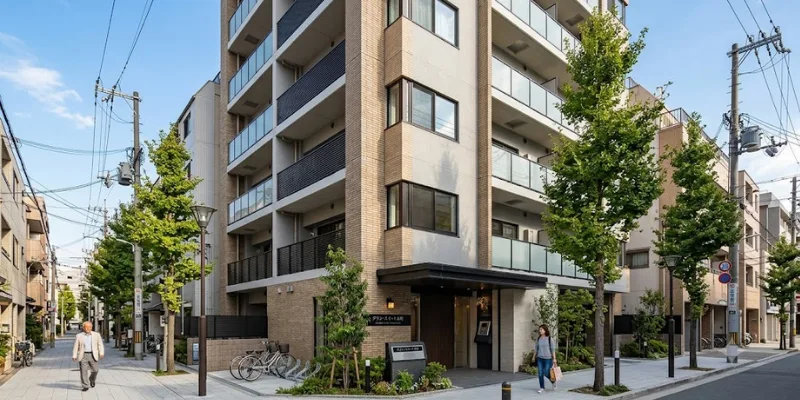
Tokyo has shown more consistent long-term price growth than Osaka over multi-decade periods. This traces to its status as Japan’s political, economic, and cultural center, along with sustained foreign investment demand concentrated heavily in the capital. Osaka’s price growth has run more variable. Periods of strong appreciation tied to inbound tourism and Kansai-region economic activity alternate with periods of relative stagnation.
This doesn’t mean Osaka lacks appreciation potential. Specific redevelopment areas and stations along new transit lines have seen meaningful price growth. But Tokyo’s broader, more consistent upward trend gives it an edge. This matters for investors prioritizing capital appreciation as their primary return driver, rather than rental income.
Tourism and short-term rental demand
Osaka’s tourism economy has grown substantially. This traces partly to its role as a gateway to Kansai’s broader attractions — Kyoto, Nara, Kobe — and partly to its own reputation for food and nightlife. This has created strong demand for short-term rental and minpaku-registered properties in central Osaka. Tokyo investors pursue this angle too, but Osaka’s lower entry price can produce a stronger yield on a short-term rental basis specifically.
Regulatory considerations matter significantly here, though. Both cities regulate short-term rentals under Japan’s Minpaku Business Act. Day limits and registration requirements vary by ward and building. Confirm current short-term rental rules for the specific ward and building you’re considering. These regulations have tightened in various municipalities over recent years, and can materially affect the investment case for a property bought specifically for short-term rental income.
Risk factors specific to each city
Tokyo’s risks: high entry price concentrates capital risk in a single, expensive asset. Yield compression has continued as a multi-year trend, driven by consistently rising purchase prices without proportional rent growth. Earthquake risk applies citywide, though building standards mitigate this considerably for post-1981 construction.
Osaka’s risks: historically weaker long-term appreciation than Tokyo means investors betting primarily on capital gains face more uncertainty. Some areas have seen population decline pressure on rental demand outside the strongest central districts. Tourism-dependent short-term rental income carries exposure to demand shocks. The pandemic period reinforced this lesson, one a purely long-term residential rental strategy avoids.
Financing considerations for foreign investors
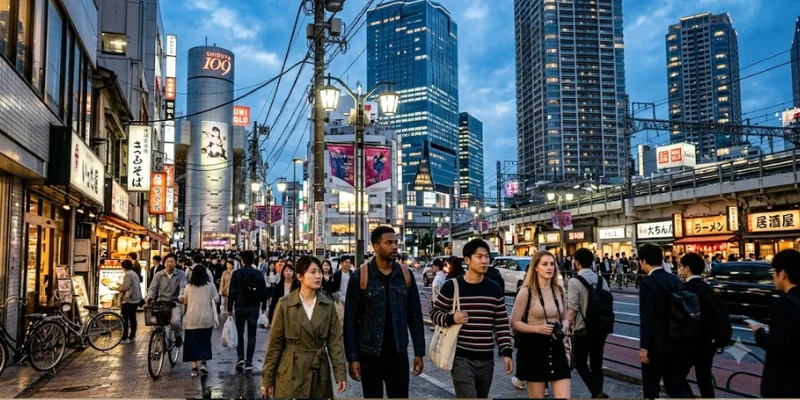
Japanese mortgage lenders generally apply similar qualification criteria, whether the property sits in Tokyo or Osaka. Foreign investors without permanent residency or a long-term visa status, though, typically face more limited financing options in either city. Cash purchases remain common among foreign investors in both markets, particularly for investment-focused purchases rather than primary residences. Many non-resident buyers face real financing constraints.
For buyers financing part of an investment purchase, Tokyo’s higher property values mean larger absolute loan amounts. Total interest costs run correspondingly higher over the loan term, even where interest rates themselves don’t differ between the two cities.
Property management considerations for each city
Buying property in Osaka vs Tokyo investment decisions should also weigh management logistics. Tokyo has the deepest pool of property management companies experienced with foreign owners. Response times and English-language support tend to run stronger here than in most other Japanese cities. Osaka’s property management sector has grown considerably too, particularly around tourism-heavy central wards. But the selection of experienced, foreigner-friendly firms still runs somewhat thinner than in Tokyo.
For investors who won’t live in Japan full-time, this management gap matters. A responsive local manager handles tenant issues, building association matters, and maintenance requests. Choose your city partly based on where you can secure reliable management support, not purchase price and yield alone.
Vacancy rates and tenant demand
Tokyo’s vacancy rates in well-located central wards tend to run lower than Osaka’s, reflecting Tokyo’s larger population base and steadier demand from both domestic renters and long-term foreign residents. Osaka’s vacancy rates vary more by specific ward and building age. Central, well-connected areas near major stations perform well, while older buildings in less central locations can face longer vacancy periods between tenants.
This vacancy risk factors directly into the yield comparison covered above. A property advertising a 5.5% gross yield in Osaka delivers a lower net yield if it sits vacant for two months between tenants. Run your own vacancy assumptions into any yield calculation rather than relying purely on advertised gross figures from a listing.
Currency and exchange rate exposure
Both Osaka and Tokyo property purchases carry the same currency exposure for foreign investors buying with funds from outside Japan. Yen movements against your home currency affect your effective purchase price and ongoing returns regardless of which city you choose. This risk doesn’t differ meaningfully between the two markets, but it’s worth factoring into your overall investment timeline. A multi-year holding period smooths out short-term currency volatility more than a quick resale would. For current exchange rate data and broader economic context, see the Bank of Japan’s official statistics.
Which city fits which investor profile
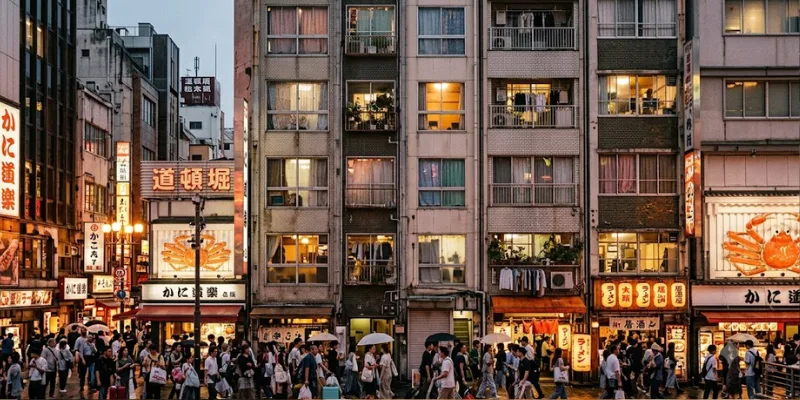
Investors prioritizing steady cash flow, a lower entry price, and exposure to Kansai’s tourism economy tend to favor Osaka. Investors prioritizing long-term capital appreciation, the deepest resale liquidity in Japan, and the strongest property management infrastructure tend to favor Tokyo. Some investors split a portfolio across both cities specifically to balance yield against appreciation, rather than betting entirely on one market’s characteristics.
A practical framework for the buying property Osaka vs Tokyo investment decision
Rather than treating this as a single binary choice, run through these questions before deciding:
- What’s your holding timeline? Under 5 years favors Osaka’s yield advantage. Over 10 years shifts the balance toward Tokyo’s stronger long-term appreciation trend.
- How involved do you want to be in management? Tokyo’s deeper pool of foreign-owner-experienced property managers suits investors who want a mostly hands-off experience. Osaka can work well too, but requires more careful manager selection.
- Are you comfortable with tourism-linked income volatility? If pursuing short-term rental income specifically, Osaka’s tourism-driven demand carries more cyclical risk than Tokyo’s broader, more diversified renter base.
- What’s your total budget? A fixed, lower budget often points toward Osaka simply because it buys more property, and a comparable Tokyo purchase at the same budget level may sit in a less desirable location or smaller unit.
Answering these questions honestly, rather than defaulting to whichever city sounds more prestigious, tends to produce a better-fitted buying property Osaka vs Tokyo investment decision than comparing headline yield and appreciation figures alone.
Frequently Asked Questions
Osaka generally offers higher gross rental yields, commonly 4.5–6% in central areas compared to Tokyo’s typical 3.5–4.5%, largely because Osaka’s purchase prices run lower relative to achievable rent.
Tokyo has shown more consistent long-term appreciation historically, driven by its status as Japan’s political and economic center and sustained foreign investment demand.
Osaka’s strong tourism economy supports solid short-term rental demand, though regulatory requirements under Japan’s Minpaku Business Act vary by ward and should be confirmed before purchasing specifically for this purpose.
Financing criteria run similarly in both cities, though foreign investors without permanent residency generally face more limited options regardless of city, making cash purchases common for investment-focused buyers in both markets.
Central Tokyo wards with strong long-term development plans, or Osaka areas experiencing active redevelopment near new transit connections, can offer a middle ground. This requires more specific market research than a simple city-level comparison provides, though — location-level due diligence matters more than the city-level generalizations covered in this guide.
Ongoing costs — property tax, management fees, repair reserve funds — track roughly proportional to purchase price in both cities. Since Osaka’s purchase prices run lower, absolute ongoing costs typically run lower too, though as a percentage of property value, the two cities don’t differ dramatically.
Arealty helps foreign investors compare specific opportunities across both Osaka and Tokyo. Contact our team to discuss your investment priorities and budget.

Real estate advisor at Arealty Japan, specialising in helping foreign residents navigate the Tokyo and Osaka rental markets. Lucy has guided hundreds of international renters — from Working Holiday visa holders to corporate relocations — through Japan’s apartment application process. Her writing draws on firsthand experience with landlord screening, guarantor companies, and foreigner-friendly listings across all 23 Tokyo wards and major Kansai cities.