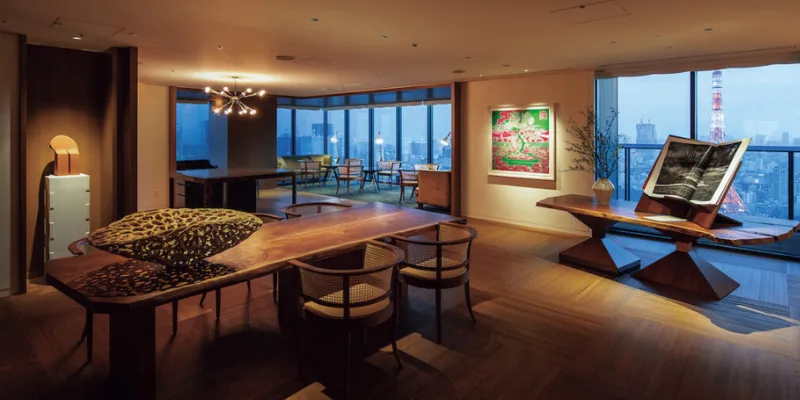

Moving into a new residence in Japan is an exhilarating journey, yet it necessitates a meticulous and strategic approach to interior planning. Navigating the Japanese rental market involves understanding specific cultural norms, architectural constraints, and strict contractual obligations. Establishing a clear set of Rules for large furniture in rental apartment Japan ensures that your living space remains functional, aesthetic, and compliant with local lease agreements.
Whether you are searching for high-end apartments in Japan or specifically navigating the competitive landscape of Japan Tokyo apartment rent, the dimensions and placement of your furniture will dictate your daily comfort. This guide provides professional, in-depth insights into managing large items within the unique framework of Japanese housing.
Understanding the Spatial Dimensions of Apartments in Japan
Standard Japanese apartments utilize specific measurement systems that differ significantly from Western standards. The most critical concept to grasp is the “Jo” system, which refers to the size of a single tatami mat (approximately 1.62 square meters). This unit of area directly influences the scale of furniture you can realistically install without compromising your quality of life.
The Impact of Room Size on Furniture Selection
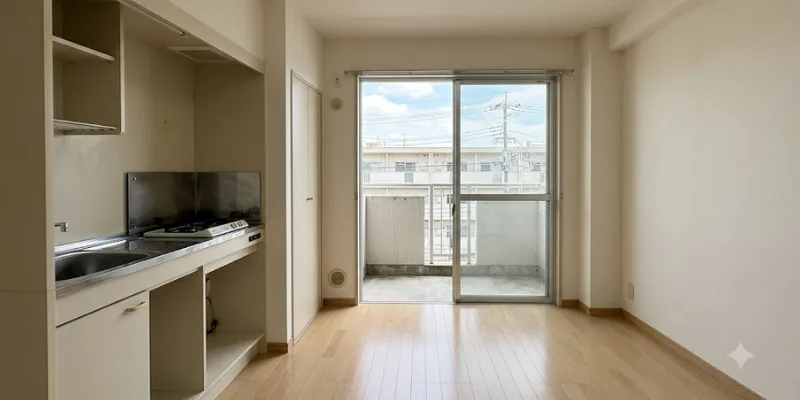
Large furniture pieces, such as king-sized bed frames, three-seater leather sofas, or solid oak dining tables, can quickly overwhelm a room if they are not measured against the actual floor area. Most apartments in Tokyo Japan feature compact layouts where every square centimeter is premium real estate.
Professional decorators in Japan advocate for “low-profile” furniture to maintain an open visual field. Because the standard ceiling height in many Japanese rentals is approximately 2.4 meters, tall items like floor-to-ceiling bookshelves, heavy wardrobes, or high-back armchairs can create a claustrophobic atmosphere. Choosing furniture with shorter legs or lower silhouettes helps preserve the “Ma” (negative space), which is a cornerstone of Japanese aesthetic balance.
Critical Entryway and Access Measurements
One of the most vital rules for large furniture in rental apartment Japan is the verification of the “path of delivery.” It is a common professional error to measure only the final destination of the furniture while ignoring the journey it must take to get there. You must measure:
- Elevator Clearance: The height, width, and diagonal depth of the elevator cabin.
- Stairwell Radius: The turning space on landings, especially in older “Mansion” or “Apato” buildings.
- Internal Hallways: The narrowest point of your apartment’s corridor, which is often restricted by laundry machines or bathroom doors.
Many expatriates residing in apartments in Tokyo Japan face the unfortunate financial burden of purchasing premium furniture only to find it cannot pass through a narrow 70cm-wide Japanese hallway or a low-clearance doorway.
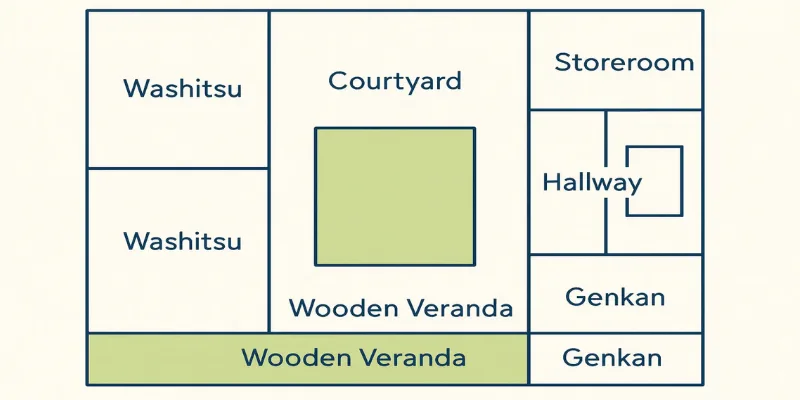
Essential Rules for Large Furniture in Rental Apartment Japan
Professionalism in furnishing a Japanese rental requires a sophisticated balance between personal expression and the strict “restoration to original state” (genju kaifuku) policy. In Japan, tenants are generally responsible for any damage that exceeds “normal wear and tear.”
Protecting Flooring and Preventing Permanent Damage
Japanese rental contracts are notoriously rigorous regarding floor damage. Heavy items such as double-door refrigerators, solid wood bed frames, and weighted fitness equipment can leave permanent indentations on cushioned vinyl flooring or deep scratches on polished timber.
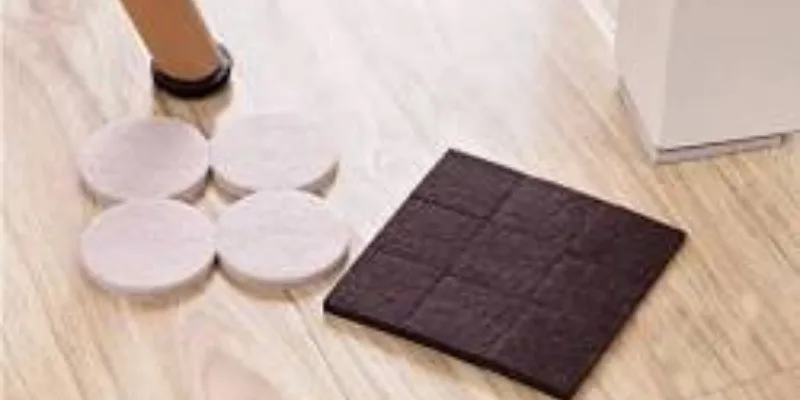
- Utilization of Protective Barriers: Always place high-density felt pads, silicone caps, or specialized “moving mats” under all furniture legs to distribute pressure.
- Moisture Management: Use breathable rugs under large items to prevent moisture from being trapped against the floor, which can cause wood rot or discoloration.
- Caster Awareness: If your furniture has wheels, such as office chairs, rolling kitchen carts, or mobile shelving, ensure you use a hard-floor protector mat to prevent the wheels from grinding dirt into the floor surface.
Maintaining Proper Airflow and Utility Access
Large furniture should never obstruct the functional elements of an apartment. Proper placement is essential to prevent long-term damage to the property and to ensure your safety.
- HVAC Clearance: Maintain a minimum 20cm gap between large wardrobes and air conditioner units to allow for unobstructed airflow and easy filter maintenance.
- Wall Ventilation: In the humid Japanese climate, pushing a large sofa or bed directly against an exterior wall can lead to “ventilation staining” and black mold growth. Maintain a 3-5cm gap for air circulation.
- Emergency Access: Ensure that large items do not block access to the intercom system, the breaker box (breaker panel), or the balcony evacuation hatch.
Selecting Functional Furniture for an Apartment for Rent Japan
When browsing for an apartment for rent Japan, you should consider the versatility and “mobility” of your furniture. The most successful residents utilize modular pieces that adapt to the evolving needs of a compact footprint.
Prioritizing Modular and Disassemblable Designs
The best furniture choices for apartments in Japan are those that can be completely broken down. Modular sofas that separate into individual chairs or “flat-pack” bed frames from retailers like Nitori or IKEA are highly recommended. These items are significantly easier to transport between different apartments in Tokyo Japan should you decide to relocate at the end of your lease.
Maximizing Vertical and Hidden Storage
Since built-in closet space is often insufficient in a Japan Tokyo apartment rent, your large furniture must serve a dual purpose. High-utility examples include:
- Hydraulic Storage Beds: Bed frames that lift to reveal a massive storage compartment for suitcases and seasonal bedding.
- Nesting Tables: Sets of tables that slide under one another to save floor space when not in use.
- Multifunctional Island Counters: Kitchen tables that provide a dining surface on one side and shelving for appliances like rice cookers, microwave ovens, and toaster ovens on the other.
Navigating the Tokyo Rental Market: Special Considerations
The demand for a Japan Tokyo apartment rent is exceptionally high, leading to a diverse range of architectural styles—from ultra-modern “Tower Mansions” to traditional “Apato” wooden structures.
The Challenge of the “Genkan” and Interior Steps
In almost every apartment for rent Japan, you will encounter the “Genkan” (entranceway), which is a lower-level tiled area where shoes are removed. Large furniture must be lifted over this step and often navigated around a built-in shoe cabinet (getabako). This maneuver requires professional movers who are familiar with Japanese building protocols to avoid scuffing the doorway.
Zoning Strategies for Studio Apartments
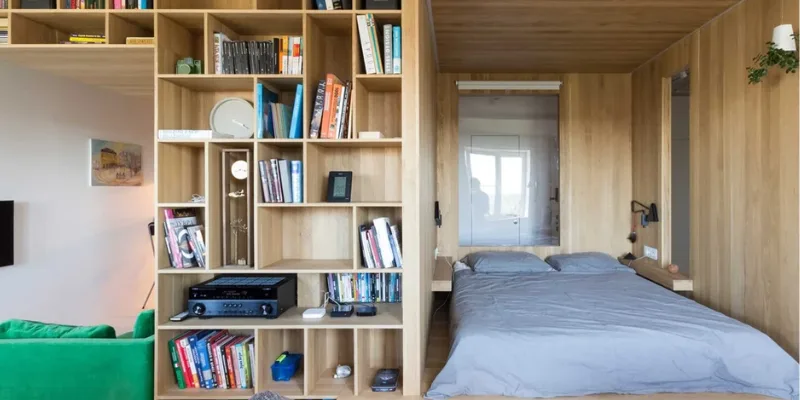
In apartments in Tokyo Japan, particularly “1K” or “Studio” layouts, you must use large furniture to create “zones.” For example, a low-standing open bookshelf can act as a partition between your sleeping area and your workspace. This creates a psychological boundary without the need for permanent structural changes, which are strictly prohibited under Japanese law.
AREALTY: Your Expert Partner for Apartments in Japan
Finding the perfect home that accommodates your specific lifestyle and your existing furniture requires deep local expertise. AREALTY stands as a premier real estate consultancy specializing in helping international residents find high-quality apartments in Japan.
Why Choose AREALTY for Your Next Move?
AREALTY understands the complex nuances of the Japanese rental market, from the specific Jo-measurements of apartments in Tokyo Japan to the intricate legalities of “Key Money” and security deposits. They provide comprehensive support in English, ensuring that you fully understand every clause in your contract, including the rules for large furniture in rental apartment Japan, before you commit to a lease.
Personalized Property Selection and Support
Whether you require a Japan Tokyo apartment rent with a wide freight elevator for a grand piano or a spacious 3LDK for a family’s heirloom dining set, AREALTY filters through thousands of listings to find properties that meet your exact spatial requirements. They act as your advocate, negotiating with landlords who might otherwise be hesitant about large furniture installations.
Are you ready to secure a home that fits your lifestyle perfectly? Contact AREALTY today to explore curated listings for an apartment for rent Japan and experience a seamless transition to your new life.
Avoiding Common Mistakes in Furniture Planning
Errors in furniture planning can lead to significant financial loss and daily frustration. Adhering to the established rules for large furniture in rental apartment Japan prevents these common pitfalls.
The Danger of “Visual Weight”
Many renters choose furniture based on how it looks in a cavernous showroom. However, a dark, heavy velvet sofa that looks medium-sized in a warehouse will appear massive and oppressive in an 8-Jo living room. Professional planners suggest using lighter colors—such as beige, light grey, or natural oak—for large furniture pieces to minimize their “visual weight” and keep the room feeling airy.
The “Sunk Cost” of Non-Adjustable Items
Buying a massive, one-piece wooden dining table is often a mistake in the Japanese rental market. If your next Japan Tokyo apartment rent has a slightly different kitchen configuration, that table may become an obstacle. Always opt for furniture with adjustable heights or expandable leaves to ensure longevity across different properties.
Neglecting Lighting and Shadows
Large furniture can inadvertently create “dark zones” in your apartment by blocking natural light from windows or shadows from ceiling fixtures. When placing large wardrobes or tall bookshelves, consider adding LED strip lights, clip-on spotlights, or battery-operated puck lights to illuminate these corners. This prevents the room from feeling smaller than it actually is.
Logistics: Delivery, Installation, and Move-Out Rules
Managing large furniture involves a lifecycle that begins with delivery and ends with responsible disposal or relocation.
Coordinating Professional Delivery
When you move into apartments in Japan, you must coordinate delivery windows with extreme precision. Japanese logistics companies are exceptionally punctual. However, many residential streets in Tokyo are very narrow. As a result, last-mile delivery often relies on smaller 2-ton trucks rather than standard large vans. You should communicate these site constraints to your furniture retailer at the time of purchase.
The “Sodai Gomi” Disposal System
In Japan, you cannot simply leave large furniture on the street or in the building’s regular trash area. Disposal of large items is a regulated process known as Sodai Gomi.
- Step 1: Call your local ward office or use their website to schedule a pickup.
- Step 2: Purchase the correct value of “disposal stickers” from a local convenience store like 7-Eleven or Lawson.
- Step 3: Affix the stickers to items like mattresses, sofas, or desks and place them at the designated pickup point on the scheduled morning.
Second-Hand Markets and Recycling
If your furniture is in excellent condition, consider selling it to “Recycle Shops” (such as Hard-Off or Treasure Factory). Many shops offer a home pickup service for large items. This can help you avoid disposal fees and may even earn you some cash back.
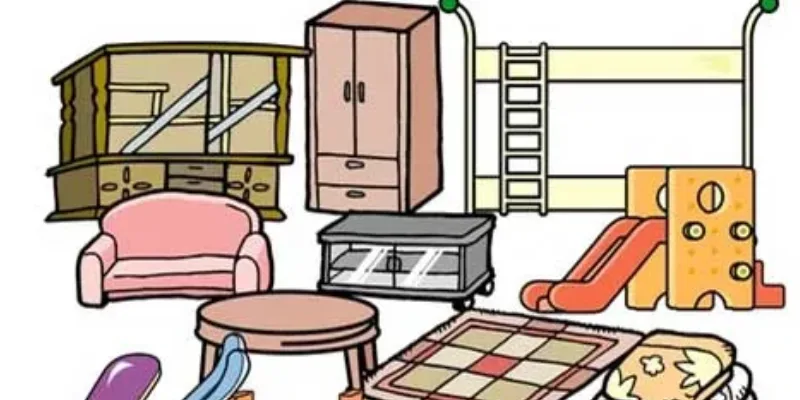
Financial Implications of Large Furniture in Rentals
When furnishing a rental apartment in Japan, following the Rules for Large Furniture in Rental Apartment is essential, as large items can have direct financial consequences for every tenant.
Security Deposit Deductions
The primary risk of large furniture is the loss of your security deposit (shikikin).Heavy bed frames can leave deep gouges in wooden floors. In such cases, landlords may charge for replacing the entire floor section. To protect themselves, experienced tenants take timestamped photos before installing large furniture.
Insurance Considerations
Standard renter’s insurance in Japan usually covers fire and water damage. However, it may not cover accidental damage caused by moving large furniture yourself. For this reason, hiring professional movers is often more cost-effective. They carry their own liability insurance and can safely handle refrigerators, washing machines, and heavy cabinets.
Conclusion
Mastering the rules for large furniture in Japanese rental apartments is key to a stress-free living environment. It helps you respect the physical limits of the space and protect the landlord’s property. By choosing versatile furniture designs, you can still enjoy a high standard of living. This is true even in the most compact apartments in Tokyo.
The transition to a new home is not merely about moving objects; it is about curated living. Whether you are searching for an apartment for rent Japan or looking to upgrade your current apartments in Japan, remember that thoughtful planning is your most valuable tool. With the right approach and the expert guidance of partners like AREALTY, you can transform any rental into a bespoke sanctuary that reflects your personality and supports your lifestyle.

Real estate advisor at Arealty Japan, specialising in helping foreign residents navigate the Tokyo and Osaka rental markets. Lucy has guided hundreds of international renters — from Working Holiday visa holders to corporate relocations — through Japan’s apartment application process. Her writing draws on firsthand experience with landlord screening, guarantor companies, and foreigner-friendly listings across all 23 Tokyo wards and major Kansai cities.