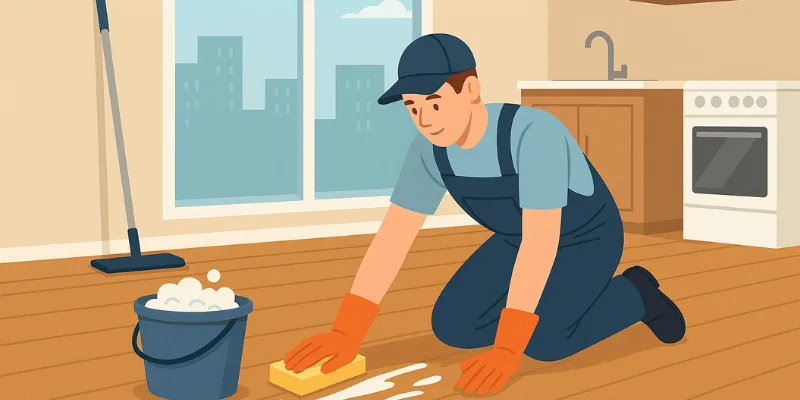

Navigating the rental market in Japan can be complex for expatriates and foreign residents. One of the most critical aspects of ending a lease is understanding the Final cleaning fee when moving out Japan. Whether you are renting apartments in Japan, it is crucial to know about restoration obligations. Also, if you are specifically looking for a Japan Tokyo apartment rent, you must understand the restoration obligations. Additionally, you should understand fee structures to protect your security deposit.
Understanding the Restoration Obligation in Japan
The restoration obligation, known as Genshu Kaifuku, is a legal requirement for tenants. Tenants hold a legal obligation to restore the rental unit to its baseline condition upon vacating. Financial liability does not extend to unavoidable deterioration caused by daily use and aging. This concept is fundamental to all apartments in Tokyo Japan. Lease agreements are strictly regulated by the Ministry of Land, Infrastructure, Transport and Tourism (MLIT).
Defining the Responsibility of the Tenant
A tenant is responsible for costs associated with damages caused by negligence, improper use, or intentional acts. This includes, for example, uncleaned kitchen grease. Mold can grow in the bathroom due to poor ventilation. Cigarette smoke stains may appear on wallpaper. Landlords cannot expect the premises to be in factory-fresh condition, as reasonable usage is anticipated. However, it must be returned in a clean condition. It must also be in a functional condition as defined by the contract.
Defining the Responsibility of the Landlord
The landlord is legally obligated to cover costs related to “ordinary wear and tear” and “aging.” Examples of these include fading of flooring due to sunlight. There are also indentations on carpets caused by heavy furniture and the natural yellowing of wallpaper over several years. If a landlord attempts to charge for these items, tenants can dispute the bill. They have the right to do so based on national guidelines.
Breakdown of the Final Cleaning Fee When Moving Out Japan
The Final cleaning fee when moving out Japan is rarely a flat rate. It varies significantly based on the floor plan. The duration of the stay also influences it. Additionally, the specific terms outlined in the rental agreement play a crucial role.
Fixed Cleaning Fees in Contracts
Many modern lease agreements for apartments in Japan include a fixed cleaning fee clause. This means the tenant pays a predetermined amount regardless of how clean the apartment is upon departure. Common price ranges include:
- Studio (1K/1R): 30,000 JPY to 45,000 JPY.
- 1BR/2BR (1LDK/2LDK): 50,000 JPY to 80,000 JPY.
- Family Size (3LDK+): 90,000 JPY and above.
Variable Restoration Costs
Beyond the basic cleaning, additional costs may arise if the unit requires specific repairs. You may face higher charges if the apartment has specialized materials. These include traditional tatami mats that require re-facing. Shoji paper screens may be torn. Solid wood flooring can have deep scratches.

Factors That Escalate Moving Out Expenses
Several conditions can lead to an unexpectedly high bill when vacating an apartment for rent Japan. Being aware of these factors allows tenants to take preventative measures during their residency.
Smoking and Odor Issues
Smoking indoors is one of the most common reasons for high restoration bills in apartments in Tokyo Japan. Nicotine leaves a yellow residue and a persistent smell that often requires the total replacement of wallpaper. Landlords may charge for professional deodorizing services if the unit smells of strong cooking spices. They may also charge if heavy perfumes or garbage neglect are present.
Pet-Related Damages
If a lease allows pets, the move-out costs are typically higher. Even well-behaved pets can cause issues such as scratched door frames, hair clogs in drainage systems, and lingering pheromone odors. Most landlords require an additional month of security deposit (shikikin) upfront to cover these specific risks.
Negligence and Accidental Damage
Negligence refers to damage that could have been prevented with ordinary care. Common examples include water damage to floors from leaving windows open during rain. Metal cans can leave rust rings on bathroom tiles. Doors that are slammed can cause broken window glass.
The Role of the Security Deposit (Shikikin)
In the context of Japan Tokyo apartment rent, the security deposit acts as a financial buffer. When you move out, the landlord deducts the final cleaning fee from this deposit. The landlord will subtract necessary refurbishment expenses directly from the remaining security deposit.
- Refunds: If the total restoration cost is less than the deposit, the remaining balance is refunded to the tenant. This usually happens within 1 to 2 months.
- Additional Payments: If the damages exceed the deposit, the tenant receives an invoice for the difference.
- No-Deposit Apartments: For units rented without a deposit, the tenant must cover the entire cleaning bill out-of-pocket. They must also pay for restoration expenses upon moving out.
Strategies to Minimize Your Move-Out Costs
You can lower your final expenses. Be proactive from the day you move into your apartment for rent Japan.
Documenting the Initial Condition
Take high-resolution photos and videos of every room before moving your furniture in. This provides undeniable proof of pre-existing issues. These include scuffed baseboards, chipped tiles in the entry hall, or stains inside kitchen cabinets. Share these photos with the management company immediately to ensure they are on record.
Routine Maintenance and Cleaning
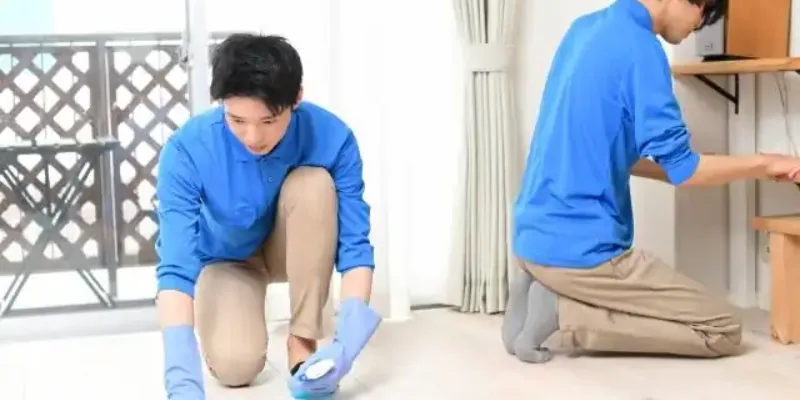
Consistent upkeep prevents permanent damage that requires professional intervention. Concentrate on areas where buildup is common. Clean places like AC filters, bathroom exhaust fans, and the oily residue on kitchen range hoods. If these items are maintained, the management company is less likely to charge for “deep cleaning” surcharges.
Understanding the 6-Year Depreciation Rule
In Japan, many interior items like wallpaper and carpets are considered to have a “useful life” of 6 years. According to MLIT guidelines, the tenant’s liability for replacing these items decreases by approximately 17% every year. In Tokyo, if you have lived in one of the apartments for over 6 years, you should have almost no financial responsibility for wallpaper replacement. This is provided there is no intentional damage.
Navigating Disputes and High Invoices
If you receive a bill that seems excessive, you have several avenues for recourse. It is important to remain calm and use official guidelines as your primary tool for negotiation.
Consultation with Consumer Centers
The National Consumer Affairs Center of Japan handles thousands of consultations regarding rental housing every year. According to their 2023 data, housing disputes are the second most common consultation category (*1). Tenants can call the “188” hotline to be connected to local experts who understand the nuances of apartments in Japan.
Legal and Professional Advice
For significant overcharges, consulting a professional may be necessary. You might seek help from a certified administrative scrivener (Gyoseishoshi). Alternatively, consult a legal consultant specializing in real estate. You can also utilize a local ward office’s free legal counseling service. These experts can review your contract and the MLIT guidelines to determine if the charges are legally defensible.
Why Choose ARealty for Your Next Home in Japan
When searching for apartments in Japan, the agency you choose significantly impacts your rental experience. ARealty stands out as a premier partner for expatriates seeking transparent and professional real estate services.
ARealty specializes in matching foreign residents with high-quality apartments in Tokyo Japan. They ensure that every lease agreement is clear and fair. By choosing ARealty, you gain access to a team that prioritizes:
- Transparent Fee Structures: We ensure you understand the Final cleaning fee when moving out Japan before you sign the contract.
- Multilingual Support: Our experts bridge the communication gap between tenants and landlords, reducing the risk of misunderstandings.
- Curated Listings: We provide a diverse portfolio of Japan Tokyo apartment rent options tailored to various budgets and lifestyles.
Are you ready to find a home that offers peace of mind from move-in to move-out? Contact ARealty today to explore the best apartments in Tokyo Japan and experience a seamless rental process.

Frequently Asked Questions
Can I clean the apartment myself to avoid the fee?
In most cases, no. Most contracts for apartments in Japan mandate a professional cleaning to ensure hygiene standards for the next tenant. However, a clean apartment prevents the landlord from adding “extra effort” surcharges to your bill.
What if I live in the apartment for more than 10 years?
If you reside in a rental for over a decade, your responsibility for items like wallpaper and flooring becomes minimal. You will likely only be responsible for the basic cleaning fee. You are also accountable for damages classified as “gross negligence.” Examples of such negligence include holes kicked in walls, broken doors, or permanent floor burns.
How is the move-out date calculated for the final rent?
Rent is typically calculated in one of two ways:
- Pro-rated (Hi-wari): You pay only for the specific days you occupy the unit.
- Monthly (Tsuki-wari): You pay for the full month regardless of when you move out. Carefully scrutinizing the specific clauses in your lease agreement ensures total transparency regarding move-out fees. They can save you significant money if you time your move-out for the end of a billing cycle.
Conclusion
Understanding the Final cleaning fee when moving out Japan is an essential part of being a responsible tenant. By recognizing the difference between natural wear and tear and tenant-caused damage, you can manage your finances effectively. This recognition also ensures a smooth transition. Whether you are currently in apartments in Tokyo Japan, make sure to prioritize clear communication with your landlord. Always keep detailed records of your home’s condition. If you are searching for a new apartment for rent Japan, follow the same practice.

Real estate advisor at Arealty Japan, specialising in helping foreign residents navigate the Tokyo and Osaka rental markets. Lucy has guided hundreds of international renters — from Working Holiday visa holders to corporate relocations — through Japan’s apartment application process. Her writing draws on firsthand experience with landlord screening, guarantor companies, and foreigner-friendly listings across all 23 Tokyo wards and major Kansai cities.