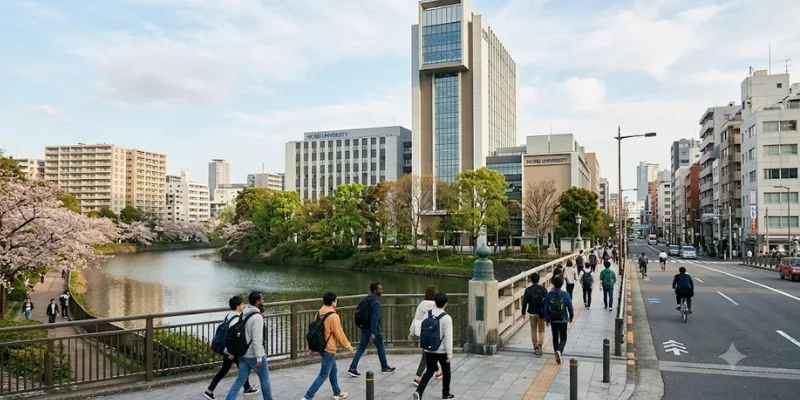

Quick answer: Hosei University’s Ichigaya campus sits one stop from Shinjuku on the JR Chuo/Sobu Line, so most Hosei University student housing searches cover both Ichigaya itself (on the Chiyoda/Shinjuku ward border) and Shinjuku ward, which offers far more listings at a comparable price. Budget ¥70,000-100,000/month for a 1R/1K near Ichigaya, or a similar or slightly wider range with more choice in Shinjuku.
| Quick Facts | Details |
|---|---|
| Campus station | Ichigaya (JR Chuo/Sobu Line, Tokyo Metro Yurakucho/Namboku, Toei Shinjuku Line) |
| Typical commute | 0-20 minutes from most off-campus housing |
| Nearest major hub | Shinjuku — 1 stop, ~5 minutes |
| Starting rent (1R/1K) | ¥70,000-110,000/month |
| Guarantor required | Yes, for nearly all listings |
Because Ichigaya Station sits directly between Shinjuku and central Tokyo on the Chuo/Sobu Line, students at Hosei’s Ichigaya campus rarely limit their search to the immediate campus area — the wider Shinjuku rental market is realistically just as convenient, and understanding the trade-offs between the two areas early saves a lot of wasted apartment viewings
Where Do Hosei Students Actually Live?
Hosei University’s Ichigaya campus is right on the border of Chiyoda and Shinjuku wards. Students commuting from off-campus housing generally settle into one of these areas:
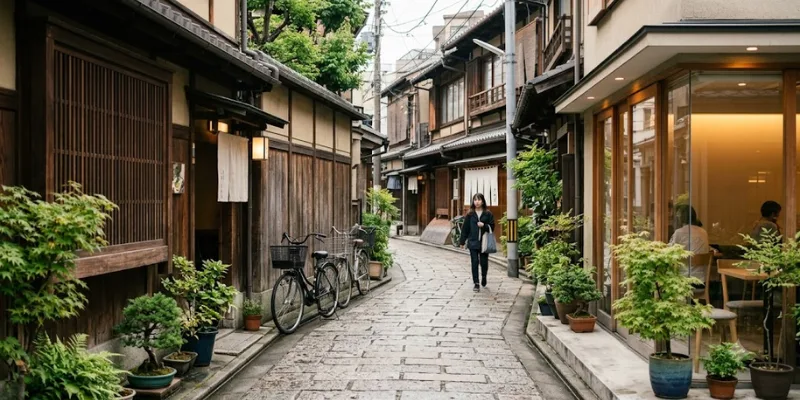
- Ichigaya and Kagurazaka — Walking distance to campus, quiet and historic, with a mix of older apartment stock and some newer buildings. Kagurazaka in particular has a distinctive, low-rise, café-and-bookshop atmosphere that draws students who want a calmer base.
- Iidabashi — One stop away, well-connected to multiple train lines (JR, Tokyo Metro, and Toei), popular with students who want more transit flexibility for exploring the rest of Tokyo.
- Shinjuku-ku — One stop from Ichigaya on the Chuo/Sobu Line. A significantly larger rental market, with the trade-off of a livelier, busier neighborhood outside study hours.
Students prioritizing quiet and walkability tend to stay in Kagurazaka; students who want more apartment choice and easy access to shopping, dining, and nightlife look one stop over to Shinjuku instead. There is no wrong choice here — it largely comes down to whether you value a calmer daily routine or the convenience of having far more to do without needing to plan a longer trip into central Tokyo.
Ichigaya or Shinjuku: Which Fits Your Budget?
| Ichigaya/Kagurazaka (on-campus area) | Shinjuku (1 stop away) | |
|---|---|---|
| Commute to Hosei | 0-10 min walk / 1 stop | 1 stop, ~5 min ride |
| 1R/1K monthly rent | ¥70,000-100,000 | ¥70,000-110,000 |
| Listing volume | Moderate — historic, lower-rise neighborhood | Very high — one of the largest rental markets in Tokyo |
| Lifestyle | Quiet, traditional, café-and-bookshop feel | Major hub — shopping, nightlife, dense transit connections |
| Best for | Students who want a calm base close to campus | Students who want more listing choice and an active neighborhood |
Rent is fairly comparable between the two areas, which makes the decision mostly about lifestyle rather than budget. If you want more options to compare directly, browse current listings in Shinjuku ward — the commute cost of the extra stop is minimal.
How Much Does Hosei University Student Housing Cost?
Starting budget ranges for 2026:
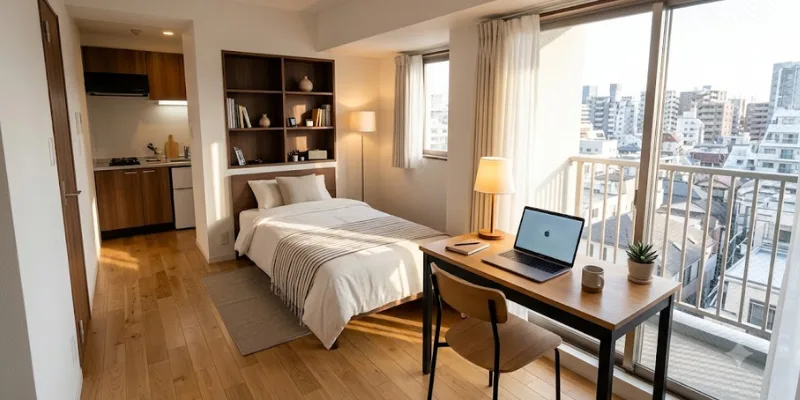
- 1R/1K (solo student): ¥70,000-100,000/month near Ichigaya/Kagurazaka; a similar or slightly wider range in Shinjuku depending on the specific listing
- 1K with separate kitchen: typically ¥5,000-10,000/month more than a basic 1R in the same area
- Furnished/monthly options: useful if you’re arriving mid-semester or before your permanent lease starts — see our short-term rental guide
- Upfront costs: three to five months’ rent for deposit, agency commission, and — where still charged — key money, on top of your first month’s rent
For citywide context on how these prices compare across Tokyo’s wards, see our Japan real estate market trends 2026 guide.
What Should You Look for in a Neighborhood Near Ichigaya?
A few practical factors are worth weighing beyond rent and commute time:
- Noise and atmosphere — Kagurazaka is noticeably quieter than Shinjuku at night, with a distinct old-Tokyo character that many students find appealing for daily life.
- Grocery and daily errands — Ichigaya and Kagurazaka have smaller, neighborhood-style shops; Shinjuku has larger supermarkets and more late-night convenience options.
- Transit redundancy — Iidabashi’s multiple connecting lines make it a strong choice if you frequently travel to other parts of Tokyo outside your usual campus commute.
- Building age — Kagurazaka’s historic character means more older buildings; Shinjuku offers a wider mix of both older, cheaper stock and newer construction across a broader price range.
When Should You Start Looking for Housing?
Tokyo’s rental market moves in sharp seasonal cycles tied to the Japanese academic and fiscal year:
- January to March is the busiest period, since most universities and companies start their year in April. Listings near Ichigaya and Shinjuku move quickly during this window.
- 6-8 weeks before your move-in date is the practical starting point — early enough to compare multiple units, late enough that landlords will realistically hold a unit for you.
- Outside the April cycle, competition is lighter, but fewer new listings come onto the market at once, so some flexibility on unit type may be needed.
How Does Ichigaya Compare to Hosei’s Other Campuses?
Hosei University operates multiple campuses across the Tokyo area, and it’s worth double-checking which one your program actually uses before committing to housing near Ichigaya:
- Ichigaya Campus — Primarily law, business, and several graduate programs. This is the campus covered throughout this guide, with the strongest case for living in or near Shinjuku given the one-stop commute.
- Koganei Campus — Located further west in Tokyo, serving different faculties. Students here typically look at housing along the Chuo Line further from central Tokyo, where rents are generally lower but the commute into Shinjuku or central wards takes considerably longer.
- Tama Campus — Located in a more suburban setting outside central Tokyo, generally not a fit for students prioritizing proximity to Shinjuku-area nightlife and transit density.
If you’re unsure which campus your specific program is based at, confirming this before you start apartment hunting can save a significant amount of wasted search time — a location that’s ideal for Ichigaya may add 30-45 minutes each way to a Koganei or Tama commute.
How Do Foreign Students Apply for Housing Near Hosei?
The process for international students at Hosei follows the same core steps as most Tokyo universities, and working with an agency experienced with foreign applicants tends to shorten the process considerably, since they already know which landlords and guarantor companies process international applications smoothly.
- Confirm your student visa and Certificate of Eligibility — required before most agencies, including Arealty, can begin processing your application. This document, issued before you enter Japan, is typically the single most important piece of paperwork landlords and guarantor companies ask to see first.
- Line up a guarantor company — standard practice for nearly every landlord now; see our guarantor system in Japan guide for how the process works and what it costs.
- Get proof of enrollment from Hosei — landlords and guarantor companies will ask for this to confirm your student status. For official international student information, see Hosei University’s Global Education Center.
- Decide furnished vs. unfurnished early — furnished units cost more monthly but avoid the upfront expense of furnishing an empty apartment from scratch.
For the full step-by-step process, from paperwork to signing, see our apartment hunting for students in Japan guide.
What Mistakes Do New Students Make When Searching?
A few recurring mistakes are worth avoiding when searching for Hosei University student housing:
- Underestimating upfront costs. Many first-time renters budget only for monthly rent and are caught off guard by the three-to-five-months’-rent requirement at signing.
- Waiting too long to arrange a guarantor. Lining this up early avoids losing a good unit to delays once you’ve found something you like.
- Only considering Kagurazaka. As shown above, a one-stop commute to Shinjuku widens your listing options substantially without meaningfully increasing travel time.
- Not confirming furnished vs. unfurnished status before applying, which can significantly change your total moving budget.
FAQ: Hosei University Student Housing
Is Shinjuku a realistic option for Hosei’s Ichigaya campus? Yes — Ichigaya and Shinjuku are one stop apart on the Chuo/Sobu Line, so the commute difference is minor while the listing options in Shinjuku are far broader.
How much should I budget for Hosei University student housing? Plan for roughly ¥70,000-110,000/month depending on the area and unit type, plus three to five months’ rent upfront for deposit, key money, and agency fees.
Do international students need a guarantor to rent near Hosei? Yes, in nearly all cases — but guarantor companies now process foreign student applications routinely, so it’s a standard step rather than a major obstacle.
Is Kagurazaka a good area for students on a budget? It’s comparable in price to Shinjuku but with far fewer listings, so budget-focused students may find more options — and occasionally better deals — searching slightly wider in Shinjuku instead.
When is the best time to start searching for an apartment near Hosei? Start 6-8 weeks before your move-in date, and expect more competition if your program begins in April, which aligns with Japan’s peak moving season.
Does it matter which Hosei campus my program uses? Yes, significantly. This guide covers the Ichigaya campus specifically — students at Koganei or Tama campuses should base their housing search around those locations instead, since the commute into Shinjuku from either is considerably longer.
Ready to start your search? Browse current listings in Shinjuku ward or get in touch with our team for help finding student housing near Hosei University.

Real estate advisor at Arealty Japan, specialising in helping foreign residents navigate the Tokyo and Osaka rental markets. Lucy has guided hundreds of international renters — from Working Holiday visa holders to corporate relocations — through Japan’s apartment application process. Her writing draws on firsthand experience with landlord screening, guarantor companies, and foreigner-friendly listings across all 23 Tokyo wards and major Kansai cities.