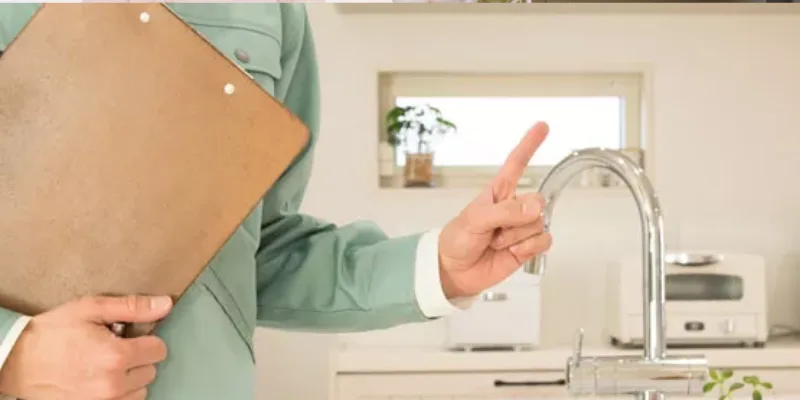

Selecting the ideal apartments in Japan involves a strategic evaluation that extends far beyond the aesthetic appeal of a floor plan. For many expatriates seeking a japan tokyo apartment rent, the transition into a new culture is significantly smoothed by ensuring that the physical dwelling and the surrounding community meet high functional standards. A comprehensive inspection is the most effective way to guarantee that your daily life remains comfortable and predictable.
The Definition and Importance of Inspecting Appliances in Rental Homes
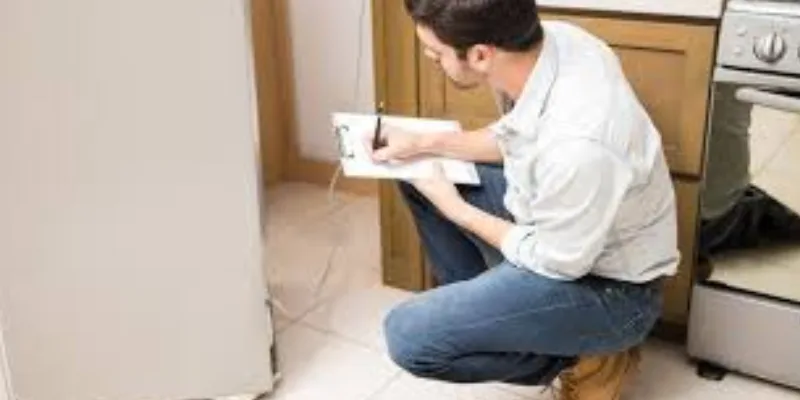
Inspecting appliances in rental homes is the formal procedure of examining the operational condition, safety features, and energy efficiency of all mechanical and electrical equipment provided within a lease. This process is essential because Japanese rental agreements often stipulate that while the landlord is responsible for repairs, the tenant must report issues immediately upon moving in to avoid liability.
When you perform a thorough inspection, you are protecting your financial interests and your quality of life. Modern apartments in Tokyo Japan are equipped with sophisticated technology designed to maximize space and efficiency. Failure to verify these systems can lead to increased utility costs or the inconvenience of being without climate control during extreme weather.
Why Detailed Inspections Matter for Foreign Residents
Foreign residents often encounter specific Japanese interfaces on appliances that can be confusing. By inspecting these during the viewing phase, you can ask the agent for demonstrations. Proper verification ensures that:
- Monthly budgets are preserved: Efficient appliances prevent spikes in electricity and gas bills.
- Legal disputes are avoided: Documenting the state of appliances prevents landlords from claiming you damaged them.
- Daily comfort is guaranteed: You ensure that essential services like hot water and cooling are ready from day one.
The Essential Interior Checklist: Beyond the Surface
When viewing an apartment for rent Japan, you should systematically test every fixed appliance. Do not assume that a clean appearance equates to functional integrity.
HVAC Systems and Air Quality
The air conditioner (Air-con) is the most critical appliance in a Japanese home because it handles both cooling in the humid summer and heating in the dry winter.
- Check the manufacturing label: If the unit is more than 10 years old, it may be noisy and inefficient.
- Test the remote control: Ensure the LCD screen is readable and all buttons respond.
- Inspect the filters: Dirty filters indicate poor maintenance and can circulate allergens.
Kitchen and Cooking Facilities
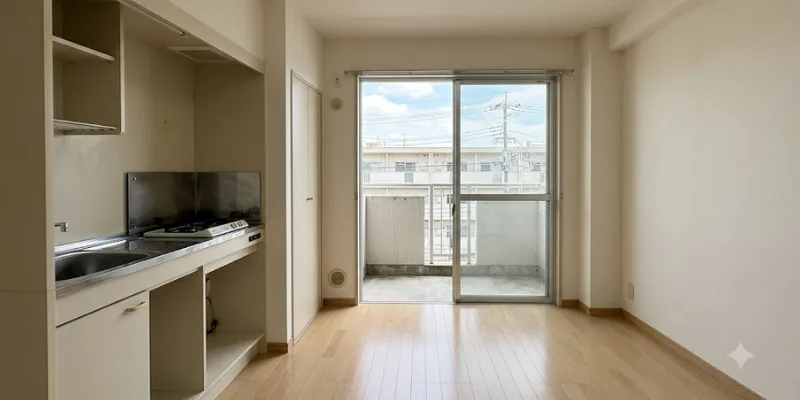
Kitchens in Tokyo are often compact, requiring high-performance cooking appliances, such as:
- IH (Induction Heating) Cooktops: These are common in newer buildings; ensure the glass surface is not cracked.
- Gas Ranges: Check for a consistent blue flame and verify the functionality of the “fish grill” drawer.
- Ventilation Fans: Turn the fan to the highest setting to check for excessive vibration or rattling noises.
Bathroom and Sanitation Technology
The Japanese bathroom is a hub of technology. You must inspect the sanitary systems, including:
- The Washlet (Electronic Bidet): Test the seat warming function and the nozzle spray if possible.
- The Bath Control Panel: Most units allow you to set a precise temperature; verify that the water actually reaches that heat.
- Dehumidifier/Dryer (Kansoki): Many bathrooms have a ceiling unit to dry clothes; turn it on to ensure the heating element works.
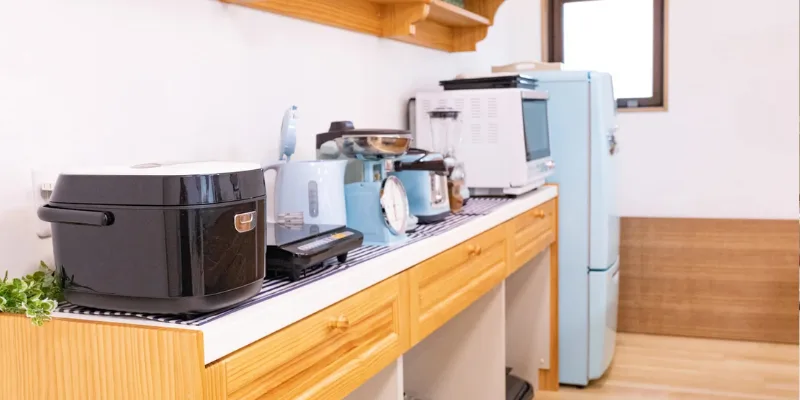
Evaluating the Commute: The Two-Visit Strategy
A property might be advertised as “5 minutes from the station,” but the reality of the walk can differ based on terrain, traffic lights, and crowds. To truly understand the value of apartments in Japan, you must experience the commute personally.
The Importance of the Daytime Walk
During the day, focus on the logistical convenience and the availability of essential services, such as:
- Supermarkets: Look for brands like Aeon Food Style, Life, or Summit to compare prices and quality.
- Drugstores: Identify nearby Matsumoto Kiyoshi or Welcia outlets for household supplies.
- Public Infrastructure: Note the presence of wide sidewalks, pedestrian bridges, and bicycle lanes.
The Critical Nighttime Inspection
The atmosphere of a Japanese neighborhood shifts significantly after sunset. An area that seems vibrant at noon might become eerily quiet or poorly lit at 10:00 PM.
- Lighting Density: Are there enough streetlights to feel safe while walking alone?
- Nighttime “Safe Havens”: Identify 24-hour convenience stores like 7-Eleven, Lawson, or FamilyMart which serve as bright spots and emergency help points.
- Noise Levels: Check if local bars or izakayas create noise disturbances that might affect your sleep.
Neighborhood Infrastructure: The Station and Beyond
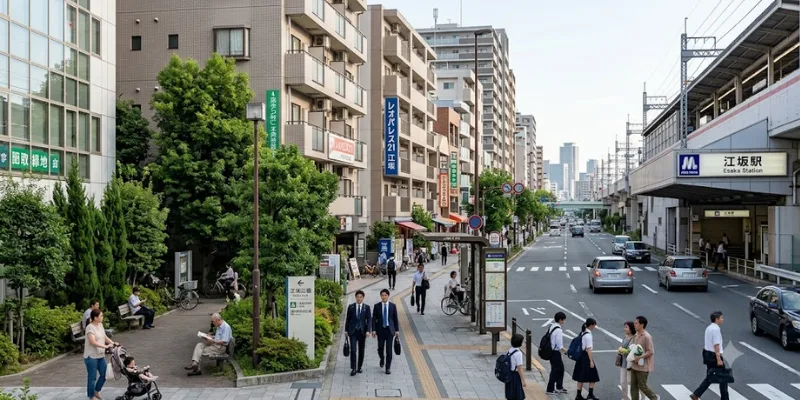
The station is the heart of your local ecosystem. When choosing a japan tokyo apartment rent, the facilities at your nearest transit hub are just as important as the room itself.
Station Dynamics
Different exits of the same station can offer entirely different lifestyles.
- The “North vs. South” Exit: Often, one side is a bustling commercial district while the other is a quiet residential zone.
- Train Frequency: Use apps like Google Maps or Jorudan to check how many trains stop during your specific commuting hours.
- Taxi and Bus Access: Check the “Last Bus” (Syu-bus) time. If you work late, knowing the ease of catching a taxi is vital.
The Bicycle Parking Dilemma
If your apartment for rent Japan is more than 10 minutes from the station, you will likely consider a bicycle. However, parking is strictly regulated.
- Availability: Many stations have a 6-month waiting list for monthly parking.
- Fees: Check if the parking is managed by the city or a private company like EcoStation21.
- Lottery Systems: Some areas require you to enter a lottery for a spot once a year.
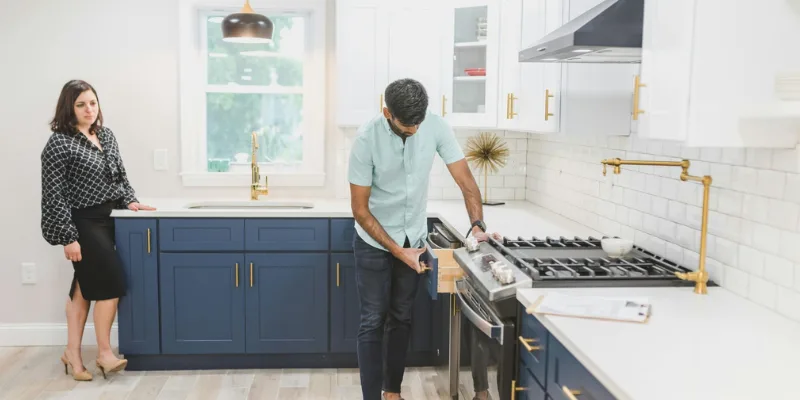
The MLIT Survey: What Tenants Prioritize
According to the “2023 Comprehensive Housing Survey” by the Ministry of Land, Infrastructure, Transport and Tourism (MLIT), the priorities of residents in Japan are remarkably consistent. Understanding these can help you evaluate apartments in Tokyo Japan through a professional lens.
Transportation Efficiency
This is the undisputed top priority. It refers to the total time from your door to your office or school. If the walk to the station is uphill or involves many stairs, it will feel much longer than the map suggests.
Shopping Convenience
Easy access to food and household goods is ranked second. For single professionals, the proximity of specialty food shops is a major benefit, such as:
- Bento shops (e.g., Origin Bento) for quick, healthy meals.
- Bakery chains (e.g., HOKUO or Saint Germain) for breakfast on the go.
- Fruit and vegetable stalls (Yaoya) for fresh, local produce.
Public Security and Peace of Mind
Japan is famous for safety, but “safety” also includes feeling comfortable in your environment. Check for the nearest Koban (Police Box). Having a visible police presence reduces the likelihood of petty crime and provides a place to go if you lose your keys or wallet.
Medical and Wellness Access
Being sick in a foreign country is stressful. Your neighborhood should have healthcare facilities, including:
- Internal Medicine (Naika): For fevers, colds, and general health certificates.
- Dentists (Ha-isha): For routine cleanings and emergencies.
- Dermatologists or Eye Clinics: For specialized care without traveling across the city.
Disaster Resilience and Hazard Maps
Japan is proactive in disaster management. Every ward office provides a Hazard Map detailing risks from natural events, such as:
- Flooding: Areas near the Sumida or Arakawa rivers.
- Liquefaction: Soil issues during earthquakes in reclaimed coastal areas.
- Evacuation Sites: The location of local schools or parks designated as safe zones.
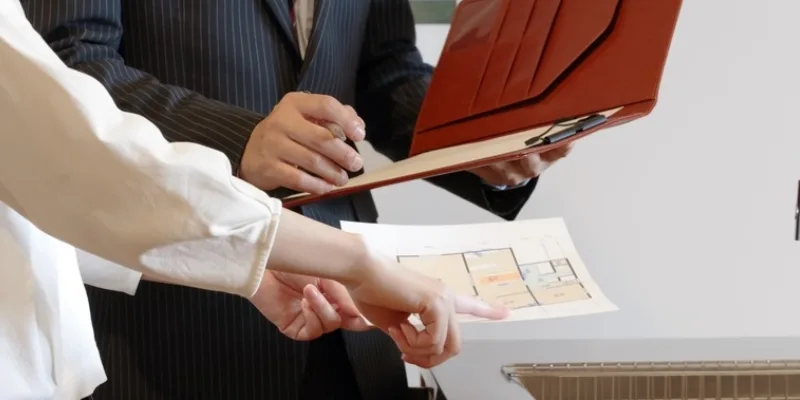
Arealty: Your Expert Partner in Tokyo Real Estate
When the task of inspecting appliances in rental homes and navigating neighborhood logistics feels overwhelming, professional guidance is indispensable. Arealty stands out as a premier agency dedicated to the needs of the international community in Tokyo.
The Arealty Advantage
Arealty understands that moving to Japan involves more than just finding a roof; it is about building a life. Their team of bilingual experts provides a level of scrutiny that individual renters might miss.
- Pre-Vetted Listings: Arealty focuses on high-quality apartments in Tokyo Japan where the appliances are modern and well-maintained.
- Comprehensive Area Tours: They don’t just show you the room; they walk you through the neighborhood, pointing out the best supermarkets and hidden local gems.
- Contract Transparency: Arealty ensures that all lease terms—including responsibility for appliance repairs—are clearly translated and fair.
- After-Sales Support: If an appliance fails after you move in, Arealty assists in communicating with the management company to get it fixed promptly.
Do you want to secure a home that passes every inspection test? Would you like me to help you draft a specific list of requirements to send to an Arealty agent today?
Deep Dive into Lifestyle Amenities
To truly thrive in a japan tokyo apartment rent, you should look for amenities that support your hobbies and mental well-being. Modern urban living in Japan is enhanced by public and private facilities, such as:
Cultural and Educational Spaces
- Public Libraries: Many Tokyo wards have excellent libraries where you can borrow books, use free study desks, and access English-language newspapers.
- Community Centers (Komin-kan): These offer low-cost classes in Japanese language, cooking, or traditional arts.
- Fitness Centers: Look for “Joyfit” or “Anytime Fitness” if you prefer 24-hour access, or ward-run gyms for a pay-as-you-go option.
Daily Service Facilities
- Dry Cleaners: Essential for maintaining “Salaryman” or “Office Lady” attire. Check if they offer “Y-shirt” specials on certain days.
- 100-Yen Shops: Stores like Daiso or Can-Do are indispensable for organizing small Tokyo apartments on a budget.
- Post Offices: Beyond mailing letters, the Japan Post Bank (Yucho) is the most accessible bank for many foreigners.
Strategic Inspection of Building Common Areas
While inspecting appliances in rental homes focuses on the interior, the exterior common areas reveal how the building is managed. A poorly managed building often indicates a landlord who may be slow to repair appliances.
Trash Disposal Systems
- Gomi-oki-ba (Trash Area): Is it clean and organized? A locked, 24-hour trash room is a premium feature that prevents odors and pest issues.
- Recycling Rules: Look at the posters. Strict adherence to recycling by neighbors usually indicates a respectful and quiet building population.
Security Features
For those prioritizing safety in their apartment for rent Japan, check for:
- Auto-lock Systems: Does the building require a key or code to enter the lobby?
- Delivery Lockers (Takuhai Box): These are vital for receiving packages when you are not home, preventing the need for redelivery.
- CCTV Cameras: Check for cameras in the elevator and lobby areas.
The Role of Technology in Modern Japanese Rentals
As you evaluate apartments in Japan, you will notice a trend toward “Smart Homes.” While these offer convenience, they require even more careful inspection.
Smart Intercoms and Security
Many new apartments in Tokyo Japan feature video intercoms. Verify that the camera provides a clear image of the visitor and that the recording function (if available) is operational. This is a primary safety feature for those living alone.
Internet Infrastructure
In the era of remote work, internet speed is as essential as electricity.
- Hikari (Fiber Optic): Check if the building has fiber optic lines pre-installed to the unit.
- LAN Ports: Look for wall-mounted LAN ports in the living room and bedroom to ensure a stable connection for video calls.
Final Checklist Before Signing the Lease
Before you commit to a japan tokyo apartment rent, summarize your findings. If any of the following critical appliances or conditions are unsatisfactory, address them with your agent immediately:
- Water Pressure: Turn on the shower and kitchen tap simultaneously.
- Window Seals: Check for drafts or moisture buildup, which can lead to mold (a common issue in Japan).
- Floor Evenness: Use a simple level app on your phone to ensure the building hasn’t settled unevenly.
- Storage Space: Open every closet (Oshi-ire) to check for signs of dampness or previous water damage.
The Value of Professional Advocacy
Navigating the Japanese rental market is a journey of a thousand small details. By focusing on inspecting appliances in rental homes and verifying the neighborhood during both day and night, you eliminate the “hidden surprises” that often plague unprepared renters.
Choosing a partner like Arealty ensures that you have an advocate who knows exactly what to look for, from the age of the water heater to the safety of the nearest park. Their expertise allows you to focus on the excitement of your new life in Japan, rather than the stress of maintenance issues.
High-quality living in Tokyo is attainable if you apply a rigorous, evidence-based approach to your search. Take the time to walk the streets, test the switches, and consult the experts. Your future self will thank you for the diligence you show today.

Real estate advisor at Arealty Japan, specialising in helping foreign residents navigate the Tokyo and Osaka rental markets. Lucy has guided hundreds of international renters — from Working Holiday visa holders to corporate relocations — through Japan’s apartment application process. Her writing draws on firsthand experience with landlord screening, guarantor companies, and foreigner-friendly listings across all 23 Tokyo wards and major Kansai cities.