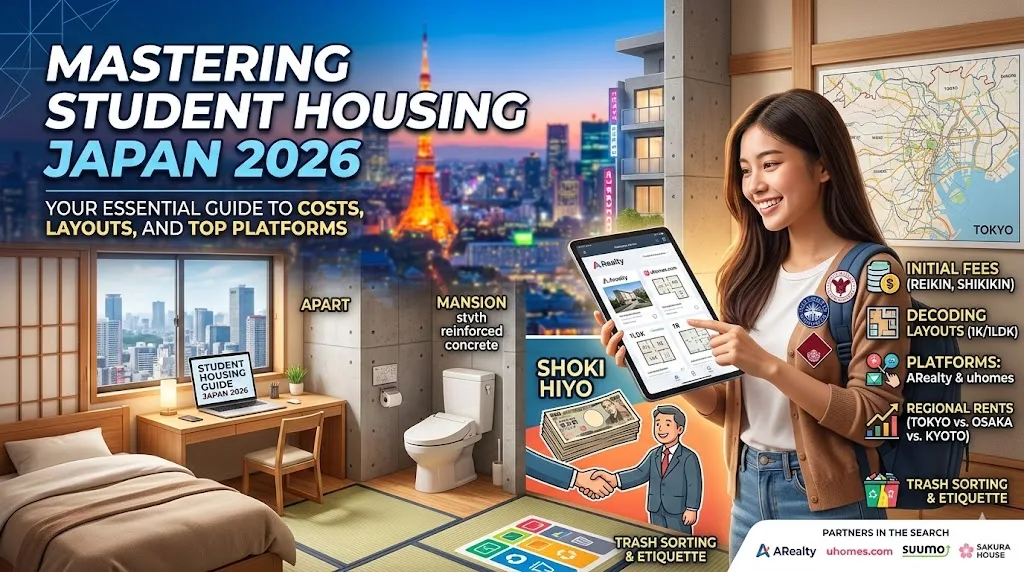

Finding suitable accommodation is the most critical step for international students planning their move to East Asia. The landscape of Student housing Japan 2026 reflects a sophisticated market that balances traditional Japanese customs with modern, digital-first solutions for expatriates. Whether you are looking for apartments in Japan or specifically targeting japan tokyo apartment rent, understanding the structural nuances of the lease system is essential for a successful transition.
This guide provides a professional, deep-dive overview of the costs, layouts, and platforms available to ensure your stay in Japan is secure, legal, and comfortable.
The Financial Framework of Japanese Rentals
Securing an apartment for rent Japan involves a unique set of upfront costs known as Shoki Hiyo (Initial Fees). Unlike Western systems that typically require only a security deposit and the first month’s rent, the Japanese system incorporates several non-refundable payments that serve as a social and financial guarantee for the landlord.
The Breakdown of Initial Fees
Prospective tenants must budget for a total initial payment that typically ranges from 4 to 6 times the monthly rent. These fees ensure the legal and financial security of the landlord-tenant relationship:
- Key Money (Reikin): This is a mandatory “gratitude” payment to the landlord. It is non-refundable and usually equals 1 to 2 months of rent.
- Security Deposit (Shikikin): This fund covers potential repairs or cleaning fees after you vacate the premises. Any remaining balance is returned to the tenant if the property is maintained well.
- Guarantor Company Fee: Most landlords require a guarantee company to co-sign the lease, especially for international students who lack a local Japanese contact.
- Ancillary Costs: Mandatory charges include fire insurance (typically 15,000–20,000 JPY) and lock exchange fees to ensure the safety of the new occupant.
Deciphering Apartment Layouts and Size Metrics
When browsing apartments in tokyo japan, you will encounter specific abbreviations that describe the layout. These codes indicate the number of rooms and the configuration of the living, dining, and kitchen spaces.
Common Layout Classifications
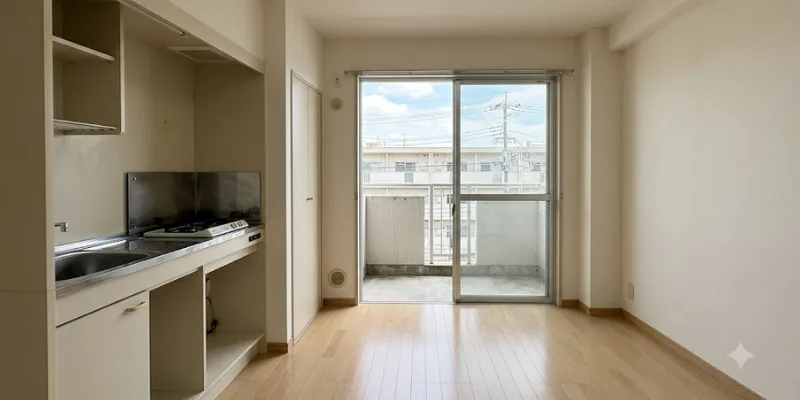
- 1R (One Room): A studio apartment where the bedroom and kitchen are in the same open space without a partition.
- 1K (One Room + Kitchen): A layout where the kitchen is separated from the main living room by a wall or door, usually featuring a small hallway.
- 1DK (One Bedroom + Dining Kitchen): A larger kitchen area that has enough space to fit a dining table (typically between 4.5 and 8 Jo).
- 1LDK (One Bedroom + Living/Dining/Kitchen): A premium option featuring a separate bedroom and a large combined area for socializing and cooking (typically over 8 Jo).
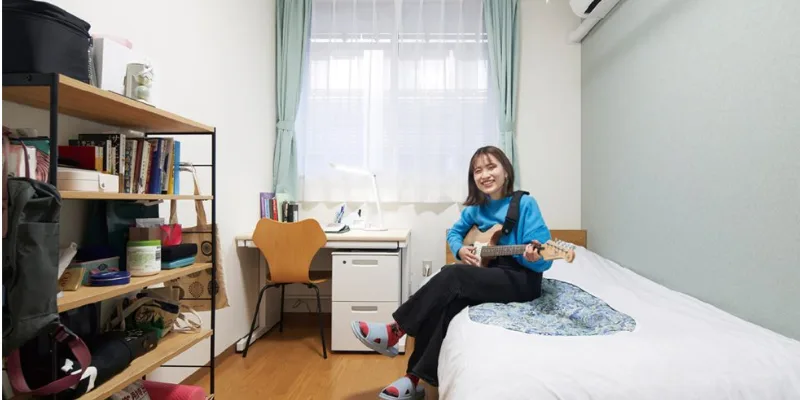
Top Platforms for Student Housing Japan 2026
The digital transformation of the real estate sector has made it easier to secure apartments in Japan from abroad. Selecting the right platform depends on your language proficiency and your need for “move-in ready” convenience.
Specialized Services for International Students
- uhomes.com: This platform is the premier choice for students seeking 100% verified listings. It offers VR tours and price-match guarantees, allowing students to sign contracts before they arrive in the country. This is particularly useful for those who cannot perform physical viewings.
- Arealty: Specifically designed for the expatriate community, this site provides a full English interface and agents who are experienced in handling foreign applications.
- Sakura House: Known for its flexibility, this service offers “Share Houses” and furnished apartments with shorter lease terms, making it ideal for those who need a temporary foothold during their first semester.
Local Powerhouses for Long-term Residents
For those with some Japanese language ability, Arealty offer the largest databases of properties in the country. These platforms provide extensive filters for specific needs:
- Pet-Friendly Listings: Essential for students traveling with small animals.
- No Key Money Options: Ideal for those looking to reduce their initial financial burden.
- Distance from Station: Allows you to filter properties within a 5-minute walk of major transit hubs.
ARealty: Your Professional Partner in Tokyo Real Estate
ARealty stands as a sophisticated bridge between international residents and the complex Japanese real estate market. They specialize in simplifying the high-pressure environment of japan tokyo apartment rent by offering curated listings that cater specifically to the needs of foreign professionals and students.
The Advantages of Choosing ARealty
Choosing a dedicated agency like ARealty provides tenants with a layer of protection and expertise that general listing sites cannot match. They prioritize transparency in pricing and legal compliance, ensuring that every contract adheres to Japanese Tenant Protection Laws.
- Multilingual Support: ARealty eliminates the communication gap by providing consultations in multiple languages, ensuring you understand every clause of your lease if the Japanese legal terminology is too complex.
- Market Insights: Their agents provide data-driven advice on neighborhood safety, commute times to major universities, and local amenities such as supermarkets and clinics.
- Streamlined Documentation: They assist in gathering the necessary paperwork for the screening process, which is often the most difficult hurdle for foreigners without a local history.
Are you ready to secure your future home in Tokyo? Contact ARealty today to browse exclusive listings and receive expert guidance on your 2026 relocation.
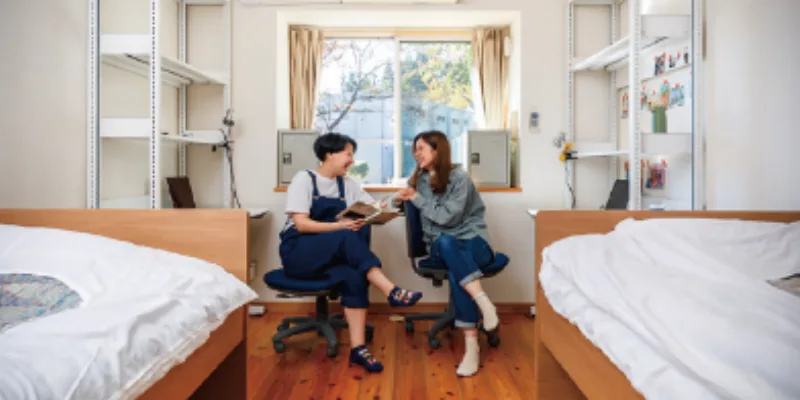
Regional Considerations: Renting in Tokyo vs. Other Cities
Location significantly impacts the cost of apartments in tokyo japan. While Tokyo offers unparalleled career and social opportunities, it remains the most expensive market in the country due to high demand and limited land.
Average Rent Projections for 2026
Understanding the regional price differences helps students manage their budgets more effectively:
| City | Average 1K/1R Rent (Monthly) | Primary Advantages |
| Tokyo (Central) | 85,000 – 120,000 JPY | Proximity to top universities, global networking. |
| Osaka | 50,000 – 80,000 JPY | Lower cost of living, famous culinary scene. |
| Kyoto | 45,000 – 75,000 JPY | High concentration of schools, cultural heritage. |
| Fukuoka | 40,000 – 65,000 JPY | Growing tech hub, very affordable for students. |
Choosing the Right Ward in Tokyo
If your goal is japan tokyo apartment rent, you must distinguish between the 23 Wards. Areas like Shinjuku and Shibuya are central but expensive. In contrast, wards like Edogawa, Nerima, or Adachi offer more spacious apartments for a lower price, provided you are willing to commute 30–40 minutes by train.
Essential Amenities and Building Standards
Modern student housing Japan 2026 must meet strict safety and lifestyle standards. When evaluating a property, pay close attention to the building materials and included features, as these affect both your utility bills and your quality of sleep.
Building Construction Types
- Mansion (Reinforced Concrete): These are high-rise or mid-rise buildings. They offer superior soundproofing and are much cooler in the summer, though the rent is higher.
- Apart (Wood or Light Steel): Typically two-story buildings. They are the most affordable option but may have thinner walls and less insulation.
- Kigyo (Steel Frame): A middle-ground option that offers decent durability and price.
Must-Have Features for Students
To ensure a productive academic year, look for apartments that include these modern conveniences:
- Auto-lock Systems: For enhanced security in multi-unit buildings, ensuring only residents and guests enter the lobby.
- Delivery Boxes (Takuhai Box): Secure lockers for receiving packages when you are at university, which is vital since Japanese couriers rarely leave packages at the door.
- Washlet Toilets: A staple of Japanese comfort, featuring heated seats and bidet functions.
- Fiber-optic Internet: Essential for remote learning, research, and high-quality video streaming.
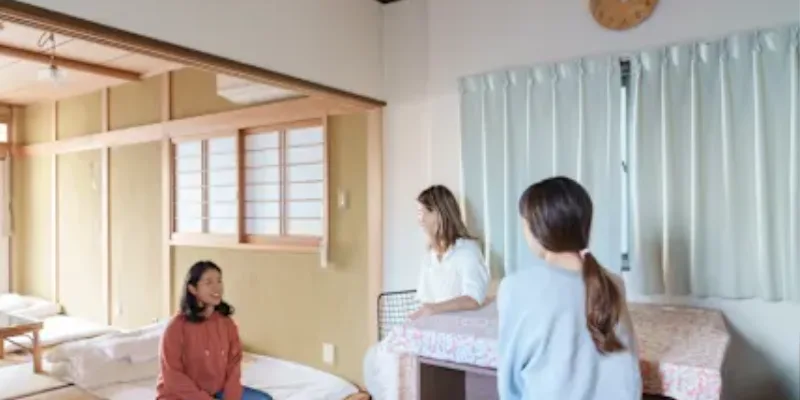
The Step-by-Step Rental Process in 2026
Renting an apartment for rent Japan is a formal process that typically takes between 2 to 4 weeks. You should begin your search at least two months before your intended move-in date to allow for the following stages:
Step 1: Definition of Needs and Online Search
Determine your budget, preferred commute time, and room size. Use platforms like Arealty to shortlist properties that meet your criteria.
Step 2: Application and Screening (Shinsa)
Once you find a property, you must submit an application. The landlord and the guarantor company will review your:
- Enrollment Status: Proof of admission to a Japanese university.
- Financial Stability: Bank statements or scholarship letters showing you can afford the rent.
- Visa Validity: Ensuring your stay in Japan is legal for the duration of the lease.
Step 3: Explanation of Important Matters (IT Juusetsu)
By law, a licensed real estate agent must explain the “Important Matters” of the contract to you. In 2026, this is commonly done via video call, allowing you to complete the legal requirement from your home country.
Step 4: Payment and Key Handover
Once the initial fees are paid via bank transfer and the contract is digitally or physically signed, you will receive your keys on the day your lease begins.
Overcoming Common Hurdles for International Renters
Renting as a foreigner in Japan can present challenges, but being prepared with the right information can mitigate these risks.
The Language Barrier
Many local landlords are hesitant to rent to non-Japanese speakers because they fear communication issues regarding trash disposal or noise complaints. Using an agency like ARealty or platforms like Real Estate Japan bridges this gap by providing professional translation and mediation services.
Guarantor Requirements
Finding a private Japanese guarantor is nearly impossible for most students. This is why Guarantor Companies (Hosho Gaisha) are essential. They act as your institutional co-signer for a fee, making the rental process accessible to anyone with a valid student visa.
Cultural Etiquette (Manners)
Living in a Japanese apartment requires adherence to strict community rules:
- Trash Disposal: Garbage must be sorted into combustible, non-combustible, and recyclable categories and disposed of on specific days.
- Noise Levels: Japanese walls can be thin; keeping noise to a minimum after 9:00 PM is a standard social expectation.
- Gift-giving: While less common for students now, a small gift to neighbors (Aisatsu) was traditionally expected upon moving in to foster good relations.
Maximizing Your Budget: Tips for 2026
To find the best value in apartments in Japan, consider these strategic approaches to your search:
- Look for “Zero-Zero” Properties: Some listings offer “0 Deposit and 0 Key Money.” While the monthly rent might be slightly higher, the lack of upfront costs makes it much easier to move in.
- Move During the “Off-Season”: The peak moving season is February to March (before the school year starts in April). If you move in September or October, you may have more room to negotiate the rent or initial fees.
- Choose a Station Further Out: Being just two stops further from a major hub like Shinjuku can save you 10,000–15,000 JPY per month.

Safety and Earthquake Resistance
When searching for apartments in tokyo japan, safety should be a top priority. Japan has some of the strictest building codes in the world regarding seismic activity.
Identifying Modern Standards
Always check the construction date of the building. Structures built after June 1981 follow the Shin-Taishin (New Earthquake Resistance) standards. Buildings constructed after 2000 offer even higher levels of safety due to advanced damping technologies.
Emergency Preparedness in Housing
Most modern student apartments come equipped with:
- Emergency Flashlights: Often mounted on the wall near the entrance.
- Fire Extinguishers: Located in common hallways.
- Earthquake-proof Gas Valves: These automatically shut off the gas supply if a significant tremor is detected to prevent fires.
Conclusion
Success in finding the perfect student housing Japan 2026 relies on early preparation and a clear understanding of the local market. By budgeting for initial fees and leveraging platforms that specialize in international support, you can secure a residence that supports both your academic goals and your lifestyle.
The Japanese rental market is structured but rewarding. From understanding the “Tatami” measurements to mastering the trash sorting system, every step you take integrates you further into the local culture. Whether you choose a luxury japan tokyo apartment rent or a budget-friendly “Apart” in the suburbs, the options are vast for those who are well-informed.

Real estate advisor at Arealty Japan, specialising in helping foreign residents navigate the Tokyo and Osaka rental markets. Lucy has guided hundreds of international renters — from Working Holiday visa holders to corporate relocations — through Japan’s apartment application process. Her writing draws on firsthand experience with landlord screening, guarantor companies, and foreigner-friendly listings across all 23 Tokyo wards and major Kansai cities.