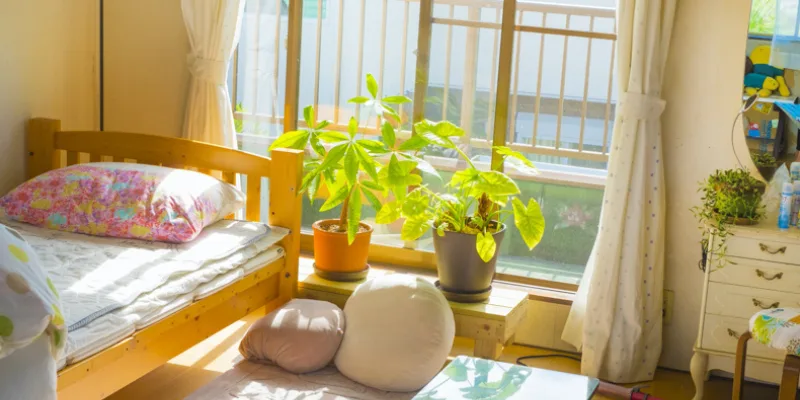

When searching for apartments in Japan, many expatriates and locals instinctively prioritize south-facing units to maximize natural sunlight. However, the Japanese real estate market offers a diverse range of orientations, each with distinct functional profiles. Understanding the disadvantages of North-facing apartment Japan is crucial for making an informed decision, especially when balancing budget and comfort in densely populated urban centers like Tokyo, Osaka, or Yokohama.
This guide provides a professional analysis of North-facing units, compares them with other orientations, and offers practical solutions to common living challenges. Whether you are looking for an apartment for rent Japan or specifically scouting for a Japan Tokyo apartment rent, these insights will help you secure the ideal home.
Disadvantages of North-Facing Apartment Japan
The primary disadvantages of North-facing apartment Japan stem from the lack of direct solar radiation. Because Japan is located in the Northern Hemisphere, the sun travels along a southern arc, leaving northern windows in a perpetual state of soft, indirect light. This geographical reality dictates the internal climate and atmosphere of the home.
Significant Thermal Deficit and Winter Chill
The most immediate disadvantage is the lack of “passive solar heating.” In a north-facing room, the sun never shines directly into the space, meaning the floor, walls, and furniture do not absorb heat during the day. In regions with cold winters, such as Hokkaido or even Tokyo, these rooms can feel several degrees cooler than the rest of the building.
Residents often find that they must run their heating systems—such as electric wall heaters, kerosene stoves, or reversible air conditioners—for longer periods and at higher settings. This not only increases the cost of living but can also lead to a dry indoor environment that requires additional humidification to prevent respiratory discomfort.
Reduced Natural Luminance and Psychological Impact
For many, the lack of brightness is a major drawback. North-facing apartments typically remain in a state of “constant twilight.” Even on a clear day, the light is diffused. This often necessitates the use of artificial lighting during the morning and late afternoon, which would otherwise be unnecessary in a south-facing unit.
The psychological impact of reduced sunlight cannot be overlooked. Natural light is essential for the production of serotonin, and living in a dim environment can affect one’s mood or energy levels. This is particularly relevant for those who spend a significant amount of time indoors, such as freelance writers, stay-at-home parents, or remote software engineers.
Chronic Humidity and Mold Proliferation
Japan’s climate is characterized by high humidity, especially during the summer and the Tsuyu (rainy season). Direct sunlight acts as a natural disinfectant and drying agent. Without it, moisture tends to linger on surfaces.
If a north-facing apartment lacks proper ventilation, it becomes a breeding ground for mold and mildew. This biological growth often appears in hidden areas, such as behind large wardrobes, inside built-in closets (oshibire), and along the silicone sealant of window frames. Furthermore, laundry takes significantly longer to air-dry, often leading to a “musty” smell if clothes are hung indoors without the aid of a dehumidifier or specialized fan.
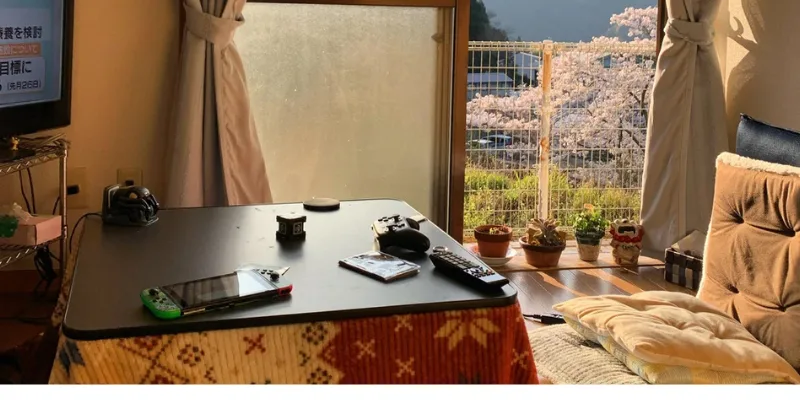
How Directions Influence Apartments in Japan
To understand why a tenant might choose or avoid a North-facing unit, it is essential to compare it with the alternatives available for apartments in Tokyo Japan. Each direction serves a different lifestyle priority.
South-Facing (Minami-muki)
South-facing apartments are the “gold standard” in Japanese real estate. They receive sunlight from morning until evening, making them bright, warm, and highly desirable. They are excellent for families who do a lot of laundry or individuals who enjoy indoor gardening. However, they command the highest rents—sometimes 10% to 15% higher than North-facing units—and can become uncomfortably hot in the summer, requiring heavy use of air conditioning.
East-Facing (Higashi-muki)
East-facing units receive intense sunlight in the morning. This is ideal for people who follow a “daytime” schedule, as the natural light helps them wake up. However, the room loses direct light by noon and can become quite chilly in the winter evenings. It is a popular choice for students, traditional salarymen, and early-morning fitness enthusiasts.
West-Facing (Nishi-muki)
West-facing apartments are known for the “Nishi-bi” (afternoon sun). They remain warm well into the evening, which is a benefit in winter but a major disadvantage during Japan’s sweltering summers. The intense UV rays from the afternoon sun can also cause significant damage, such as fading the color of tatami mats, damaging the spines of book collections, and warping delicate wooden furniture.
Why Choose a North-Facing Apartment?
Despite the documented disadvantages of North-facing apartment Japan, there are compelling reasons to consider these properties. In many cases, the “negatives” can be flipped into functional “positives” depending on your professional and personal needs.
Exceptional Value for Money
In the competitive market of apartments in Tokyo Japan, North-facing units are almost always priced more attractively. For a fixed budget, choosing a north-facing orientation may allow you to move into a much better building. For example, instead of a cramped south-facing studio, you might be able to afford a north-facing 1LDK (one bedroom with living/dining/kitchen) that includes luxury stone countertops, a private balcony, and a high-end mist sauna in the bathroom.
Ideal Environment for Visual Precision
Direct sunlight creates harsh shadows and fluctuating color temperatures throughout the day. North-facing light, however, is remarkably consistent. This “cool” and steady light is the preferred choice for people who require visual accuracy. Artists and creators often seek out north-facing studios to ensure their work looks the same at 10:00 AM as it does at 3:00 PM. This is particularly beneficial for digital illustrators, professional makeup artists, and architectural drafters.
Superior Summer Comfort
As global temperatures rise, the “coolness” of a North-facing room becomes a major luxury. During July and August in Tokyo, when temperatures often exceed 35°C, south-facing rooms can feel like ovens. A north-facing apartment stays naturally cooler, protecting residents from heat exhaustion and significantly lowering electricity bills related to cooling. This is a safer environment for elderly residents, long-haired cat breeds, and sensitive indoor tropical plants.
Vibrant Urban Views
When you look out of a south-facing window, you are looking “into” the sun, which often results in glare and washed-out colors. In contrast, when you look out of a north-facing window, the sun is behind you, illuminating the city landscape directly. This makes the colors of the city—the blue of the sky, the greenery of parks, and the architecture of skyscrapers—look incredibly vivid and sharp.
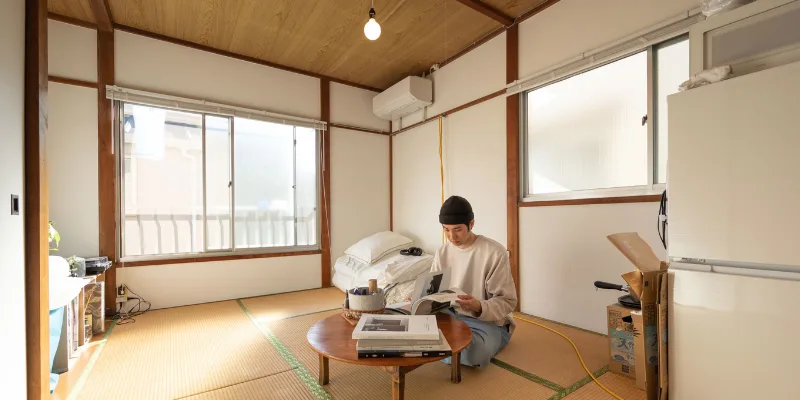
Practical Solutions: Mitigating the Disadvantages
If you find a beautiful apartment for rent Japan that happens to face North, you do not need to reject it immediately. Most disadvantages can be managed with modern technology and smart lifestyle choices.
Select High-Floor or Corner Units
The “darkness” of a north-facing room is exacerbated by neighboring buildings. If you choose an apartment on a high floor (e.g., the 10th floor or above), there are fewer obstructions to block the sky. Even without direct sun, a high-floor north-facing unit can be very bright due to “sky radiation.” Similarly, a corner unit with windows on both the North and East/West sides provides the best of both worlds.
Invest in Advanced Climate Control
To handle the humidity, modern Japanese apartments often come with a “Bathroom Vanity/Dryer” system (浴室乾燥機). Use this daily to dry your laundry and keep the bathroom mold-free. Additionally, investing in a high-capacity compressor-style dehumidifier can maintain the indoor humidity at a comfortable 50%, protecting your electronics, musical instruments, and designer clothing.
Optimize the Interior for Light Reflection
You can visually “brighten” a north-facing space by being intentional with your decor.
- Color Palette: Use off-whites, pale yellows, or light greys for large furniture items.
- Mirrors: Place a large floor mirror opposite the window to bounce the available sky light deeper into the room.
- Lighting: Use “Daylight” (昼白色) LED bulbs rather than “Warm White” to mimic the feel of natural afternoon sun.
Focus on Insulation Standards
When viewing a Japan Tokyo apartment rent, check the windows. Modern buildings with double-glazed (Pair Glass) windows provide excellent thermal insulation. This keeps the cold out in the winter and the heat out in the summer, effectively neutralizing the thermal disadvantages of North-facing apartment Japan.
Who is the Ideal Resident for a North-Facing Home?
Professional real estate agents often recommend North-facing units to specific demographics who will actually find them more comfortable than South-facing ones.
- Remote Workers and Gamers: Those who spend all day on computer screens prefer the lack of glare. It prevents eye strain and eliminates the need to keep curtains closed all day.
- Night-Shift Professionals: Nurses, security personnel, and pilots who sleep during the day find north-facing rooms much easier to darken, leading to better quality REM sleep.
- The Budget-Savvy Expat: If you are moving to Japan to save money, the rent reduction of a north-facing unit can add up to thousands of dollars in savings over a two-year contract.
Real-World Examples from Arealty
To help you visualize the differences, here are specific examples of properties managed by Arealty across different orientations.
North-Facing Example: Realize Tamade [RT] – 0
This property in Osaka demonstrates how North-facing units offer superior value and space by providing a large 2LDK layout at a highly competitive price point. [Access the full property profile and current rental terms here] to see why this “hidden gem” is an ideal choice for budget-conscious tenants seeking more square footage.
- Address: Minamitsumori, Osaka-shi Nishinari-ku, Osaka.
- Monthly Fee: Total monthly fee of ¥ 67,000.
- Layout: A spacious 2LDK featuring 2 bedrooms.
- Size: 40.95 m^2.
- Floor: Located on the 5th floor of an 11-story building.
- Construction: Built with Reinforced Concrete, which provides high airtightness.
- Key Amenities: Includes Air Conditioning, a Balcony, and a System Kitchen.
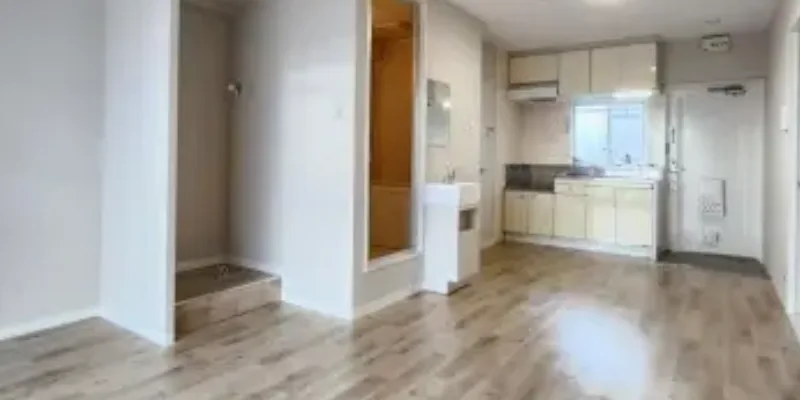
East-Facing Example: Partir Kakuozan [RT] – 205
Ideal for those who want bright morning light in Nagoya. This property offers a refreshing start to your day with its sun-drenched living spaces. [View full property details and availability here] to see if this is the right fit for your lifestyle.
- Address: Tashirohontori, Nagoya-shi Chikusa-ku, Aichi.
- Orientation: Officially facing East.
- Monthly Fee: Total monthly fee of ¥ 67,330.
- Layout: 1K unit with one bedroom.
- Size: 27.38 m^2.
- Floor: Located on the 2nd floor.
West-Facing Example: PRESENCE THE KYOTO Suito [RT] – 0
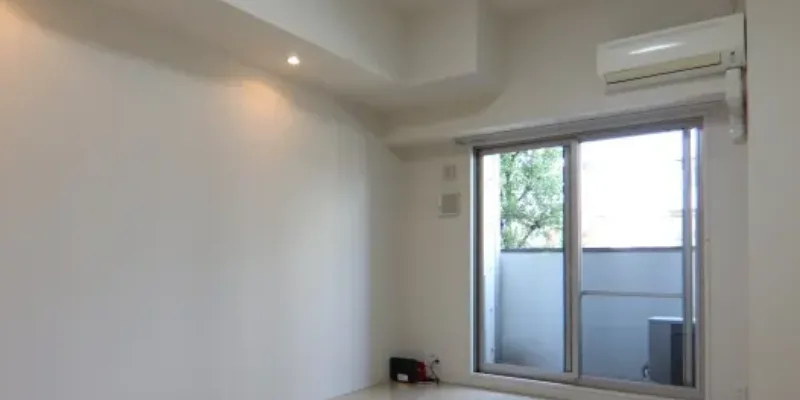
A premium choice for sunset lovers in Kyoto. This high-floor unit offers stunning evening views and modern furnished living. [Discover more about this Kyoto residence and view the latest listing photos here] to explore the full amenities and floor plan.
- Address: Higashikujo Nishikawabecho, Kyoto-shi Minami-ku, Kyoto.
- Orientation: Facing West.
- Monthly Fee: Total monthly fee of ¥ 88,000.
- Floor: Located on the 7th floor (top floor).
- Special Feature: Furnished unit with high-security features like Auto lock.
South-Facing Example: Prime Urban Oimachi II – 804
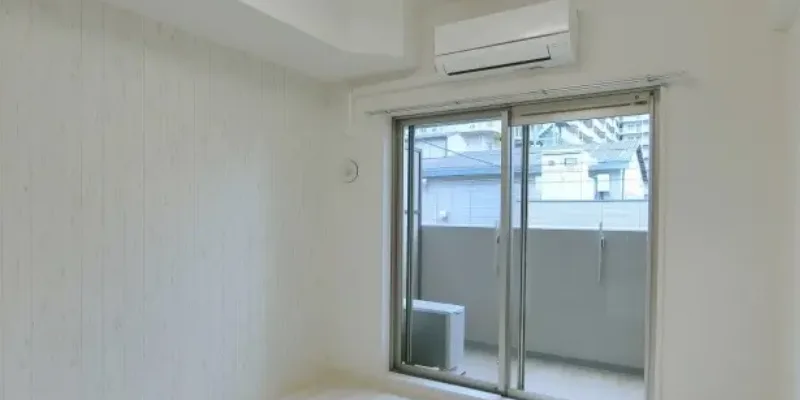
A bright, high-floor studio option in Tokyo. This 8th-floor unit maximizes natural sunlight and offers convenient access to major transit lines. [Click here to view the official listing for Prime Urban Oimachi II] to see high-resolution photos, the current availability status, and a detailed breakdown of the initial costs.:
- Address: Higashioi, Shinagawa-ku, Tokyo.
- Orientation: Facing South.
- Monthly Fee: Total monthly fee of ¥ 100,000.
- Layout: 1R (Studio) layout.
- Size: 21.58 m^2.
- Floor: Located on the 8th floor.
Arealty: Your Expert Partner in Japanese Real Estate
Finding the perfect home in a foreign country is a daunting task, especially when dealing with language barriers and complex rental customs. This is where Arealty steps in to provide professional, transparent, and comprehensive support.
Why Choose Arealty for Your Japan Tokyo Apartment Rent?
We understand that an apartment is more than just a direction on a compass; it is the foundation of your life in Japan. Our team does not just show you rooms; we provide a deep analysis of the living environment. We evaluate the building’s age, the quality of its insulation, and the specific light levels of each unit to ensure that the disadvantages of North-facing apartment Japan are minimized for our clients.
Our Specialized Services
Arealty offers a curated selection of apartments in Tokyo Japan tailored to the international community. We provide:
- Bilingual Consultation: We bridge the communication gap between you and Japanese landlords.
- Virtual Viewings: If you are moving from overseas, we provide high-definition video tours and light-meter readings.
- Neighborhood Insights: We help you find homes near essential services such as international schools, English-speaking clinics, and major transit hubs like Shibuya or Shinjuku.
Whether you are looking for a luxury high-rise or a cost-effective suburban flat, Arealty is dedicated to finding you a space that feels like home. Our expertise ensures that you make a decision based on facts and long-term comfort rather than just following common myths about room orientation.
Arealty is your gateway to the best apartments in Japan. We take pride in our ability to find “hidden gems”—those north-facing units that offer incredible views and high-end features at a fraction of the expected price.
Conclusion
Although North-facing apartments in Japan have drawbacks such as limited sunlight and higher humidity, they are not inherently inferior choices. With proper insulation, lighting, and humidity control, these issues can be effectively managed. In return, tenants often benefit from lower rent, cooler summer temperatures, and more consistent indoor lighting.
Looking for a well-matched apartment in Japan? Let Arealty help you discover high-value homes— including hidden-gem North-facing units—tailored to your lifestyle and budget. Contact us today to start your apartment search with confidence.

Real estate advisor at Arealty Japan, specialising in helping foreign residents navigate the Tokyo and Osaka rental markets. Lucy has guided hundreds of international renters — from Working Holiday visa holders to corporate relocations — through Japan’s apartment application process. Her writing draws on firsthand experience with landlord screening, guarantor companies, and foreigner-friendly listings across all 23 Tokyo wards and major Kansai cities.