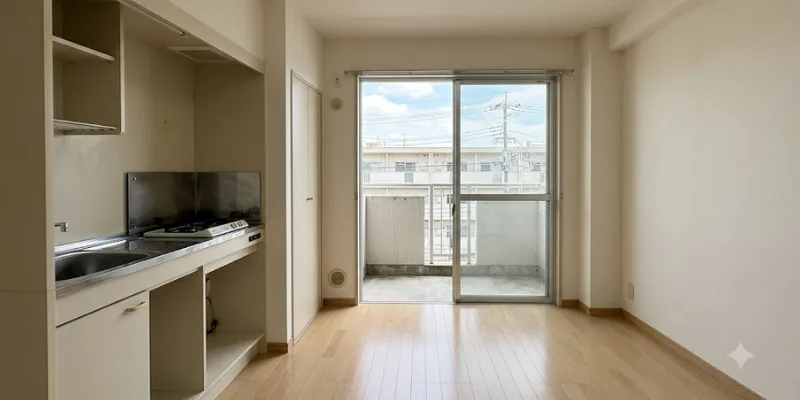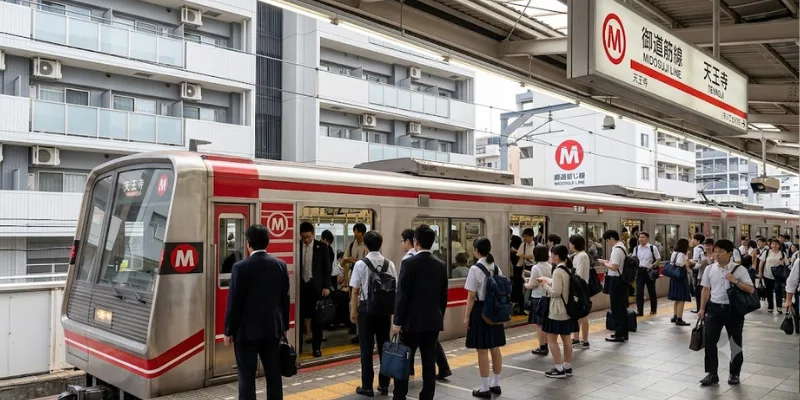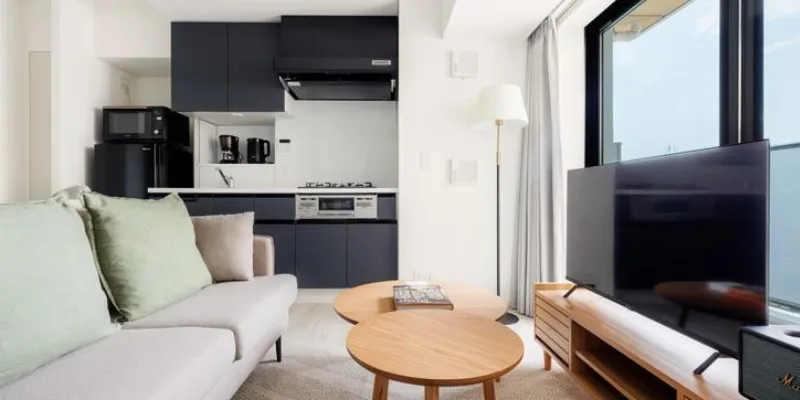

The landscape of the Japanese real estate market is undergoing a significant transformation. For decades, tenants seeking apartments in Japan often had to compromise on thermal comfort, energy efficiency, and technological integration. However, the emergence of Next-Generation Rental Housing, led by innovators like Sekisui House and its “Sha Maison” brand, is redefining these standards. This evolution moves beyond simple shelter, offering a sophisticated fusion of environmental performance and advanced technology.
Understanding the Concept of Next-Generation Rental Housing
Next-Generation Rental Housing refers to residential properties that integrate Net Zero Energy House (ZEH) standards with Internet of Things (IoT) capabilities. Unlike traditional structures, these buildings focus on self-sufficiency and high-level automation to enhance the tenant’s quality of life. This shift is particularly relevant for those looking for an apartment for rent Japan who prioritize sustainability without sacrificing modern convenience.
The core philosophy of this housing model rests on two pillars: environmental responsibility and seamless connectivity. By utilizing high-performance insulation and renewable energy sources, these homes reduce carbon footprints while simultaneously lowering operational costs for the occupant. This is a departure from the traditional “scrap and build” mentality, moving toward long-term value and high-performance living environments that rival luxury custom-built detached houses.
The Evolution of the Rental Market in Tokyo
When searching for apartments in Tokyo Japan, many international residents are surprised by the lack of central heating and the reliance on individual room units. Traditional Japanese construction often prioritized ventilation to combat summer humidity, which frequently resulted in poorly insulated interiors during the winter months. Next-Generation Rental Housing solves this historical dilemma by employing advanced airtight construction techniques and triple-pane glazing.
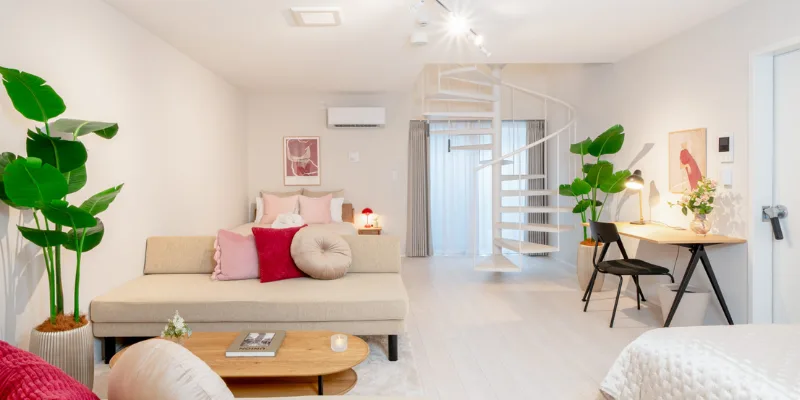
The Technical Superiority of ZEH Standards
The ZEH (Net Zero Energy House) certification is a prestigious designation for buildings that neutralize their energy consumption. In the context of japan tokyo apartment rent, where utility costs can be volatile due to global energy shifts, ZEH-compliant housing provides a stable and economical solution.
Unmatched Thermal Insulation and Comfort
One of the primary requirements for ZEH certification is exceptional insulation. High-quality materials ensure that the interior temperature remains consistent regardless of the external weather conditions. This prevents the “heat shock” phenomenon often experienced in older Japanese buildings during winter.
For example, a ZEH-standard apartment maintains a stable floor temperature of approximately 20°C even when the outside air drops to 0°C. This consistency is achieved through high-performance urethane foam insulation and Argon-filled windows, which act as a thermal barrier.
Energy Autonomy and Financial Benefits
These properties are equipped with sophisticated solar power generation systems. Tenants can use the electricity produced by solar panels for daily needs such as air conditioning, water heating, and lighting. Furthermore, any surplus energy can be sold back to the power company, providing a unique financial incentive for renters.
Consider the following financial advantages:
- Monthly Savings: A typical household can reduce its monthly electricity bill by 60% to 80% through self-consumption of solar energy.
- Revenue Generation: During the sunny months of May and October, a tenant might generate a surplus of 150 kWh, which can be sold to the grid for a direct cash credit.
- Tax Incentives: Many municipalities offer subsidies or tax breaks for buildings that meet high-level green certifications, which indirectly keeps management fees competitive.
Emergency Power Supply and Resilience
Safety is a critical factor when searching for a japan tokyo apartment rent. In the event of a power outage caused by an earthquake or typhoon, ZEH apartments provide access to emergency outlets that can supply up to 1500W of electricity during daylight hours. This allows residents to charge essential devices, run a refrigerator, or operate medical equipment even when the local grid is down.
The Role of IoT in Modern Japanese Living
The integration of IoT (Internet of Things) transforms a standard living space into a “Smart Home.” For international residents, these features provide an added layer of security and management that was previously unavailable in the rental market.
Remote Access and Security
IoT-enabled apartments allow tenants to control door locks via smartphone applications. This feature eliminates the anxiety associated with forgetting to lock the door and allows for the issuance of temporary digital keys for guests or delivery services.
If a resident realizes they forgot to lock the front door while they are already on the Yamanote Line, they can simply check the status on their phone and engage the deadbolt with a single tap. This level of control is standard in Next-Generation Rental Housing.
Climate and Appliance Control
Residents can operate air conditioners and water heaters remotely. This ensures that the home is at an ideal temperature upon arrival. For pet owners, the ability to monitor and adjust the room temperature from an office or a remote location is an invaluable benefit for the well-being of their animals.
The synergy between ZEH and IoT is profound. High insulation ensures that pre-cooled or pre-heated air stays inside the apartment longer, making remote climate control highly efficient and cost-effective. You no longer have to leave the AC running all day just to come home to a cool room; you can turn it on 15 minutes before you arrive if the apartment is well-insulated.
Practical Examples of Next-Generation Living Benefits
To truly understand why one should choose an apartment for rent Japan with these features, we must look at real-world applications. Next-Generation Rental Housing caters to diverse lifestyles by solving specific pain points.
1. The Single Professional in the City
A 28-year-old male software engineer living in an apartment for rent Japan often works irregular hours. With IoT integration, his home adapts to his schedule. His lights gradually brighten at 7:00 AM to simulate a natural sunrise, and his bath begins filling automatically when he leaves his office at 8:00 PM.
Because his building is ZEH-certified, he does not hesitate to use the air conditioning during the brutal Tokyo August. His solar panels cover the bulk of his daytime usage, and his high-spec insulation keeps the cool air trapped inside, resulting in a utility bill that is 40% lower than his previous conventional apartment.
2. The International Working Couple
A couple in their 30s living in a japan tokyo apartment rent values security and peace of mind. Since both travel frequently for business, they utilize the remote monitoring features of their IoT system. They receive notifications if a window is opened or if a delivery person arrives at the door.
Furthermore, the “Selling Power” aspect of ZEH provides them with a passive income stream. While they are away on a two-week trip to Europe, their solar panels continue to generate electricity, which is sold back to the grid. They return home not to a massive bill, but to a credit on their account.
3. The Family with Pets and Children
For a family residing in apartments in Tokyo Japan, health is the top priority. The “Sha Maison” ZEH models utilize high-grade ventilation systems that filter out PM2.5 pollutants and pollen, which is a major concern during the Japanese spring.
The parents can monitor the nursery’s temperature from their smartphones, ensuring the baby is comfortable without having to enter the room and risk waking them. Additionally, the children become “energy-literate” by watching the real-time energy monitor in the living room, seeing exactly how much power the sun provides to their PlayStation or the kitchen stove.
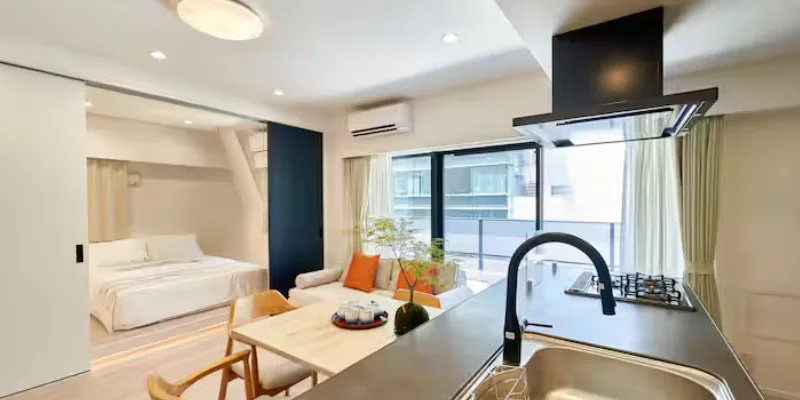
ARealty: Your Premier Partner for High-Performance Living
Finding the right apartments in Japan requires more than just a search engine; it requires a partner who understands the intersection of luxury and technology. ARealty is a specialized real estate firm dedicated to the international community, focusing exclusively on high-specification properties that define the Next-Generation Rental Housing movement.
We recognize that for foreigners, the “Rei-kin” (key money) and “Shiki-kin” (deposit) system can be confusing. ARealty streamlines this process by offering transparent, English-language support for the most advanced buildings in the city. Whether you are looking for apartments in Tokyo Japan with panoramic views or a quiet ZEH-certified oasis in the suburbs, our agents provide the expertise you need.
If you value a lifestyle where technology serves your comfort and the environment, ARealty is your gateway to the best the Japanese market has to offer. We bridge the gap between local landlords and global tenants, ensuring that your transition into a smart home is seamless and professional.
Are you ready to experience the future of urban living? Contact ARealty today to receive a curated list of available Next-Generation Rental Housing units in Tokyo’s most sought-after neighborhoods.
Why Next-Generation Housing is Essential for Expats
Navigating the market for apartments in Japan can be challenging for foreigners due to varying building ages and maintenance standards. Choosing Next-Generation Rental Housing ensures a “house-level” quality of life within a rental framework.
1. Superior Sound Insulation
One of the most common complaints among those who rent apartments in Tokyo Japan is the thinness of the walls. Next-generation buildings like Sha Maison utilize “Shaidd 55” or similar high-performance floor impact sound insulation systems. This reduces the transmission of footsteps and furniture movement by approximately 50% compared to standard apartments, which is vital for maintaining good neighborly relations in dense urban areas.
2. Health and Longevity
Poorly insulated homes contribute to respiratory issues and cardiovascular strain. By maintaining a constant temperature of at least 18°C throughout the year, ZEH apartments significantly reduce the risk of mold growth and condensation, which are prevalent issues in traditional Japanese rentals. This creates a healthier environment for families and individuals alike.
3. Future-Proofing Your Lifestyle
As Japan moves toward its goal of carbon neutrality by 2050, regulations regarding building efficiency will become stricter. By choosing an apartment for rent Japan that already meets these future standards, you are ensuring that your home remains at the forefront of the market, retaining its value and desirability.
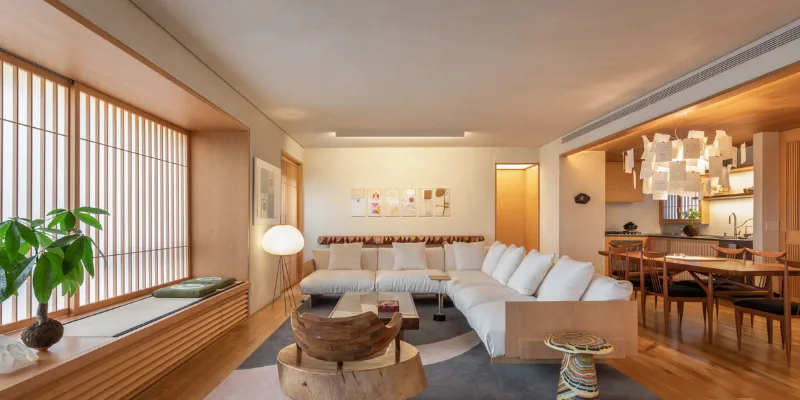
The New Value Proposition: From “Enduring” to “Enjoying”
The traditional mindset that “renting means compromising on quality” is becoming obsolete. Next-Generation Rental Housing introduces a new set of values that are reshaping the industry:
- Financial Empowerment through Selling Power: The concept of earning money from your rental unit’s roof is a revolutionary shift in the tenant-landlord relationship.
- A “No-Sacrifice” Comfort Policy: Living in a space where you do not have to “endure” the cold or heat to save money allows for higher productivity and better rest.
- Absolute Control through IoT: Having total control over your living environment from anywhere in the world provides a level of freedom previously reserved for luxury homeowners.
- Environmental Stewardship: Turning energy conservation into an engaging and visible part of daily life makes sustainable living accessible and rewarding.
These advancements represent a significant leap forward. For anyone currently browsing for apartments in Japan, prioritizing these features is no longer a luxury—it is a smart investment in one’s health, finances, and overall well-being. The integration of technology and ecology is not just a trend; it is the new baseline for quality living in the 21st century.
As Tokyo and other major cities continue to modernize, the demand for japan tokyo apartment rent options that include these technologies will only increase. By choosing a “Sha Maison” ZEH or a similar IoT-integrated property through a trusted partner like ARealty, you are not just renting an apartment; you are choosing a partner for a smarter, richer, and more sustainable lifestyle.
Conclusion
The evolution of the Japanese rental market has reached a pivotal turning point where sustainability and technology are no longer optional luxuries. By choosing Next-Generation Rental Housing, you transition from merely enduring a space to truly enjoying a high-performance environment that adapts to your lifestyle. These apartments in Japan offer a rare combination of financial savings through ZEH energy production and effortless control via integrated IoT systems. Whether you are a professional or a family, investing in a smart, well-insulated home is a direct investment in your long-term health and daily comfort.
ARealty is your dedicated partner in securing these advanced properties, providing expert guidance for the international community seeking an apartment for rent Japan. We bridge the gap between traditional Japanese real estate and the modern expectations of global tenants. Our team ensures that your move into a ZEH-certified or IoT-enabled home in Tokyo is seamless, transparent, and professionally managed.
Contact ARealty today to discover how our Next-Generation Rental Housing listings can redefine your living standards in Japan.

Real estate advisor at Arealty Japan, specialising in helping foreign residents navigate the Tokyo and Osaka rental markets. Lucy has guided hundreds of international renters — from Working Holiday visa holders to corporate relocations — through Japan’s apartment application process. Her writing draws on firsthand experience with landlord screening, guarantor companies, and foreigner-friendly listings across all 23 Tokyo wards and major Kansai cities.