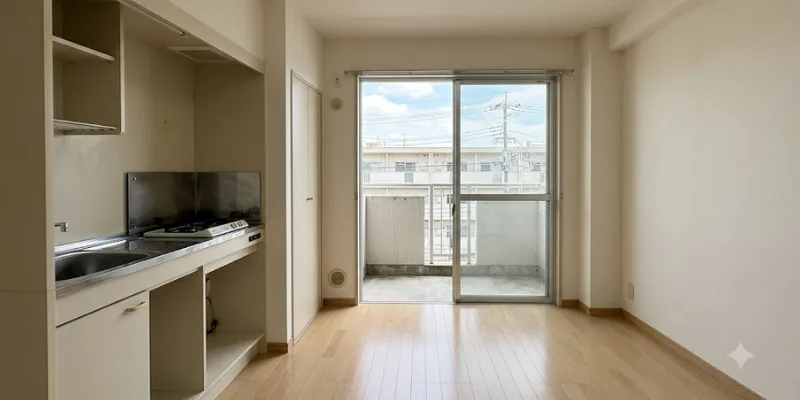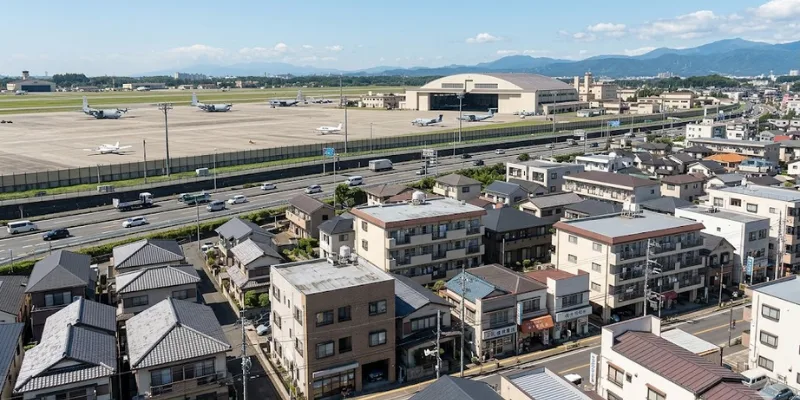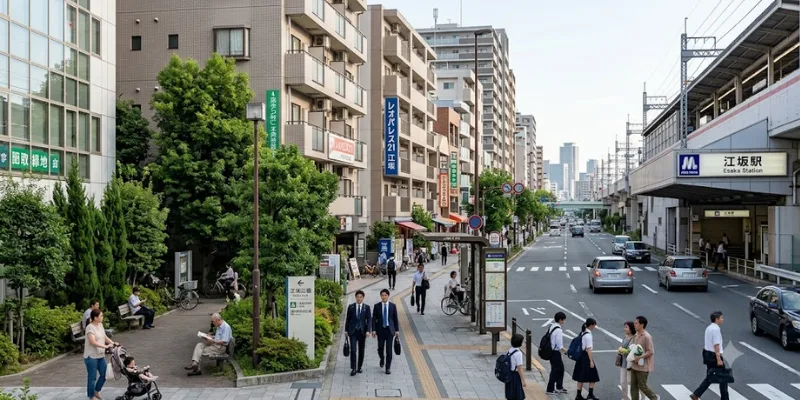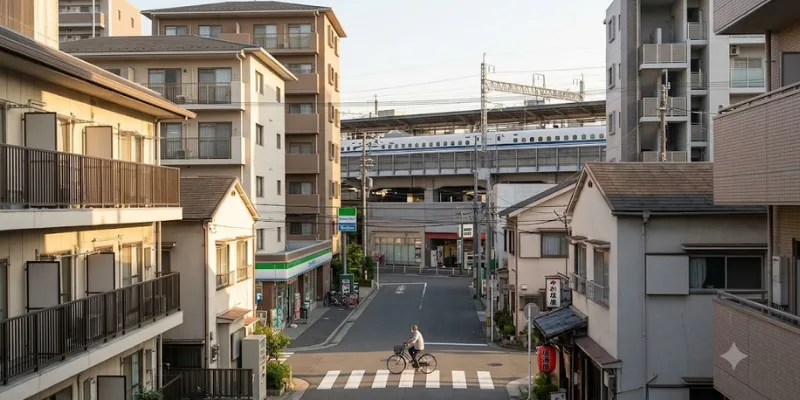

Navigating the Japanese real estate market is often described by expatriates as a journey through a landscape of extreme precision, cultural nuances, and rigid legal frameworks. Whether you are an international investor looking to secure a high-yield asset in the heart of Tokyo or a professional seeking a high-quality residence, understanding the mechanics of Rental Property Management is the cornerstone of a successful experience.
In Japan, real estate is not just about the physical space; it is about the “harmony” (Wa) of the community and the meticulous preservation of the asset. The sector is highly regulated, providing significant protection for both owners and residents. However, this protection comes with a set of rules and costs that can often seem opaque to those unfamiliar with the local system. This guide aims to demystify the management process, explore the various types of apartments available, and provide a deep dive into the technical and financial aspects of property stewardship.
The Fundamentals of Rental Property Management
At its core, Rental Property Management in Japan is the professional oversight of residential or commercial properties by a licensed third party. Unlike some western markets where landlords might manage properties informally, the Japanese system heavily favors professional management firms to ensure that buildings meet strict safety and cleanliness standards.
Professional Risk Mitigation
The primary benefit of professional management is risk mitigation. Japan is a country defined by its geography—earthquakes, typhoons, and high humidity are constant factors. Professional managers handle:
- Routine Maintenance: Scheduling inspections for fire alarm systems, water tanks, and elevator safety.
- Tenant Screening: A rigorous process involving background checks and financial stability verification to ensure reliable occupancy.
- Contractual Compliance: Managing the complex renewal processes under the Japanese Act on Land and Building Leases, which is notoriously protective of tenant rights.
The Management Company as a Bridge
Management firms act as the essential intermediary. In a culture where direct confrontation is often avoided, having a professional third party to handle disputes, repair requests, or late payments is invaluable. This structural efficiency is why professional oversight is considered mandatory for any high-value portfolio or high-density residential building.
The “Management Fee” (Kanri-hi): Why Pay 3,000–7,000 JPY Monthly?
A recurring point of confusion for foreigners is the monthly Management Fee (Kanri-hi). Many tenants ask: “I already pay a high rent, why do I have to pay an additional 5,000 Yen every month? What is the company actually doing?”
To the untrained eye, it might seem like a “hidden tax,” but in reality, this fee is the lifeblood of the building’s operational quality. Here is a breakdown of what those 3 to 7 “sen” (thousand) Yen actually provide:
Common Area Maintenance (CAM)
Japanese apartments are famous for their cleanliness. The management fee pays for professional cleaning crews who scrub the hallways, polish the entrance glass, and sweep the parking lots weekly or even daily. It covers the electricity for the hallway lights, the operation of the elevator, and the maintenance of the “Auto-lock” security gates.
Waste Management & Hygiene
Japan has some of the most complex trash disposal laws in the world. Management companies oversee the “Gomi-okiba” (trash collection point). They ensure residents follow the rules for burnable, non-burnable, and recyclable items. Without this oversight, trash areas would quickly become unhygienic, leading to pests and neighborhood complaints.
24/7 Emergency Support & Logistics
If a water pipe bursts at 2:00 AM on a Sunday, a managed property provides a dedicated hotline. The management company maintains a network of pre-approved contractors who can be dispatched immediately. If you were managing the property yourself or living in an unmanaged building, you would face exorbitant “emergency call-out” fees and the difficulty of finding a bilingual contractor on short notice.
Preventive Technical Stewardship
A portion of these fees is often set aside or used for the upkeep of shared infrastructure:
- Water Tank Cleaning: Ensuring the building’s water supply remains potable and free of bacteria.
- Internet Infrastructure: Maintaining the fiber-optic lines and routers that provide building-wide Wi-Fi.
- Security Surveillance: Monitoring and maintaining the CCTV systems that contribute to Japan’s status as one of the world’s safest places to live.
Exploring the Apartment Market: Mansion vs. Apato
When searching for an apartment for rent in Japan, you will encounter two primary categories. The management requirements and fees vary significantly between them.
Mansion-type Apartments
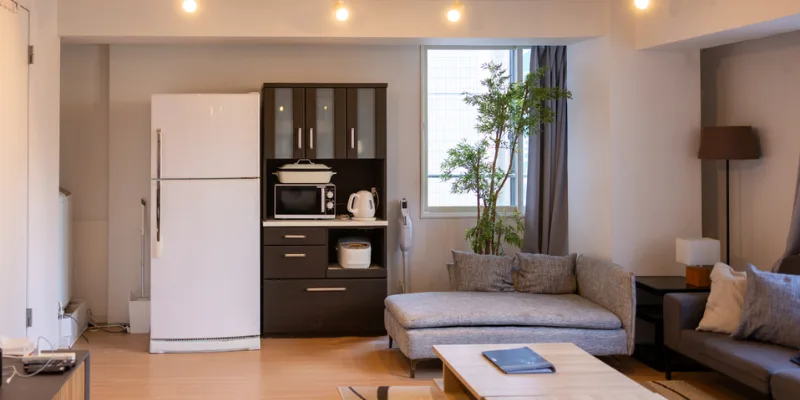
“Mansions” are high-quality buildings usually constructed with Reinforced Concrete (RC) or Steel-Reinforced Concrete (SRC).
- Features: Superior soundproofing, high seismic resistance, and modern amenities like delivery lockers (Takkyubin Box) and 24-hour trash rooms.
- Management: Highly professional. You will often see a “Kanrin-nin” (on-site manager) during the day.
- Fees: Typically higher (5,000–15,000 JPY) because of the complexity of the elevators and security systems.
Apartment-type Units (Apato)
“Apatos” are typically two-story buildings made of wood or lightweight steel.
- Features: More affordable, often located in quiet residential zones.
- Management: Usually managed remotely. There is no on-site staff, and common areas are simpler.
- Fees: Lower (2,000–5,000 JPY). While cheaper, tenants may have to take more responsibility for their own trash and minor unit maintenance.
Strategic Locations: The Tokyo Market
The demand for apartments in Tokyo, Japan remains the highest in the nation. For an investor, Tokyo is a “safe haven”; for a tenant, it is a logistical marvel. However, location dictates the premium and the management style.
The 10-Minute Rule
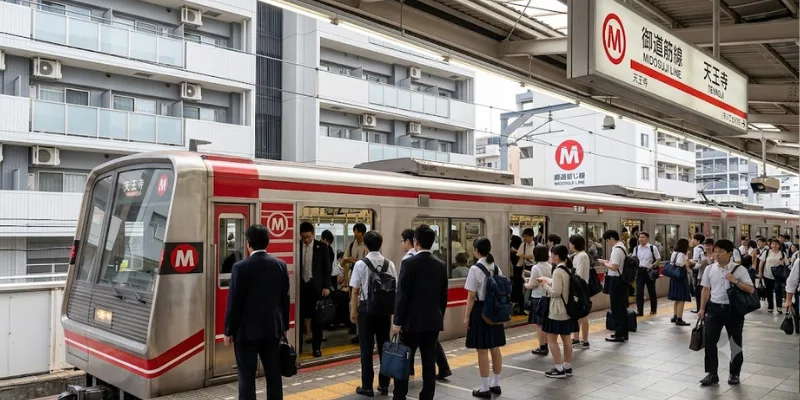
In Tokyo, property value is measured by the distance to the nearest train station. Any property within a 10-minute walk of a major line (like the Yamanote or Chuo lines) commands a significant premium. Management companies in these areas focus heavily on “tenant turnover efficiency”—ensuring that when one tenant leaves, the unit is cleaned, repaired, and re-listed within days to minimize vacancy loss.
Emerging Districts
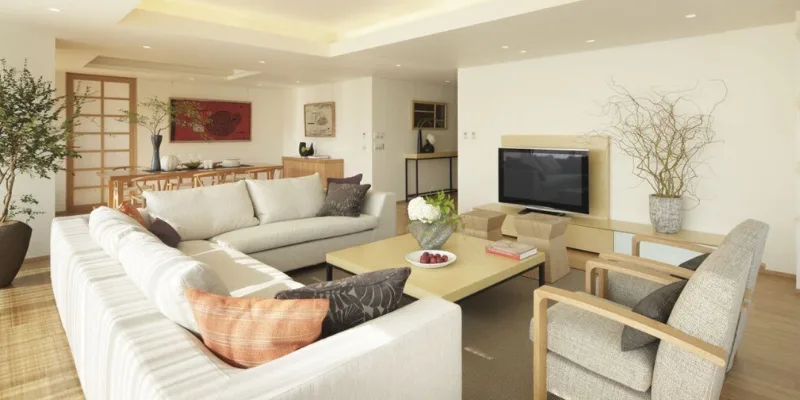
Districts like Minato, Shibuya, and Chiyoda represent the “Platinum” tier of management. Here, management fees are higher because they often include concierge services, gym maintenance, and bilingual support staff to cater to the high concentration of foreign executives and diplomats.
Technical Aspects of Property Stewardship
Beyond basic rent collection, professional management involves high-level technical oversight. Japan’s building codes are among the strictest in the world due to the constant threat of earthquakes.
Seismic Resilience Checks
Professional managers coordinate with structural engineers to ensure buildings meet the Shin-Taishin (New Earthquake Resistance) standards established in 1981. This is vital for long-term investment. If a building does not meet these standards, the management firm will often lead the initiative to perform seismic retrofitting.
Utility & HVAC Optimization
Modern management utilizes IoT (Internet of Things) to monitor HVAC and water heating systems. By optimizing these systems, management firms reduce operational overhead, which can lower the utility burden for tenants—making the property more attractive in a competitive market.
Insurance Optimization
Japan requires specific insurance policies:
- Fire Insurance: Mandatory for almost all leases.
- Earthquake Insurance: A separate policy that is highly recommended for owners. Professional managers ensure that coverage is always up to date and reflects the current replacement value of the asset.
The Legal Environment for Renters
For a foreigner, the legal side of renting can feel like a labyrinth. Understanding these terms is essential to avoid “sticker shock” during the signing process.
The Upfront Costs
- Shikikin (Security Deposit): Usually 1–2 months’ rent. It is used to cover repairs when you move out.
- Reikin (Key Money): A traditional “gratitude” payment to the landlord. It is non-refundable.
- Guarantor Fee: Most foreigners do not have a Japanese relative to act as a guarantor. Therefore, you must pay a Guarantor Company (typically 50% to 100% of one month’s rent) to vouch for you.
The Role of the Management Company in Move-Outs
One of the most contentious times is the “Taikyo” (move-out) inspection. In a professionally managed property, the manager follows strict guidelines on what constitutes “natural wear and tear” versus “tenant damage.” This prevents landlords from unfairly withholding security deposits—a major protection for foreign tenants who might not know their rights.
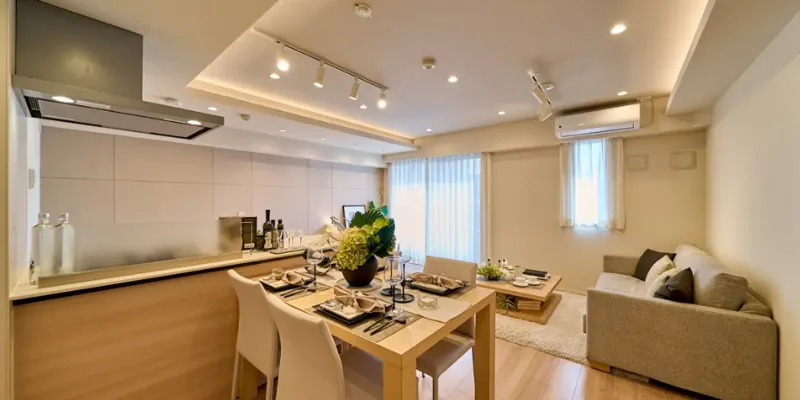
Why Arealty is the Preferred Choice for Foreigners
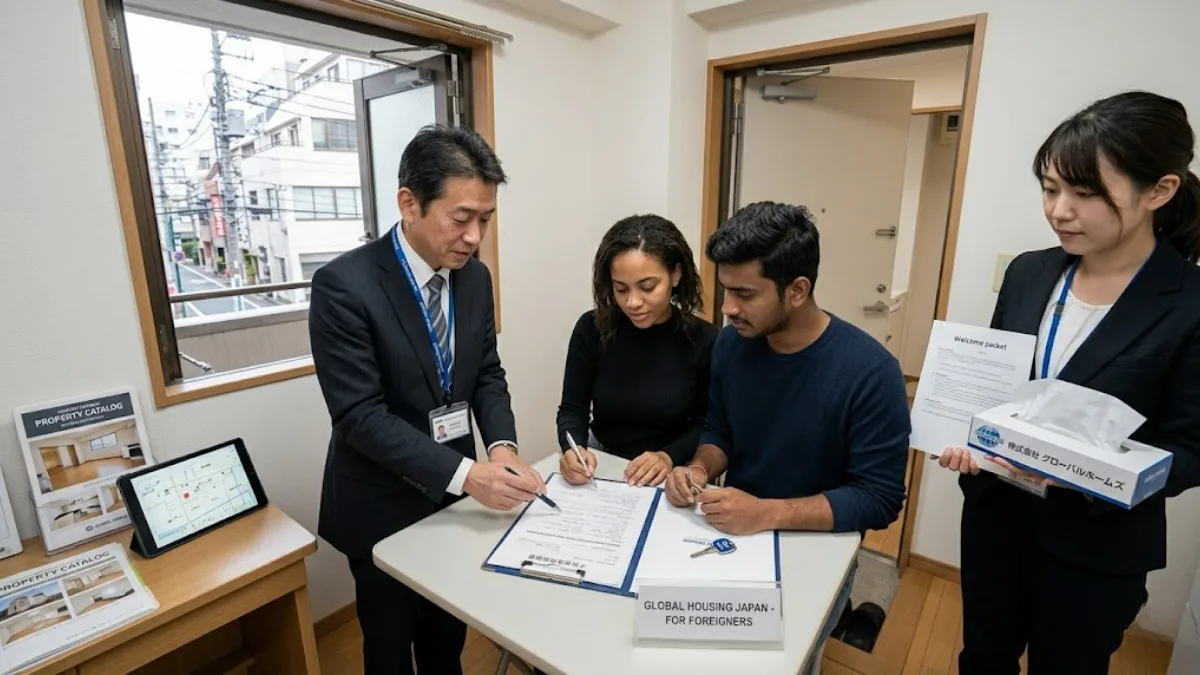
When discussing effective management, Arealty stands out as a professional entity dedicated to bridging the gap between foreign residents and the local housing market. Arealty provides essential support, ensuring that the transition into a new living space is seamless and legally sound.
Bilingual Support and Documentation
The biggest barrier in Japan is the language. Arealty provides bilingual contracts and explanations, ensuring that you aren’t signing away your rights in a language you don’t fully understand.
Maintenance Coordination
Arealty acts as the primary contact for all technical issues. Whether it is a broken air conditioner in the humid Japanese summer or a plumbing leak, their team ensures that qualified contractors resolve the issue promptly, often acting as a translator between the technician and the tenant.
Cultural Orientation
Arealty doesn’t just hand you the keys. They help expatriates understand local customs, such as:
- Aisatsu: The tradition of introducing yourself to neighbors.
- Noise Etiquette: Understanding that Japanese walls can be thin and maintaining “Soji” (quiet hours).
- Trash Protocols: A deep dive into the specific calendar for your ward.
Benefits of Professional Management: The Long-Term View
The integration of professional Rental Property Management provides long-term stability that far outweighs the costs of service fees.
For the Property Owner
- Financial Accuracy: Transparent monthly reports detailing income, expenses, and withholding tax (Gensen Choshu).
- Asset Appreciation: A well-managed building ages slower. Regular painting and structural care ensure the property retains its value over 20–30 years.
- Legal Protection: Management firms stay updated on the latest changes to the Land and Building Lease Act, protecting owners from costly litigation.
For the Tenant
- Quality of Life: Knowing that the elevator will work, the hallways will be clean, and the water will be hot.
- Stability: Professional managers provide a layer of bureaucracy that actually protects the tenant from the “whims” of an individual landlord.
Navigating Risks in the Japanese Market
While the market is stable, it is not without risk. Professional management is the best defense against:
- Vacancy Gaps: Managers use extensive networks to find new tenants before the old ones move out.
- Structural Aging: Identifying “Leaking Pipes” or “Cracked Concrete” before they become catastrophic failures.
- Natural Disasters: Having an emergency response plan in place for earthquakes or typhoons.
Steps to Success in Japanese Real Estate
To achieve success, whether as an investor or a resident, you must approach the market as a long-term partnership.
- Define your objectives: Are you prioritizing a low monthly cost or a high-amenity lifestyle?
- Conduct thorough research: Understand the specific ward (Ku) you are moving into. Each has its own rules and vibes.
- Engage professionals: Do not try to navigate the Japanese legal and social landscape alone. Partner with firms like Arealty to manage the complexities of the market.
Conclusion
Successfully navigating the Japanese real estate market requires a blend of local expertise, cultural respect, and strategic planning. By prioritizing professional management and understanding the value of the Kanri-hi, you are not just paying for a service—you are investing in the longevity of your asset and the quality of your daily life.
Engaging with experienced partners like Arealty allows for seamless operations in this sophisticated and highly regulated housing environment. Taking a proactive approach today will safeguard your property investments and your peace of mind for years to come.

Real estate advisor at Arealty Japan, specialising in helping foreign residents navigate the Tokyo and Osaka rental markets. Lucy has guided hundreds of international renters — from Working Holiday visa holders to corporate relocations — through Japan’s apartment application process. Her writing draws on firsthand experience with landlord screening, guarantor companies, and foreigner-friendly listings across all 23 Tokyo wards and major Kansai cities.