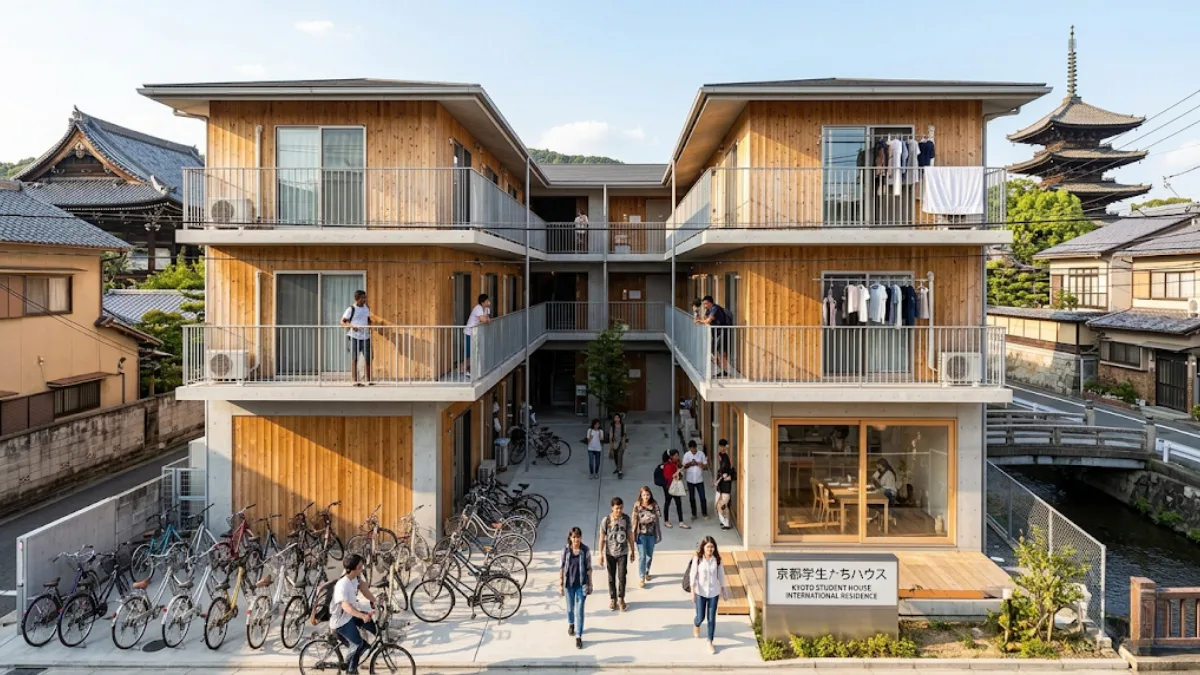

Embarking on an academic journey in Japan is an exhilarating chapter of life, but securing a place to live is the first major hurdle every scholar must clear. For those moving to a city steeped in history like Kyoto, the process involves navigating centuries-old traditions alongside modern legal requirements. This Kyoto student accommodation guide is designed to provide you with the professional clarity needed to secure apartments in Japan with confidence and ease.
Understanding the Japanese rental landscape is not merely about finding a room; it is about comprehending a cultural system of mutual respect and financial security. Whether you are looking for a compact studio or a shared house, the following insights will ensure you are fully prepared for the unique administrative journey ahead.
Decoding the Financial Structure of Apartments in Japan
When you begin searching for an apartment for rent Japan, the initial costs can be surprising if you are accustomed to Western leasing models. In Japan, moving into a new home typically requires an upfront payment equal to four to six months of rent. This is due to several specific fees that serve different purposes in the Japanese real estate economy.
Understanding Shiki-kin and Rei-kin
The most significant components of your initial budget will be Shiki-kin and Rei-kin. These terms are fundamental to the Kyoto student accommodation guide and must be budgeted for well in advance.
- Shiki-kin (Security Deposit): This is a sum of money, usually one to two months’ rent, held by the landlord to cover potential damages or unpaid rent. If you maintain the apartment well, this amount is generally returned to you after cleaning fees are deducted upon move-out.
- Rei-kin (Key Money): Literally translated as “gratitude money,” this is a non-refundable payment made to the landlord as a gesture of thanks for allowing you to lease the property. While some modern apartments in Tokyo Japan have begun to waive this fee, Kyoto remains a city of tradition where Rei-kin is still a standard expectation.
- Agency Fee (Chukai-tesuryo): This is the commission paid to the real estate agency for their services in finding the property and handling the paperwork. By law, this is capped at 1.1 months of rent (including tax).
Maintenance and Insurance Costs
Beyond the rent, students must account for recurring monthly fees and one-time insurance payments.
- Kanri-hi (Common Area Fee): This covers the electricity for hallways, elevator maintenance, and trash collection services.
- Kasai Hoken (Fire Insurance): This is mandatory for almost all apartments in Japan. It usually costs between ¥15,000 and ¥20,000 for a two-year contract and protects you against fire, water leaks, and accidental damage to the building.
Navigating the Guarantor System for International Students
One of the most complex aspects of renting apartments in Japan is the requirement for a guarantor (Hoshonin). In the Japanese context, a guarantor is a person who legally agrees to cover your financial obligations—such as rent or repair costs—if you are unable to pay.
Why the System is Challenging
Traditionally, landlords require the guarantor to be a Japanese national with a stable income. For international students, finding a local resident willing to take on such a heavy legal responsibility is often impossible. This is where the guarantor company (Hosho Kaisha) becomes an essential service.
Utilizing a Guarantor Company
If you cannot provide a Japanese guarantor, you will likely be required to pay a fee to a specialized company that acts as your legal backer.
- Initial Fee: Usually 50% to 100% of one month’s total rent.
- Annual Renewal Fee: Approximately ¥10,000 to ¥20,000 per year to maintain the guarantee.
Many universities in Kyoto, such as Kyoto University or Doshisha, offer advice on which guarantor companies are most compatible with their student body. Choosing an agency that understands these “international student-friendly” workarounds is vital for a stress-free application process.
Kyoto vs. Tokyo: A Comparative Rental Analysis
For many students, the choice between studying in the capital or the cultural heart of Japan comes down to cost. When comparing Japan Tokyo apartment rent to Kyoto, the differences in value and space are stark.
Rent and Space Comparison
| Feature | Kyoto Student Housing | Japan Tokyo Apartment Rent |
| Average Monthly Rent | ¥45,000 – ¥65,000 | ¥85,000 – ¥130,000 |
| Typical Size (1K/1DR) | 20m² – 28m² | 14m² – 20m² |
| Commute Style | Bicycle or Subway | Train and Long Walks |
| Key Money Prevalence | Very High | Moderate/Negotiable |
While apartments in Tokyo Japan offer the excitement of a global metropolis, Kyoto provides a much higher quality of life for a lower price point. In Kyoto, a student budget often allows for a larger room with a separate kitchen, whereas the same price in Tokyo might only secure a “micro-apartment.”
Identifying Student-Friendly Neighborhoods in Kyoto
Kyoto is divided into several wards (ku), each with its own character. Selecting the right area is a core component of this Kyoto student accommodation guide, as it affects your commute, grocery costs, and social life.
Sakyo-ku: The Academic Hub
Home to Kyoto University, this ward is the primary destination for international scholars.
- Atmosphere: Very student-oriented with numerous cheap cafes and second-hand shops.
- Accessibility: Excellent bicycle paths along the Kamo River.
- Accommodation Type: A high concentration of apartments in Japan specifically designed for single students.
Kamigyo-ku and Nakagyo-ku: The Heart of the City
These areas are closer to the city center and major shopping districts like Kawaramachi.
- Atmosphere: A mix of traditional machiya houses and modern apartment blocks.
- Infrastructure: Close to the Karasuma Subway line, providing fast access to the south and north of the city.
- Cost: Slightly higher than the outskirts, but convenient for those who enjoy city life.
Kita-ku: Peace and Tradition
Located near Ritsumeikan University and the Kinkaku-ji temple.
- Atmosphere: Quiet, residential, and green.
- Benefit: Often features more affordable apartment for rent Japan options because it is further from the city center.
The Evolution of “International Student Friendly” Housing
In the past, many Japanese landlords were hesitant to rent to foreigners due to language barriers or differences in lifestyle customs. However, the landscape is changing. Modern real estate agencies are now curating specific lists of “foreigner-friendly” properties to streamline the search.
Furnished vs. Unfurnished Options
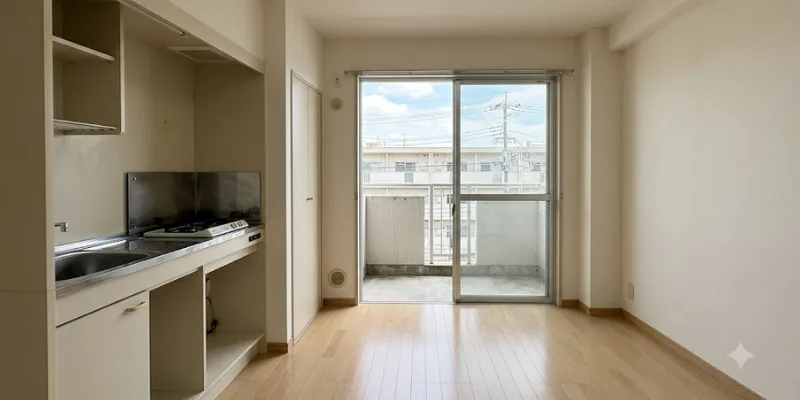
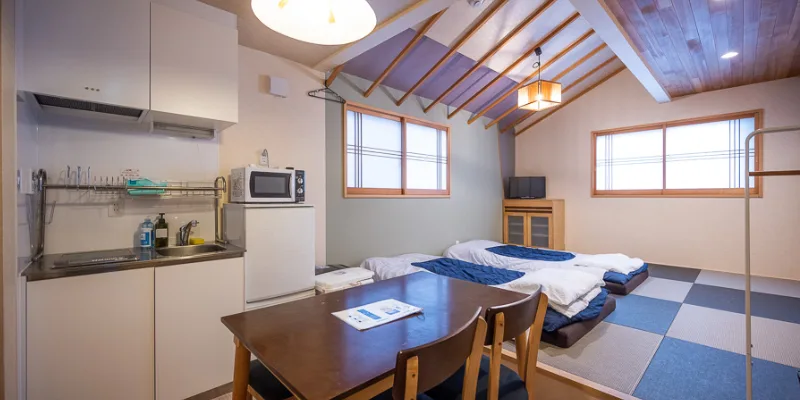
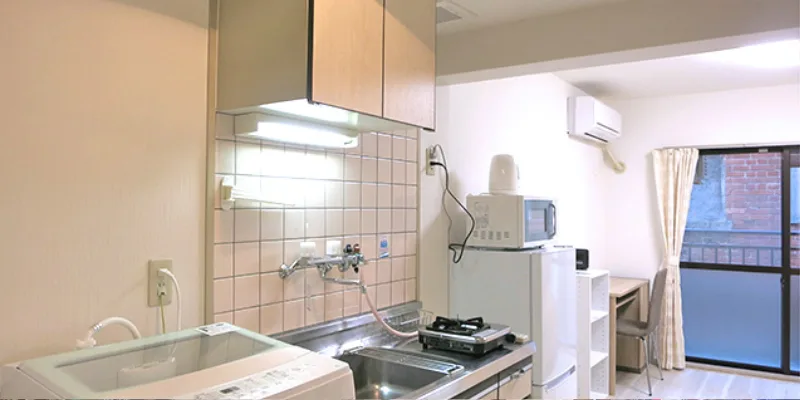
Most apartments in Japan are rented completely empty—no fridge, no washing machine, and sometimes no ceiling lights.
- Unfurnished: Cheaper monthly rent, but requires a high initial investment in appliances.
- Furnished: Higher monthly rent, but ideal for students staying for only one or two years.
- Example Facilities: Many modern student buildings now include shared “Laundry Rooms” or “Study Lounges” to foster community.
Professional Guidance with Arealty
Navigating these complexities alone is a recipe for frustration. This is why working with a specialized partner like Arealty is the most effective strategy for any student moving to Kyoto.
Arealty is strategically located right next to Kyoto University, placing them at the center of the international student community. They understand that international students face unique hurdles, such as communicating from overseas or lacking a Japanese bank account initially.
Why Choose Arealty?
- Multilingual Expertise: With staff fluent in English and Chinese, you can discuss legal contract terms in your native language, ensuring no hidden surprises.
- Remote Processing: They offer comprehensive online services, allowing you to view properties via video tours and sign documents digitally before you even land in Japan.
- Negotiation Power: Because of their long-standing relationships with Kyoto landlords, they can often negotiate for “No Key Money” options or request that a landlord provides basic furniture for a new student.
- Certified Notaries: Having a national real estate notary like Ms. Fang Li on staff means your contract is handled with the highest level of legal professionalism.
Are you ready to find your perfect home in the heart of Japan’s cultural capital? Contact Arealty today to explore our exclusive student listings and secure your accommodation with the help of Kyoto’s most trusted international team!
Essential Rules for Living in Japanese Apartments
Securing the keys is only the beginning. To thrive in your new home, you must respect the local customs (Reigi) that govern apartment living in Japan.
Noise Etiquette and Social Harmony
Japanese society places a high value on Wa (harmony).
- Example 1: Avoid using a washing machine or vacuum cleaner after 9:00 PM.
- Example 2: When walking in your apartment, be mindful of “heel-walking” if you live on an upper floor, as sound travels easily through floorboards.
- Example 3: Keep conversations at a moderate volume when hosting guests, as Japanese apartments often have thinner walls than those in Europe or North America.
The Art of Garbage Disposal
Waste management in Japan is a complex system of categorization. Each ward in Kyoto has a specific schedule for different types of trash.
- Burnables: Food waste and paper (usually collected twice a week).
- Recyclables: Cans, glass bottles, and PET bottles (usually collected once a week).
- Oversized Trash: Furniture or electronics, which require a special paid sticker and a scheduled pickup.
Maintenance and Cleaning
Landlords expect the apartment to be returned in the same condition it was received.
- Mold Prevention: Due to Japan’s high humidity, you must regularly use the bathroom ventilation fan and “air out” your futon or mattress.
- Air Conditioner Care: Cleaning the filters every few months will lower your electricity bill and prevent dust buildup.
Practical Infrastructure: What to Look for in a Listing
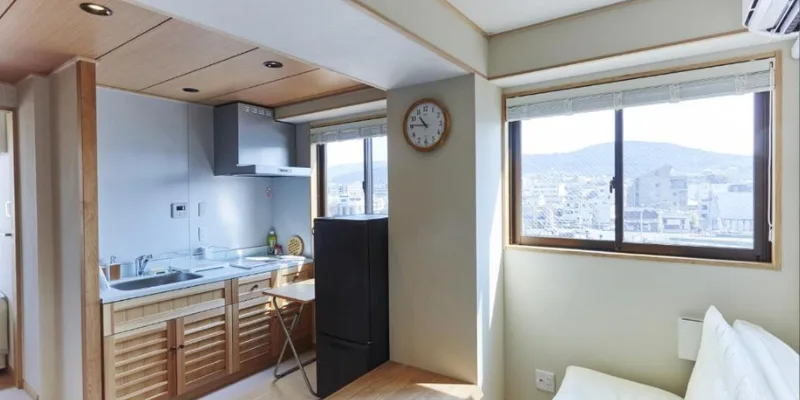
When browsing for apartments in Japan, certain architectural features can drastically improve your quality of life. Ensure your “Kyoto student accommodation guide” checklist includes the following infrastructure examples:
- Bicycle Parking (駐輪場 – Churinjo): In Kyoto, a bike is your primary mode of transport. Ensure the building offers a secure, covered area for your bicycle.
- Auto-lock (オートロック): Buildings with a coded or keyed entry gate provide an extra layer of security, which is highly recommended for students living alone.
- Delivery Lockers (宅配ボックス): These allow couriers to leave packages securely when you are at university, a common feature in modern apartments in Tokyo Japan and Kyoto.
- Fiber-Optic Internet (光ファイバー): Check if the building is “Internet Ready.” If it is not, you may have to wait weeks for an engineer to install a line.
Budgeting for Monthly Utilities
Beyond your rent, you must account for the cost of living. While Kyoto is more affordable than Tokyo, utilities can fluctuate based on the season.
Average Monthly Costs for Students
- Electricity: ¥5,000 – ¥10,000. Costs peak in August (for AC) and February (for heating).
- Gas: ¥3,000 – ¥5,000. Used primarily for heating water and cooking.
- Water: ¥2,000. Often billed every two months at a flat rate of around ¥4,000.
- Internet: ¥3,000 – ¥5,000. Many student-specific buildings now include this in the rent.
Payment Methods
Most utility companies prefer “Automatic Debit” from a Japanese bank account. However, as a new arrival, you can pay your bills at any convenience store (Konbini) by simply handing the paper bill to the cashier.
Conclusion
Securing accommodation in Kyoto is a rite of passage for every international student. It requires patience, financial preparation, and an openness to Japanese customs. By following this Kyoto student accommodation guide, you are not just finding a room; you are setting the stage for a successful and culturally rich education.
The traditional charm of Kyoto—its temples, its seasons, and its academic excellence—awaits you. With the support of experts like Arealty, the transition into your new home will be the smoothest part of your journey.

Real estate advisor at Arealty Japan, specialising in helping foreign residents navigate the Tokyo and Osaka rental markets. Lucy has guided hundreds of international renters — from Working Holiday visa holders to corporate relocations — through Japan’s apartment application process. Her writing draws on firsthand experience with landlord screening, guarantor companies, and foreigner-friendly listings across all 23 Tokyo wards and major Kansai cities.