
Navigating the rental market in Japan can be complex, especially regarding move-out financial obligations. Whether you are looking for an apartment for rent in Japan or specifically searching in Tokyo, understanding the “Restoration to Original State” (Gensho Kaifu) policy is essential. Being prepared for potential Restoration Costs When Moving Out is the best way to protect your security deposit and ensure a smooth transition to your next home.
What are Restoration Costs When Moving Out?
Restoration costs when moving out refer to the expenses required to return a rental property to its original condition, as defined by the Ministry of Land, Infrastructure, Transport and Tourism (MLIT). This principle dictates that tenants are responsible for repairing damages caused by willful neglect, accidents, or usage that exceeds “normal wear and tear.”
These costs primarily ensure that the property remains habitable for the next occupant if the current tenant causes specific deterioration. Importantly, “restoration” does not require the tenant to return the apartment in brand-new condition; instead, the tenant must return the unit in a state that accounts for the building’s natural aging.
The Legal Framework: MLIT Guidelines
The MLIT provides a comprehensive guidebook titled “Guidelines for Restoration to Original State” to prevent disputes between landlords and tenants. While these guidelines are not strictly binding laws, they serve as the primary reference for Japanese courts and real estate agencies.
The most critical factor in determining restoration costs when moving out is the classification of the damage. Tenants are generally not liable for “ordinary wear and tear” or “aging,” as these are considered part of the depreciation already covered by your monthly rent.
- Ordinary Wear and Tear: This includes inevitable changes such as the slight fading of wallpaper due to sunlight, indentations in carpets from heavy furniture, or “electrical burns” (dark streaks) on walls behind a refrigerator.
- Tenant Negligence: This covers avoidable damage such as mold growth due to a failure to ventilate, scratches on the floor from moving furniture without protection, or persistent odors and stains from indoor smoking.
Estimated Restoration Costs for Apartments in Japan
When budgeting for your move, it is helpful to understand the market rates for common cleaning and repair tasks. Costs vary significantly based on the size of your apartment for rent Japan and the duration of your stay.
Average Cleaning Fees by Room Layout
Most rental contracts for apartments in Tokyo Japan include a mandatory professional cleaning fee. Even if you leave the apartment spotless, landlords typically hire professionals to sanitize the space for the next tenant.
| Room Layout | Estimated Cleaning Cost (JPY) |
| 1R / 1K (Studio) | 15,000 – 30,000 |
| 1DK / 1LDK | 20,000 – 40,000 |
| 2DK / 2LDK | 30,000 – 50,000 |
| 3DK / 3LDK | 50,000 – 80,000 |
| 4DK / 4LDK | From 70,000 |
Repair Costs for Specific Items
If you have caused damage beyond normal use, you may be charged for specific restoration costs when moving out based on the following average units:
- Wallpaper (Cross): 1,000 to 1,500 JPY per square meter if there are large holes or significant stains.
- Tatami Mats: 4,000 to 5,000 JPY per mat for surface replacement (omote-gae) if damaged by spills or cigarette burns.
- Flooring: 8,000 to 15,000 JPY for cushion floor repairs if there are deep gouges or chemical stains.
- Key Exchange: 15,000 to 35,000 JPY for standard or high-security lock replacements.
Responsibilities of the Tenant
As a tenant in japan tokyo apartment rent, you have a “Duty of Care” (Zenkan Chuyugimu). This means you must manage the property with the prudence of a reasonable person. Failure to do so will result in higher restoration costs when moving out.
Common Scenarios Involving Tenant Liability
You will likely be charged for repairs if the damage could have been prevented through regular maintenance or caution. Detailed restoration costs when moving out often arise from:
- Indoor Smoking: This causes yellowing of wallpaper and lingering odors that require full replacement of the wall coverings.
- Neglected Mold: Failing to wipe condensation off windows or clean the bathroom vent leads to mold that can rot the window frames or drywall.
- Pet Damage: Even in pet-friendly apartments in Japan, scratches on doors or pillars and pet odors are almost always the tenant’s financial responsibility.
Examples of Repairs Charged to Tenants
To clarify these responsibilities, consider these specific restoration costs when moving out:
- Kitchen Grease: Heavy oil stains on the ventilation fan that were never cleaned during a three-year residency, leading to mechanical failure.
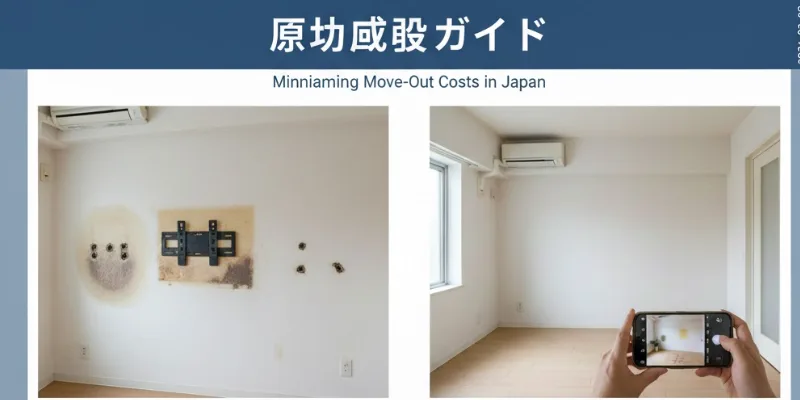
- Wall Holes: Large holes drilled into the wall to mount a television or heavy shelving units without prior written consent from the owner.
- Water Damage: Severe discoloration of the flooring because a window was left open during a summer rainstorm or typhoon.
Responsibilities of the Landlord
The landlord maintains the building’s value and prepares the unit for the next tenant. You do not bear the costs associated with the property’s “natural life cycle” as long as you use the apartment correctly.
Costs Typically Borne by the Landlord
Landlords cover the following restoration costs when moving out to ensure the property remains competitive in the market:
- Natural Fading: Discoloration of flooring, tatami mats, or wallpaper caused by UV rays from the sun over several years.
- Equipment Replacement: Replacing air conditioning units, water heaters, or built-in stoves that have reached the end of their functional lifespan (usually 6–10 years).
- Standard Maintenance: Fixing small pinholes in the wall from thumbtacks or staples used to hang calendars or posters, provided they do not require full board replacement.
Examples of Landlord-Covered Items
To illustrate the landlord’s side of the contract, here are three common examples:
- Furniture Marks: Subtle indentations in the carpet or cushion flooring caused by the weight of a standard wardrobe, bed, or refrigerator.
- External Factors: Damage to the exterior of the building, balcony, or windows caused by natural disasters like typhoons or earthquakes.
- Appliance “Burn”: Slight darkening or “electrical soot” on the wallpaper behind the television or refrigerator due to static electricity and heat.
The Impact of Residency Duration and Depreciation
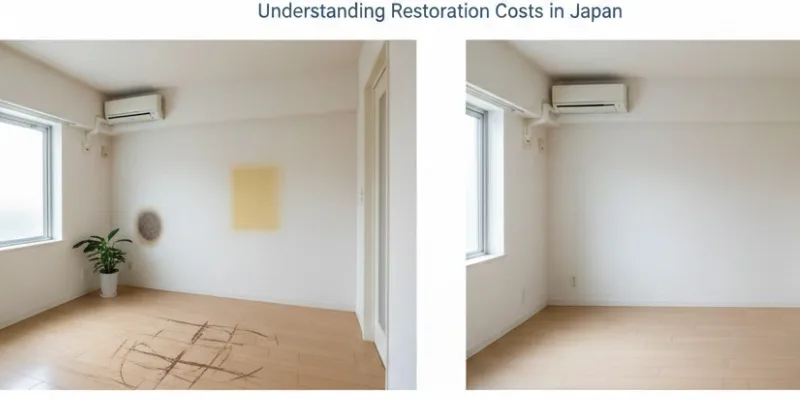
In Japan, the value of many interior items depreciates over time. According to the MLIT, the “economic value” of items like wallpaper or carpets typically reaches 1 JPY after 6 years of use. This is a crucial concept for anyone renting apartments in Tokyo Japan.
If you move out after living in an apartment for 6 years, your liability for wallpaper damage is significantly reduced. Even if you caused a stain, you would only be responsible for a fraction of the replacement cost because the material had already lost its market value through aging.
Depreciation Schedule for Interior Items
- Wallpaper (Cross): Depreciates to nearly zero value over 6 years.
- Carpets and Cushion Flooring: Also follow a 6-year depreciation cycle.
- Tatami Mats and Fusuma: Generally considered “consumables” and do not follow the same depreciation rules; tenants often pay for surface replacement regardless of stay duration.
Specialized Restoration: Offices and Commercial Spaces
If you are renting a commercial space rather than apartments in Japan, the rules for restoration costs when moving out are much stricter. Commercial leases often include a “100% Restoration” clause that overrides standard residential guidelines.
In these contracts, tenants are frequently required to return the property to a “skeleton” state—essentially an empty concrete shell. This includes:
- Removing all custom partitions, ceiling tiles, and electrical wiring installed for the business.
- Repainting all surfaces to the landlord’s original specification, regardless of wear.
- Disposing of all office furniture and waste through certified industrial waste collectors.
ARealty: Your Professional Partner in Japanese Real Estate
When searching for apartments in Japan, having a transparent and professional agency is vital to avoiding hidden fees. ARealty specializes in helping international residents navigate the nuances of restoration costs when moving out and lease negotiations.
Why Choose ARealty?
ARealty provides expert guidance to ensure that your move-out process is as smooth as your move-in. By working with ARealty, you gain access to:
- Pre-contract Transparency: We clearly explain cleaning fee clauses and special “rider” agreements in your contract before you sign, so there are no surprises.
- Documentation Support: We assist in creating move-in inspection reports and photo logs to document existing scratches, protecting you from unfair charges years later.
- Multilingual Assistance: Our team bridges the communication gap between you and the Japanese landlord, ensuring your rights are respected during the final inspection.
Are you planning your next move? Contact ARealty today to find the best apartments in Tokyo Japan with fair and transparent lease terms.
Practical Steps to Minimize Restoration Costs
To protect your security deposit and ensure the lowest possible restoration costs when moving out, you should take proactive steps throughout your tenancy.
At the Start of the Lease
- Take High-Resolution Photos: Document the condition of every room, focusing on existing stains, scratches, or chips in the flooring.
- Use a Checklist: Fill out the “Property Condition Report” provided by the management company and return it within the first week of your stay.
- Protective Measures: Use floor protectors under heavy furniture and chair mats under rolling desk chairs to prevent deep gouges in the wood.
During Your Residency
- Regular Cleaning: Clean the bathroom and kitchen weekly to prevent the permanent buildup of lime scale, mold, and grease that requires chemical treatment.
- Active Ventilation: Use the 24-hour ventilation system (standard in modern japan tokyo apartment rent) to prevent moisture accumulation and mold growth.
- No Smoking Policy: If you must smoke, do so outside on the balcony (if permitted) to avoid permanent damage to the interior wallpaper and air conditioning filters.
Examples of Proactive Care
- Furniture Pads: Applying felt pads to the bottom of dining chairs and tables to prevent scratching the wood flooring during daily use.
- Moisture Absorbents: Placing dehumidifiers in closets and storage areas during the humid rainy season to protect the walls from mildew and rot.
- Gentle Hanging: Using “non-trace” staples or specialized hooks instead of heavy nails to hang decorations on the walls.
Resolving Disputes Over Restoration Costs
Disagreements regarding restoration costs when moving out are common in the Japanese rental market. If you receive a bill that seems excessive for your apartment for rent Japan, do not pay it immediately without verification.
Strategies for Negotiation
If the management company asks for an unreasonable amount, you should:
- Request an Itemized Estimate: Ask for a detailed breakdown that separates the cost of materials from the cost of labor for each repair item.
- Cite the MLIT Guidelines: Politely point out if you are being charged for items that fall under “normal wear and tear” according to government standards.
- Consult Local Authorities: Contact the National Consumer Affairs Center of Japan or a legal professional if the landlord refuses to negotiate a fair settlement.
Conclusion
Mastering the details of restoration costs when moving out is essential for any international resident living in apartments in Japan. While the Japanese system of Gensho Kaifu may initially seem daunting, the guidelines provided by the MLIT offer a fair structure that protects tenants from bearing the cost of natural building depreciation.
By distinguishing between normal wear and tear and negligent damage, you can better manage your living habits and your budget. Maintaining your apartment for rent Japan with diligence—such as through regular cleaning, proper ventilation, and the use of protective furniture pads—is the most effective way to ensure the maximum return of your security deposit.
Ultimately, a successful rental experience in apartments in Tokyo Japan depends on clear communication and documented evidence. Whether you are moving in or preparing to depart, staying informed about your rights and responsibilities will ensure a smooth transition and a positive relationship with your landlord. By following the tips in this guide, you can confidently navigate your lease from start to finish.

Real estate advisor at Arealty Japan, specialising in helping foreign residents navigate the Tokyo and Osaka rental markets. Lucy has guided hundreds of international renters — from Working Holiday visa holders to corporate relocations — through Japan’s apartment application process. Her writing draws on firsthand experience with landlord screening, guarantor companies, and foreigner-friendly listings across all 23 Tokyo wards and major Kansai cities.