
Living in a stylish loft apartment is a popular choice for many expatriates and locals seeking apartments in Japan. These elevated spaces, often referred to as “loft-tsuki,” provide a modern aesthetic and maximize vertical space in dense urban environments. However, residents frequently encounter significant temperature and insulation issues loft apartment Japan during seasonal transitions.
The structural design of a loft inherently creates challenges for thermal regulation. While these units offer a sense of openness, they often struggle to maintain a consistent temperature between the lower living area and the upper sleeping platform. Understanding the technical reasons behind these fluctuations is essential for anyone looking for an apartment for rent Japan.
The Fundamental Causes of Cold Loft Spaces
The architectural configuration of a loft apartment often prioritizes aesthetics and space-saving over thermal efficiency. Several factors contribute to why these spaces become uncomfortably cold during the winter months.
Poor Air Circulation and Thermal Stratification
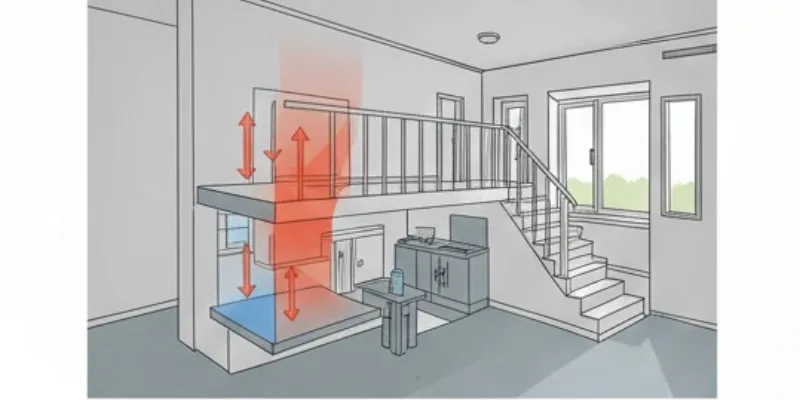
The primary reason for temperature imbalances in lofts is the natural behavior of air. Warm air has a lower density and rises toward the ceiling, while cold air remains at the floor level. In a standard room, this is manageable; however, in a loft, the air often becomes trapped or fails to circulate effectively.
Airflow remains stagnant if the architectural layout creates “dead zones” where the HVAC system cannot reach. This phenomenon is particularly prevalent in apartments in Tokyo Japan where compact designs may restrict the path of forced air. The lack of a return air vent in the upper loft area often prevents the warm air from being drawn back down, leading to a cold floor in the living area and a stuffy, yet oddly chilly, loft.
Vulnerability to Drafts and External Air Infiltration
Loft spaces are frequently positioned near the highest points of the building envelope, making them susceptible to drafts. Many japan tokyo apartment rent options feature small ventilation windows or exhaust fans specifically located near the loft to prevent moisture buildup. While necessary for air quality, these openings serve as entry points for cold air.
External air enters the living space if the seals around window frames, sliding doors, or ventilation hoods have degraded over time. Residents often notice a sharp drop in temperature near the loft stairs or the sleeping area. These drafts are particularly noticeable in older wooden “Mokuzou” constructions, which typically have lower airtightness ratings compared to modern reinforced concrete buildings.
Proximity to Uninsulated Walls and Roofs
The loft area is physically closer to the roof and exterior walls than any other part of the apartment. This proximity means that the loft is the first area to be affected by the external climate. Thermal energy transfers through the building materials via conduction, a process where heat moves from a warmer object to a cooler one.
The interior surface of the loft wall becomes cold if the building lacks high-quality insulation materials like mineral wool, expanded polystyrene, or cellulose fiber. During the Japanese winter, the roof slab or rafters absorb the cold, which then radiates directly into the loft space. This creates a “cold radiation” effect where the air might be warm, but the surfaces feel freezing to the touch.
Inefficient HVAC Placement and Room Layout
The positioning of the air conditioning unit (AC) plays a crucial role in how heat is distributed. In many apartments in Japan, the AC is mounted on a wall in the main living area, often below the level of the loft floor. Since the loft is a secondary structure built into the upper volume of the room, the direct path of warm air is frequently obstructed.
The loft remains cold if the AC unit is blocked by the loft’s floor joists or if the unit lacks the capacity to push air into the upper alcove. Furthermore, some layouts place the AC in a position where the thermostat senses that the lower room is warm and shuts off the heating, even though the loft area remains significantly colder due to poor distribution.
Practical Consumer-Grade Solutions for Thermal Comfort
If you are currently residing in or planning to move into a loft, there are several effective consumer products designed to mitigate these temperature issues. These solutions are ideal for renters because they require no permanent structural changes to the property. You can find high-quality thermal appliances (such as ceramic heaters, oil-filled radiators, and infrared panels) that provide immediate relief.
Utilizing High-Performance Air Circulators
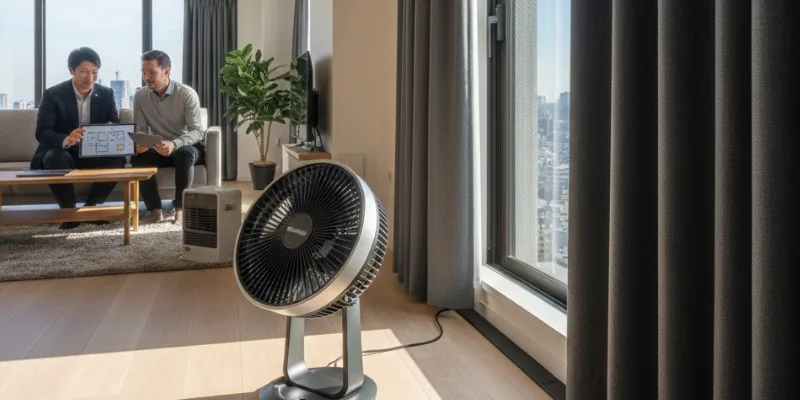
An air circulator is a specialized device designed to move large volumes of air in a focused beam. Unlike a standard fan that creates a localized breeze, a circulator targets the ceiling to break up the layers of stratified air. This device is highly effective at forcing the warm air trapped at the ceiling back down to the living levels during winter, or moving cool air upward during summer.
Indoor air quality and comfort improve significantly if you point the circulator toward the ceiling at an angle that promotes a “vortex” effect. This ensures that the heat generated by your primary heating sources, such as heat pumps or portable heaters, is distributed evenly throughout the entire cubic volume of the apartment.
Installing Removable Thermal Barriers
For those living in apartments in Japan, thermal curtains and window films are essential insulating accessories (including honeycomb shades, UV-blocking films, and heavy blackout drapes). These products create an additional layer of air between the glass and the room, significantly reducing heat transfer.
The room maintains its temperature more effectively if you install heavy-duty thermal curtains that reach from the ceiling to the floor. These curtains prevent the “chilled glass” effect in the winter and block intense solar heat in the summer, making the loft area much more habitable for sleeping.
Deploying Targeted Heating and Cooling Devices
When the central HVAC system is insufficient, localized devices can bridge the gap. In Japan, there are various energy-efficient options specifically designed for smaller spaces. These tools allow you to heat or cool only the space you are currently using, which saves on electricity costs.
Comfort increases in the loft sleeping area if you use a compact ceramic heater with a timer or an electric heated mattress pad. For summer months, portable “spot coolers” or high-velocity fans can be placed directly on the loft level to ensure a constant flow of chilled air, bypassing the circulation issues of the main room.
Draft Protection and Sealing Gear
Identifying and sealing small gaps is one of the most cost-effective ways to manage temperature and insulation issues loft apartment Japan. Since many loft apartments are near roof vents, using non-permanent sealing products can stop cold wind from entering.
Energy efficiency improves if you use “draft stoppers” or removable weatherstripping tape along the bottom of doors and window tracks. These products are inexpensive and can be easily removed when you move out of your japan tokyo apartment rent, ensuring you get your security deposit back while staying warm throughout the season.
Top Recommended Products on Amazon Japan
To help you manage the climate in your loft, we have curated a list of top-rated products available on retail platforms (such as Amazon Japan, Rakuten, and Nitori). These items are chosen for their reliability and suitability for Japanese apartment sizes.
1. Air Circulation and Ventilation
- Iris Ohyama Woozoo Globe Circulator: A powerful, silent circulator that moves air up to 25 meters.
- Vornado 630-JP Whole Room Air Circulator: Known for its heavy-duty performance in larger loft volumes.
2. Portable Heating Solutions
- Sharp Ceramic Fan Heater with Humidifier: Perfect for Japan’s dry winters, providing heat and moisture.
- Panasonic Electric Carpet / Heated Mat: An excellent way to warm the “cold floor” of the lower living area.
3. Thermal Window and Door Treatments
- Nitori Heat-Insulated and Blackout Curtains: A staple for any apartment for rent Japan to block heat and cold.
- Removable Window Insulation Film: Clear film that adds an extra layer of insulation to single-pane windows.
Professional Real Estate Guidance with A-Realty
When searching for a new home, navigating the technical aspects of Japanese building standards can be challenging for expatriates. A-Realty serves as a specialized partner for international residents looking to secure high-quality apartments in Japan that meet modern comfort standards.
A-Realty provides comprehensive consulting services to ensure that your future residence is equipped with adequate insulation and efficient heating systems. Our experts analyze building specifications, such as the year of construction and the materials used, to help you avoid units prone to extreme temperature fluctuations. We understand that a loft apartment should be a sanctuary of comfort, not a source of seasonal stress.
Would you like A-Realty to curate a list of high-performance loft apartments in Tokyo that feature modern insulation and climate control? Our team is ready to assist you in finding a home that combines the aesthetic appeal of a loft with the thermal efficiency of a premium residence.
Navigating the Market for a Japan Tokyo Apartment Rent
The Tokyo rental market is diverse, offering everything from traditional wooden houses to ultra-modern high-rise condominiums. When looking for a japan tokyo apartment rent, it is vital to consider the building’s age and construction type, as these factors directly impact insulation quality.
Reinforced Concrete vs. Wooden Structures
Reinforced Concrete (RC) buildings generally offer superior airtightness and thermal mass compared to wooden (Mokuzou) or light-gauge steel (S-Zou) structures. While RC apartments may have a higher monthly rent, the savings on utility bills and the increase in daily comfort often justify the cost.
Thermal stability is easier to maintain if you choose a building constructed after the major updates to Japan’s Building Standards Act. Newer buildings often utilize high-performance materials such as:
- Double-paned windows with argon gas filling.
- Urethane spray foam insulation within the wall cavities.
- Thermal break window frames made of resin or composite materials.
Location and Sunlight Exposure
The orientation of your apartment significantly influences its natural temperature. South-facing units receive the most sunlight during the winter, which can naturally heat the loft area through passive solar gain. Conversely, north-facing lofts may remain perpetually cold without constant artificial heating.
You will likely experience lower heating costs if you select an apartment that is sandwiched between other heated units. Middle-floor apartments benefit from the “insulation” provided by the neighbors above, below, and on either side. This reduces the surface area exposed to the harsh external environment of the Tokyo winter. To find a home that naturally stays warm, you can explore our comprehensive listings of sun-facing apartments in Japan featuring various properties, such as south-oriented lofts, corner units with floor-to-ceiling windows, and premium residences designed for maximum solar intake.
Conclusion
Managing temperature and insulation issues loft apartment Japan requires a proactive approach. By combining mechanical solutions like air circulators with structural enhancements like weatherstripping, residents can enjoy the unique benefits of a loft without sacrificing comfort.
Choosing the right apartment for rent Japan involves more than just looking at the floor plan. It requires an understanding of how the space will perform across all four seasons. By following these guidelines and seeking professional advice from experts like A-Realty, you can ensure that your Japanese living experience is both stylish and comfortable.
Are you ready to begin your search for the perfect apartment? Contact A-Realty today to explore premium listings that prioritize your comfort and well-being in the heart of Japan.

Real estate advisor at Arealty Japan, specialising in helping foreign residents navigate the Tokyo and Osaka rental markets. Lucy has guided hundreds of international renters — from Working Holiday visa holders to corporate relocations — through Japan’s apartment application process. Her writing draws on firsthand experience with landlord screening, guarantor companies, and foreigner-friendly listings across all 23 Tokyo wards and major Kansai cities.