
Navigating the real estate landscape in a foreign country is complex. It involves more than just finding a beautiful room. A deep understanding of the local financial structures is also required. If you are searching for apartments in Japan, you have likely encountered the term Kanri-hi or Kyoitsu-hi. This article provides an extensive analysis of the What is management fee Japan question. It ensures that international residents can rent with total confidence. It also offers clarity on the process.
Defining the Concept: What is Management Fee Japan?
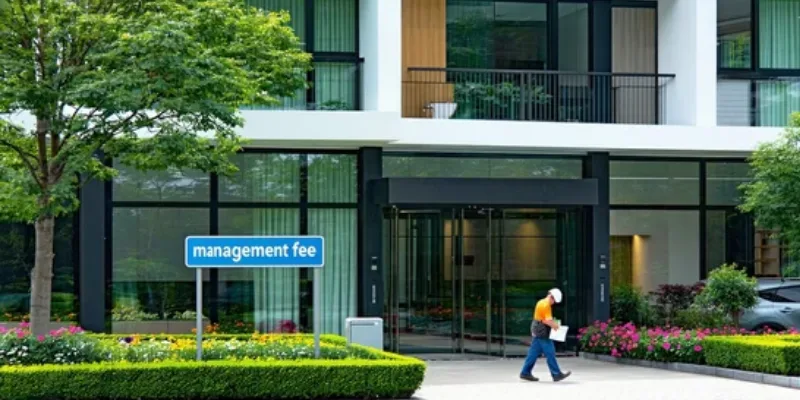
In the Japanese rental market, the “Management Fee” (管理費 – Kanri-hi) is a mandatory monthly payment. The “Common Service Fee” (共益費 – Kyoitsu-hi) is also mandatory. These payments are made by the tenant to the landlord or the property management company. This fee is strictly separate from the base rent. It is dedicated to the operation, maintenance, and cleaning of the building’s shared spaces.
For anyone looking at apartments in Tokyo Japan, this fee is a standard line item in nearly every contract. It represents the collective contribution of all residents to ensure the building remains a safe, functional, and pleasant environment. The base rent is the price for the private space you occupy. The management fee covers the infrastructure that supports your daily life.
The Purpose of the Fee
The primary objective of this fee is to preserve the property’s value. It also provides essential services that an individual tenant cannot perform alone. If you choose an apartment for rent japan, the management fee ensures convenience. You do not have to worry about replacing hallway light bulbs. It also removes the concern of cleaning the elevator or managing the complex waste disposal systems required by Japanese law.
Detailed Breakdown of Management Fee Components
To fully answer What is management fee Japan, one must look at where the money actually goes. These fees fund a wide array of services that vary depending on the complexity of the building.
Maintenance and Cleaning of Common Areas
Common areas are the heart of a residential building. Without consistent funding, these spaces would quickly deteriorate, affecting the comfort of all residents. Examples of common area maintenance include:
- Janitorial Services: Professional staff who sweep hallways, mop the lobby floor, and clean the glass entrance doors daily.
- Landscape Care: The upkeep of communal gardens, trimming of hedges, and maintenance of potted plants in the entrance hall.
- Utility Costs for Shared Spaces: The electricity powers hallway lights 24/7. Water is used for cleaning the building exterior. Power is needed for the automatic entrance gates.
Operation of Building Equipment
Modern apartments in Japan are equipped with sophisticated technology that requires regular professional inspection. The management fee covers the costs of:
- Vertical Transportation: Monthly safety inspections, emergency phone line maintenance, and electricity for elevators.
- Security Infrastructure: The operation of CCTV camera networks is essential. Maintaining electronic key-card readers is crucial. The “auto-lock” security system is monitored 24 hours a day.
- Waste Management: Many Japanese buildings have “Dust Rooms.” Residents can drop off trash at any time. The fee covers the professional sanitation of these rooms. This service prevents odors and pests.
Safety and Compliance
Japan has some of the strictest building safety codes in the world, particularly regarding seismic activity and fire prevention. Your management fee pays for:
- Fire Safety Audits: Regular testing of smoke detectors, fire alarms, and the pressurized water systems for fire hoses.
- Emergency Supplies: Emergency kits are stocked in elevators and common areas. These kits include water, food, and portable toilets for use during an earthquake.
- Structural Inspections: Periodic checks of the building’s facade and roof are essential. They help identify cracks or water leakage early. This prevents them from becoming major problems.
Market Rates and Economic Factors
When researching japan tokyo apartment rent, you will notice that management fees are not uniform. They fluctuate based on the building’s location, age, and the level of service provided.
Average Costs by Property Type
The fee is usually calculated as a percentage of the rent. This typically ranges from 5% to 10%. Alternatively, it can be a flat monthly rate. For example:
- Standard Studio (1K/1R): Typically carries a fee between 5,000 JPY and 8,000 JPY.
- Family Apartments (2LDK/3LDK): Fees often range from 10,000 JPY to 20,000 JPY due to the higher usage of common facilities.
- Luxury Tower Mansions: Fees can exceed 50,000 JPY if the building offers premium amenities.
Regional Variations
Location plays a significant role in determining the cost. If you are searching for apartments in Tokyo, Japan, you will notice that fees in central wards are higher. Examples of these wards include Minato or Shibuya. The labor costs for cleaning and security staff are greater in these areas. In contrast, suburban areas in Chiba or Saitama may offer much lower fees for similar-sized properties.
Why Professional Management is Vital for Foreigners
For a non-Japanese speaker, a professionally managed building is not just a luxury; it is a necessity. Management companies act as a professional buffer between the tenant and the landlord.
Bilingual Support and Documentation
Many top-tier management firms provide documentation in English and have staff capable of handling inquiries from international residents. This ensures that you understand:
- The complex rules for sorting and disposing of household trash.
- The schedule for mandatory annual equipment inspections (such as fire alarms).
- Neighborhood association updates and local disaster prevention drills.
Conflict Resolution and Mediation
Living in high-density apartments in Japan can sometimes lead to friction between neighbors regarding noise or shared spaces. A professional management company provides:
- Impartial Mediation: Handling noise complaints without the need for direct (and potentially awkward) confrontation between tenants.
- Rule Enforcement: Ensuring that all residents follow the rules regarding bicycle parking, smoking areas, and pet ownership.
- Emergency Response: A 24-hour hotline to handle urgent issues like water leaks or being locked out of the building.
ARealty: Elevating Your Real Estate Experience in Japan
When it comes to navigating the intricacies of the Japanese property market, ARealty is the gold standard for international clients. We understand that finding a home is about more than just the four walls. It is about the community. It’s about the service and the transparency of the costs involved.
Personalized Property Curation
ARealty does not just provide a list of addresses. We curate a selection of apartments in Japan that align with your lifestyle. You might need a high-speed internet-ready home for remote work. Alternatively, you could prefer a child-friendly residence near international schools. Our consultants provide data-driven recommendations. Examples of our specialized services include:
- Detailed financial breakdowns that explain every yen of your What is management fee Japan obligation.
- Virtual tours for clients who are still abroad, ensuring no surprises upon arrival.
- Negotiation with landlords to secure the best possible terms for your lease.
Unparalleled Expertise in Tokyo
Our team possesses deep local knowledge of the japan tokyo apartment rent market. We help you identify neighborhoods that offer the best value, proximity to transit, and high-quality management. We pride ourselves on our transparency; we believe every tenant deserves to know exactly what they are paying for.
Are you ready to secure a premium residence with a management team you can trust? Visit ARealty today to start your journey toward a stress-free life in Japan. Our expert consultants are standing by to assist you.

Expenses Not Covered by the Management Fee
A common misconception is that the management fee covers all repairs. It is crucial to understand the boundaries of this fee to avoid unexpected financial strain.
Interior Maintenance Responsibilities
The management fee stops at your front door. If you are living in an apartment for rent japan, you are responsible for the “consumables.” You are also responsible for minor maintenance inside your unit. Specific examples include:
- Lighting: You must pay for and replace the light bulbs in your kitchen, bathroom, and living areas.
- Filter Cleaning: Regular cleaning of the filters in your air conditioning unit and the grease filter in your kitchen hood.
- Battery Replacement: Replacing batteries in your TV remote, gas stove igniter, or smoke detectors inside the room.
Damage and Negligence
If an item inside the apartment breaks because of your actions, you must cover the repair cost. This is required even if the item was originally provided by the landlord. Examples of tenant-liable repairs include:
- Floor Damage: Deep scratches on the wooden flooring caused by dragging heavy furniture without protectors.
- Clogged Plumbing: Blockages in the kitchen or bathroom sink caused by disposing of cooking oil or improper materials.
- Wallpaper Stains: Discoloration caused by smoking indoors or failing to clean up spills immediately.
The “Restoration to Original Condition” (Genzai Kaifuku)
In Japan, the move-out process is governed by the principle of Genzai Kaifuku. The monthly management fee keeps the building looking new. This one-time cost at the end of your lease ensures your specific unit is refreshed for the next tenant.
Understanding Wear and Tear
Japanese law distinguishes between “natural wear and tear” and “intentional or negligent damage.”
- Landlord’s Responsibility: Fading of wallpaper due to sunlight, or slight indentations in the carpet from heavy furniture.
- Tenant’s Responsibility: Tears in the wallpaper from pets, or mold growth in the bathroom due to a lack of ventilation.
Typical Restoration Examples
When you vacate apartments in tokyo japan, the following professional services are usually performed, often deducted from your security deposit:
- Professional Disinfection: A deep-cleaning service that sanitizes the entire unit, including the inside of the air conditioner.
- Tatami and Shoji Repair: If your apartment has traditional Japanese rooms, you may incur charges. These charges can be for replacing the top layer of the tatami mats or the paper on shoji screens.
- Key Exchange Fee: Often, the locks are changed for the next tenant to ensure security. This is a standard cost in many Japanese rental agreements.

Strategic Tips for Choosing a Building Based on Fees
To maximize your value when searching for apartments in Japan, consider different factors. One key factor is using the management fee as a diagnostic tool. It helps judge the quality of the building.
Avoid the “Too Cheap” Trap
If you find a japan tokyo apartment rent listing with a 0 JPY management fee, exercise caution. This often means:
- The landlord is including the cost in the base rent to make the apartment appear cheaper in search results.
- The building may lack professional cleaning services, leading to dirty common areas and overflowing trash bins.
- There is no professional management company, meaning you must deal directly with the landlord for all repairs.
Evaluate the Amenities
Compare the fee to the amenities provided. A 15,000 JPY fee is justified for a building with a 24-hour gym. It is also justified for a rooftop lounge and a package delivery locker system. However, the same fee for a 40-year-old walk-up building with no elevator would be considered excessive. Examples of high-value amenities often covered by higher fees include:
- 24/7 Trash Disposal: The convenience of not having to follow the strict city schedule for different types of waste.
- Guest Suites: Low-cost rooms within the building that your visiting friends or family can rent.
- Work Lounges: Quiet, Wi-Fi-enabled spaces designed for residents who work from home.
Frequently Asked Questions
Can I opt-out of paying the management fee if I don’t use the elevator? No, the management fee is a collective obligation. All tenants must pay the full amount. It doesn’t matter which specific amenities they use. The fee supports the building’s overall integrity and value.
Does the management fee include my personal water and electricity? Generally, no. Your personal utility usage inside your apartment is billed separately by the utility providers. The management fee only covers the “common” utilities used in shared spaces.
Is the management fee subject to consumption tax? For residential leases, the base rent and the management fee are typically exempt from Japan’s 10% consumption tax. However, if the property is being used for commercial purposes (like an office), tax will be applied.
Conclusion
Answering the question What is management fee Japan involves more than just accounting. It requires understanding the high standards of living that Japan offers. This fee ensures that the apartments in Japan remain some of the cleanest, safest, and most well-maintained in the world.
Budget for the management fee and choose a property managed by a reputable company. This ensures that your time in Japan is focused on enjoying the culture. You can also concentrate on your career without worrying about building maintenance. Transparency is crucial. Always ask for a breakdown of fees. Choose a partner like ARealty to guide you through every step of the process.

Real estate advisor at Arealty Japan, specialising in helping foreign residents navigate the Tokyo and Osaka rental markets. Lucy has guided hundreds of international renters — from Working Holiday visa holders to corporate relocations — through Japan’s apartment application process. Her writing draws on firsthand experience with landlord screening, guarantor companies, and foreigner-friendly listings across all 23 Tokyo wards and major Kansai cities.