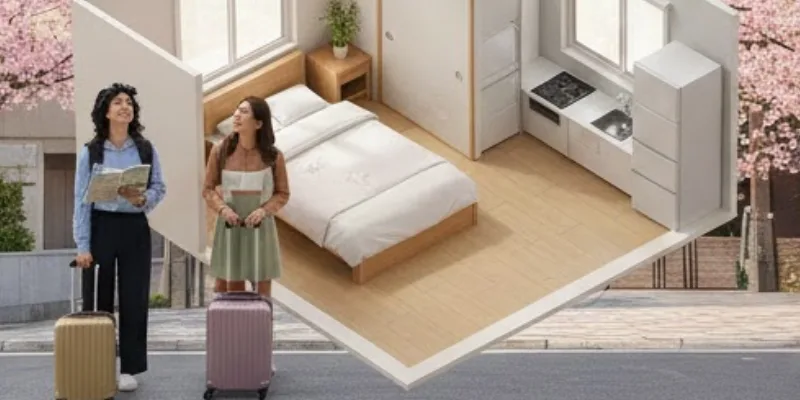

Finding the right apartments in Japan is a critical milestone for international students embarking on their academic journey. The process requires a strategic approach to budgeting, location scouting, and understanding local rental structures. By following a structured timeline and knowing the specific terminology of Japanese real estate, students can secure a comfortable living space that supports their educational goals.
The Strategic Timeline for Apartment Hunting for Students Japan
The peak season for moving in Japan occurs between February and April, coinciding with the start of the Japanese academic year. To secure the best apartments in Japan, students must begin their search early to avoid the high competition of the spring rush.
Understanding the Seasonal Cycle
The Japanese rental market is highly seasonal. Most universities announce entrance exam results in mid-February, triggering an immediate surge in demand. If you wish to move before the new semester begins in April, you should finalize your property selection no later than mid-March. The administrative process, including background checks and contract preparation, typically requires ten to fourteen days.
Planning Your Search Duration
The duration of the search varies significantly among individuals; some students may find a suitable room within one week, while others might require up to three months to find a property that aligns with their preferences. If you find an ideal room quickly and the physical viewing meets your expectations, the decision process remains smooth. However, if the reality of the properties differs from your imagination, additional time is necessary to pivot your search criteria.
Key Milestones in the Timeline
- Mid-February: Start searching for properties immediately after university admission results are announced. This period offers the widest selection of available units.
- Early to Mid-March: Aim to finalize your choice and submit an application. Selecting a property by mid-March is essential if you intend to move in before the end of the month.
- Late March: Complete the contract signing and receive your keys.
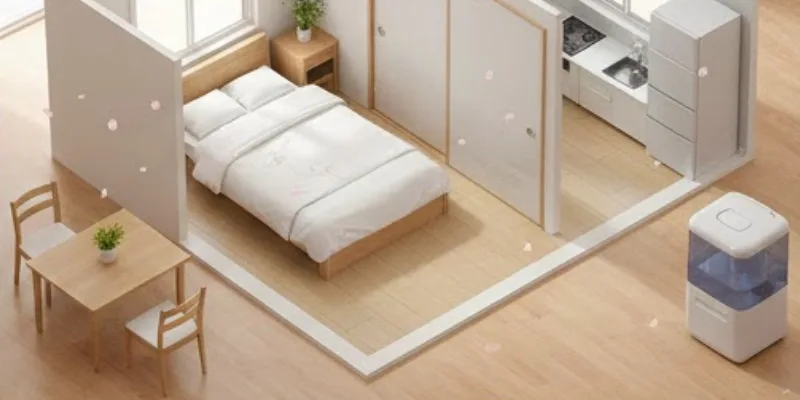
Defining Your Rental Budget and Financial Planning
Establishing a clear financial boundary is the first step in searching for apartments in Tokyo Japan. Most students rely on a combination of parental support and part-time income to cover monthly expenses.
Navigating Rental Costs and Negotiations
When communicating with real estate agents, it is a professional tactic to state a desired rent slightly lower than your absolute maximum budget. For example, if your maximum limit is 50,000 JPY, you should inform the agent that you are seeking properties in the 40,000 JPY range. This buffer prevents the agent from showing properties that exceed your financial capacity, such as units priced at 55,000 JPY.
Essential Living Expenses for Students
Students must account for various monthly costs beyond the base rent to maintain a stable lifestyle. Common recurring expenses for students include:
- Utilities: Electricity, water, and gas services.
- Communication: High-speed internet and mobile phone plans.
- Consumables: Groceries, household cleaning supplies, and toiletries.
Managing Initial Move-in Costs
In Japan, the initial cost of renting an apartment is often equivalent to four or five months of rent. This includes the security deposit (shikikin), key money (reikin), insurance, and agent fees. Understanding these upfront costs is vital to ensure you do not overextend your finances during the first month of residency.
Selecting the Ideal Location for Your Lifestyle
Location is the most significant factor influencing japan tokyo apartment rent. While living near a university campus offers convenience, prices in central urban areas are typically higher than in suburban districts.
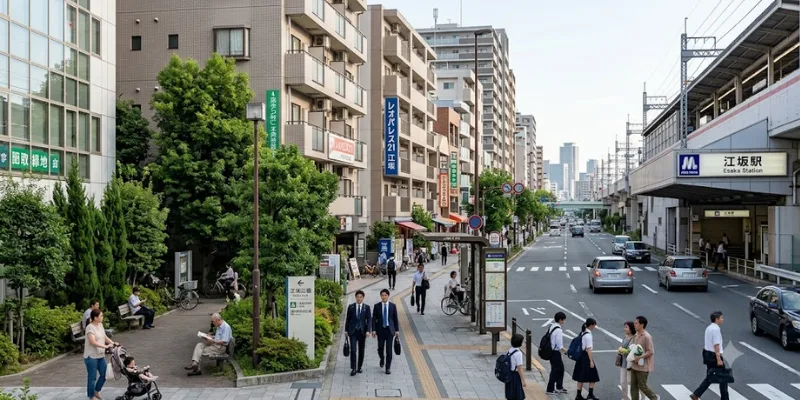
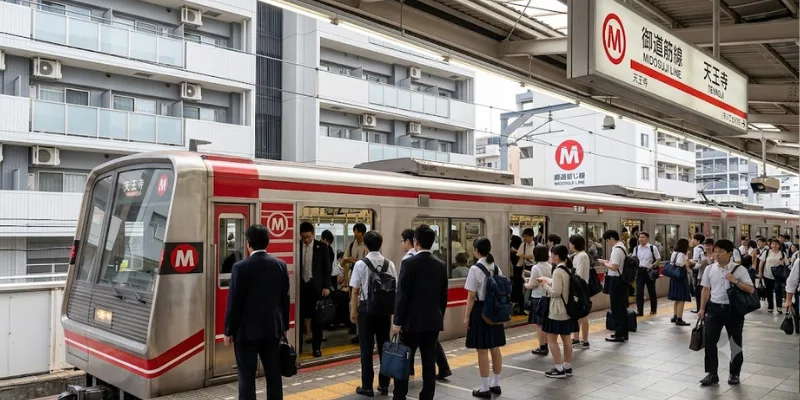
Proximity to Transportation and Commuting
You can reduce your commute time by choosing a residence near a station where express trains stop, even if the property is located further from the university. Conversely, you can save money by selecting a station where only local trains stop, as these areas often have lower rental rates. Students should consider the balance between a slightly longer commute and the benefit of a lower monthly rent.
Safety Considerations for Students
Safety is a paramount concern, particularly for female students living alone for the first time. It is vital to inspect the route from the nearest station to the apartment during both day and night. Ensure the area features well-lit paths and active commercial activity to discourage crime. You should avoid areas with a high density of bars or secluded parks if you prioritize a quiet and secure environment.
Neighborhood Connectivity
A neighborhood’s livability is determined by its accessibility to various social hubs and resources. Students often thrive in areas that provide:
- Education Hubs: Proximity to libraries, study cafes, and university facilities.
- Social Spaces: Public parks, affordable restaurants, and community centers.
- Work Opportunities: Commercial zones with high demand for part-time student staff.
Understanding Japanese Apartment Layouts
When searching for an apartment for rent Japan, you will encounter specific codes describing the room layout. Understanding these abbreviations is necessary to determine if the space meets your functional needs.
1R (One Room)
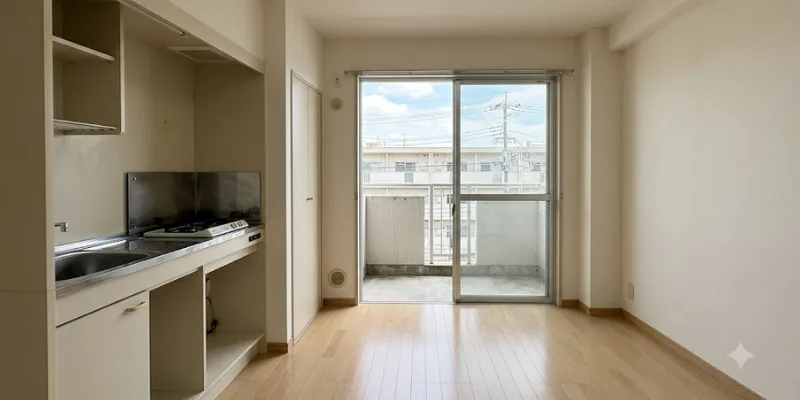
In a 1R layout, the kitchen and living area are integrated into a single open space. This is the most economical option, ideal for students who prefer a minimalist lifestyle or are on a strict budget. The lack of interior walls makes the space feel cohesive but requires efficient organization of cooking and sleeping areas.
1K (One Room + Kitchen)
The 1K layout features a separate kitchen area partitioned from the main living room by a door. This design is superior for those who cook frequently, as it prevents cooking odors from lingering in the sleeping area. It also provides a higher level of privacy when answering the door, as the living space is not immediately visible to visitors.
1DK (One Room + Dining/Kitchen)
A 1DK apartment provides a larger kitchen space that can accommodate a dining table. This layout is recommended for students who desire a clear distinction between their dining and living quarters, especially when hosting guests. It offers a more comfortable lifestyle for those who plan to stay in the same unit for the full four years of university.
Key Features and Amenities to Prioritize
Modern apartments in Japan offer various amenities that can significantly improve your quality of life. Evaluating these features during the viewing process ensures you get the best value for your rent.
Advanced Security Systems
Security features are essential for peace of mind in a foreign country. Students should look for buildings equipped with:
- Auto-lock entries: Restricting access to the building interior to residents only.
- Monitor-equipped intercoms: Allowing you to see and speak with visitors before opening your door.
- Security cameras: Installed in common areas like elevators, bike racks, and lobbies.
Lifestyle Amenities and Technology
Many properties include specific facilities that simplify daily routines. It is highly beneficial to look for “Internet Free” properties, as these can save you approximately 5,000 JPY per month. Other valuable amenities include:
- Air Conditioning: Essential for managing the high humidity of Japanese summers and the dry cold of winter.
- Delivery Boxes: Secure lockers for receiving packages while you are in class or at work.
- Washlet Toilets: A standard feature in many modern Japanese homes that provides enhanced hygiene and comfort.
Assessing the Surrounding Neighborhood
The convenience of your daily life depends on the local infrastructure surrounding your japan tokyo apartment rent. A well-located apartment should have essential services within a 10-minute walk.
Essential Local Facilities
Before signing a contract, confirm the proximity of the following “life lines”:
- Supermarkets: For affordable fresh produce, bento boxes, and daily groceries.
- Convenience Stores: Open 24/7 for urgent needs, ATM access, or utility bill payments.
- Pharmacies and Clinics: Essential for maintaining health, accessing over-the-counter medicine, and receiving medical care.
Balancing Distance and Convenience
When your child enters university, they will spend much of their time commuting via public transport. However, as they engage in social activities and part-time work, a residence located too far from the nearest station becomes a burden. It is often more convenient to live in a location situated between the university and the station, or directly near a major transit point.
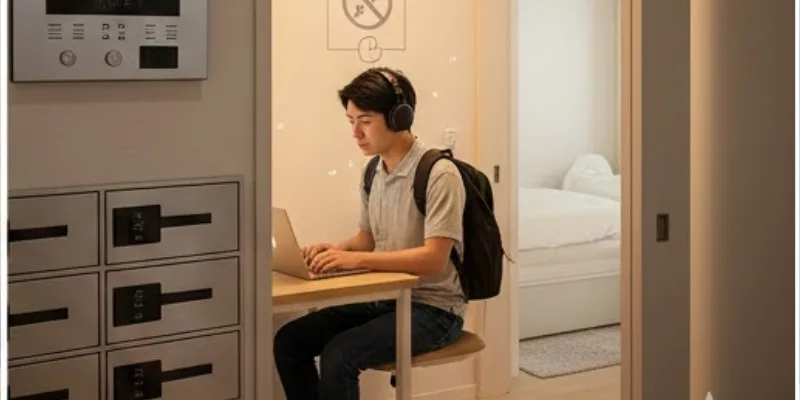
Residential Harmony and Community Standards
Living in a collective housing environment in Japan requires an understanding of social etiquette. The lifestyle of your neighbors can impact your comfort level significantly.
Student-Only vs. General Housing
In buildings reserved exclusively for students, residents typically follow similar schedules—attending classes during the day and resting at night. This synchronization reduces the likelihood of noise complaints related to daily chores. In contrast, general housing may include shift workers or families. If you live in a diverse building, you must be mindful of noise levels at all times, as some neighbors may sleep during the day.
Investigating Neighbor Demographics
You should ask your real estate agent about the typical demographics of the building’s residents. Understanding whether the building is occupied primarily by students, young professionals, or elderly residents will help you determine if the environment matches your personal habits. Professional agents can often provide insights into the general “vibe” and rules of the building management.
ARealty: Your Trusted Partner in Japanese Real Estate
Navigating the complexities of Apartment hunting for students Japan is significantly easier with the help of experts who understand the unique needs of the international community. ARealty specializes in connecting students with high-quality apartments in Tokyo Japan and across the country, ensuring a transparent and stress-free rental experience.
Why Choose ARealty?
ARealty provides professional guidance through every step of the rental process, from the initial property search to the final contract signing. Their expertise helps students overcome common hurdles, such as finding guarantor-friendly properties and translating complex legal terms that are often confusing for foreigners.
- Multilingual Support: Communicate effectively without language barriers to ensure you understand every clause of your contract.
- Curated Listings: Access to a wide range of properties near major universities, including units that are specifically “student-friendly.”
- Expert Advice: Guidance on local customs, garbage disposal rules, and neighborhood safety to help you integrate into Japanese society.
If you are ready to begin your academic life in Japan, contact ARealty today to find a home that fits your budget and lifestyle. Our team is dedicated to helping you secure the perfect apartment for rent Japan with efficiency and integrity. We understand that your home is the foundation of your success abroad.
The Detailed Rental Process for International Students
Once you have identified a property through a service like ARealty, you must navigate several administrative stages. Understanding these steps prevents delays and ensures a legal residency.
Step 1: Property Viewings and Selection
Always visit the property in person if possible. Check for natural light, the condition of the appliances, and the thickness of the walls. If you are applying from abroad, request a video walkthrough or high-resolution photos of the specific unit you will be renting.
Step 2: The Application and Screening
Submit your application along with a copy of your passport, student visa, and university acceptance letter. The landlord or management company will conduct a screening (shinsa) to verify your ability to pay rent and your suitability as a tenant. This process typically takes three to seven days.
Step 3: Explanation of Important Matters
In Japan, a licensed real estate professional must provide an “Explanation of Important Matters” (Juyo Jiko Setsumei). This covers the technical details of the property, the duration of the lease, and the conditions for getting your deposit back.
Step 4: Signing and Initial Payments
Execute the formal rental agreement. At this stage, you will be required to pay the initial fees, which usually include the first month’s rent, management fees, and the aforementioned deposits.
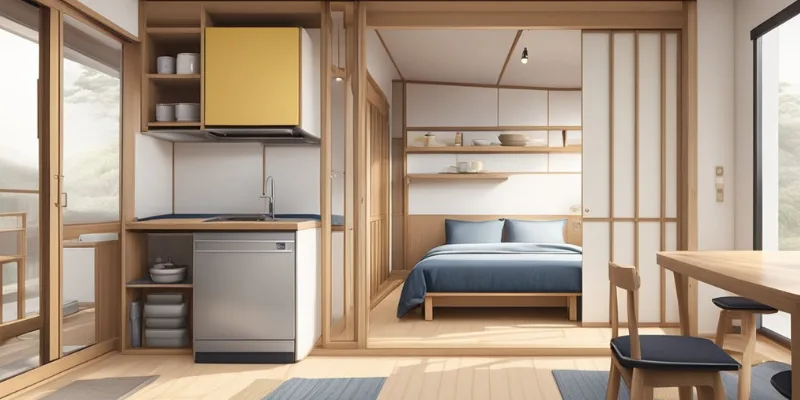
Practical Tips for Living in Japanese Apartments
After successfully completing your Apartment hunting for students Japan, maintaining your new home requires adhering to specific local norms.
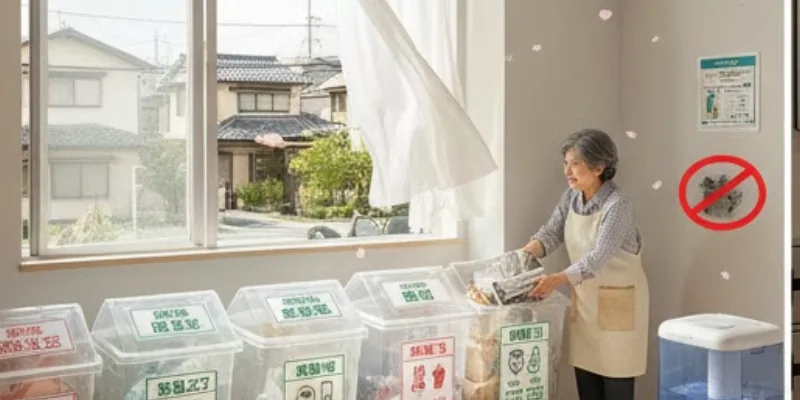
Garbage Disposal Rules
Japan has strict rules for sorting trash into categories such as:
- Burnable waste: Food scraps and paper.
- Non-burnable waste: Glass, metal, and certain plastics.
- Recyclables: PET bottles, aluminum cans, and cardboard. Failure to follow these rules can lead to friction with neighbors or building management.
Noise Etiquette
Japanese apartments often have thin walls. To maintain harmony, avoid using heavy appliances like vacuum cleaners or washing machines after 9:00 PM. If you enjoy listening to music or watching films, use headphones or keep the volume at a level that does not penetrate the neighboring walls.
Seasonal Maintenance
Because of the high humidity in Japan, mold can develop quickly if a room is not properly ventilated. Ensure you use the bathroom fan and open windows regularly to allow air circulation, especially during the rainy season (tsuyu).
Conclusion
Securing the ideal apartment for rent Japan requires a balance of early preparation, financial discipline, and a clear understanding of local housing standards. By starting your search in mid-February and utilizing the expertise of professional agencies like ARealty, you can navigate the competitive market with confidence. Whether you prioritize a 1K layout for privacy or a location near a major transit hub in Tokyo, the right home serves as the foundation for your academic success and personal well-being.
The journey of Apartment hunting for students Japan is more than just finding a place to sleep; it is about choosing a community that aligns with your lifestyle and safety needs. Remember to evaluate every property based on its security features, proximity to essential services, and the overall atmosphere of the neighborhood. With the right information and a proactive mindset, you will find a residence that allows you to fully embrace the unique experience of living and studying in Japan.

Real estate advisor at Arealty Japan, specialising in helping foreign residents navigate the Tokyo and Osaka rental markets. Lucy has guided hundreds of international renters — from Working Holiday visa holders to corporate relocations — through Japan’s apartment application process. Her writing draws on firsthand experience with landlord screening, guarantor companies, and foreigner-friendly listings across all 23 Tokyo wards and major Kansai cities.