
Quick answer: Shibuya apartments for rent average about ¥130,000/month for a 1R/1K studio and ¥230,000/month for a 1LDK across Shibuya ward in 2026, based on Hato Mark Site data. Foreign renters usually get the best balance in Yoyogi-Uehara, where 1K units start near ¥88,000. Ebisu and Daikanyama cost more but have the strongest international infrastructure. Plan on about 2.5 to 5 months’ rent upfront to move in.
| Shibuya at a glance | |
|---|---|
| Ward | Shibuya-ku (渋谷区), Tokyo |
| Average rent, 1R/1K | ¥130,300/month |
| Average rent, 1LDK | ¥229,700/month |
| Best-value sub-area | Yoyogi-Uehara (1K ¥88,000–¥115,000) |
| Most international sub-areas | Ebisu, Daikanyama, Hiroo |
| Upfront cost, ¥120,000 unit | ¥285,000–¥440,000 with Arealty (no agency fee) |
| Tourist visa | Not eligible for a standard 2-year lease |
Averages: Hato Mark Site (Zentakuren), April 2026.
Shibuya is where most people picture Tokyo: the scramble crossing, the neon, the mix of fashion and commuters. It is also one of the most expensive rental markets in the city. Most foreigners who say they want to live in “Shibuya” end up happier a few minutes from the station. This guide gives a realistic view of Shibuya apartments for rent in 2026: which sub-areas are worth it, what units really cost, and how the application works for foreign renters.
Want to browse now? See current Shibuya apartments for rent on Arealty. Every listing is pre-filtered for foreigner acceptance, with no agency fee.
Is Shibuya Ward the Same as Shibuya Station?
No, and the difference shapes your whole search. Shibuya ward (渋谷区, Shibuya-ku) covers about 15 sq km. It includes Ebisu, Daikanyama, Hiroo, Harajuku, Yoyogi, Sendagaya and the quiet Shoto residential area. Each has its own character and price level. For a full ward overview, see our Shibuya City guide.
The 500 metres around Shibuya Station are almost entirely commercial, so very few people live next to the crossing. When renters say they want “Shibuya,” they usually mean fast access to it as a transit and social hub. You can get that from several sub-areas, at very different prices. Note that Nakameguro, often grouped with Ebisu and Daikanyama, actually sits in neighbouring Meguro ward.
Where Do Foreigners Find the Best Shibuya Apartments for Rent?
Ebisu: best for corporate and embassy staff
Ebisu sits one stop south of Shibuya on the JR Yamanote Line. Its station also serves the Saikyo, Shonan-Shinjuku and Tokyo Metro Hibiya lines. It is the address of choice for corporate-relocation renters and diplomatic staff, helped by Hiroo’s embassy district next door. Yebisu Garden Place, built on the former Yebisu brewery site, is the area’s social centre.
Landlords here have housed international tenants for decades, so screening friction is low. The trade-off is price. 1K units rarely appear below ¥110,000/month, and the local average sits closer to ¥135,000. A 1LDK often passes ¥200,000. Our Ebisu neighbourhood guide covers daily life there in detail.
Daikanyama: quiet, low-rise and premium
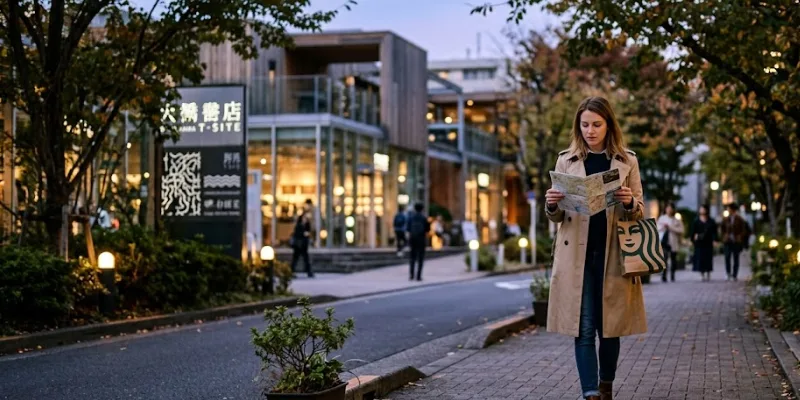
Daikanyama is a 10 to 15 minute walk from Shibuya Station, or one stop on the Tokyu Toyoko Line. It is low-rise and tree-lined, with independent cafés, Hillside Terrace and Daikanyama T-Site. The pace contrasts sharply with the station area, and that quiet has a price. 1K apartments start around ¥105,000–¥130,000/month. Supply is thin, so good units move fast.
Harajuku and Sendagaya: creative, with limited supply
Harajuku (officially Jingumae) and Sendagaya sit at the northern edge of Shibuya ward, bordering Shinjuku. They suit renters in fashion, design and creative work who want to live near their industry. Residential supply is patchy, though, and concentrated in side streets off the main avenues. Expect ¥100,000–¥150,000/month for a 1K. One tip: most of Aoyama (Kita-Aoyama and Minami-Aoyama) belongs to Minato ward, so many “Aoyama” listings carry a Minato address.
Yoyogi-Uehara: the value pocket in Shibuya ward
Yoyogi-Uehara is served by the Odakyu Line and Tokyo Metro Chiyoda Line. Long-term foreign residents rate it the best-value location inside Shibuya ward. It is quiet and residential, with good supermarkets close by. The Odakyu Line reaches Shinjuku in under 10 minutes, and the Chiyoda Line runs direct to Omotesando and Otemachi.
1K units here run ¥88,000–¥115,000/month. That is well below Ebisu or Daikanyama, with similar residential quality. Arealty advisors most often recommend this area to renters who want Shibuya access on a realistic budget.
Just outside the ward: Nakameguro and Sangenjaya
Two areas just past the ward border compete directly with Shibuya. Nakameguro, in Meguro ward, sits along the cherry-blossom-lined Meguro River. It reaches Shibuya in about 5 minutes on the Tokyu Toyoko Line. Meguro ward’s average 1K rent is about ¥99,000, though riverside units cost more. See our Nakameguro neighbourhood guide.
Sangenjaya, in Setagaya ward, is a few minutes from Shibuya on the Tokyu Den-en-toshi Line. Rents there run roughly 30% lower than in Shibuya ward. The Setagaya apartment rental guide covers it in full.
How Much Do Shibuya Apartments for Rent Cost in 2026?
Ward averages run higher than what most foreign renters pay, because they include luxury new-builds in Hiroo, Shoto and Ebisu. The table shows both numbers.
| Layout | Shibuya ward average | Typical range foreign renters see | Notes |
|---|---|---|---|
| 1R/1K (18–25 sqm) | ¥130,300 | ¥90,000–¥160,000 | Lowest in Yoyogi-Uehara, highest in Ebisu |
| 1LDK (35–50 sqm) | ¥229,700 | ¥150,000–¥260,000 | Most common for couples |
| 2LDK (50–70 sqm) | ¥481,200 | ¥230,000–¥480,000 | Average pulled up by luxury stock |
Averages: Hato Mark Site (Zentakuren) rent data, April 2026. Ranges: Arealty listings, 2026.
Shibuya ranks among Tokyo’s most expensive wards, alongside Minato and Chiyoda. If your budget is under ¥90,000/month, see the cheap apartments in Tokyo guide. For a full monthly budget beyond rent, see our cost of living in Shibuya breakdown.
How does Shibuya compare to neighbouring wards?
| Ward | Typical 1K rent | Time to Shibuya | Best for |
|---|---|---|---|
| Shibuya-ku | ¥130,000 | 0–10 min | International community, short commute |
| Minato-ku | ¥130,000 | 10–15 min | Corporate packages, embassies |
| Shinjuku-ku | ¥100,000 | 6 min | Commuters to west Tokyo |
| Meguro-ku | ¥99,000 | 5–10 min | Quieter streets, river walks |
| Setagaya-ku | ¥90,000 | About 5 min (Sangenjaya) | More space per yen |
Weighing a move further north? Our Shibuya vs Shinjuku rental guide compares the two wards side by side.
How Does the Rental Process Work for Foreign Renters in Shibuya?
Shibuya ward is home to more than 11,000 foreign residents, and many landlords are used to foreign tenants. That makes the process smoother than in many wards. It still runs on Japanese terms: documents, a guarantor company and screening that rewards preparation.
Documents you will need:
- Residence card (在留カード, Zairyu Card)
- Proof of income: employment contract, recent pay slips or an income certificate
- 2 to 3 months of bank statements
- Guarantor company application. Arealty works with guarantor companies that accept all major visa types.
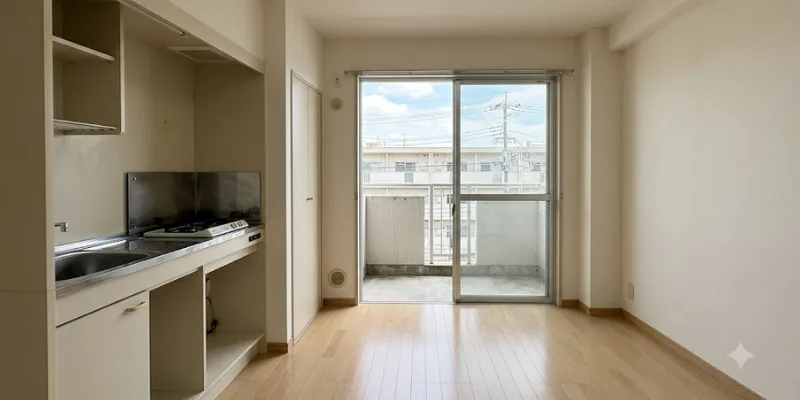
In Japan, viewing happens before the application, not after. Listing photos are often sample images of a similar unit rather than the actual room. Ask whether photos shy step from guarantor to lease signing, see the guide to renting in Japan as a foreigner.ow the real unit, and request a video walk-through if you search from overseas. Here is why apartment listing photos in Japan can look different from the real room. For every step from guarantor to lease signing, see the guide to renting in Japan as a foreigner.
Which visa types can rent in Shibuya?
Tourist visa: monthly mansions or furnished short-term stays only. You cannot sign a 2-year lease. See short-term rental options in Tokyo.
Work or spouse visa: widely accepted, with minimal extra friction.
Student visa: generally accepted; some landlords ask for proof of parental financial support.
Working Holiday visa: a narrower pool than a work visa, but Shibuya landlords tend to know WH applicants better than outer-ward landlords.
What Are the Move-In Costs for a Shibuya Apartment?
For a ¥120,000/month apartment, expect about ¥285,000–¥440,000 upfront through Arealty. Through an agency charging a standard fee, the same unit costs ¥417,000–¥572,000.
| Fee | Standard agency | With Arealty |
|---|---|---|
| Security deposit (敷金, shikikin) | ¥120,000–¥240,000 | ¥120,000–¥240,000 |
| Agency fee | ¥132,000 (incl. tax) | ¥0 |
| First month’s rent | ¥120,000 | ¥120,000 |
| Guarantor company fee | ¥30,000–¥60,000 | ¥30,000–¥60,000 |
| Fire insurance | ¥15,000–¥20,000 | ¥15,000–¥20,000 |
| Total upfront | ¥417,000–¥572,000 | ¥285,000–¥440,000 |
Totals exclude key money (礼金, reikin). Key money is less common in Shibuya ward than in many wards, especially on newer builds in Daikanyama, but confirm before signing. Each fee is explained in our apartment move-in cost guide. To cut upfront cost further, see no-deposit apartments in Tokyo.
Are Shibuya Apartments for Rent Furnished?
Most are not. Standard Japanese rentals come unfurnished: bare walls, a basic kitchen and only built-in appliances. Furnished options exist in two building types. Serviced apartments for corporate relocations cluster in Ebisu and Hiroo, while monthly mansions offer short stays without a standard lease.
If you arrive without furniture, ask for furnished inventory early in your search, since it is a small slice of the market. Renters on a 2-year lease should budget separately for furniture and appliances. The move-in figures above assume an unfurnished unit.
Who Should Rent in Shibuya, and Who Should Look Nearby?
Shibuya ward makes sense if:
- You work in or near Shibuya, Ebisu or Daikanyama and want a short commute.
- You are relocating on a corporate package with a flexible housing budget.
- You want the Daikanyama or Ebisu residential feel specifically.
- You value a large international community and English-language services.
Consider nearby wards if:
- You need fast access to Shibuya rather than a Shibuya address. Sangenjaya or Nakameguro deliver that for less.
- Your budget is under ¥90,000/month. Shibuya ward will rarely deliver at that level.
- You want more space per yen. Setagaya and Meguro both offer this.
Planning your commute? See our guide to the best train lines from Shibuya Station.
Frequently Asked Questions
Yes. Shibuya ward is among Tokyo’s most expensive wards, alongside Minato and Chiyoda. The ward average is about ¥130,300/month for a 1R/1K and ¥229,700/month for a 1LDK.
Yoyogi-Uehara. 1K units there run ¥88,000–¥115,000/month, well below Ebisu or Daikanyama, with similar residential quality and two train lines.
No. Nakameguro belongs to Meguro ward, though it is about 5 minutes from Shibuya on the Tokyu Toyoko Line. Daikanyama, Ebisu and Hiroo are in Shibuya ward.
Look at Sangenjaya in Setagaya ward, a few minutes from Shibuya on the Den-en-toshi Line. Rents there run roughly 30% lower than in Shibuya ward.
For a ¥120,000/month unit, about ¥285,000–¥440,000 through Arealty, or ¥417,000–¥572,000 with a standard agency fee. Key money, if charged, is extra.
No. Tourist visa holders are limited to monthly mansions or furnished short-term rentals and cannot sign a standard 2-year lease.
Nine lines: JR Yamanote, Saikyo and Shonan-Shinjuku; Tokyo Metro Ginza, Hanzomon and Fukutoshin; and Tokyu Toyoko, Tokyu Den-en-toshi and Keio Inokashira.
Find Your Shibuya Apartment
Ready to search? Browse current Shibuya apartments for rent on Arealty, filtered by layout, budget and foreigner acceptance. You can also search all listings or contact our team at arealty.mom.
Further reading:
Yamanote Line station rental guidedeposit apartments in Tokyo guide covers what is available and what the trade-offs are.
Nakameguro neighbourhood guide
Cost of living in Shibuya 2026
Shibuya vs Shinjuku rental guide
Average apartment rent in Tokyo

Real estate advisor at Arealty Japan, specialising in helping foreign residents navigate the Tokyo and Osaka rental markets. Lucy has guided hundreds of international renters — from Working Holiday visa holders to corporate relocations — through Japan’s apartment application process. Her writing draws on firsthand experience with landlord screening, guarantor companies, and foreigner-friendly listings across all 23 Tokyo wards and major Kansai cities.