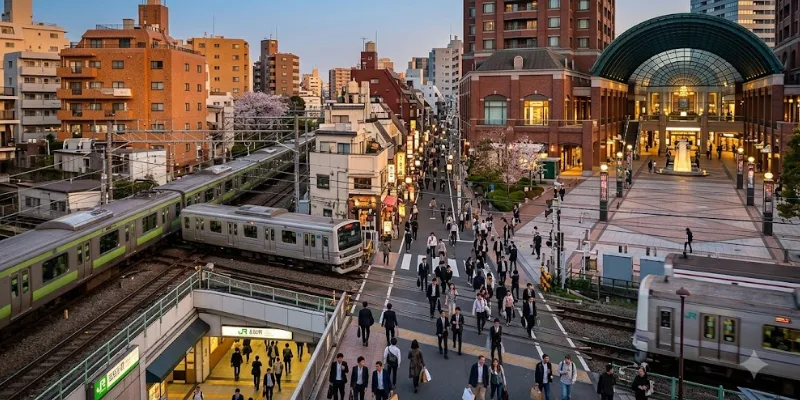

Living in Ebisu means trading Shibuya’s crowds for a quieter, food-obsessed corner of the same ward, just two minutes away by train. Tucked into the southern edge of Shibuya-ku, Ebisu regularly tops Tokyo “best place to live” surveys thanks to its rare mix of central access, restaurant density, and a genuinely calm, walkable street layout. This guide covers what living in Ebisu actually costs, how to get around, what daily life looks like, and who the neighborhood suits.
Ebisu at a Glance
| Ward | Shibuya-ku |
| Nearest station | Ebisu Station (JR Yamanote, Saikyo, Shonan-Shinjuku, Tokyo Metro Hibiya) |
| To Shibuya | 2-3 min, direct |
| To Shinjuku | 7-10 min, direct |
| To Tokyo Station | 17-23 min, direct or one change |
| To Roppongi | 6 min, direct (Hibiya Line) |
| Average rent (1R/1K) | Around ¥135,000/month |
| Average rent (1LDK/2K/2DK) | Around ¥248,000/month |
| Average rent (2LDK/3K/3DK) | Around ¥400,000/month |
| Best for | Foodies, expats, professionals who want a short commute without Shibuya’s noise |
| Not ideal for | Renters on a tight budget, or those who want a family-suburban feel |
Where Is Ebisu, Exactly?
Ebisu sits inside Shibuya-ku, directly south of Shibuya Station and north of Meguro. It borders the boutique streets of Daikanyama to the west, the embassy district of Hiroo to the east, and the canal-side cafes of Nakameguro just south. Despite belonging to the same ward as the Shibuya scramble crossing, Ebisu has a completely different pace: low-rise streets, izakaya alleys, and far fewer tourists. Locals often describe living in Ebisu as getting Shibuya’s convenience without Shibuya’s chaos, and once you walk the residential blocks east and west of the station, it’s easy to see why.
Why Do People Rank Ebisu as One of Tokyo’s Best Places to Live?
The area’s appeal comes from three things layered on top of each other: transit, food, and a sense of order that’s rare this close to central Tokyo.
The name itself comes from Yebisu Beer. The Japan Beer Brewery Company, later renamed Sapporo Breweries, built its plant here in the late 1800s, and the station took the brewery’s name (Ebisu and Yebisu are pronounced identically; the extra “y” is an older-style romanization). When Sapporo moved production to Chiba in the 1980s, the former factory site was redeveloped into Yebisu Garden Place, which opened in 1994 as a mixed shopping, dining, and office complex anchored by the Tokyo Photographic Art Museum and a Mitsukoshi department store.
In 2024, Sapporo returned to brewing in the neighborhood with the opening of YEBISU BREWERY TOKYO, a small-batch brewery and taproom, 35 years after the original plant closed. That history is still visible everywhere: Ebisu Shrine, the beer museum inside Garden Place, and a district identity that never fully separated from its brewing roots. According to JR East’s own history of the line, Ebisu Station itself was named directly after the brewery that once stood beside it, one of the few Tokyo stations named after a commercial product rather than a place.
How Do You Get Around from Ebisu?
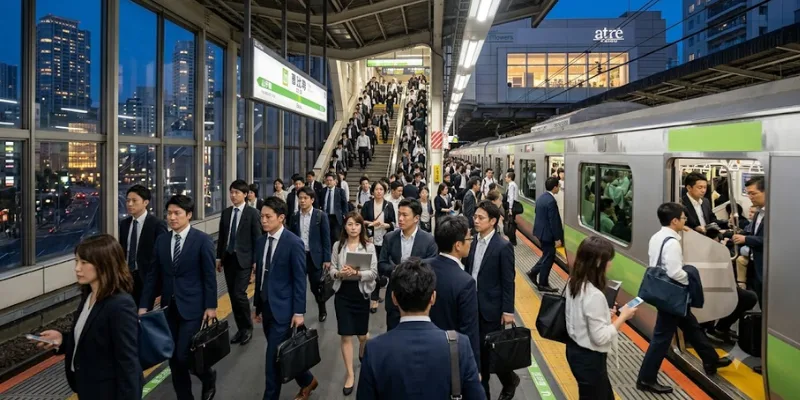
Ebisu Station is one of the better-connected stations in Tokyo for its size, handling upward of 112,000 passengers a day across four lines. This is one of the strongest practical arguments for living in Ebisu over a similarly priced neighborhood with only one or two train options:
- JR Yamanote Line – Shibuya (2-3 min), Shinjuku (7-10 min), Tokyo Station (17-23 min), Ikebukuro (11 min)
- JR Saikyo Line and Shonan-Shinjuku Line – direct runs toward Saitama and Yokohama (around 26 min to Yokohama)
- Tokyo Metro Hibiya Line – Roppongi (6 min), Ginza (11 min), Ueno (19 min)
That combination means Ebisu works equally well for someone commuting to a Shibuya tech office, a Marunouchi finance job, or an international school near Hiroo, all without changing trains. The station itself has two exits, east and west, plus separate ground-level and third-floor concourse access, so orientation takes a day or two to learn but rarely causes real confusion once you settle in.
What’s It Like to Live in Ebisu Day to Day?
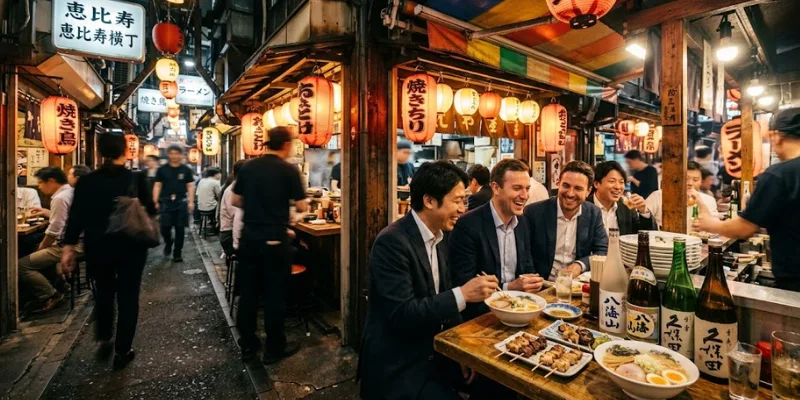
Ebisu’s reputation as a foodie neighborhood is well earned. The streets east of the station, particularly around Ebisu Yokocho, pack in izakaya, ramen counters, and wine bars within a few blocks, and Yebisu Garden Place alone hosts restaurants spanning casual dining to a three-Michelin-star establishment. For groceries, residents rely on Atre Ebisu inside the station building and two Peacock supermarkets nearby, one of which runs 24 hours, alongside higher-end options like Seijo Ishii for imported goods.
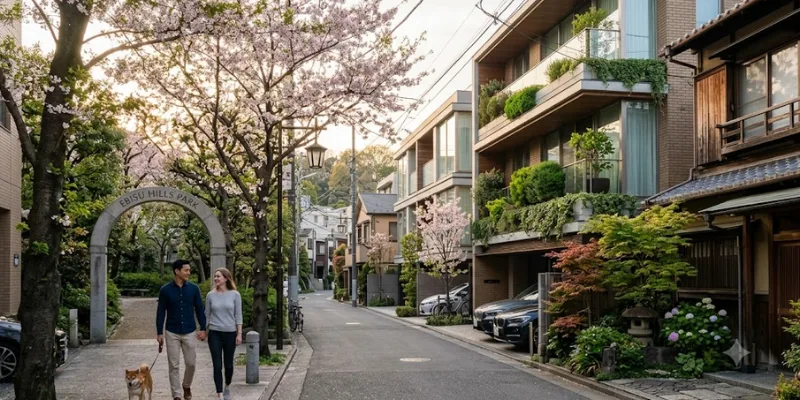
Green space is more limited than in leafier wards, but it’s not absent. Ebisu Koen, a small park just one minute from the station, and Ebisu-Minami Koen, known locally for its cherry blossoms in spring, both give residents a place to decompress without leaving the neighborhood. Families with children also use Ebisu Yon-chome Children’s Park near the east exit. For a larger green escape, Arisugawa-no-miya Memorial Park in neighboring Hiroo is a short walk away.
Living in Ebisu with a family is genuinely workable, not just theoretical. International school buses stop along Meiji Dori, about five minutes from the station, and English-speaking medical care is available nearby, including a pediatric clinic in Ebisu itself and an OB/GYN practice in Hiroo. Hiroo’s larger hospital facilities are also within easy reach for anyone who wants an English-friendly option for more serious care.
The neighborhood also carries an international flavor beyond its schools and clinics. Its proximity to Hiroo, home to many of Tokyo’s foreign embassies, means Ebisu sees a steady expat population, and everyday services here are generally more accustomed to non-Japanese residents than in less central wards. At the same time, the residential blocks west and south of the station stay quiet enough for remote workers and retirees, a real contrast to the constant foot traffic around Shibuya Station itself.
What Seasonal Events and Attractions Make Ebisu Different?
Ebisu’s calendar runs on the same brewing heritage that gave the neighborhood its name. Yebisu Garden Place hosts one of Tokyo’s most photographed Christmas illuminations each winter, centered on a large Baccarat crystal chandelier suspended in the plaza’s atrium, and the same square draws crowds for seasonal markets through the rest of the year. Culturally, the neighborhood also hosts the long-running Ebisu Video Festival, now well into its second decade, screening independent short film and video art at venues around the station. None of this requires leaving the neighborhood: it’s one of the few parts of central Tokyo where a resident can genuinely spend a full weekend, dining, shopping, and attending a cultural event, without taking a single train.
The Museum of Yebisu Beer inside Garden Place is a smaller but steady draw, tracing the brewery’s history on the very site where it once operated, and pairs naturally with an evening at YEBISU BREWERY TOKYO for anyone who wants to taste what put the neighborhood on the map in the first place.
How Much Does It Cost to Rent in Ebisu?
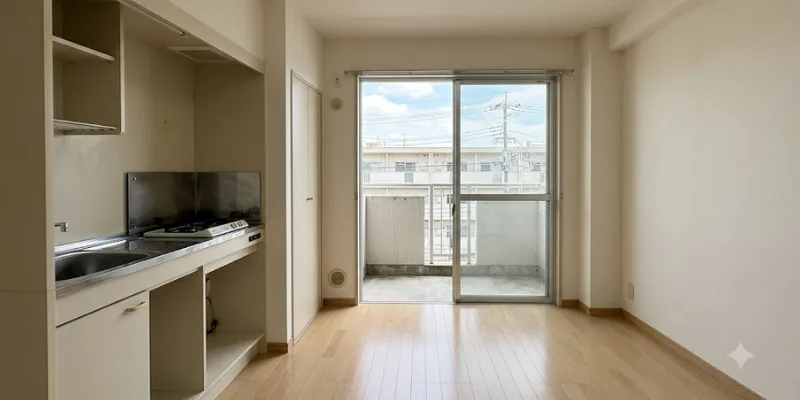
Rent for those living in Ebisu sits above the Tokyo average, driven by the concentration of newer, well-appointed condominiums near the station. As a general guide:
- 1R / 1K (studio): roughly ¥135,000/month
- 1LDK / 2K / 2DK: roughly ¥248,000/month
- 2LDK / 3K / 3DK: roughly ¥400,000/month
These figures move depending on building age, distance from the station, and floor level, and premium towers close to Yebisu Garden Place run well above the averages above. Buildings a seven- to ten-minute walk from the station, further from the main shopping and dining strip, are where most of the more moderately priced inventory sits. For a full breakdown of deposits, key money, and other move-in costs on top of monthly rent, see our guide to apartment move-in costs in Japan, and for how Ebisu’s lease terms compare across housing types, our guide to rental housing types in Japan is a useful next read. If you’re weighing whether the higher rent fits your budget, our Tokyo salary and affordability guide breaks down how much rent is reasonable relative to income.
Who Should Consider Ebisu, and Who Shouldn’t?
Ebisu fits renters who want a two-minute train ride from Shibuya without living in the middle of it: professionals with flexible budgets, couples, and expats who value walkable dining and an easy commute over square footage. Families relocating to Tokyo also do well here, thanks to nearby international schools, English-speaking clinics, and a genuinely calm residential feel once you’re a block or two off the main streets.
It’s less suited to renters chasing the lowest possible rent in the ward, or anyone picturing a more suburban, garden-heavy setting, options like Sendagaya or the quieter pockets of Setagaya-ku fit that brief better. Anyone who wants a large, single-line commute with minimal transfers should also weigh Ebisu against neighborhoods served by a direct line to their specific workplace, since Ebisu’s strength is flexibility across four lines rather than one dominant route.
Frequently Asked Questions
Yes. Ebisu sits next to Hiroo’s embassy district, has a long-standing expat population, and its restaurants, clinics, and shops are generally comfortable serving non-Japanese-speaking residents.
Four lines: JR Yamanote, JR Saikyo, JR Shonan-Shinjuku, and Tokyo Metro Hibiya, giving direct access to Shibuya, Shinjuku, Tokyo Station, Roppongi, and Yokohama.
About two to three minutes by direct train on the Yamanote Line, making Ebisu one of the closest neighborhoods to Shibuya without sitting inside the busiest part of it.
It’s above the citywide average. A 1R/1K studio typically runs around ¥135,000/month, with larger 1LDK units averaging closer to ¥248,000/month.
Reasonably so. There are several small parks within walking distance, international school bus stops along Meiji Dori, and an English-speaking pediatric clinic in the neighborhood itself.
Yes, considerably. The main station area is lively at night with restaurants and bars, but the surrounding residential streets are calm, low-rise, and far less crowded than central Shibuya.
All three sit within walking distance of each other and share a similar upscale character. Ebisu has the strongest train access with four lines, Daikanyama leans toward boutique shopping on a single line, and Nakameguro is best known for its canal-side cafes and cherry blossoms.
Looking for an apartment in Ebisu or elsewhere in Shibuya-ku? Browse current listings in Shibuya-ku or visit Arealty Japan to start your search.

Real estate advisor at Arealty Japan, specialising in helping foreign residents navigate the Tokyo and Osaka rental markets. Lucy has guided hundreds of international renters — from Working Holiday visa holders to corporate relocations — through Japan’s apartment application process. Her writing draws on firsthand experience with landlord screening, guarantor companies, and foreigner-friendly listings across all 23 Tokyo wards and major Kansai cities.