Ikejiri is a residential neighborhood in eastern Setagaya-ku, Tokyo, centered on Ikejiri-Ohashi Station. It sits right at the source of the Meguro River, one stop from Shibuya on the Tokyu Den-en-toshi Line. Independent cafes, small bars, and a quiet riverside walking path define daily life here. Renters get Shibuya-level convenience without Shibuya’s noise. At A-Realty, we regularly point renters toward Ikejiri when they want that exact combination: short commute, low-key streets, and real neighborhood character.
| Ikejiri at a Glance | |
|---|---|
| Ward | Setagaya-ku, Tokyo (borders Meguro-ku) |
| Train Line | Tokyu Den-en-toshi Line (Ikejiri-Ohashi Station) |
| To Shibuya | ~3 min, no transfer |
| Known For | Meguro River source, independent cafes and bars |
| Setagaya-ku Avg Rent (1R/1K, 2026) | ¥100,000-¥140,000/month |
Where Is Ikejiri and What Is It Known For?
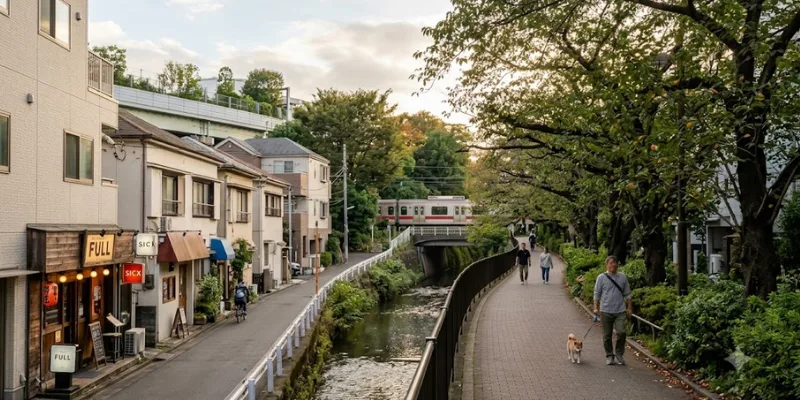
Ikejiri sits in the eastern corner of Setagaya-ku. It borders Meguro-ku right at Ikejiri-Ohashi Station. The neighborhood’s name comes from a historic pond once formed where two smaller rivers met. Local records called it “Snake Pond” or “Dragon Pond.” That outlet became the starting point of the Meguro River. The river still begins its run toward Nakameguro and Meguro Bay right here.
History left a quieter mark on the area too. Much of Ikejiri south of Route 246 served as an army training ground until 1945. The wide Komaba plain suited military exercises well. That legacy still shows in a few remaining facilities, including the Japan Ground Self-Defense Force’s Mishuku Camp. Schools, Setagaya Park, and government housing complexes now sit on much of that former training ground. Post-war development turned most of the rest into the low-rise residential streets you see today.
According to Tokyo Weekender’s neighborhood coverage, Ikejiri-Ohashi blends contemporary Tokyo with fragments of old-town Japan. That mix, paired with the river, gives the area a distinct identity separate from both Shibuya and Nakameguro next door.
Weekends bring a noticeably slower pace than weekdays. Residents walk dogs and cycle along the riverside path rather than crowding the main roads. Cherry blossom season draws a modest crowd of visitors, but nowhere near the density seen further downstream in Nakameguro. That balance, busy enough to feel lived-in, quiet enough to actually relax, sums up much of Ikejiri’s appeal.
How Connected Is Ikejiri’s Transport?
One line serves Ikejiri-Ohashi Station directly:
| Line | Operator | Connects To |
|---|---|---|
| Tokyu Den-en-toshi Line | Tokyu | Shibuya, Sangenjaya, Futako-Tamagawa, and onward to Yokohama via transfer |
Shibuya sits about three minutes away, with no transfer required. That makes Ikejiri one of the closest Setagaya-ku neighborhoods to central Tokyo by travel time. Sangenjaya, the ward’s other major hub, sits just two stops further along the same line. Renters who need broader coverage can also walk to Nakameguro along the river. That route reaches the Tokyu Toyoko and Hibiya Line services covered in our Nakameguro neighborhood guide.
You can browse current apartments for rent in Setagaya-ku to compare Ikejiri against other stations along the same lines.
What Is Ikejiri’s Cafe and Dining Scene Like?
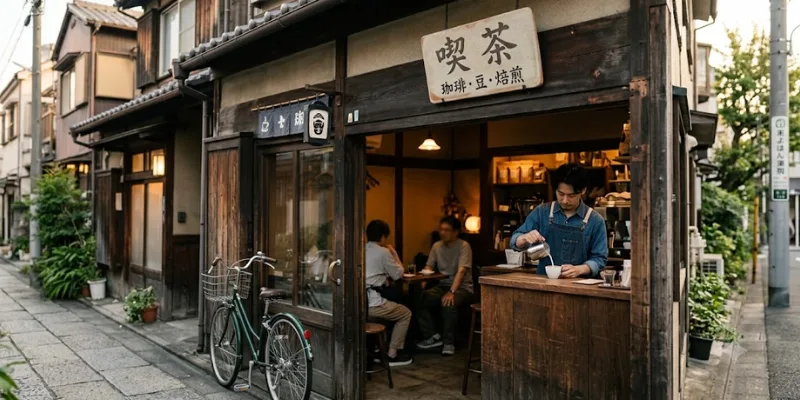
Ikejiri’s food and drink scene leans small and independent rather than chain-heavy. Full, a compact cafe near the river, serves espresso and homemade cakes by day. It shifts to Japanese craft beer as evening sets in. 393 Burger draws a steady crowd for American-style burgers. Tolo Pan handles the neighborhood’s baked goods. Sicx offers coffee and craft gin in a pet-friendly space.
Older, unchanged spots sit alongside these newer additions. Grill Miyoshiya, a small home-style eatery, still serves tonkatsu sets in a Showa-era dining room. Lanterne, a modern izakaya, rounds things out with seasonal fruit sours and classic bar food. Wide sidewalks along the main roads make evenings out easy on foot, and several supermarkets nearby cover daily grocery runs without a train ride. Renters who want a walkable food scene without Shibuya’s crowds tend to find exactly that here.
What Is Daily Life Like in Ikejiri?
The Meguro River Green Belt runs right through Ikejiri, offering a shaded walking and cycling path lined with cafes and small workshops. Following it downstream leads straight to Nakameguro and its cherry blossom stretch, a popular weekend route for local residents. Supermarkets and everyday shops sit within easy walking distance of the station on both sides of the river.
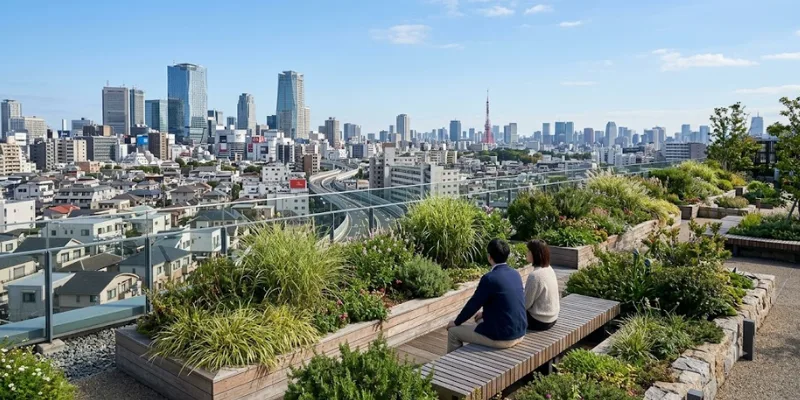
Green space runs deeper than the river path alone. Setagaya Park, a short walk from the station, offers a fountain plaza, a play area, and a mini steam locomotive that runs on weekends. The Meguro Sky Garden, built over a nearby expressway junction in 2013, adds a rooftop green space with Mount Fuji views on clear days. The complex around it also includes an apartment building, a library, and a small cluster of shops. Few Tokyo neighborhoods this close to Shibuya offer this much accessible green space within a five-minute walk of the station.
Our guide to Setagaya City covers the wider ward, including schools, medical care, and services available across all of Setagaya-ku’s neighborhoods.
Families in Ikejiri typically send children to local public elementary and junior high schools within Setagaya-ku, several of which sit within walking distance of the residential streets south of the station. Renters who need international school options tend to look toward Shibuya or Meguro instead, both a short train ride away, since Ikejiri itself does not host one directly.
How Much Does It Cost to Rent in Ikejiri?
Ikejiri prices track close to the Setagaya-ku average, sitting slightly above the ward’s cheapest neighborhoods thanks to the short Shibuya commute.
| Layout | Setagaya-ku Average Rent (JPY/month, 2026) |
|---|---|
| Studio (1R/1K) | ¥100,000-¥140,000 |
| 1 Bedroom (1LDK) | ¥180,000-¥250,000 |
| 2 Bedrooms (2LDK) | ¥250,000-¥400,000 |
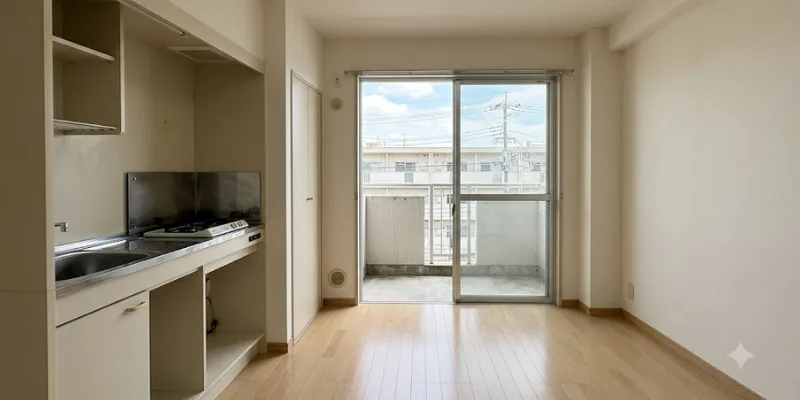
A live example in the neighborhood illustrates this range well. A 1-bedroom unit of about 31 square meters sits at 3-24-20 Ikejiri, roughly seven minutes on foot from Ikejiri-Ohashi Station. It currently lists between ¥152,000 and ¥159,000 per month. That places it comfortably within the ward’s 1LDK range. It also sits on the more affordable side for a station this close to Shibuya.
Renters budgeting for a move should also plan for Japan’s standard initial move-in costs on top of monthly rent. Our guide to apartment move-in costs in Japan breaks down what to expect.
Who Is Ikejiri Best Suited For?
- Shibuya commuters who want quieter streets: A three-minute train ride into Shibuya, without Shibuya’s density or noise.
- Renters who value independent cafes over chains: Ikejiri’s food scene rewards walking and exploring rather than searching for a specific brand.
- River walkers and cyclists: Direct access to the Meguro River Green Belt, with Nakameguro reachable on foot.
- Renters comparing Setagaya-ku options: Ikejiri offers one of the ward’s shortest central-Tokyo commutes without Sangenjaya’s crowds.
Renters who want more nightlife density or a bigger shopping scene may prefer Sangenjaya, a short ride further down the same train line. Families who need larger floor plans or more schools nearby often look toward the quieter residential streets further into Setagaya-ku, closer to Komazawa or Kyodo.
How Does Ikejiri Compare to Neighboring Areas?
Nakameguro, reachable on foot along the river, offers a more polished, boutique-heavy version of the same riverside atmosphere, generally at a higher price point. Sangenjaya, two stops away on the Den-en-toshi Line, trades Ikejiri’s quiet streets for a livelier, more crowded shopping and nightlife hub built around Carrot Tower. Shibuya itself, one stop away, offers unmatched convenience but comes with far more noise and considerably higher rent. Mishuku, a smaller pocket just south of Ikejiri, offers a similarly quiet, low-rise feel with even fewer international-facing amenities.
Ikejiri sits comfortably between these options. It stays quieter and more affordable than Nakameguro or Shibuya. It also keeps the short commute that makes both of those areas appealing in the first place. Futako-Tamagawa, further down the same Den-en-toshi Line, offers a family-oriented alternative with large malls and riverside parks. That comes at a considerably longer commute into central Tokyo than Ikejiri’s three minutes to Shibuya.
FAQ: Renting in Ikejiri
Is Ikejiri a good place to live in Tokyo? Yes, for renters who want a quiet, walkable neighborhood with a very short commute to Shibuya. Ikejiri offers direct Tokyu Den-en-toshi Line access, independent cafes, and the start of the Meguro River as a daily amenity.
Is Ikejiri part of Setagaya or Meguro? Ikejiri itself sits in Setagaya-ku. Ikejiri-Ohashi Station sits right on the border with Meguro-ku, so the surrounding area blends both wards.
How far is Ikejiri from Shibuya? Ikejiri-Ohashi to Shibuya takes about three minutes on the Tokyu Den-en-toshi Line, with no transfer required.
What train line serves Ikejiri-Ohashi Station? The Tokyu Den-en-toshi Line serves Ikejiri-Ohashi Station, connecting to Shibuya, Sangenjaya, and Futako-Tamagawa.
Is Ikejiri expensive to rent in? Ikejiri tracks close to the Setagaya-ku average, generally more affordable than Nakameguro or Shibuya despite its short commute to both.
Can you walk from Ikejiri to Nakameguro? Yes. The Meguro River Green Belt connects Ikejiri directly to Nakameguro on foot, a popular route especially during cherry blossom season.
What is Meguro Sky Garden? Meguro Sky Garden is a rooftop park built over an expressway junction near Ikejiri-Ohashi Station in 2013. It offers greenery, seating, and Mount Fuji views on clear days, alongside an apartment building, library, and shops in the same complex.
Does Ikejiri have international schools? Not directly. Ikejiri relies on local Setagaya-ku public schools. Families who need an international school typically look toward Shibuya or Meguro, both reachable within a few minutes by train.
AREALTY: Your Partner for Renting in Ikejiri
Finding the right Ikejiri apartment means weighing a short Shibuya commute against quieter, more affordable streets than Nakameguro or Shibuya itself. A-Realty helps international renters compare these trade-offs clearly, from checking real listings against ward averages to explaining lease terms and guarantor requirements in plain English.
Ready to find your home in Ikejiri? Browse current apartments for rent in Setagaya-ku, search all available listings, or contact A-Realty to start your search today.

Real estate advisor at Arealty Japan, specialising in helping foreign residents navigate the Tokyo and Osaka rental markets. Lucy has guided hundreds of international renters — from Working Holiday visa holders to corporate relocations — through Japan’s apartment application process. Her writing draws on firsthand experience with landlord screening, guarantor companies, and foreigner-friendly listings across all 23 Tokyo wards and major Kansai cities.