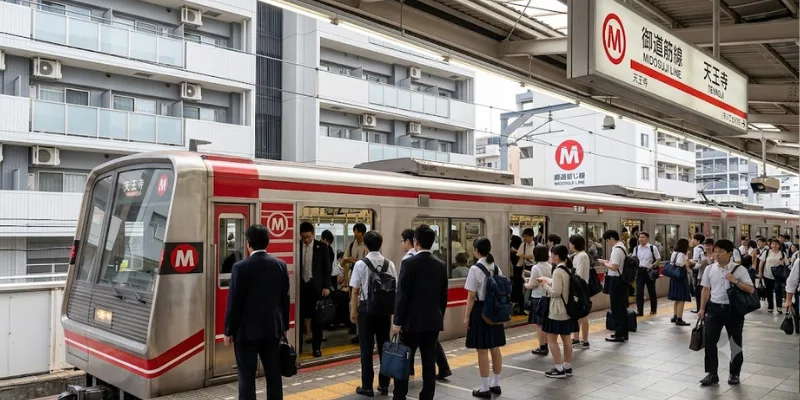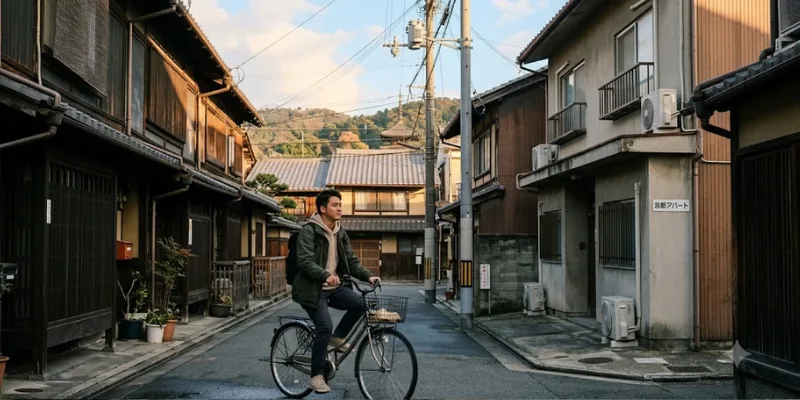

Kyoto apartments for rent for foreigners start from around ¥50,000 per month for a 1K unit — notably cheaper than equivalent Tokyo apartments — reflecting Kyoto’s smaller scale and lower overall cost of living, according to SUUMO’s Kansai regional rental data for 2026. As a city with a long history of international students, researchers, and a growing remote-work population, Kyoto has a more established foreigner rental infrastructure than many comparably-sized Japanese cities.
This guide covers Kyoto’s best districts for foreigners, realistic pricing, and the application process for renting in Kyoto.
Why Foreigners Choose Kyoto Apartments for Rent for Foreigners
Kyoto attracts a different foreign resident profile than Tokyo or Osaka — a significant population of university researchers, exchange students, and increasingly remote workers and digital nomads drawn to the city’s culture, lower cost of living, and walkable scale.
Key reasons foreigners choose Kyoto apartments for rent:
- Lower rent than Tokyo or Osaka for comparable apartment types
- Large student population — Kyoto University, Doshisha University, and several other institutions create established student-housing infrastructure
- Compact, walkable city — many areas don’t require a long commute even without using trains
- Strong academic and research community, including long-established support for international scholars
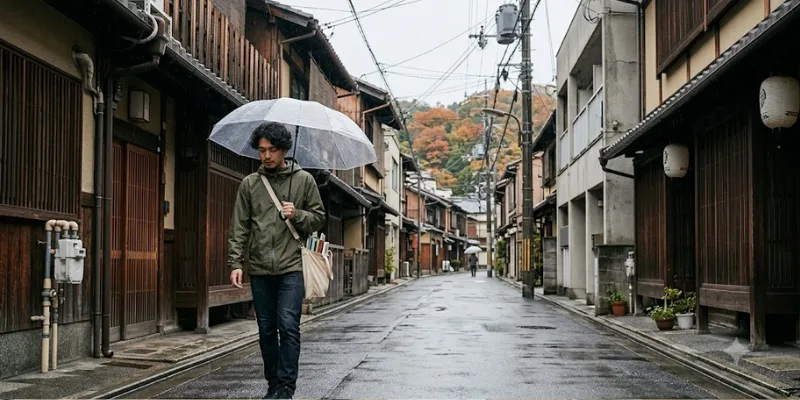
Best Districts for Kyoto Apartments for Rent
Kawaramachi / Central Kyoto
The commercial and entertainment center of Kyoto, offering the most urban, convenient lifestyle within the city.
- 1K apartment: ¥55,000–¥70,000/month
- Character: Central, walkable, shopping and dining dense
Demachiyanagi / Kyoto University area (Sakyo-ku)
The area surrounding Kyoto University has a strong student character, with affordable housing and a large existing population of both Japanese and international students and researchers.
- 1K apartment: ¥48,000–¥60,000/month
- Character: Academic, student-dense, traditional residential streets
Karasuma / Shijo (business district)
Popular with working professionals due to proximity to Kyoto’s main business district and good train access.
- 1K apartment: ¥58,000–¥72,000/month
- Character: Business-oriented, modern buildings mixed with traditional streets
Fushimi-ku (southern Kyoto, more affordable)
A larger, more affordable ward south of central Kyoto, well known internationally for Fushimi Inari Shrine but primarily residential and commercial in character beyond the tourist areas.
- 1K apartment: ¥45,000–¥58,000/month
- Character: Affordable, residential, slightly further from central sightseeing areas
Kyoto Apartments for Rent for Foreigners: Prices by Type (2026)
| Type | Size | Avg. monthly rent |
| 1R | 18–22㎡ | ¥42,000–¥52,000 |
| 1K | 20–28㎡ | ¥48,000–¥65,000 |
| 1LDK | 35–50㎡ | ¥65,000–¥85,000 |
| 2LDK | 50–70㎡ | ¥85,000–¥115,000 |
Source: SUUMO Kansai rental data, Q1 2026.
Compared to similarly-sized units in Osaka, Kyoto apartments for rent for foreigners run roughly comparable or slightly higher in central districts, but noticeably cheaper in outer areas like Fushimi-ku. See our Osaka Kita apartments guide for comparison.
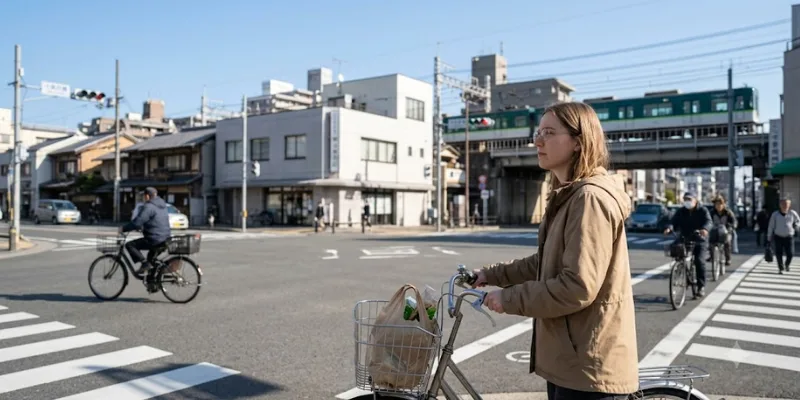
How Foreigners Apply for Kyoto Apartments
The application process for Kyoto apartments for rent for foreigners mirrors standard Japanese procedure with a few city-specific notes:
Documents required:
- Residence Card (在留カード) + passport copy
- Proof of income or, for students, Certificate of Enrollment
- Guarantor — rental guarantee company accepted at most Kyoto listings catering to foreigners, though some older traditional buildings (machiya) may have more conservative requirements
- Emergency contact in Japan
Kyoto-specific considerations:
- Kyoto’s long history with international academia means many landlords near the universities have decades of experience renting to foreign students and researchers
- Traditional machiya (townhouse) rentals, while charming, often come with specific maintenance responsibilities and older infrastructure — clarify expectations carefully if considering this housing type
- Kyoto City’s international community resources, including the Kyoto International Community House (Kokoka), provide housing-related support for foreign residents
Kyoto International Community House (Kokoka) — official resource for foreign residents in Kyoto, including housing guidance.
Kyoto vs Osaka: Which Kansai City Fits Better?
| Kyoto 1K | Osaka 1K (Kita-ku) | |
| Avg. monthly rent | ¥48,000–¥65,000 | ¥55,000–¥72,000 |
| City character | Traditional, academic, tourism-heavy | Commercial, energetic, larger scale |
| Foreign community | Academic-skewed | Broader mix, larger expat population |
| Commute scale | Compact, walkable | Larger, more train-dependent |
Kyoto tends to suit those prioritizing a quieter, more traditional lifestyle and academic or research connections, while Osaka suits those wanting a larger city with more diverse employment and social opportunities. Many foreigners in the Kansai region commute between the two given the short 15-minute train connection on the JR Special Rapid Service.
Living in Kyoto: What to Expect Beyond Rent
Tourism density. Central Kyoto districts, particularly near major temples, see significant tourist traffic that can affect daily life — crowding on local trains and buses during peak tourist seasons (spring cherry blossom, autumn foliage) is a genuine consideration when choosing a neighborhood.
Older building stock. Kyoto has a higher proportion of older buildings, including traditional machiya, compared to Tokyo’s more rapid redevelopment cycle. This can mean charming architecture but also less modern insulation and amenities in some buildings — worth checking construction type and age during viewings.
Seasonal climate extremes. Kyoto is known for notably hot, humid summers and cold winters due to its inland basin geography, more pronounced than Tokyo’s coastal climate. Factor heating and cooling costs into your budget accordingly.
FAQ: Kyoto Apartments for Rent for Foreigners
Do Kyoto landlords accept foreign nationals? Yes, particularly in areas near Kyoto University and the central business district, where landlords have long experience with foreign tenants, including students and researchers.
Is Kyoto good for remote workers? Increasingly yes — Kyoto’s lower cost of living, walkable scale, and growing co-working infrastructure have made it more attractive to remote workers and digital nomads in recent years.
What’s the cheapest area in Kyoto for foreigners? Fushimi-ku generally offers the most affordable rent among well-connected Kyoto districts, while still providing reasonable access to central areas.
Can I rent a traditional machiya house in Kyoto? Yes, though machiya rentals often come with higher maintenance responsibility and may require working with specialized agencies experienced in this older housing stock.
→ Browse Kyoto and Kansai apartments for foreigners
Schools and Family Life in Kyoto
Kyoto has more limited international school options compared to Tokyo or Yokohama, reflecting its smaller foreign resident population relative to the Tokyo metropolitan area. Most foreign families in Kyoto either enroll children in local Japanese public schools — which generally have good language support programs given the city’s long history of international academic exchange — or, for families affiliated with the university system, take advantage of any specific schooling arrangements connected to research positions.

Healthcare Access in Kyoto
Healthcare infrastructure in Kyoto is solid given the city’s status as a major academic and medical research center:
- Kyoto University Hospital — major teaching hospital with research-level medical care
- Japanese Red Cross Kyoto Daiichi Hospital — large general hospital serving central Kyoto
- Numerous private clinics throughout the city, with English-language capacity varying — clinics near the university areas tend to have more experience with international patients given the existing academic community
The Kyoto International Community House (Kokoka) maintains resources to help foreign residents navigate the healthcare system, including language support services.
Daily Life and Shopping in Kyoto
Kyoto’s compact scale means many residents can handle daily errands on foot or by bicycle without needing to rely heavily on trains — a meaningful quality-of-life difference compared to Tokyo’s more sprawling geography.
Nishiki Market and the surrounding Kawaramachi shopping district offer extensive food shopping, including specialty Kyoto ingredients, though prices can run higher in the most tourist-dense sections. Local supermarket chains throughout residential areas like Demachiyanagi and Fushimi-ku offer more everyday affordable grocery shopping.
For international ingredients specifically, options are more limited than in central Tokyo, though some specialty stores exist near the university areas given the long-established international student and researcher population’s demand for familiar ingredients from home.
Internal Resources for Kansai Region Renters
- Osaka Kita apartments for rent for foreigners — comparison against Osaka’s business district
- Foreign-friendly apartments in Osaka — what this designation actually means in practice
- Cheap apartments in Osaka under ¥70,000 — budget comparison across the Kansai region
- Best areas to live in Kansai for foreign renters — broader regional overview beyond Kyoto specifically
Moving Logistics in Kyoto
Setting up utilities in Kyoto follows the same general national process — electricity and water activate same-day or next-day in most cases, while gas requires an in-person technician visit for meter activation and safety inspection, typically requiring 3–5 days advance booking. Given Kyoto’s older building stock in some central districts, it’s worth confirming with your landlord or agency in advance whether your specific building has any unusual utility setup requirements, particularly for traditional machiya properties where gas and electrical systems may differ from standard modern apartment buildings.

Real estate advisor at Arealty Japan, specialising in helping foreign residents navigate the Tokyo and Osaka rental markets. Lucy has guided hundreds of international renters — from Working Holiday visa holders to corporate relocations — through Japan’s apartment application process. Her writing draws on firsthand experience with landlord screening, guarantor companies, and foreigner-friendly listings across all 23 Tokyo wards and major Kansai cities.