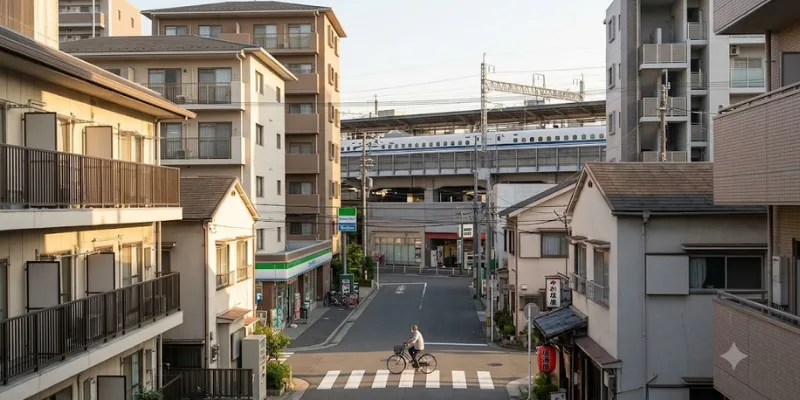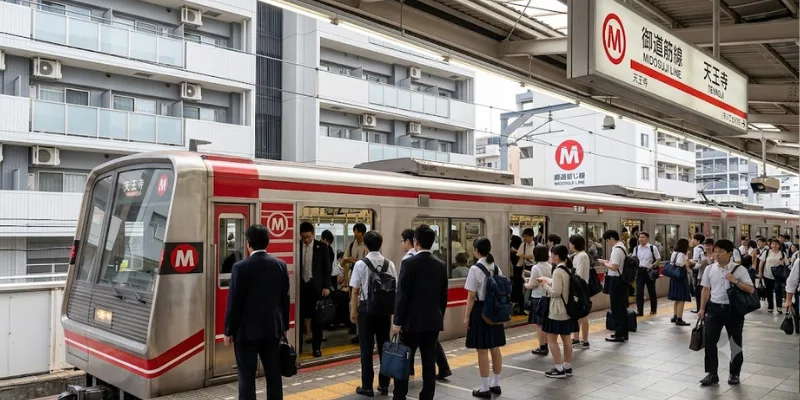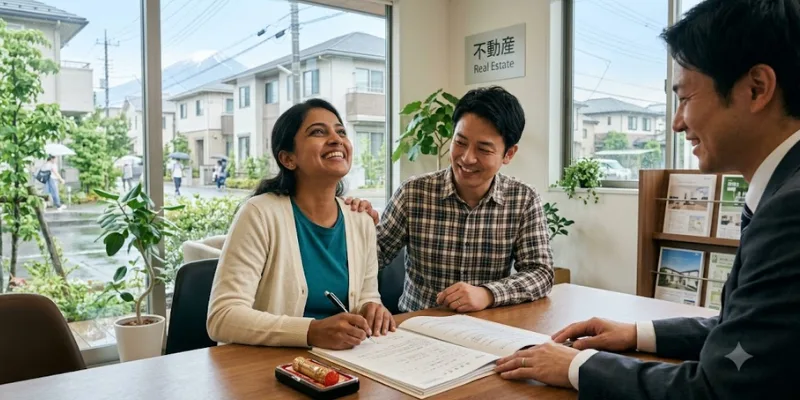

Buying a home in Japan on a working visa is entirely legal. Japan places no nationality or residency restriction on property ownership itself. The real challenge isn’t whether you can buy — it’s whether you can finance the purchase through a standard Japanese mortgage, since most major lenders apply meaningfully stricter criteria to working visa holders than to permanent residents or Japanese citizens.
This guide covers what actually changes when buying a home in Japan on a working visa: mortgage eligibility, the documents lenders scrutinize most, and realistic alternatives if standard financing doesn’t work for your situation. For related context, see our guide to buying property without permanent residency in Japan and our overview of how visa status affects your home loan application. You can also confirm current visa renewal and residency rules through Japan’s Immigration Services Agency.
Why mortgage lenders treat working visa holders differently
Japanese mortgage lenders assess flight risk as a core part of their underwriting. A permanent resident or Japanese citizen carries an indefinite right to remain in Japan. A working visa holder’s status ties to continued employment and periodic visa renewal, which introduces genuine uncertainty a lender has to price into their risk assessment. This isn’t discrimination in the sense of an arbitrary rule — it reflects a real difference in the borrower’s long-term connection to Japan that affects a lender’s ability to collect on a multi-decade loan.
This dynamic means working visa holders buying a home in Japan face a fundamentally different mortgage landscape than permanent residents, even when income and creditworthiness look identical on paper.
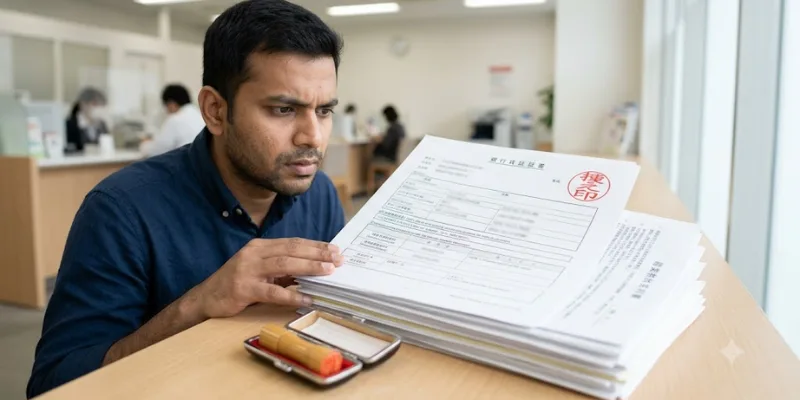
What lenders actually look at for working visa applicants
Remaining visa validity. Lenders generally want to see a meaningful amount of time left on your current visa, and some require a recently renewed visa with several years of history showing consistent renewal, rather than a first-time visa holder.
Years of residency in Japan. Many lenders set a minimum residency period — often 1–3 years — before considering a working visa holder for a standard mortgage product, treating a longer track record as evidence of stability.
Employment stability and income documentation. Lenders scrutinize working visa applicants’ employment history more closely than a citizen’s, often requiring a longer tenure at your current employer and more thorough income verification.
Down payment size. Working visa holders frequently face higher down payment requirements than the citizen-standard 10-20%, sometimes 20-30% or more, since a larger down payment reduces the lender’s exposure if visa complications arise later.
Realistic financing paths for working visa holders
Japanese megabanks (MUFG, SMBC, Mizuho) generally offer the most conservative terms for working visa holders, often requiring permanent residency or very long Japan residency history for their best rates, though some do have programs specifically for long-term working visa holders with strong income.
Regional banks and credit unions sometimes offer more flexible criteria than megabanks, particularly in areas actively courting international residents, though terms and availability vary considerably by institution and region.
Foreign bank Japan branches and international banks with a Japan presence occasionally offer mortgage products more attuned to foreign borrowers’ circumstances, worth exploring alongside standard Japanese lenders.
Larger down payments or cash purchases remain the most reliable path when standard financing proves difficult. Some working visa holders buy with a larger down payment specifically to offset a lender’s residency-related risk concerns, or purchase outright with cash where budget allows.
Does applying for permanent residency help before buying?
If permanent residency is realistically within reach — Japan’s standard PR eligibility generally requires 10 years of residency, reduced to as little as 1–3 years for Highly Skilled Professional visa holders depending on points score — waiting until PR is granted before applying for a mortgage often produces meaningfully better terms. This isn’t always practical if you need to buy sooner, but it’s worth weighing against your specific timeline if PR eligibility sits close on the horizon.
Spouse and co-applicant considerations
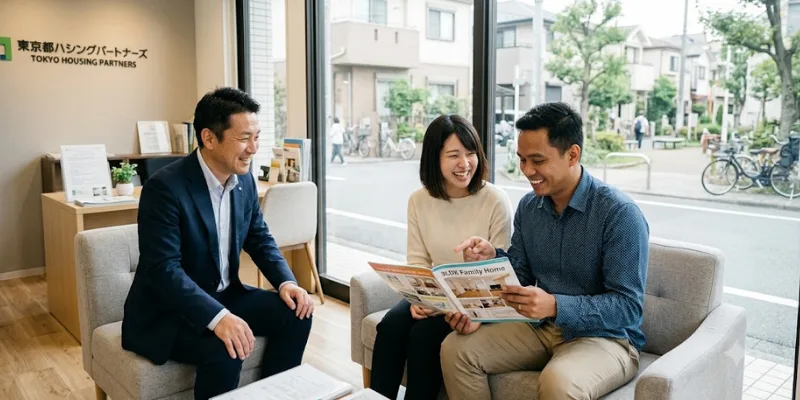
If your spouse holds Japanese citizenship or permanent residency, applying jointly or having them serve as the primary applicant can meaningfully improve your mortgage terms, since the lender’s risk assessment shifts toward the more stable residency status on the application. This is a genuinely common strategy for working visa holders married to a Japanese national or permanent resident, and worth discussing directly with your lender or mortgage broker early in the process.
What doesn’t change regardless of visa status
Property ownership itself carries no visa-related restriction — a working visa holder owns property with exactly the same legal rights as a citizen or permanent resident. Closing costs, registration procedures, and property tax obligations all apply identically regardless of visa category. The visa-related friction sits entirely in mortgage financing, not in the ownership or transaction process itself.
Working with a mortgage broker for buying a home in Japan on a working visa
A mortgage broker experienced with foreign borrowers can save real time. They know which lenders currently accept working visa applicants. They know current down payment expectations and documentation requirements too. Brokers typically charge a fee, either flat or a percentage of the loan. But this fee often pays for itself in better terms or a faster approval, especially for a working visa holder navigating unfamiliar lender criteria.
Ask any broker directly about their track record with working visa clients specifically. Not all brokers specialize in this segment. Some focus mainly on permanent resident or citizen applications. A broker’s specific experience with your visa category matters more than their general reputation.
Common mistakes working visa buyers make
Assuming all banks apply the same criteria. They don’t. One megabank might decline an application that a regional bank approves readily. Shop multiple lenders before assuming financing isn’t possible.
Underestimating the down payment gap. Budgeting for a standard 10-20% down payment, then discovering a lender wants 30%, can derail a purchase timeline. Confirm actual requirements early, not after you’ve found your ideal property.
Not accounting for visa renewal timing. If your visa renewal falls during the mortgage application process, this can complicate underwriting. Time your application with visa status stability in mind where possible.
Skipping a Japanese-speaking co-applicant discussion. Couples where one partner holds Japanese citizenship or permanent residency sometimes don’t realize how much a joint application can improve their terms. Raise this early with your lender or broker, not as an afterthought.
Buying property working visa Japan: timeline expectations
Realistically, expect the mortgage approval process to run longer for a working visa holder than for a permanent resident, given the additional documentation and scrutiny involved. Where a citizen might close in 4-6 weeks after an accepted offer, a working visa holder should budget 6-10 weeks or more, particularly if multiple lenders need to be approached before finding one willing to finance the purchase. Building this extra time into your overall home-buying timeline avoids unnecessary pressure if the first lender you approach declines or offers unfavorable terms.
Frequently Asked Questions
Yes. Property ownership carries no nationality or visa restriction. The real challenge is mortgage financing, which most lenders assess more conservatively for working visa holders than for permanent residents.
Often 20-30% or more, higher than the roughly 10-20% standard for citizens and permanent residents, though this varies by lender and individual financial profile.
Yes, significantly. Applying jointly with a Japanese citizen or permanent resident spouse, or having them serve as primary applicant, generally improves approval odds and loan terms considerably.
If PR is realistically achievable within your timeline, waiting often produces better mortgage terms. This isn’t always practical, though, and many working visa holders successfully finance a purchase without PR.
No. Megabanks tend toward the most conservative criteria, while some regional banks and foreign bank Japan branches offer more flexible terms. Shopping multiple lenders is worth the effort for anyone buying a home in Japan on a working visa specifically.
Yes, considerably. Renting mainly requires a guarantor company and standard documentation. Buying a home in Japan on a working visa adds mortgage underwriting scrutiny that simply doesn’t apply to a rental application, making the financing side of a purchase the real hurdle rather than the ownership itself.
Arealty helps working visa holders navigate mortgage financing and connects buyers with lenders experienced in foreign-borrower applications. Contact our team to discuss your specific situation.

Real estate advisor at Arealty Japan, specialising in helping foreign residents navigate the Tokyo and Osaka rental markets. Lucy has guided hundreds of international renters — from Working Holiday visa holders to corporate relocations — through Japan’s apartment application process. Her writing draws on firsthand experience with landlord screening, guarantor companies, and foreigner-friendly listings across all 23 Tokyo wards and major Kansai cities.